Expansion of Swiss-type centering machines in medical and micro-components applications
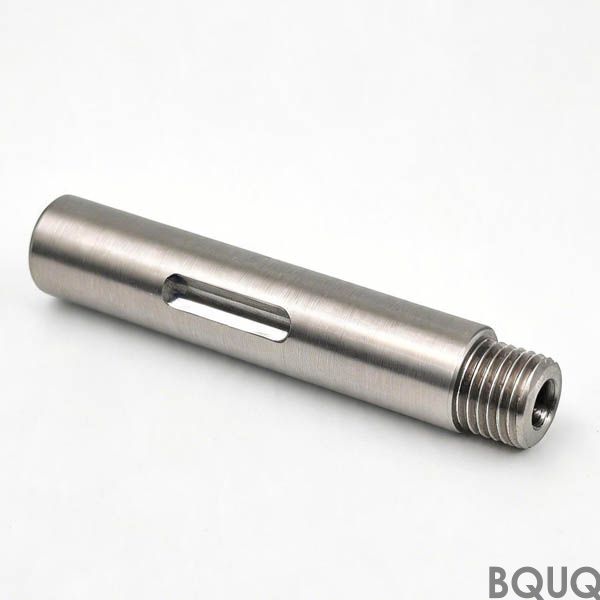
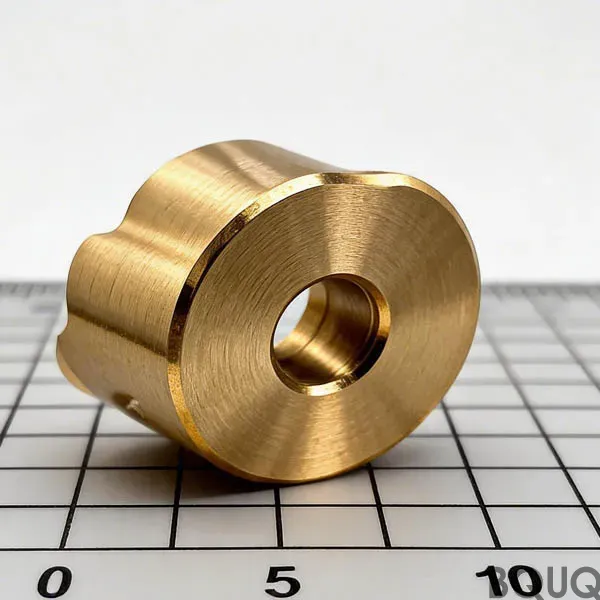
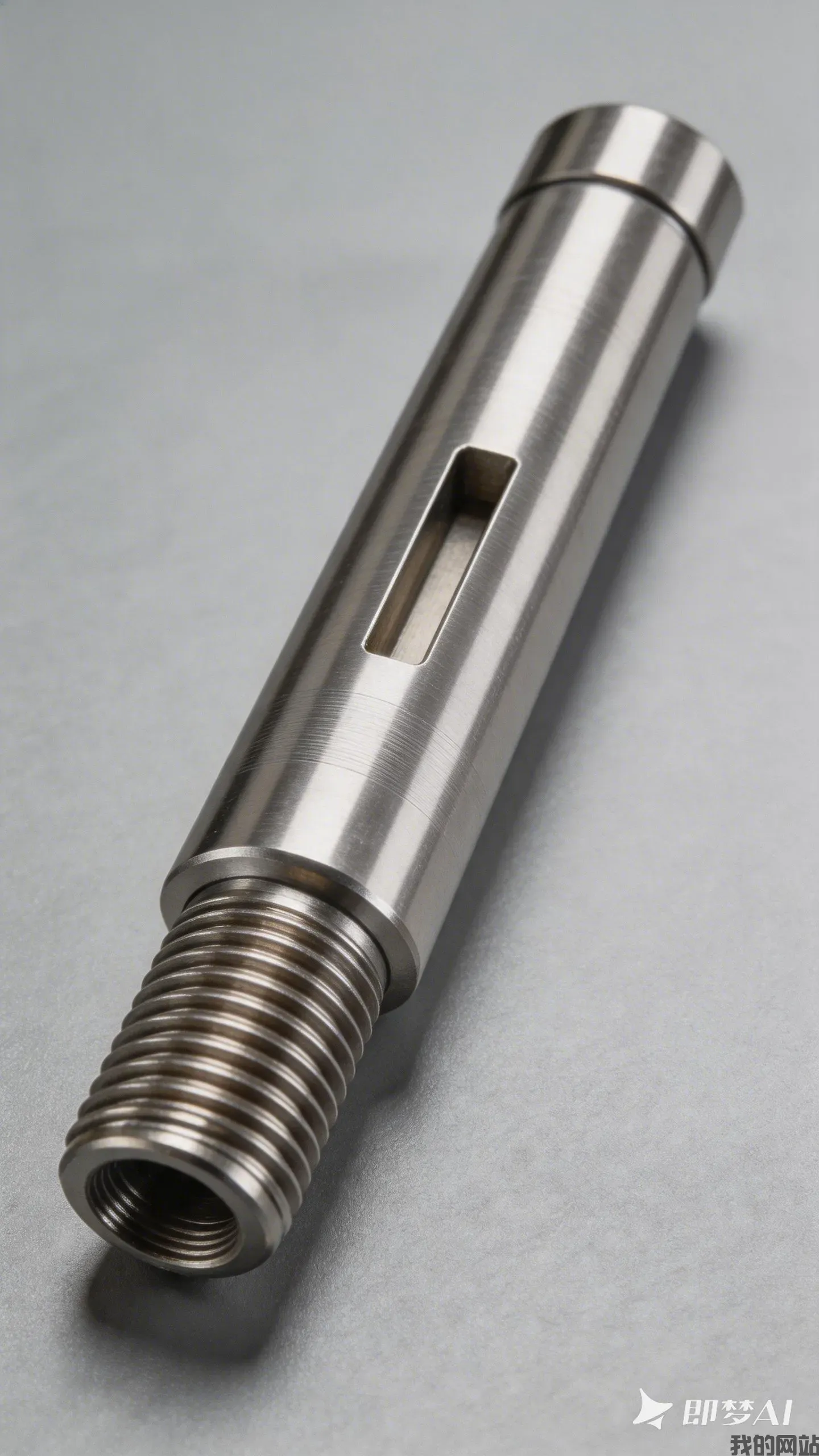
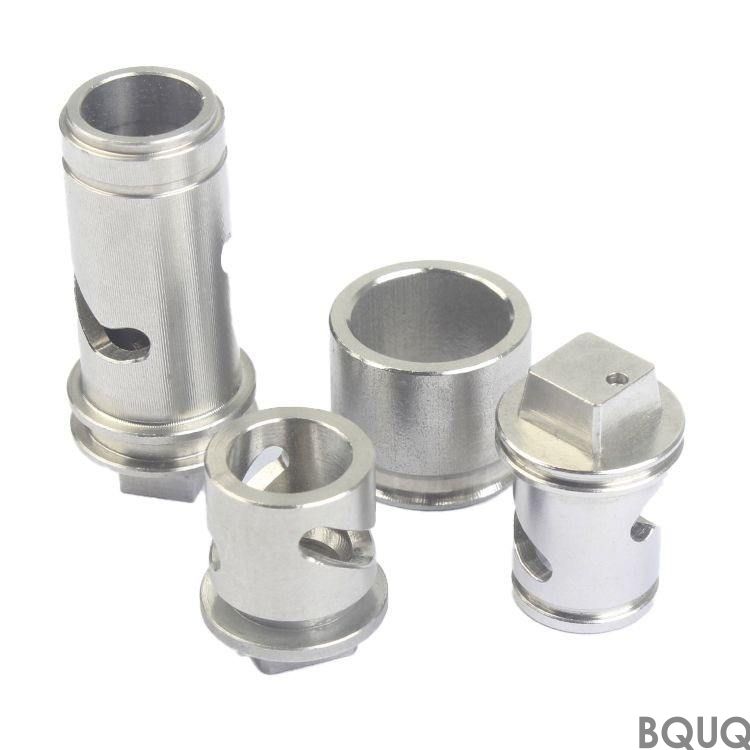
Swiss-type centering machines (Swiss-type) have been used for precision turning parts for a long time. Its core advantage is that the guide sleeve structure can support the slender shaft parts and avoid deformation. In 2026, with the rising demand for miniature parts in the medical and electronics industries, the application range of Swiss-type centering machines has expanded significantly. Typical parts include: bone nails (diameter 1-5mm, length 20-100mm), dental implants, miniature connectors, fiber optic joints, and precision shafts. Swiss-type centering machines are usually equipped with up to 12 tool stations (including rotary tools and power tools), which can complete turning, milling, drilling and threading in one go. For parts with a length-to-diameter ratio of more than 20:1, Swiss-type is the only viable machining method. Technological advancements in 2026 include: high-resolution C-axis (0.001), back-axis synchronous machining, and in-line measurement compensation. Actual production data shows that the Swiss-type centering machine has a single-piece machining cycle that is more than 50% shorter than traditional lathes plus secondary machining. For small batch medical parts (50-500 pieces), the Swiss-type centering machine has significant economics due to its short set-up time (15-30 minutes). The global Swiss-type CNC lathe market size is expected to grow to $4.50 billion by 2028.