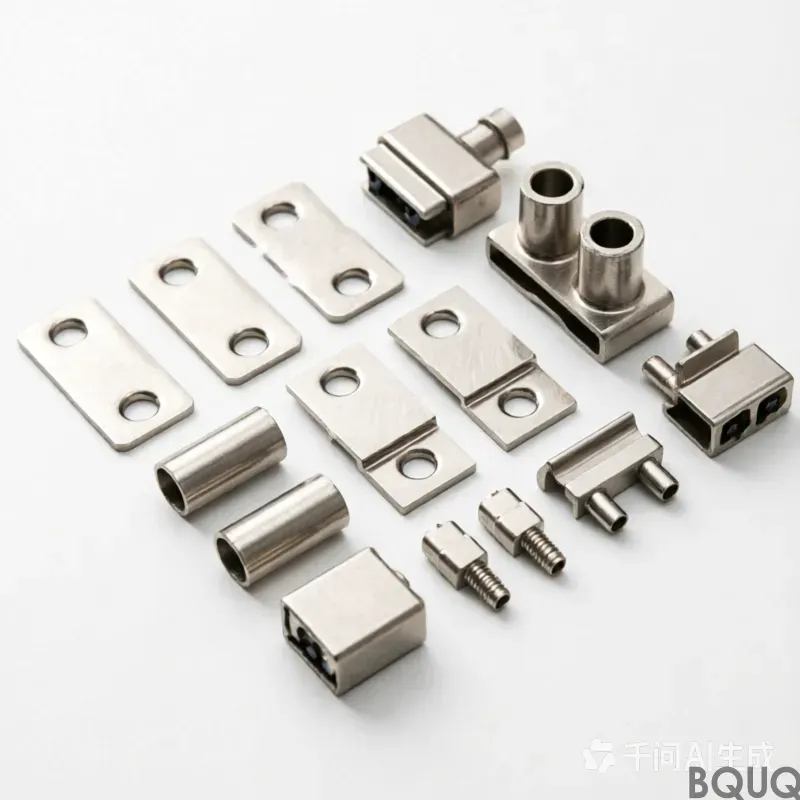
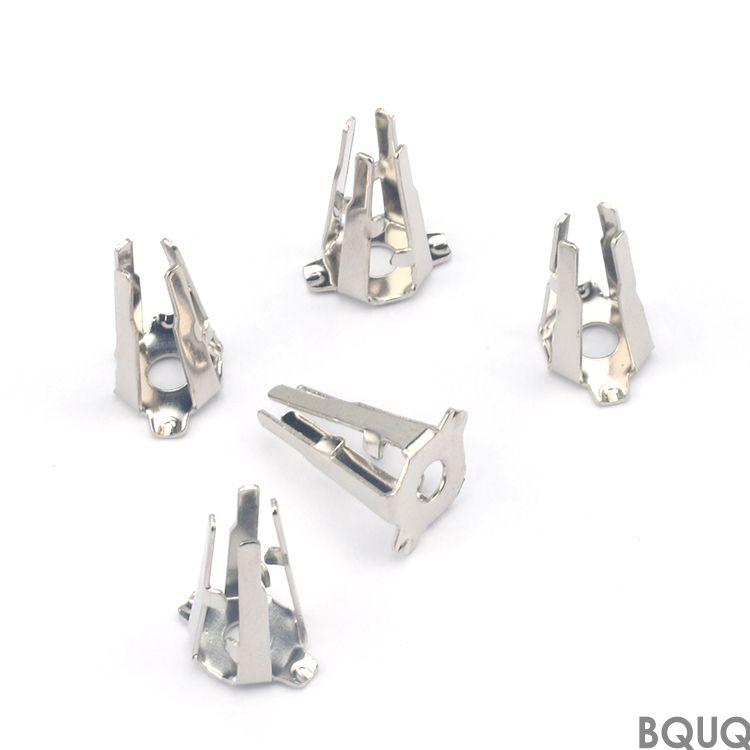
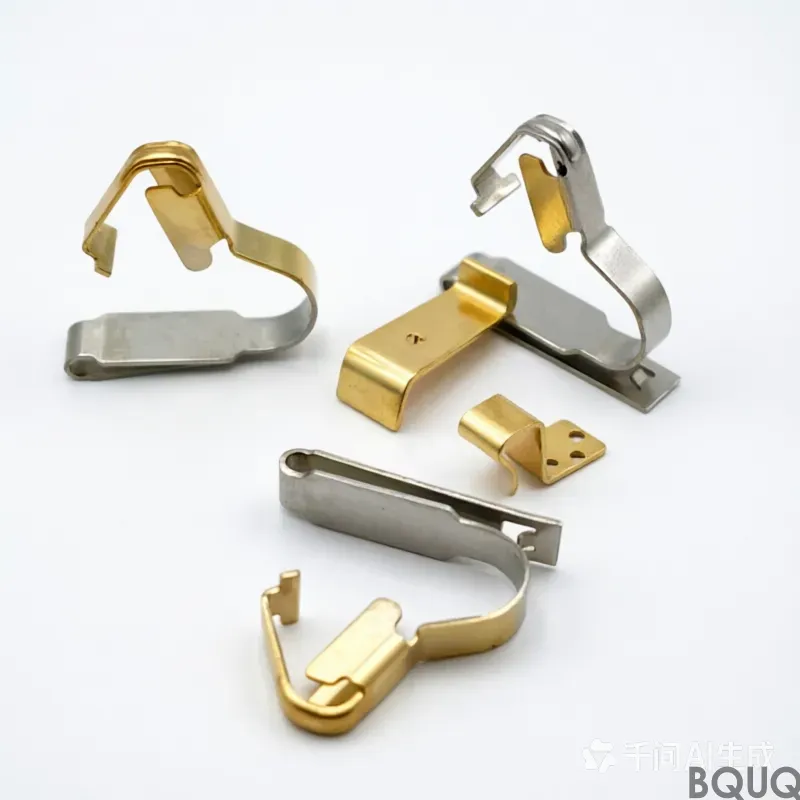
CNC lathe vs stamping: Compare precision, cost, speed, and volume. Get expert advice on which method is best for your custom metal parts. Contact us today!
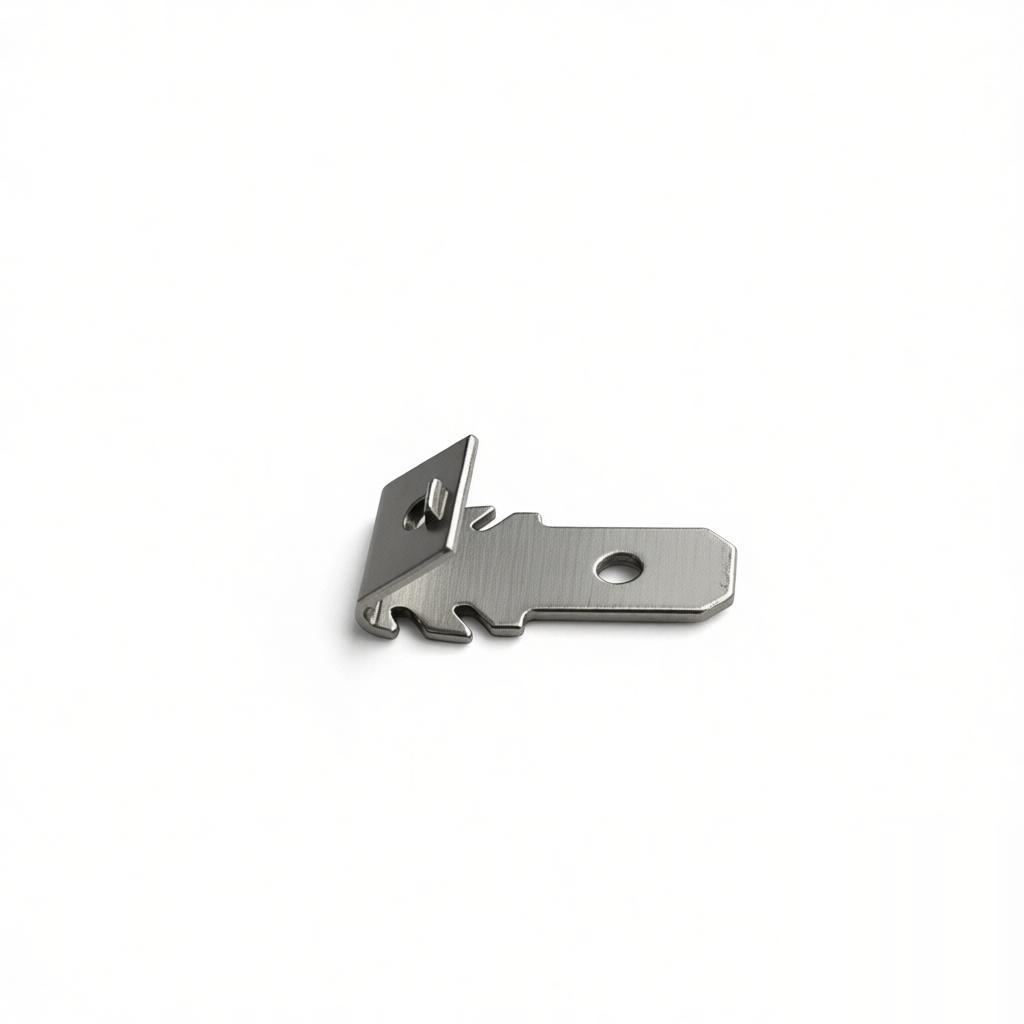
CNC Lathe vs Stamping: Which Precision Part Method Wins?
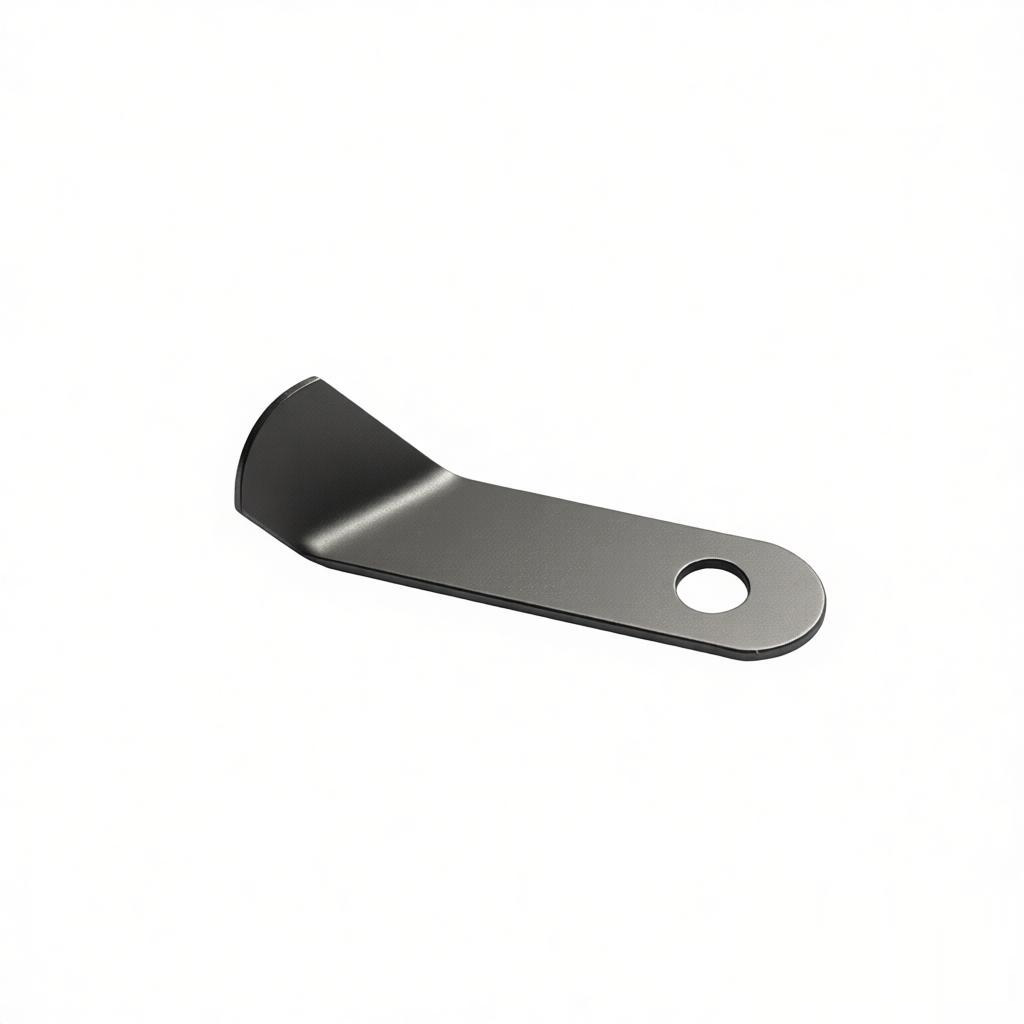
Introduction: The Precision Manufacturing Dilemma
In the world of metal parts manufacturing, choosing the right process can make or break your product's quality, cost, and timeline. Two dominant methods—CNC lathe machining and metal stamping—offer distinct advantages depending on volume, complexity, and material. This article dives deep into CNC lathe vs stamping, comparing precision, speed, cost, and more, to help you decide which method wins for your project.
Comparison Table at a Glance
| Feature | CNC Lathe | Metal Stamping |
|---|---|---|
| Precision | ±0.005 mm typical | ±0.05 mm typical |
| Production Speed | Slow (1-5 parts/min) | Fast (100-1000 parts/min) |
| Setup Cost | Low ($50-$200) | High ($500-$10,000+ per die) |
| Part Complexity | High (gears, threads, contours) | Moderate (flat shapes, bends) |
| Material Waste | Moderate (chips) | Low (scrap can be recycled) |
| Material Options | Almost any metal | Limited to ductile metals |
| Volume Suitability | Low to medium (1-10,000 pcs) | High (10,000+ pcs) |
| Secondary Operations | Minimal (often net shape) | Often needed (deburring, tapping) |
Deep Dive: CNC Lathe Precision Parts
How It Works
CNC (Computer Numerical Control) lathes operate by rotating the workpiece while a stationary cutting tool removes material. This subtractive process can produce highly complex geometries—even internal features—with exceptional repeatability.
Advantages of CNC Lathe
Ultra-high precision: Tight tolerances down to 0.001 mm possible.
Flexibility: Quick changeovers between parts; no expensive tooling dies.
Complex geometry: Perfect for shafts, bushings, threads, and stepped parts.
Low initial investment: No need for costly stamping dies.
Disadvantages
Slow production: Each part is made individually; not suitable for mass production.
Higher per-part cost at volume: Labor and machine time add up.
Material waste: Chips from turning can be recycled but still represent loss.
Deep Dive: Metal Stamping Precision Parts
How It Works
Stamping uses dies and presses to cut and form sheet metal into desired shapes. Progressive dies can perform multiple operations in a single press stroke, enabling high-speed production.
Advantages of Stamping
High speed: Hundreds to thousands of parts per minute.
Low per-part cost at high volume: Amortized die cost makes it very economical.
Consistency: Once the die is perfected, every part is identical.
Material efficiency: Minimal waste, especially with nesting.
Disadvantages
High upfront cost: Die design and fabrication can be expensive and time-consuming.
Limited complexity: Deep draws, threads, or undercuts are difficult or impossible.
Material restrictions: Only ductile metals like steel, aluminum, copper work well.
When to Choose CNC Lathe vs Stamping
Here’s a quick decision guide based on your project parameters:
Prototyping or low volume (1-500 pcs): CNC lathe wins due to low setup cost and flexibility.
Medium volume (500-10,000 pcs): Evaluate part complexity. If simple geometry, stamping might be cost-effective. For complex, stay with CNC.
High volume (10,000+ pcs): Stamping is almost always cheaper per part, provided the design is stampable.
High precision needed (+/- 0.01 mm or tighter): CNC lathe is the clear winner.
Part is flat or has simple bends: Stamping excels.
Part is cylindrical with features: CNC lathe is necessary.
Case Studies
Case 1: Automotive Sensor Housing
A brass sensor housing required threading and ±0.01 mm tolerance. Volume: 5,000/year. CNC lathe was chosen because stamping couldn't achieve threads cost-effectively. Per-part cost: $2.10 vs $1.50 estimated for stamping (but stamping required secondary threading which added $0.80). Net: CNC lathe cheaper and faster.
Case 2: Electronic Shielding Can
Stainless steel rectangular box, simple bends, ±0.1 mm tolerance. Volume: 500,000/year. Stamping produced parts for $0.05 each, while CNC lathe would cost $0.80 each. Stamping was the clear winner despite die cost of $8,000.
Recommendation: Which Method Wins?
There is no universal winner—the best choice depends on your specific needs. However, if you prioritize precision and flexibility above all, CNC lathe is unmatched. If you need high volume at low per-piece cost, stamping is the champion. For custom projects with complex geometries and moderate volumes, CNC lathe often provides the best balance. At our company, we specialize in both CNC precision lathe parts and metal stamping, offering unbiased advice to match your part to the optimal process. Contact us today to discuss your project.
Conclusion
Understanding the strengths and weaknesses of CNC lathe versus stamping is crucial for cost-effective manufacturing. By considering volume, tolerance, complexity, and material, you can confidently choose the process that delivers quality parts on time and on budget. Whether you need prototypes or mass production, our team is ready to assist with state-of-the-art CNC lathes and stamping presses.
Frequently Asked Questions
What is the typical precision difference between CNC lathe machining and metal stamping?
CNC lathe machining typically achieves ±0.005 mm precision, while metal stamping is typically ±0.05 mm. CNC lathes can even reach tolerances down to 0.001 mm for ultra-high precision applications, making them suitable for parts requiring tight tolerances.
Which method is better for low-volume production runs?
CNC lathe machining is better for low to medium volumes, typically 1 to 10,000 pieces. It has low setup costs of $50-$200 and no expensive dies, while metal stamping requires high setup costs of $500-$10,000+ per die, making it economical only for high volumes of 10,000+ pieces.
What are the production speed differences between CNC lathe and stamping?
CNC lathe machining is slow, producing 1-5 parts per minute, while metal stamping is fast, producing 100-1000 parts per minute. This makes stamping ideal for mass production, whereas CNC lathes are better suited for lower volume or complex parts.
Can metal stamping handle complex geometries like threads or internal features?
No, metal stamping is limited to moderate complexity, such as flat shapes and bends. CNC lathe machining is better for high complexity parts like gears, threads, contours, shafts, and bushings, and can even produce internal features with exceptional repeatability.