Discover expert CNC machining for marine metal components. Learn material selection, corrosion resistance, and precision tips for marine parts. Contact us for custom solutions.
CNC Machining for Marine Metal Components | Expert Guide
The marine industry demands components that can withstand harsh saltwater environments, high pressures, and constant wear. CNC machining has emerged as the go-to manufacturing process for producing marine metal components with exceptional precision, durability, and corrosion resistance. This comprehensive guide explores everything you need to know about CNC machining for marine applications, from material selection to design tips.
Understanding Marine Metal Components
Marine metal components are parts used in ships, boats, offshore platforms, and other marine equipment. These components must resist corrosion, biofouling, and mechanical stress. Common examples include propellers, shafts, valves, fittings, heat exchangers, and engine parts. CNC machining offers the tight tolerances and surface finishes required for reliable performance in these demanding conditions.
Key Considerations for CNC Machining Marine Parts
Corrosion Resistance
Saltwater is highly corrosive. Materials must be chosen carefully—stainless steels (316, 304), aluminum alloys (6061, 5083), brass, bronze, and titanium are common. Passivation and anodizing can enhance corrosion resistance.
Precision and Tolerances
Marine components often require tight tolerances (e.g., ±0.005 mm) to ensure proper sealing and fit. CNC machines achieve this consistently.
Surface Finish
A smooth surface (Ra ≤ 0.8 µm) reduces friction and biofouling. CNC machining can achieve the required finish without secondary operations.
Sealing and Thread Integrity
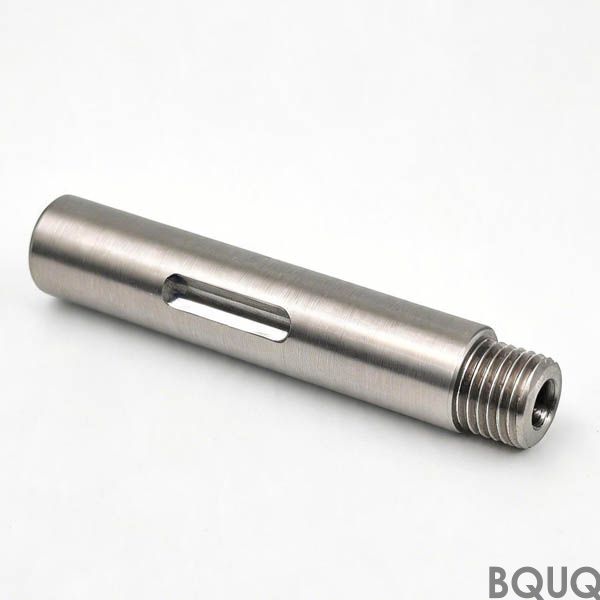
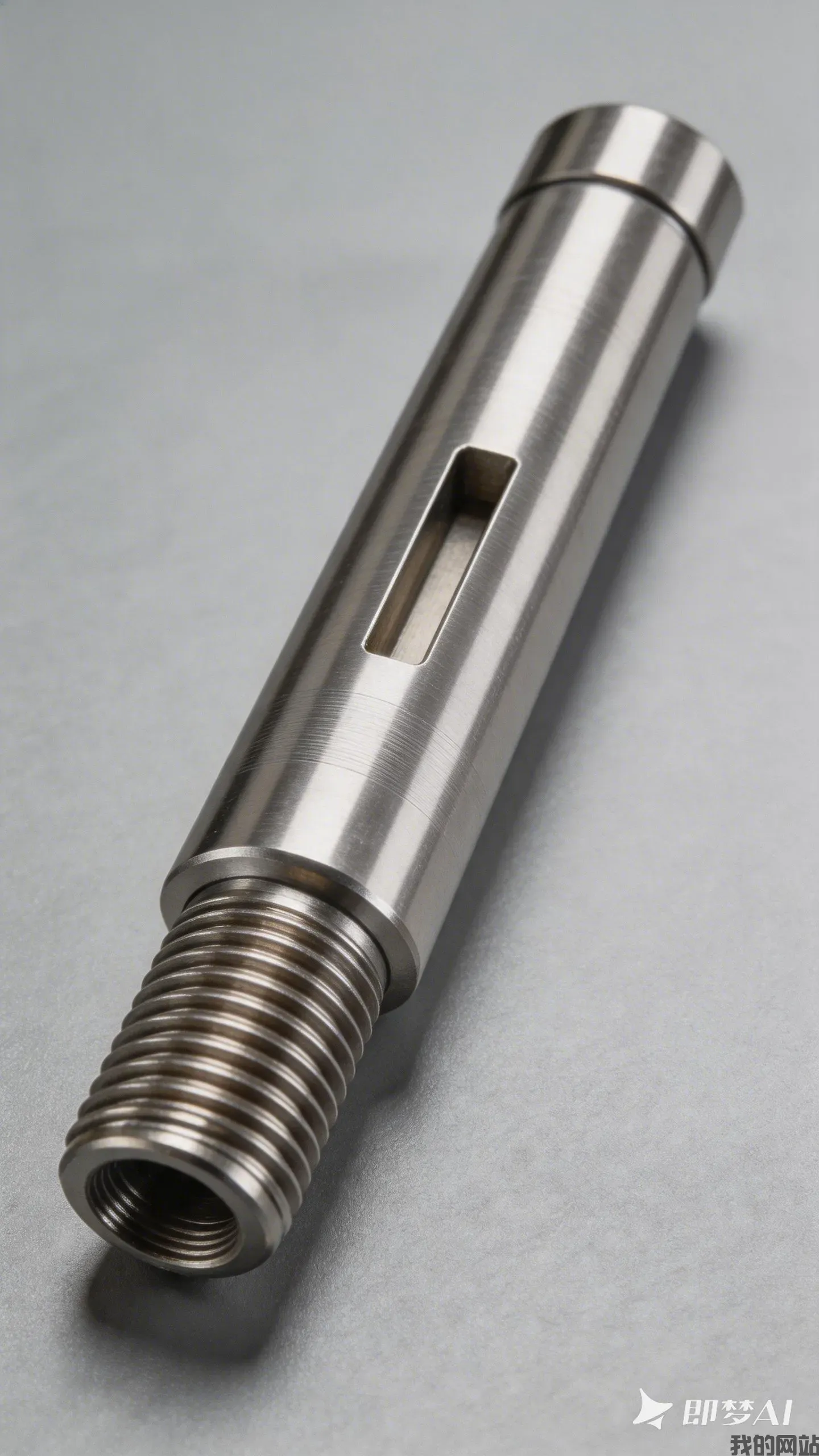
Threaded fittings must be leak-proof. CNC threading with controlled pitch and depth is critical.
Common Marine Components Produced by CNC Machining
Propellers and propeller shafts
Valve bodies and stems
Pipe fittings and flanges
Heat exchanger plates and tubes
Engine components (pistons, manifolds)
Pump impellers and housings
Thruster parts
Custom brackets and mounts
Material Selection for Marine CNC Parts
Choosing the right material is crucial. Below is a comparison of common marine-grade metals.
| Material | Corrosion Resistance | Strength | Machinability | Common Uses |
|---|---|---|---|---|
| Stainless Steel 316 | Excellent | High | Good | Fittings, shafts, valves |
| Aluminum 5083 | Good | Medium | Excellent | Hull plates, hatches |
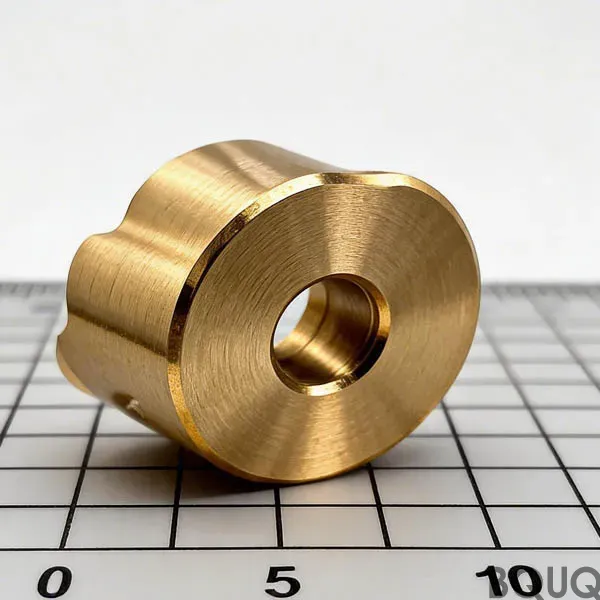
| Brass C36000 | Moderate | Medium | Excellent | Small fittings, instruments |
| Naval Brass | Good | High | Fair | Propellers, rudders |
| Titanium Grade 5 | Superior | Very High | Difficult | High-performance shafts, fasteners |
CNC Machining Processes for Marine Components
CNC Milling
Used for complex 3D shapes like propeller blades and valve bodies. Multi-axis milling (5-axis) reduces setups and increases accuracy.
CNC Turning
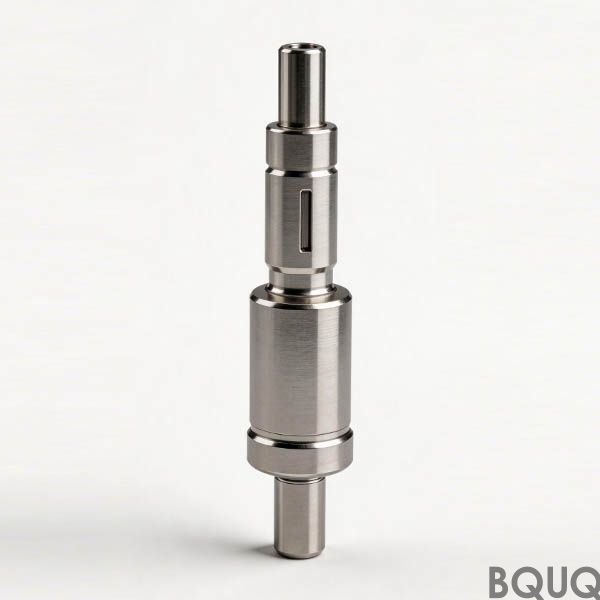
Ideal for cylindrical parts such as shafts, bushings, and threaded fittings. Live tooling allows milling and drilling in one setup.
Drilling and Tapping
Precise hole placement and thread cutting are essential for bolted assemblies. CNC ensures consistent depth and pitch.
Thread Milling
Preferred for large or unconventional threads; produces stronger threads than tapping.
Quality Assurance and Testing
Marine components must meet strict standards. Key tests include:
Dimensional Inspection: CMM and optical comparators verify tolerances.
Salt Spray Testing: ASTM B117 standard simulates corrosion over time.
Pressure Testing: For valves and fittings, hydrostatic testing checks for leaks.
Material Certification: Mill certificates ensure grade and traceability.
Practical Tips for Designing CNC-Machined Marine Parts
Avoid Sharp Corners: Use radii to reduce stress concentration and improve corrosion resistance.
Ensure Proper Drainage: Design features to prevent water entrapment (e.g., angled surfaces, weep holes).
Select Compatible Metals: Prevent galvanic corrosion by using similar metal types or insulating with coatings.
Specify Tolerances Wisely: Only tighten where necessary; overly tight specs increase cost without benefit.
Consider Coatings: Hard anodizing, electroless nickel plating, or PTFE coatings can extend life.
Minimize Deep Pockets: They are hard to machine and clean; design with tool access in mind.
Add Marking Features: Laser marking or embossed numbers aid identification and maintenance.
Conclusion
CNC machining delivers the precision, consistency, and quality needed for marine metal components. By selecting the right materials, employing advanced machining strategies, and adhering to stringent quality controls, manufacturers can produce parts that endure the rigors of the sea. Whether you need custom propellers, valve components, or structural parts, partnering with an experienced CNC machining provider ensures your marine equipment performs reliably.
Contact us today to discuss your marine component requirements and receive a competitive quote for CNC machining services.
Frequently Asked Questions
What tolerances can CNC machining achieve for marine components?
CNC machining can consistently achieve tight tolerances such as ±0.005 mm for marine components. This precision is essential for ensuring proper sealing and fit in parts like valve bodies, shafts, and threaded fittings, which must perform reliably under high pressure and harsh saltwater conditions.
Which materials are best for corrosion resistance in saltwater environments?
For excellent corrosion resistance, stainless steel 316 and titanium Grade 5 are top choices. Aluminum 5083 offers good resistance, while brass C36000 provides moderate resistance. The article notes that passivation and anodizing can further enhance corrosion resistance for these marine-grade metals.
What surface finish is recommended to reduce biofouling on marine parts?
A smooth surface finish with Ra ≤ 0.8 µm is recommended to reduce friction and biofouling. CNC machining can achieve this required finish directly, often eliminating the need for secondary operations, which is critical for components like propellers and heat exchanger plates exposed to seawater.
Can CNC machining produce leak-proof threaded fittings for marine use?
Yes, CNC machining is critical for producing leak-proof threaded fittings. The article emphasizes that CNC threading with controlled pitch and depth is essential to ensure thread integrity and prevent leaks in high-pressure marine applications, such as valve bodies and pipe fittings.