Discover how CNC precision turned parts are essential for medical devices. Learn about materials, tolerances, applications, and how to choose the right partner for your project.
CNC Precision Turned Parts for Medical Devices: Guide
In the rapidly evolving medical industry, precision is not just a requirement—it's a matter of life and death. CNC precision turned parts play a pivotal role in manufacturing components for medical devices, ensuring reliability, accuracy, and biocompatibility. This comprehensive guide explores what CNC precision turned parts are, why they are critical for medical devices, key considerations for their production, common applications, quality standards, and tips for selecting a trusted machining partner.
What Are CNC Precision Turned Parts?
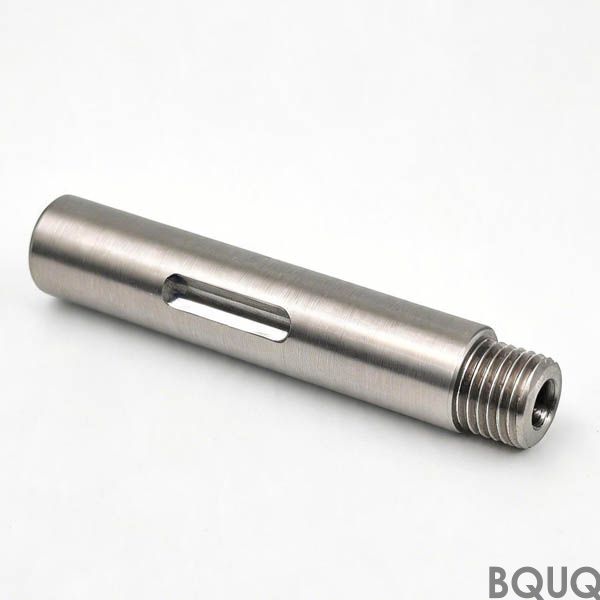
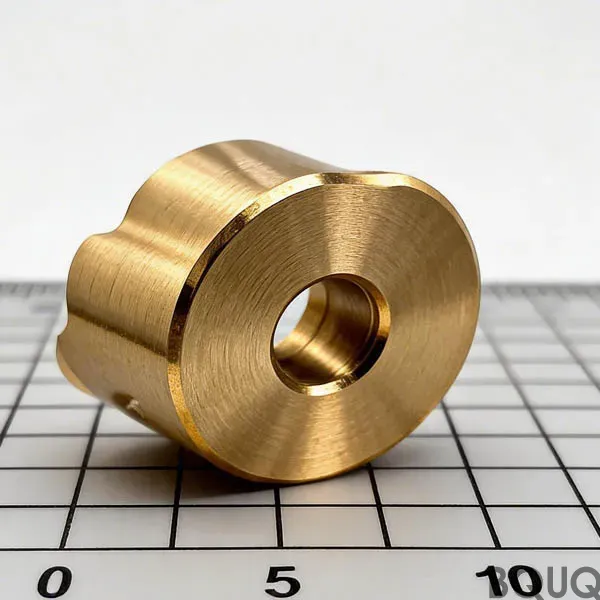
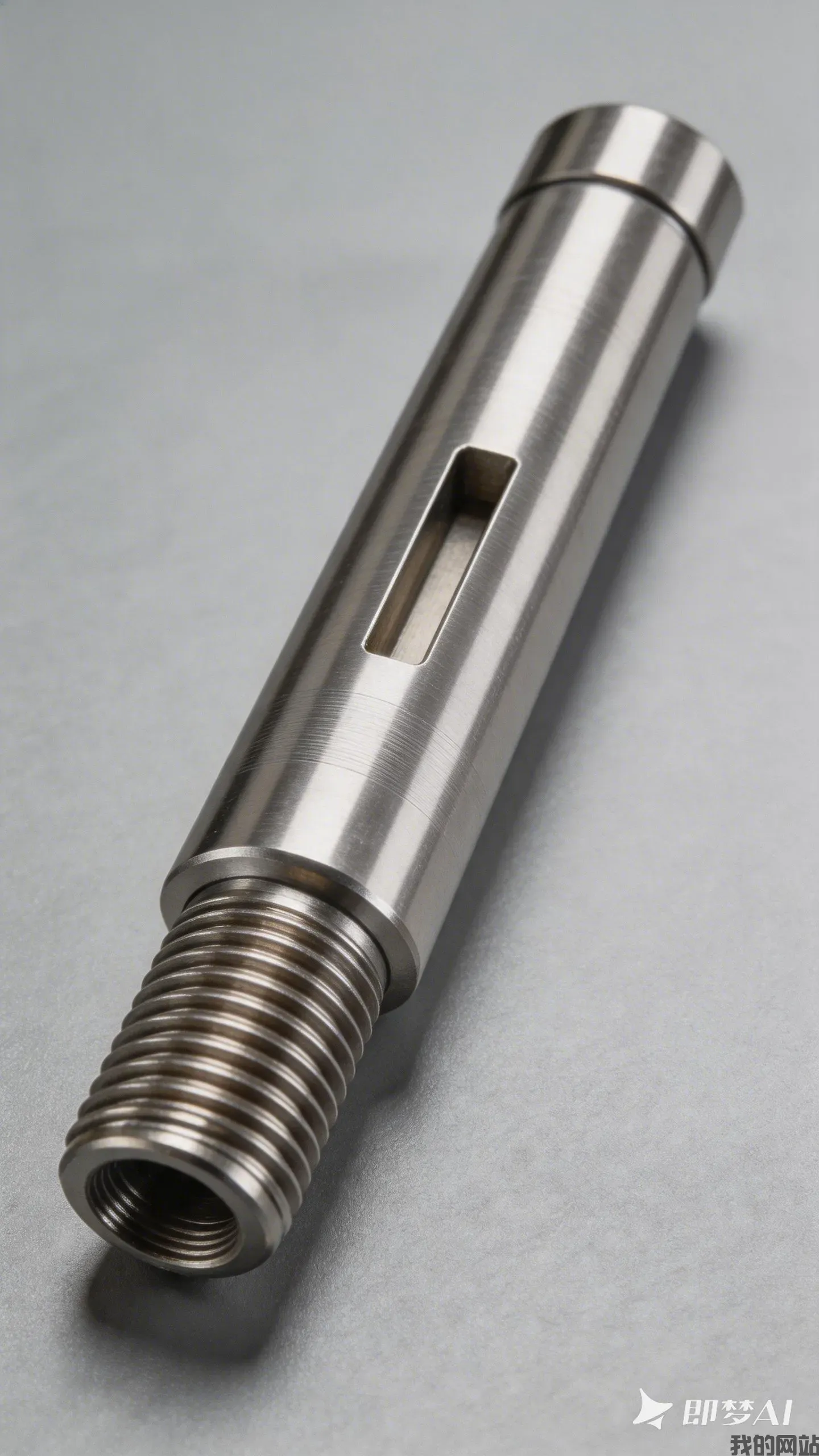
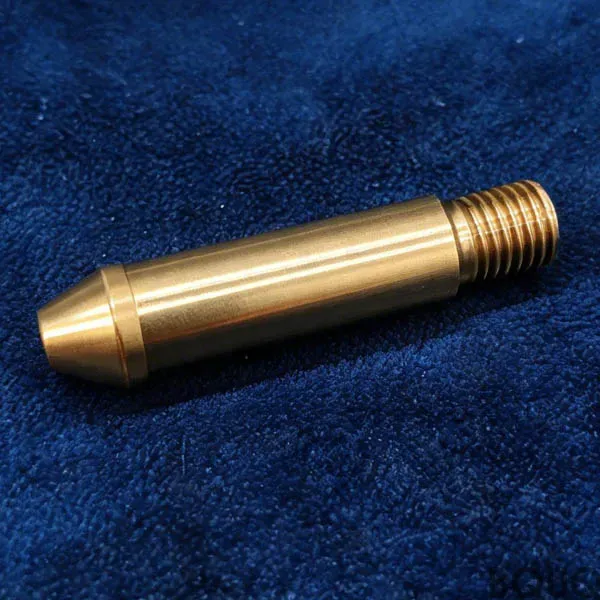
CNC (Computer Numerical Control) precision turning is a subtractive manufacturing process where a cutting tool removes material from a rotating workpiece to create cylindrical parts. The process is guided by computer-aided design (CAD) models, enabling tight tolerances and repeatable accuracy. CNC turned parts include screws, pins, connectors, bushings, and other components that often have complex geometries and critical dimensions.
Why Medical Devices Rely on CNC Turning
Medical devices demand exceptional quality and consistency. CNC turning offers several advantages that make it the preferred method for medical component production:
High Precision: Tolerances can be held within ±0.0005 inches (0.013 mm), meeting stringent medical requirements.
Repeatability: Once programmed, machines produce identical parts consistently, essential for large-scale production.
Material Versatility: CNC turning works with medical-grade materials like stainless steel (316L, 304), titanium alloys, cobalt-chrome, and plastics (PEEK, PTFE).
Complex Geometries: Advanced CNC lathes can produce intricate features such as threads, grooves, and contours in a single setup.
Surface Finishes: Achieve smooth finishes (down to Ra 0.2 µm) required for biocompatibility and reduced friction.
Key Considerations for CNC Turned Medical Components
Material Selection
Choosing the right material is critical. Medical devices often require biocompatibility, corrosion resistance, and mechanical strength. Common materials include:
Stainless Steel (316L): Excellent corrosion resistance and biocompatibility; used for surgical instruments and implants.
Titanium (Ti-6Al-4V): Lightweight, high strength, and osseointegration properties; ideal for orthopedic and dental implants.
Cobalt-Chrome: Superior wear resistance and strength; used in joint replacements and dental prosthetics.
Medical Plastics (PEEK, UHMWPE): Flexible, radiolucent, and chemical resistant; suitable for non-load-bearing components.
Tolerances and Precision
Medical devices often require tolerances as tight as ±0.001 inches or less. CNC turning achieves this through rigid machine construction, precise cutting tools, and in-process inspection. Practical tip: Always specify tolerance requirements on your engineering drawings and discuss with your manufacturer early to ensure capability.
Surface Finish and Cleanliness
Surface roughness affects biofilm formation, friction, and wear. For medical implants, a mirror finish (Ra < 0.4 µm) may be necessary. Additionally, parts must be free of burrs, contaminants, and machining residues. Cleanliness protocols such as ultrasonic cleaning and packaging in ISO Class 7 or better cleanrooms are often required.
Common Medical Applications of CNC Turned Parts
Implants
Orthopedic implants like hip stems, knee trays, and bone screws are often CNC turned from titanium or cobalt-chrome. Dental implants also rely on precision turning for abutments and screws. The threaded features demand exacting accuracy to ensure proper fit and osseointegration.
Surgical Instruments
Forceps, clamps, needle holders, and retractors contain turned components such as pivot pins, ratchets, and handles. CNC turning provides the necessary durability and sharpness for repeated sterilization cycles.
Diagnostic Equipment
Components for MRI machines, CT scanners, and ultrasound devices require precision turned parts like connectors, sleeves, and probes. These parts often involve complex geometries and non-magnetic materials to avoid interference with imaging.
Quality Standards and Regulatory Compliance
Medical device manufacturers must comply with ISO 13485 (quality management), FDA 21 CFR Part 820, and EU MDR. CNC turned parts should be accompanied by certificates of analysis, material certifications, and traceability documentation. In-process quality checks (e.g., CMM, optical inspection) ensure every part meets specifications. Practical tip: Partner with a CNC shop that is ISO 13485 certified and experienced in medical device production.
Tips for Choosing a CNC Turning Partner for Medical Devices
Verify Certifications: Look for ISO 13485, AS9100 (if aerospace/medical crossover), and FDA registration.
Assess Capabilities: Ensure they have multi-axis CNC lathes, live tooling, and Swiss-type machines for complex parts.
Quality Assurance: Ask about their inspection equipment (CMM, optical comparators, surface testers) and statistical process control.
Material Sourcing: Confirm they use certified medical-grade materials from reputable suppliers.
Cleanroom Facilities: For implants and sterile devices, a cleanroom environment (ISO 7 or better) is mandatory.
Communication: Choose a partner who provides clear DFM (Design for Manufacturing) feedback and supports prototyping.
CNC precision turned parts are indispensable in the medical industry, enabling the production of life-saving devices with unmatched accuracy and reliability. By understanding the material choices, tolerance requirements, and regulatory landscape, you can ensure your medical components meet the highest standards. Whether you are developing a new implant or optimizing surgical instruments, partnering with a skilled CNC turning manufacturer is the key to success.
Frequently Asked Questions
What tolerance levels can you achieve for CNC precision turned medical parts?
Our CNC turning process can hold tolerances within ±0.0005 inches (0.013 mm), meeting stringent medical requirements. For specific components, tolerances can be as tight as ±0.001 inches, ensuring the high precision needed for reliable medical device performance.
Which medical-grade materials do you work with for turned components?
We work with medical-grade materials including stainless steel (316L, 304), titanium alloys (Ti-6Al-4V), cobalt-chrome, and medical plastics like PEEK and PTFE. These materials offer biocompatibility, corrosion resistance, and mechanical strength suitable for surgical instruments, implants, and other medical devices.
What surface finish can you achieve on medical turned parts?
We can achieve smooth surface finishes down to Ra 0.2 µm, which is required for biocompatibility and reduced friction in medical applications. This level of finish helps ensure parts meet the strict quality and performance standards of the medical industry.
Can you produce complex geometries like threads and grooves in a single setup?
Yes, our advanced CNC lathes can produce intricate features such as threads, grooves, and contours in a single setup. This capability ensures high repeatability and accuracy for complex cylindrical parts like screws, pins, and connectors used in medical devices.