Compare costs of custom metal stamping vs CNC machining. Learn which method saves money based on volume, complexity, and precision. Get expert recommendation.
Custom Metal Stamping vs CNC Machining Cost Comparison
Introduction
In the world of metal parts manufacturing, two dominant processes stand out: custom metal stamping and CNC machining. Each method offers distinct advantages and cost structures, making the choice critical for manufacturers seeking to balance quality, volume, and budget. This article provides an in-depth cost comparison between custom metal stamping and CNC machining, analyzing factors such as tooling, production volume, material utilization, labor, and lead times. By the end, you'll have a clear recommendation to guide your decision.
Overview of Custom Metal Stamping
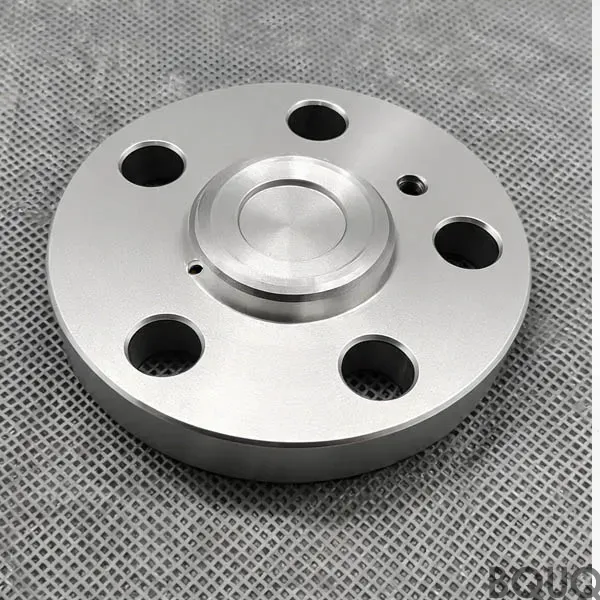
Custom metal stamping involves feeding a metal sheet into a stamping press where a die shapes the metal into the desired form. It is ideal for high-volume production of parts with consistent geometry, such as brackets, enclosures, and automotive components. The initial tooling cost (die creation) is high, but per-unit cost drops significantly with volume.
Overview of CNC Machining
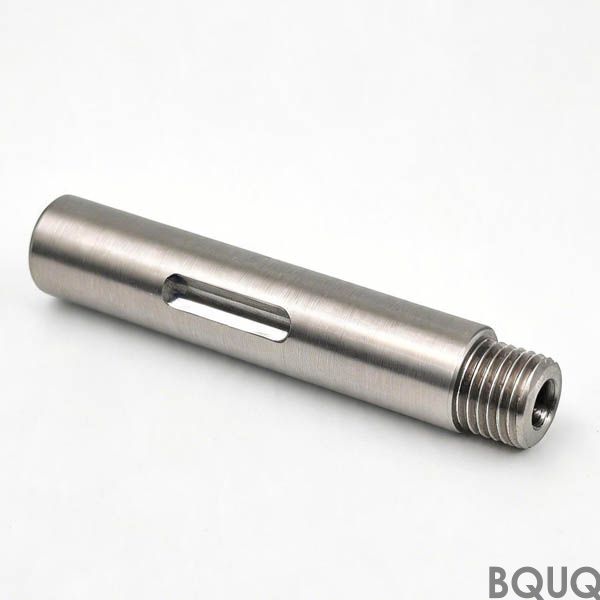
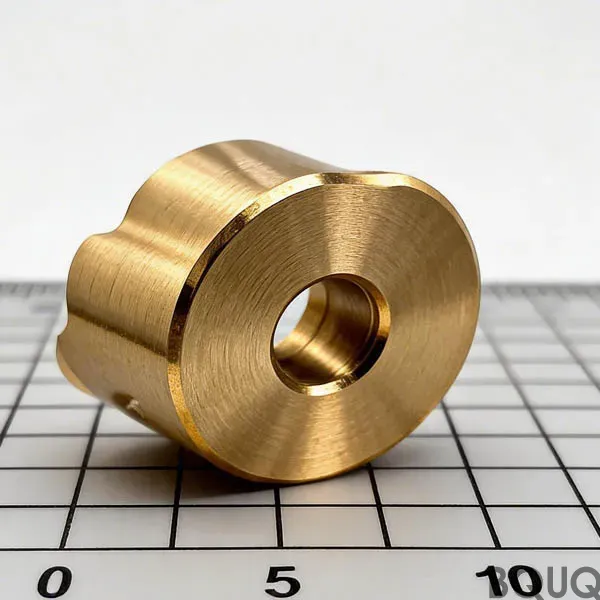
CNC (Computer Numerical Control) machining is a subtractive process where a computer-controlled machine removes material from a solid block (blank) to create a part. It excels in low-to-medium volumes, complex geometries, tight tolerances, and rapid prototyping. Tooling costs are relatively low (e.g., workholding fixtures), but machining time per unit is higher.
Cost Comparison Factors
We compare the two processes across key cost drivers using the table below.
| Cost Factor | Custom Metal Stamping | CNC Machining |
|---|---|---|
| Tooling/Setup Cost | High ($1,000–$50,000 for dies) | Low ($100–$1,000 for fixtures) |
| Per-Unit Cost at Low Volume (1–100 pcs) | Very high (due to tooling amortization) | Moderate–high (setup time dominates) |
| Per-Unit Cost at Medium Volume (100–10,000 pcs) | Decreases rapidly; competitive | Stable but higher per unit than stamping |
| Per-Unit Cost at High Volume (>10,000 pcs) | Very low (amortized tooling) | High (machining time per part) |
| Material Utilization | Very high (minimal scrap; progressive dies) | Moderate (up to 50% scrap, but recyclable) |
| Labor Requirement | Low after setup; automated | Moderate (machine tending, programming) |
| Lead Time | Longer for tooling (2–8 weeks); short per part | Short for low volumes (days); longer for high volumes |
| Design Complexity | Limited by die geometry; best for 2D shapes | Unlimited 3D complexity |
| Tolerance/Precision | ±0.005" typical (can be tighter) | ±0.0005" possible |
| Material Options | Mostly sheet metals (steel, aluminum, brass) | Any machinable material (metals, plastics, composites) |
Detailed Cost Analysis
Tooling Costs
Stamping requires custom dies, which are expensive and time-consuming to manufacture. For short runs, this cost can be prohibitive. CNC machining requires only standard tooling (end mills, drills) and workholding fixtures, which are inexpensive. However, for very high volumes, stamping's tooling cost per part becomes negligible.
Per-Unit Costs by Volume
Let's consider a typical metal bracket (size 4" x 3" x 0.0625").
1–100 units: Stamping: $10–$50 per part (tooling spread). CNC: $5–$15 per part. CNC wins.
1,000 units: Stamping: $0.50–$2 per part. CNC: $3–$8 per part. Stamping becomes cheaper.
10,000 units: Stamping: $0.10–$0.50 per part. CNC: $2–$5 per part. Stamping is much cheaper.
100,000+ units: Stamping: pennies per part. CNC: impractical; cost per part remains high.
Material Efficiency
Stamping uses sheet metal efficiently with minimal waste, especially with progressive dies. CNC machining produces chips that can be recycled, but material utilization may be as low as 30-50% for complex parts. Stamping has an edge in material cost for high-volume runs.
Labor and Automation
Stamping presses can run unattended after setup, reducing labor cost per part. CNC machines require more operator attention for part loading/unloading, though automation (robotic tenders) can reduce this. For large orders, stamping's lower labor cost amplifies savings.
When to Use Each Process
Custom Metal Stamping is Best For:
High volume production (10,000+ parts)
Simple 2D shapes (flat parts, bends, shallow draws)
Parts requiring high dimensional consistency
Projects where tooling cost can be amortized over many parts
Metals that are easily formable (steel, aluminum, brass)
CNC Machining is Best For:
Low to medium volumes (1–1,000 parts)
Complex 3D geometries (pockets, threads, contours)
Prototyping and iterative design changes
Tight tolerances (±0.001" or better)
Exotic materials (titanium, stainless steel, plastics)
Quick turnaround without tooling delays
Recommendation
Based on cost analysis, the decision boils down to volume and complexity:
For production runs >5,000 parts with simple features, choose custom metal stamping. The high tooling cost is offset by low per-unit price, making it the most economical choice.
For low volumes or complex parts, choose CNC machining. It offers flexibility, speed, and precision without heavy upfront investment.
For mixed scenarios, consider a hybrid approach: Use stamping for high-volume simple components and CNC for secondary operations (e.g., drilling or tapping) or for complex parts within the assembly.
At our facility, we specialize in both processes. Contact us to get a tailored quote based on your specific part design and volume requirements.
Conclusion
Both custom metal stamping and CNC machining have their place in metal fabrication. Understanding the cost dynamics allows you to optimize your manufacturing strategy. Evaluate your volume, complexity, and tolerance needs, then select the process that offers the best total cost. For expert guidance, our team is ready to assist you in choosing the most cost-effective solution for your metal parts.
Frequently Asked Questions
What is the typical tooling cost difference between custom metal stamping and CNC machining?
Custom metal stamping has high tooling costs, ranging from $1,000 to $50,000 for dies, while CNC machining has low tooling costs, typically $100 to $1,000 for fixtures. This makes stamping more expensive upfront but cost-effective at high volumes.
Which process is more cost-effective for low-volume production of 1–100 parts?
For low volumes of 1–100 parts, CNC machining has a moderate-to-high per-unit cost, while custom metal stamping has a very high per-unit cost due to tooling amortization. CNC machining is generally the more economical choice for small batches.
What are the tolerance capabilities of each manufacturing method?
Custom metal stamping typically achieves tolerances of ±0.005 inches, which can be tightened if needed. CNC machining offers higher precision, with tolerances down to ±0.0005 inches, making it suitable for applications requiring extremely tight dimensional control.
How does material utilization compare between metal stamping and CNC machining?
Custom metal stamping offers very high material utilization with minimal scrap, especially when using progressive dies. CNC machining has moderate utilization, with up to 50% scrap, though the scrap is recyclable. Stamping is more material-efficient overall.