Learn how metal stamping powers custom spring manufacturing: types, materials, design tips, and quality control. Expert guide from a leading metal stamping company.
Custom Spring Manufacturing: The Role of Metal Stamping
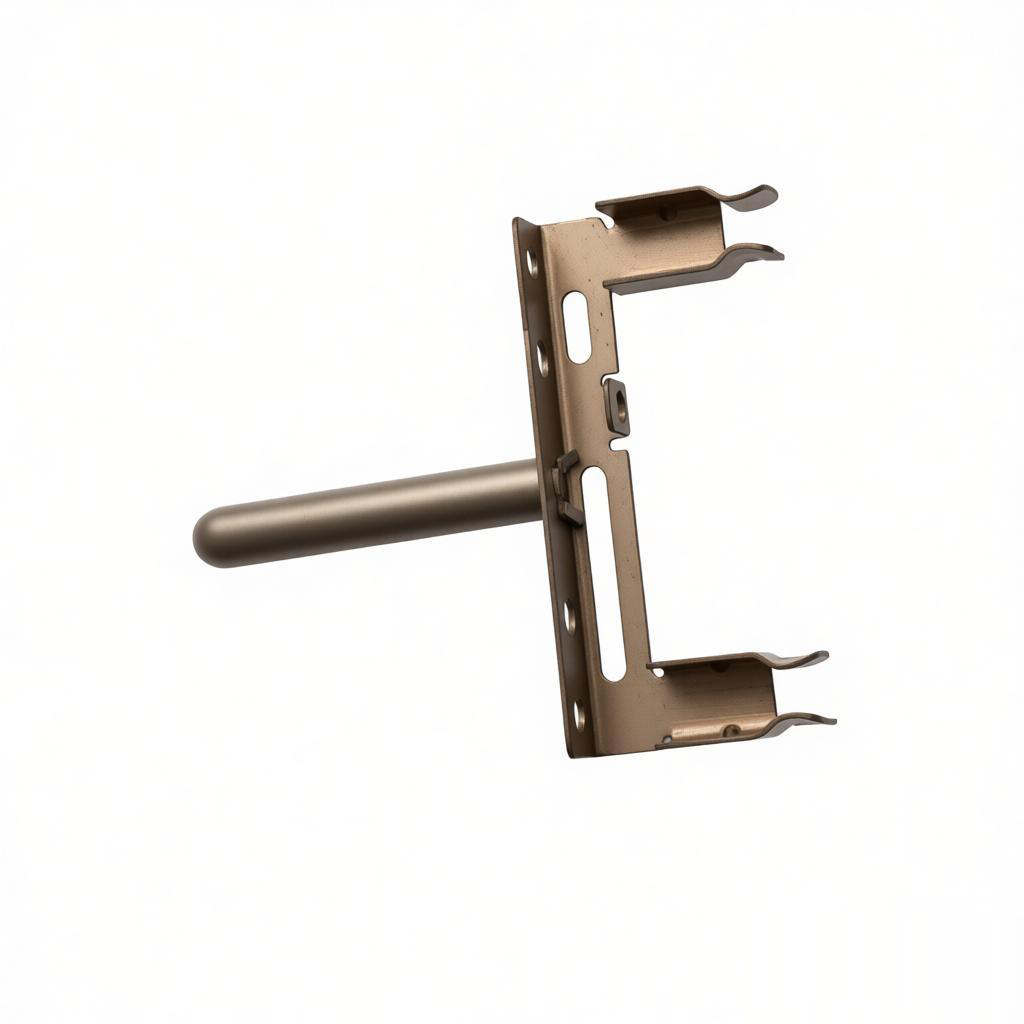
Introduction to Custom Spring Manufacturing and Metal Stamping
Springs are essential components in countless mechanical devices, from automotive suspensions to electronic switches. While traditional spring manufacturing often involves coiling wire, custom spring manufacturing increasingly relies on metal stamping processes to produce high-precision, cost-effective springs. Metal stamping offers unique advantages for creating springs with complex geometries, tight tolerances, and high-volume production capabilities. This comprehensive guide explores the role of metal stamping in custom spring manufacturing, covering materials, design tips, quality control, and more.
What Is Metal Stamping and How Does It Apply to Springs?
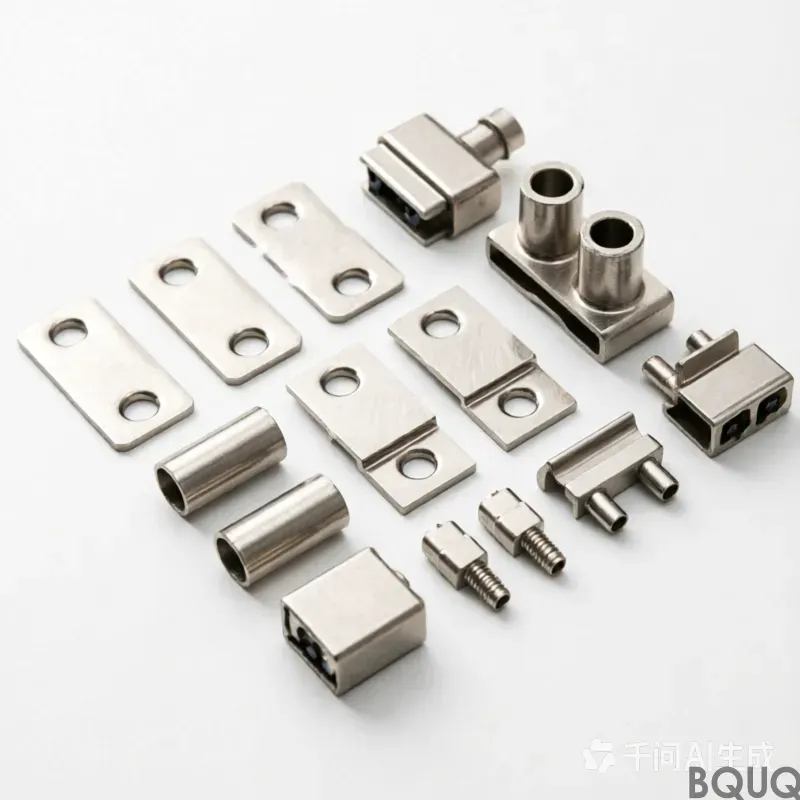
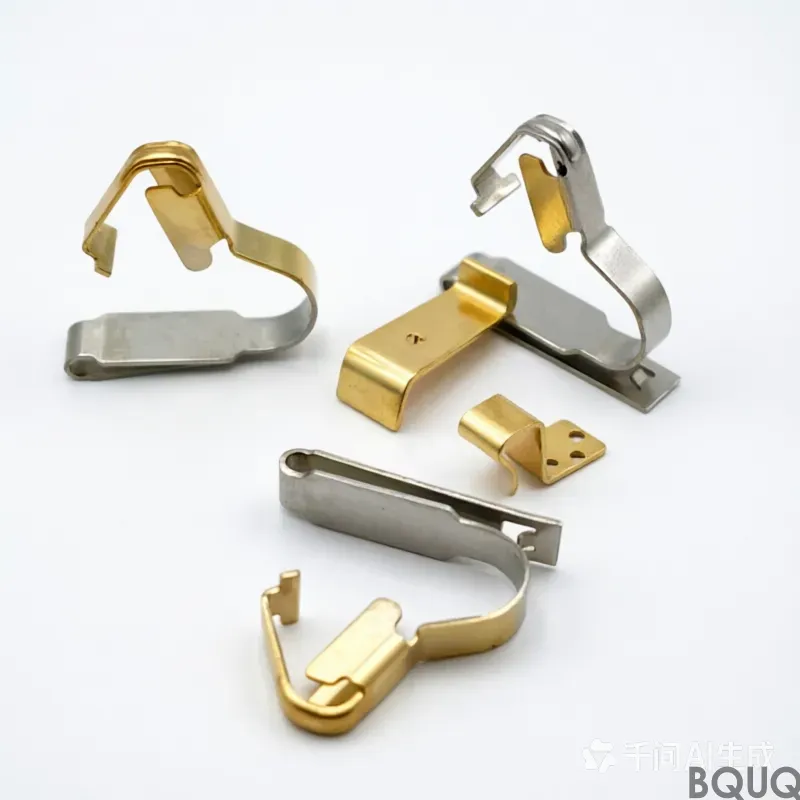
Metal stamping is a manufacturing process that uses presses and dies to shape flat metal sheets into desired forms. The process includes operations such as blanking, punching, bending, coining, and forming. For spring manufacturing, metal stamping is particularly suited for producing leaf springs, spring clips, contact springs, shrapnel, and other flat or formed spring components. Unlike wire springs, stamped springs are made from sheet metal, offering greater design flexibility and the ability to integrate multiple features into a single part.
Types of Springs Manufactured via Metal Stamping
Metal stamping can produce a wide variety of spring types, each tailored to specific applications:
Leaf Springs: Used in automotive suspensions and industrial machinery, leaf springs are curved strips of metal that absorb and store energy.
Spring Clips (Retaining Rings): These are used to secure components on shafts or in bores. Stamping allows for precise dimensions and consistent spring force.
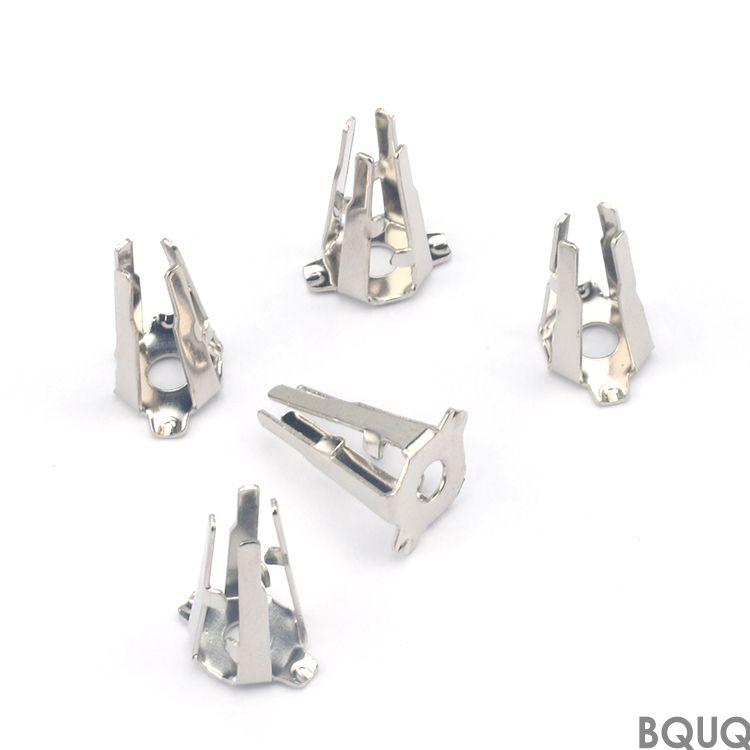
Contact Springs (Shrapnel): Found in switches, relays, and connectors, these springs ensure reliable electrical contact. Stamping creates intricate shapes with high repeatability.
Belleville Washers: Conical-shaped washers that provide high load capacity in limited spaces. They are often produced by stamping and then heat-treated.
Custom Flat Springs: Any flat spring geometry can be achieved, including zigzag, wave, or cantilever designs.
Materials Used in Stamped Springs
The choice of material is critical for spring performance. Common materials include:
Spring Steel (e.g., 1075, 1095): High carbon content provides excellent elasticity and fatigue resistance. Ideal for high-stress applications.
Stainless Steel (e.g., 301, 304, 316): Corrosion-resistant and suitable for medical, food, and marine environments. Stainless has lower conductivity but good spring properties.
Phosphor Bronze: Combines good electrical conductivity with moderate spring properties. Used in electrical contacts.
Beryllium Copper: Offers high strength, corrosion resistance, and excellent electrical conductivity. Used in high-performance connectors and switches.
Inconel and Hastelloy: Nickel-based superalloys for high-temperature and corrosive environments, such as aerospace or chemical processing.
Design Considerations for Stamped Springs
Optimizing a stamped spring design requires attention to several factors:
Material Thickness: The thickness of the sheet metal affects spring force, fatigue life, and formability. Thicker stock provides higher force but may require larger radius bends to avoid cracking.
Bend Radius: A minimum bend radius (typically 1-2 times material thickness) prevents stress concentration and fracture. Use a larger radius for high-cycle applications.
Grain Direction: Bending perpendicular to the grain direction increases strength but may cause cracking. For critical parts, orient the grain parallel to the bend axis.
Spring Rate and Load: The spring rate is determined by geometry (width, thickness, length) and material modulus. Finite element analysis (FEA) can predict performance accurately.
Tolerance Stack-up: Stamping dies can achieve tolerances as tight as ±0.05 mm, but tighter tolerances increase cost. Define critical dimensions carefully.
Burr Direction: Stamping creates burrs on the cut edge. Design so that burrs do not interfere with mating surfaces or cause stress risers.
Advantages of Metal Stamping for Custom Springs
Choosing metal stamping over traditional wire forming offers several benefits:
High Production Speed: Progressive dies can produce hundreds of parts per minute, making stamping ideal for large volumes.
Consistency: Each part is identical, ensuring uniform spring characteristics across batches.
Complex Geometry: Stamping can create intricate shapes with holes, tabs, ribs, and bends in a single operation, reducing assembly steps.
Material Efficiency: Stamping minimizes scrap through optimized nesting and can use less expensive sheet materials.
Cost-Effectiveness: For medium to high volumes, stamping has lower per-part cost than machining or hand-forming.
Quality Control in Stamped Spring Manufacturing
To ensure reliable springs, manufacturers implement rigorous quality control measures:
Material Certification: Verify mechanical properties and chemical composition of incoming materials.
Dimensional Inspection: Use coordinate measuring machines (CMM) and optical comparators to check critical dimensions.
Load Testing: Measure spring force at specified deflections using load cells or force gauges.
Fatigue Testing: Subject samples to cyclic loading to estimate service life.
Heat Treatment Verification: For hardened springs, check hardness (Rockwell or Vickers) and decarburization depth.
Visual Inspection: Check for surface defects, burrs, cracks, or discoloration.
Applications of Custom Stamped Springs
Stamped springs are found in virtually every industry:
| Industry | Applications |
|---|---|
| Automotive | Leaf springs, clutch springs, seat belt retractors, door lock springs |
| Electronics | Battery contacts, SIM card springs, switch contacts, connector springs |
| Medical Devices | Surgical instruments, spring-loaded devices, catheter components |
| Aerospace | Actuator springs, valve springs, fuel system components |
| Industrial Machinery | Brake springs, pressure relief springs, conveyor belt retainers |
| Consumer Goods | Toys, appliance latches, furniture hinges |
Tips for Choosing a Custom Spring Manufacturer
When selecting a partner for your custom stamped springs, consider these factors:
Experience and Expertise: Look for a manufacturer with a proven track record in spring stamping and metal forming. Ask for case studies or samples.
Equipment Capabilities: Verify they have high-speed presses, progressive dies, and CNC tooling to handle your complexity and volume.
Material Sourcing: Ensure they can procure the required materials with proper certifications.
Design Support: A good manufacturer will offer design for manufacturability (DFM) feedback to reduce costs and improve performance.
Quality Certifications: ISO 9001 or IATF 16949 indicates a commitment to quality systems.
Lead Times and Minimum Order Quantities: Discuss these upfront to ensure alignment with your production schedule.
Secondary Operations: Can they provide heat treating, plating, coating, or assembly? One-stop shops simplify logistics.
Conclusion
Metal stamping plays a vital role in custom spring manufacturing, enabling the production of precise, durable, and cost-effective springs for a wide range of applications. By understanding the process, materials, design principles, and quality requirements, you can leverage stamping to create springs that meet your exact specifications. Whether you need leaf springs for heavy machinery or tiny contact springs for electronics, partnering with an experienced stamper ensures reliable performance and consistent quality. Contact us today to discuss your custom spring project and discover how metal stamping can bring your designs to life.
Frequently Asked Questions
What types of springs can be manufactured using metal stamping?
Metal stamping can produce leaf springs, spring clips (retaining rings), contact springs (shrapnel), Belleville washers, and custom flat springs. These are made from sheet metal, allowing complex geometries and integrated features in a single part.
What materials are commonly used for stamped springs?
Common materials include spring steel (e.g., 1075, 1095) for high elasticity and fatigue resistance, and stainless steel (e.g., 301, 304, 316) for corrosion resistance in medical, food, or marine environments.
How does metal stamping benefit custom spring manufacturing?
Metal stamping offers high-precision, cost-effective production with tight tolerances and high-volume capability. It enables complex geometries and repeatability, making it ideal for leaf springs, clips, and contact springs.
What operations are involved in metal stamping for springs?
The process includes blanking, punching, bending, coining, and forming. These operations shape flat metal sheets into spring components like Belleville washers or custom flat springs, often followed by heat treatment.