Expert guide on custom stamped metal power contact spring battery clips. Learn design, manufacturing, and how to choose a reliable factory for your needs. Get started today!
custom stamped metal power contact spring battery clip factory
In the world of electronic and electrical devices, reliable power transmission is critical. One often overlooked but essential component is the stamped metal power contact spring battery clip. These small but mighty parts ensure secure battery connections, consistent power flow, and device longevity. This comprehensive guide dives into the intricacies of custom stamped metal power contact spring battery clips, from design to manufacturing, and how a specialized factory can deliver high-quality solutions for your applications.
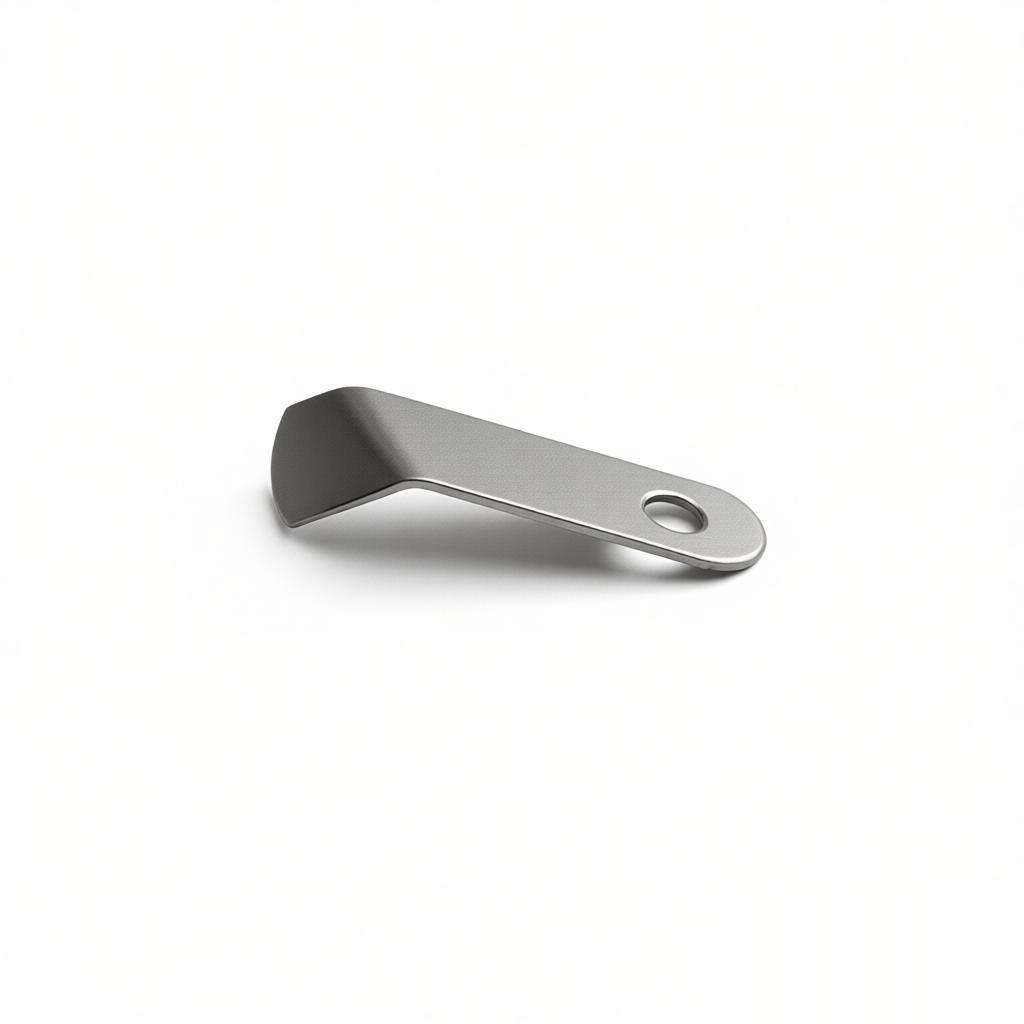
What Are Stamped Metal Power Contact Spring Battery Clips?
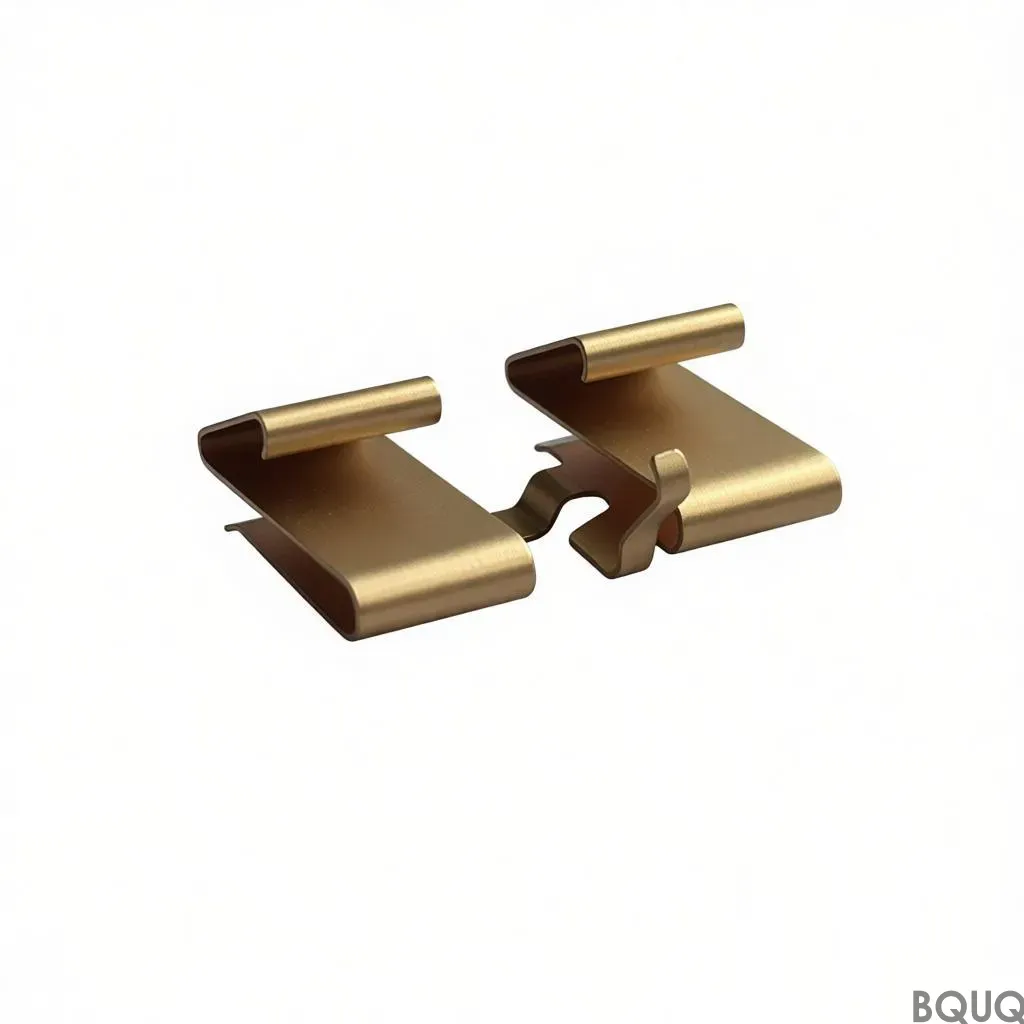
Stamped metal power contact spring battery clips are precision-engineered components used to hold batteries in place and establish electrical contact. They are typically made from thin metal strips that are stamped, formed, and sometimes plated to achieve specific mechanical and electrical properties. These clips feature spring-like characteristics that apply consistent pressure on battery terminals, ensuring low resistance contact even under vibration or temperature changes.
Common materials include phosphor bronze, beryllium copper, stainless steel, and nickel-plated steel. The choice depends on conductivity requirements, corrosion resistance, and cost constraints. Custom factories can tailor the clip's geometry, thickness, plating, and spring force to meet unique device specifications.
The Manufacturing Process
1. Design and Engineering
The journey begins with understanding the battery type (AA, AAA, coin cell, lithium) and the device's mechanical and electrical requirements. Engineers use CAD to design the clip's shape, spring deflection, and contact points. Finite Element Analysis (FEA) may be employed to optimize stress distribution and ensure long-term reliability.
2. Material Selection
Choosing the right material is crucial. For high-current applications, copper alloys with excellent conductivity are preferred. For harsh environments, stainless steel or plated materials offer corrosion resistance. The factory should offer a range of materials and surface finishes, such as tin, gold, or silver plating.
3. Stamping and Forming
Progressive die stamping is typical for high-volume production. A strip of metal is fed through a series of stations that cut, bend, and form the clip. The die design ensures consistent dimensions and spring properties. Precision is paramount; tolerances often range from ±0.05 mm to ±0.1 mm.
4. Heat Treatment (Optional)
Some materials, like beryllium copper, require heat treatment to achieve desired spring characteristics. This process relieves internal stresses and sets the material's elasticity.
5. Surface Finishing
Plating enhances conductivity and protects against oxidation. Common finishes include nickel, tin, and gold. The factory must control plating thickness to avoid dimensional changes that could affect contact pressure.
6. Quality Inspection
Every batch undergoes rigorous inspection, including dimensional checks, spring force measurement, contact resistance testing, and visual examination for defects. Advanced factories use automated optical inspection (AOI) and coordinate measuring machines (CMM).
Advantages of Custom Stamped Clips
Perfect Fit: Custom clips are designed to match your battery compartment exactly, ensuring secure retention and optimal contact.
Optimized Performance: Spring force, contact resistance, and current capacity can be tailored to your device's power requirements.
Cost-Effectiveness: High-volume stamping reduces per-unit cost, and custom designs eliminate the need for additional brackets or hardware.
Reliability: Precision manufacturing ensures consistent quality batch after batch, reducing field failures.
Innovation: Custom designs can incorporate features like polarity indicators, keying, or dual-contact points for redundant connections.
Key Design Considerations
| Parameter | Importance | Tips |
|---|---|---|
| Spring Force | Must apply enough pressure to maintain contact without damaging battery terminals. | Use FEA to simulate force over the clip's lifecycle. |
| Contact Resistance | Low resistance reduces heat generation and power loss. | Specify plating material (e.g., gold for critical applications). |
| Insertion/Extraction Force | Should be user-friendly yet secure. | Balance spring constant with battery retention. |
| Durability | Must withstand repeated battery changes and environmental factors. | Choose corrosion-resistant materials and test for cycle life. |
| Space Constraints | Compact designs are often required. | Consider vertical or side-mount configurations. |
Practical Tip: Work with your factory early to review the design for manufacturability (DFM). This avoids costly tooling changes later.
Quality Control in Production
A reputable custom stamped metal power contact spring battery clip factory implements stringent QC measures:
Incoming Material Inspection: Verify material composition, thickness, and mechanical properties.
In-Process Monitoring: Real-time checks of stamping parameters (tonnage, speed) and periodic sampling.
Final Inspection: 100% visual inspection plus statistical sampling for dimensions and spring force.
Testing: Contact resistance measurement (milliohm meter), insertion/withdrawal force testing, and environmental stress tests (temperature, humidity).
Look for factories with ISO 9001 certification and IATF 16949 for automotive applications.
Applications
Custom stamped battery clips are found in countless devices:
Consumer Electronics: Remote controls, toys, flashlights, wireless keyboards.
Medical Devices: Glucose meters, hearing aids, portable monitors (require high reliability).
Industrial Tools: Cordless power tools, measuring instruments.
Automotive: Key fobs, TPMS sensors, emergency lights.
IoT Devices: Smart sensors, wearables, beacons (demanding miniaturization).
Choosing the Right Custom Factory
When selecting a factory for your custom stamped metal power contact spring battery clip, consider these factors:
Experience: Look for a history of producing similar parts. Ask for case studies or samples.
Capabilities: In-house tooling, stamping, plating, and testing centers streamline production and reduce lead times.
Quality Certifications: ISO 9001 is a minimum; IATF 16949 or ISO 13485 are pluses for regulated industries.
Communication: Clear communication is vital for custom projects. Ensure they assign a dedicated engineer.
Lead Times and MOQ: Verify minimum order quantities and typical turnaround times, especially for prototypes.
Cost Transparency: Request a detailed quote that breaks down tooling, per-part cost, and any setup fees.
Practical Tip: Order prototypes before full production. Test them in your device to confirm fit, force, and electrical performance.
Conclusion
Custom stamped metal power contact spring battery clips are indispensable for modern electronics. By partnering with an experienced factory, you can achieve a design that maximizes performance, reliability, and cost-efficiency. Whether you are developing a new medical device or a consumer gadget, investing in custom clips tailored to your specifications will pay dividends in product quality and customer satisfaction. Start your project today with a trusted custom stamping manufacturer.
Frequently Asked Questions
What materials are commonly used for stamped metal power contact spring battery clips?
Common materials include phosphor bronze, beryllium copper, stainless steel, and nickel-plated steel. The choice depends on conductivity needs, corrosion resistance, and cost. For high-current applications, copper alloys are preferred, while stainless steel or plated materials suit harsh environments. Surface finishes like tin, gold, or silver plating can be applied.
What tolerances can I expect for custom stamped battery clips?
Precision is critical in progressive die stamping. Tolerances typically range from ±0.05 mm to ±0.1 mm. The die design ensures consistent dimensions and spring properties, and custom factories can tailor geometry, thickness, plating, and spring force to meet your device specifications.
How do you ensure the spring force and reliability of the clips?
Engineers use CAD and Finite Element Analysis (FEA) to optimize stress distribution and spring deflection. For materials like beryllium copper, optional heat treatment relieves internal stresses and sets elasticity. This ensures consistent pressure on battery terminals, maintaining low resistance contact under vibration or temperature changes.
Can you customize clips for different battery types like AA or coin cell?
Yes. The design process starts by understanding the battery type—AA, AAA, coin cell, or lithium—and the device's mechanical and electrical requirements. Custom factories tailor the clip's geometry, thickness, plating, and spring force to meet unique specifications for your application.