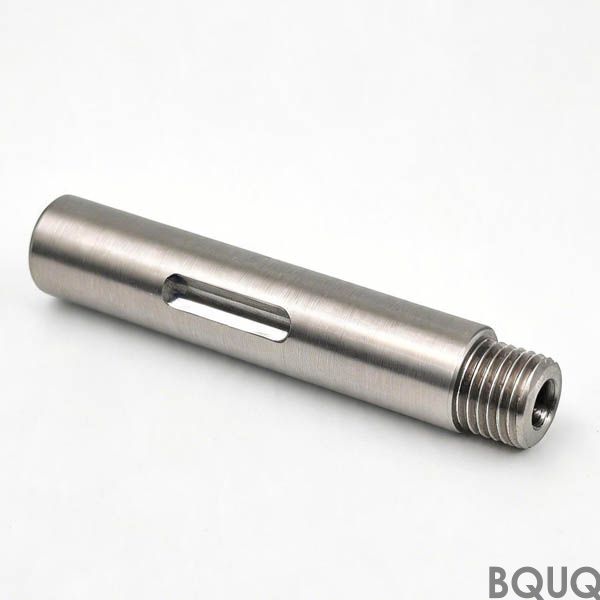
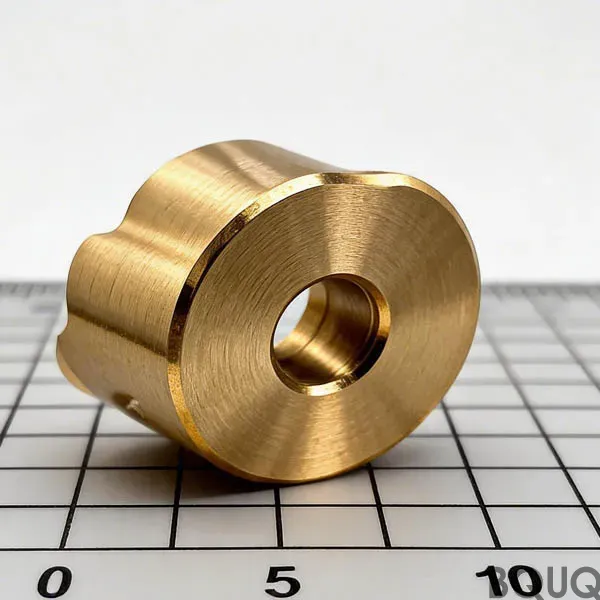
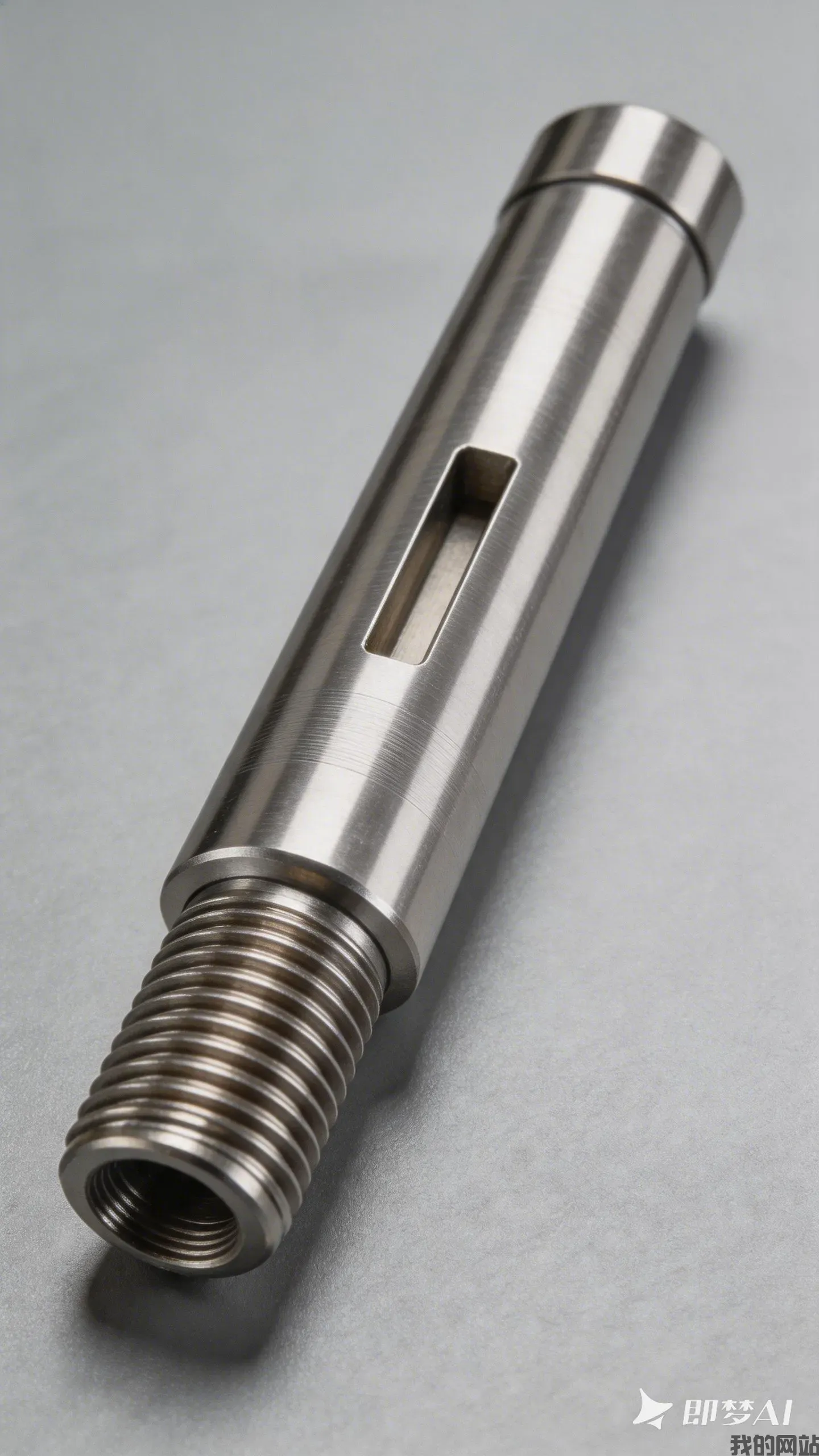
Discover the top benefits of high volume CNC machining for automotive parts. Enhance precision, reduce costs, and scale production efficiently. Get a quote today!
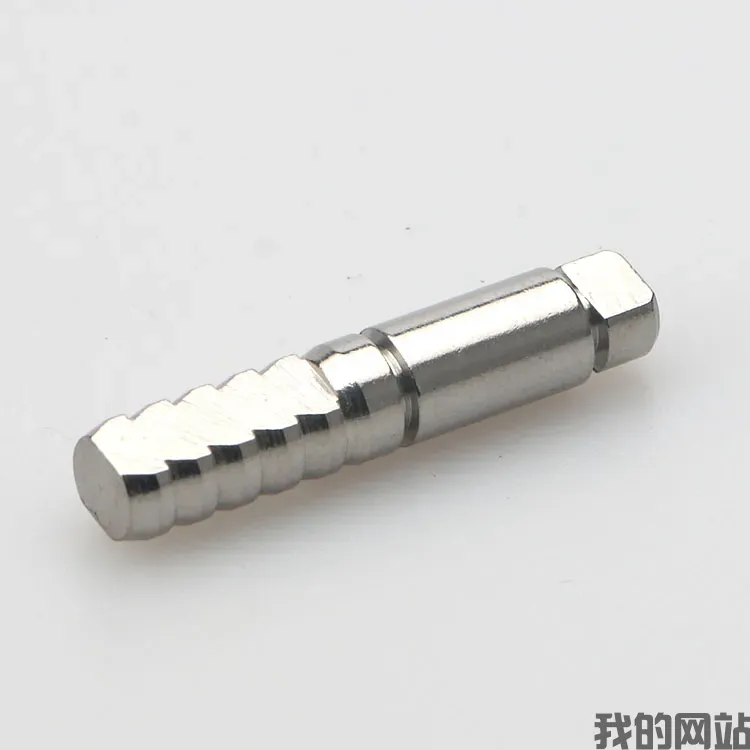
High Volume CNC Machining for Automotive Parts: Key Benefits
High volume CNC machining has become a cornerstone of modern automotive manufacturing, offering unparalleled efficiency and quality for mass-produced components. From engine parts to transmission systems, this technology delivers consistent results at scale. Below, we explore the key benefits that make high volume CNC machining an essential process for automotive parts production.
1. Unmatched Precision and Consistency
One of the primary advantages of high volume CNC machining is its ability to maintain tight tolerances across thousands of parts. Automotive components, such as pistons, gears, and brake calipers, require exact specifications to ensure safety and performance. CNC machines operate with micron-level accuracy, reducing variation between parts. This consistency is critical for assembly lines, where even minor deviations can lead to costly rework or failure.
Modern CNC machines use advanced feedback systems and tool compensation to maintain precision over long production runs. For high volume orders, this means each part is virtually identical to the first one produced, ensuring reliable fit and function in complex automotive assemblies.
2. Cost-Effectiveness at Scale
While the initial setup for CNC machining can be higher than some alternative methods, the per-unit cost decreases dramatically with volume. Once the machine is programmed and tooled, it can run unattended for extended periods, drastically reducing labor costs. For automotive parts, where thousands or millions of units are needed, the amortization of setup costs makes CNC machining highly economical.
Additionally, CNC machining minimizes scrap rates through precise material removal and optimized cutting paths. This efficiency translates into lower material costs, especially when using expensive alloys common in automotive applications. Over the lifecycle of a high volume project, the savings in material and labor can be substantial.
3. Rapid Production Speeds
High volume CNC machining leverages high-speed spindles, multi-axis capabilities, and automated tool changers to achieve fast cycle times. For automotive parts like brackets or housings, a single machine can produce hundreds of parts per hour. This speed is essential for meeting tight production deadlines in the automotive industry, where just-in-time manufacturing is standard.
Moreover, modern CNC machines can perform multiple operations in one setup, reducing handling time and further accelerating throughput. Combined with lights-out manufacturing capabilities, production can continue 24/7, maximizing output without increasing labor costs.
4. Scalability for Growing Demand
As automotive companies scale up production to meet market demands, CNC machining offers flexible scalability. Adding more machines or increasing shift hours can quickly ramp up output without sacrificing quality. This adaptability is crucial for responding to fluctuating orders or new vehicle launches.
CNC programs are digital and easily transferred between machines, so production can be replicated across multiple facilities. This allows for distributed manufacturing, reducing shipping times and logistical complexities. For suppliers, scalability ensures they can support both prototype runs and full-scale production with the same equipment.
5. Material Flexibility
Automotive parts require a wide range of materials, from aluminum and steel to advanced composites and plastics. High volume CNC machining can handle all these materials with appropriate tooling and parameters. Whether it’s lightweight aluminum for fuel efficiency or hardened steel for durability, CNC machines deliver consistent results.
This versatility means manufacturers can switch between materials for different part families without major retooling. Such flexibility is valuable when producing diverse components for various vehicle models, reducing the need for multiple specialized production lines.
6. Complex Geometry Capabilities
Modern automotive designs often feature intricate shapes, deep cavities, and undercuts that are challenging for traditional machining. High volume CNC machines, especially 5-axis models, can create complex geometries in a single setup. This eliminates the need for multiple fixtures and secondary operations, simplifying production.
For example, intake manifolds, cylinder heads, and transmission valve bodies often have complex internal passages. CNC machining can produce these features accurately and repeatedly, ensuring optimal fluid dynamics and performance. The ability to handle complexity without compromising speed is a major benefit for advanced automotive engineering.
7. Reduced Material Waste
Environmental sustainability is increasingly important in automotive manufacturing. High volume CNC machining is inherently efficient, using advanced nesting and toolpath optimization to minimize waste. Compared to forging or casting, CNC subtractive processes can achieve near-net shapes, reducing the amount of material removed.
Furthermore, the precision of CNC machining reduces the risk of defective parts, lowering scrap rates. Many shops also recycle metal chips and coolant, contributing to a circular economy. For automotive companies aiming to reduce their carbon footprint, CNC machining offers a greener solution without compromising quality.
Frequently Asked Questions
How does high volume CNC machining maintain precision across thousands of automotive parts?
High volume CNC machining maintains micron-level accuracy using advanced feedback systems and tool compensation. This ensures each part is virtually identical to the first, with tight tolerances critical for components like pistons, gears, and brake calipers, preventing costly rework or assembly line failures.
What makes CNC machining cost-effective for large-scale automotive production?
Although initial setup costs are higher, per-unit costs drop dramatically with volume. Machines run unattended for extended periods, reducing labor expenses. Precise material removal and optimized cutting paths minimize scrap, especially with expensive alloys, leading to substantial savings over the project lifecycle.
Can high volume CNC machining meet tight automotive production deadlines?
Yes, high-speed spindles, multi-axis capabilities, and automated tool changers enable fast cycle times, producing hundreds of parts per hour. Multiple operations in one setup reduce handling time, and lights-out manufacturing allows 24/7 production, supporting just-in-time delivery standards.
How scalable is CNC machining for fluctuating automotive demand?
CNC machining offers flexible scalability by adding more machines or increasing shift hours to ramp up output quickly without compromising quality. This adaptability helps automotive companies respond efficiently to market demand changes while maintaining consistent part quality.