Learn how to choose an automotive metal stamping parts supplier. Key factors, questions to ask, and red flags. Get expert tips for quality and reliability.
How to Choose an Automotive Metal Stamping Supplier
Choosing the right automotive metal stamping parts supplier is a critical decision that can impact your production efficiency, product quality, and bottom line. With the increasing complexity of vehicle designs and the demand for lightweight, durable components, finding a partner with the right expertise and capabilities is essential. This comprehensive guide will walk you through the key factors to consider, questions to ask, and red flags to avoid when selecting a supplier for your automotive metal stamping needs.
Understanding Automotive Metal Stamping
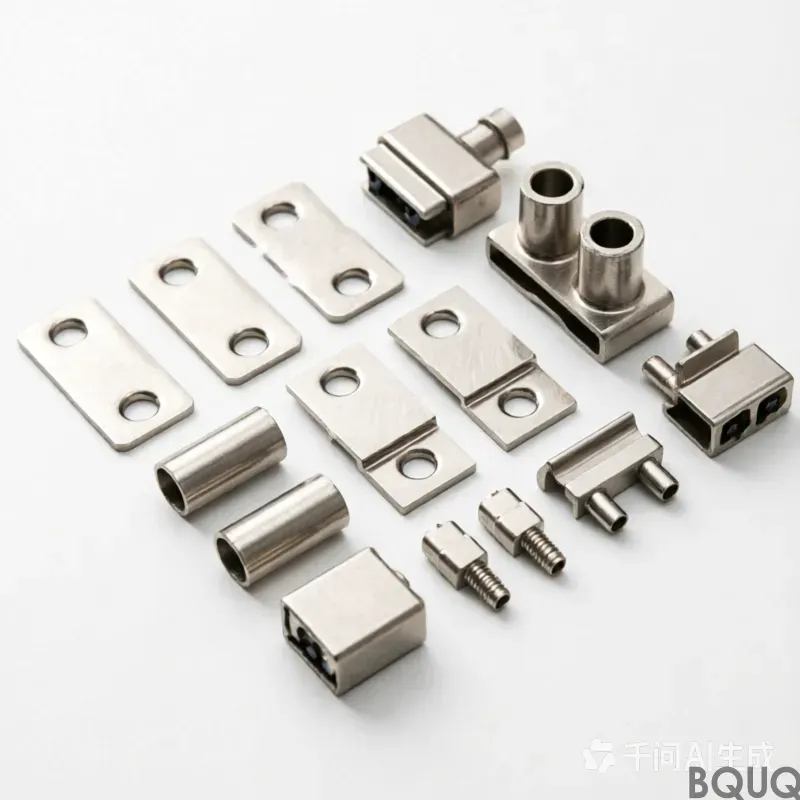
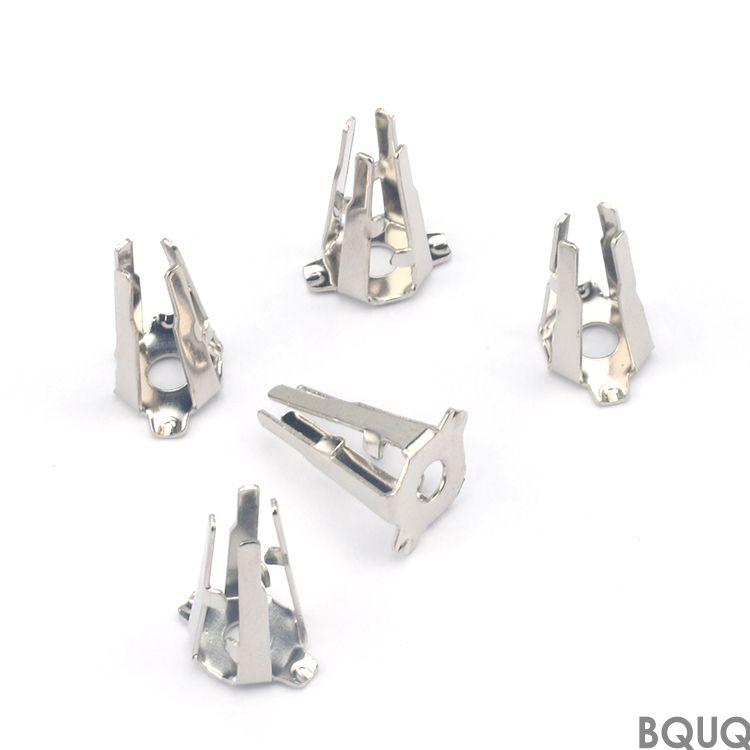
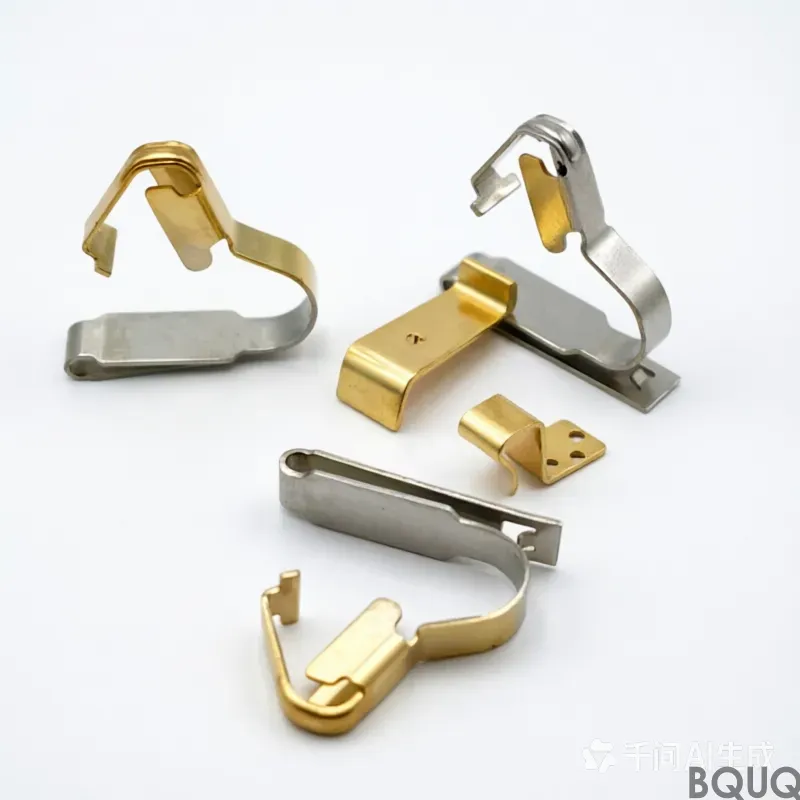
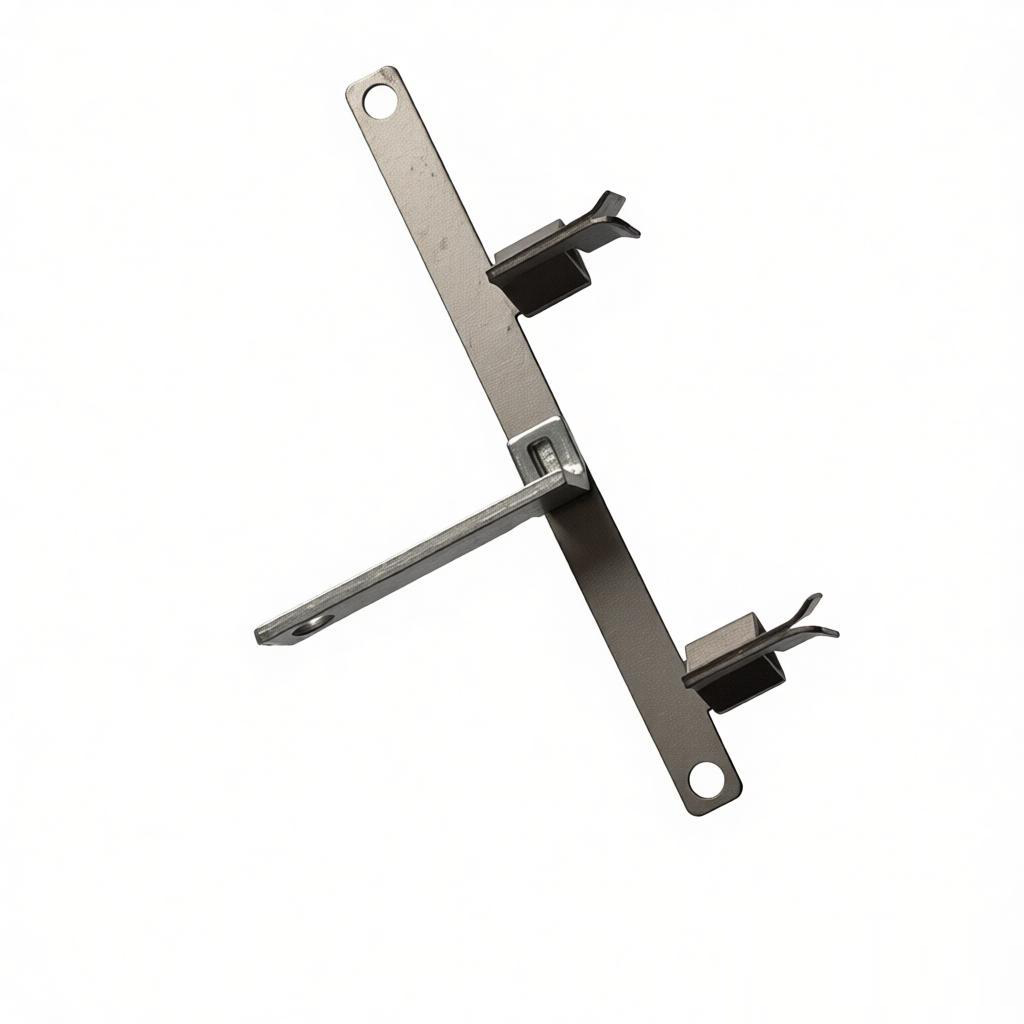
Automotive metal stamping is a manufacturing process used to convert flat metal sheets into specific shapes for vehicle components. It involves a series of stamping operations such as blanking, piercing, bending, and deep drawing. These processes produce parts like brackets, chassis components, engine mounts, and body panels. The automotive industry demands high precision, repeatability, and strict tolerances, making the choice of supplier crucial for safety and performance.
Metal stamping can be classified into progressive die stamping, transfer die stamping, and fourslide stamping, each suitable for different part volumes and complexities. Understanding your specific requirements—material, volume, tolerance, and surface finish—will help you evaluate suppliers effectively.
Key Factors to Consider When Selecting a Supplier
Quality Certifications and Standards
Top-tier automotive suppliers typically hold certifications like IATF 16949 (global quality management system for automotive), ISO 9001, and ISO 14001 (environmental management). These certifications ensure that the supplier follows rigorous quality control, continuous improvement, and traceability practices. Ask for their certification documents and check their compliance history. Additionally, verify if they adhere to customer-specific requirements (CSRs) from major automakers like Ford, GM, or Toyota.
Manufacturing Capabilities and Equipment
Assess the supplier's press tonnage range (typically from 30 tons to over 1000 tons), die design and maintenance capabilities, and secondary operations such as welding, tapping, or assembly. Modern CNC and laser cutting equipment can handle complex geometries. A supplier with in-house tooling and die-making reduces lead times and costs. Request a list of their equipment and recent investments to gauge their technological edge.
Experience in the Automotive Industry
Look for suppliers with a proven track record in automotive stamping. Experience matters because automotive parts often require specific material grades (e.g., high-strength steel, aluminum, or stainless steel) and tight tolerances down to ±0.1mm. Ask for case studies or references from similar projects. A supplier familiar with PPAP (Production Part Approval Process), FMEA (Failure Mode and Effects Analysis), and control plans can streamline your approval process.
Material Expertise
Different automotive applications require different materials: cold-rolled steel, galvanized steel, aluminum alloys, or copper alloys. Ensure the supplier has experience with your required materials and can source them from reliable mills. They should also understand material properties like formability, weldability, and corrosion resistance. A supplier that offers material cost optimization suggestions can add value.
Quality Control Processes
Robust quality control is non-negotiable. Inquire about their inspection methods (CMM, vision systems, hardness testers), frequency of in-process checks, and final inspection protocols. They should have a clear process for handling non-conforming parts and corrective actions. Statistical process control (SPC) and real-time monitoring indicate a proactive approach to quality.
Lead Times and Delivery Reliability
Automotive production schedules are tight. Evaluate the supplier's typical lead times for prototyping, tooling, and production runs. Check their on-time delivery record and ability to handle rush orders. A good supplier will have a transparent order tracking system and contingency plans for machine breakdowns or material shortages. Look for inventory management options like consignment or just-in-time (JIT) delivery.
Cost Competitiveness
While cost is important, the cheapest bid may lead to quality issues. Request detailed quotes breaking down tooling, material, labor, and overhead costs. Consider the total cost of ownership including tooling amortization, scrap rates, and logistics. A supplier that offers value engineering suggestions to reduce part costs without sacrificing quality is a valuable partner.
Communication and Customer Support
Effective communication is vital. Assess their responsiveness during the inquiry stage. Do they provide clear technical answers? Are they proactive in suggesting improvements? A supplier with a dedicated account manager and engineering support can prevent misunderstandings. Language and time zone differences should be manageable with modern communication tools.
Questions to Ask Potential Suppliers
To evaluate suppliers thoroughly, prepare a list of questions such as:
What is your maximum press tonnage and bed size?
Do you have IATF 16949 certification? Can you share a copy?
How do you handle PPAP and first article inspection?
What materials do you commonly work with? Can you source specific alloys?
What is your typical lead time for a new tool and production samples?
What is your defect rate and how do you track it?
Can you provide references from automotive clients?
What is your capacity for rush orders or volume fluctuations?
A supplier that answers confidently and provides evidence is more likely to be reliable.
Red Flags to Avoid
Avoid suppliers who: lack automotive certifications, cannot provide case studies or references, have outdated equipment, are vague about quality control processes, quote significantly lower than market rates, or have poor communication. Also, be wary of suppliers who don't understand your specific material needs or tolerance requirements. Frequent turnover in sales or engineering staff can indicate instability.
Conclusion
Selecting an automotive metal stamping parts supplier requires careful evaluation of their certifications, capabilities, experience, and processes. By focusing on quality, reliability, and communication, you can build a partnership that enhances your production efficiency and product quality. Begin your search by requesting quotes from multiple suppliers, visiting facilities if possible, and starting with a pilot project. A thorough due diligence now will prevent costly issues later.
Ready to find the right supplier for your automotive metal stamping needs? Contact our team for a consultation or request a quote today.
Frequently Asked Questions
What quality certifications should an automotive metal stamping supplier have?
Top-tier suppliers typically hold IATF 16949, ISO 9001, and ISO 14001 certifications. These ensure rigorous quality control, continuous improvement, and traceability. You should also verify they adhere to customer-specific requirements from major automakers like Ford, GM, or Toyota.
What manufacturing capabilities should I look for in a stamping supplier?
Assess their press tonnage range, typically from 30 tons to over 1000 tons, plus die design and maintenance capabilities. In-house tooling reduces lead times and costs. Also check for secondary operations like welding, tapping, or assembly, and modern CNC or laser cutting equipment for complex geometries.
Why is automotive industry experience important for a stamping supplier?
Automotive parts often require specific material grades like high-strength steel, aluminum, or stainless steel, and tight tolerances down to ±0.1mm. Experienced suppliers have proven track records and can provide case studies or references from similar projects, ensuring they understand these demanding requirements.