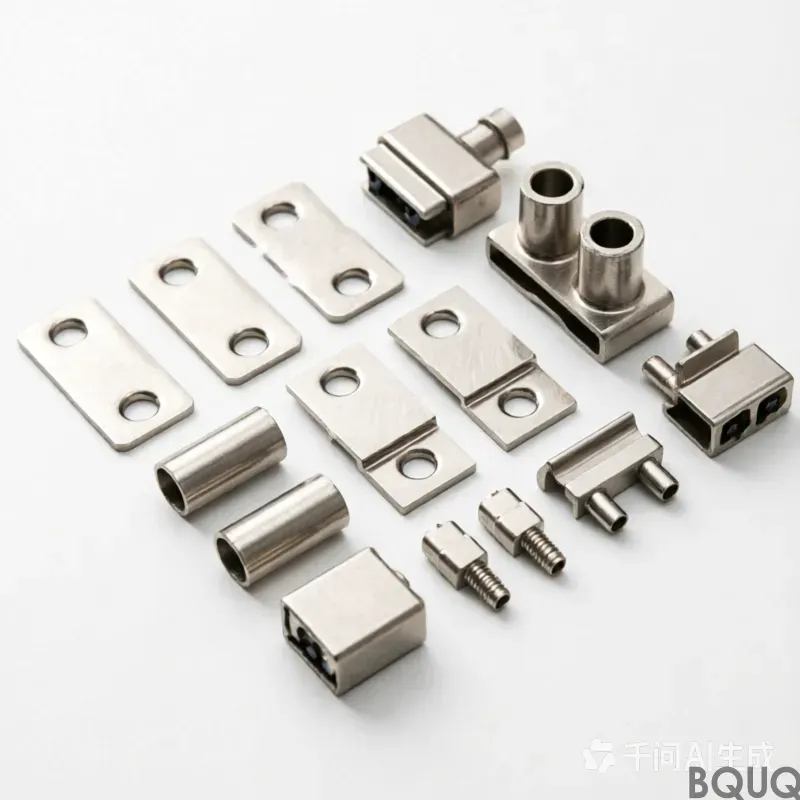
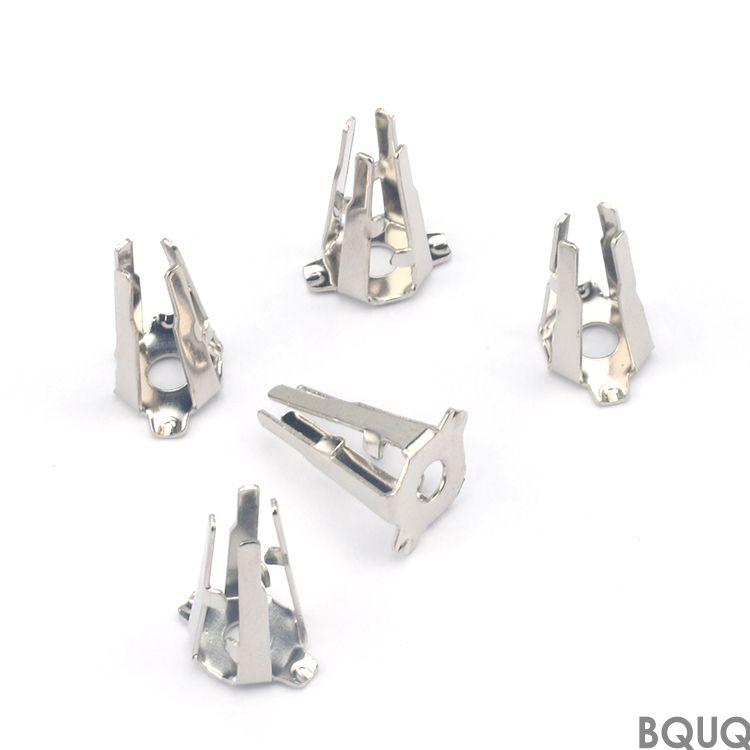
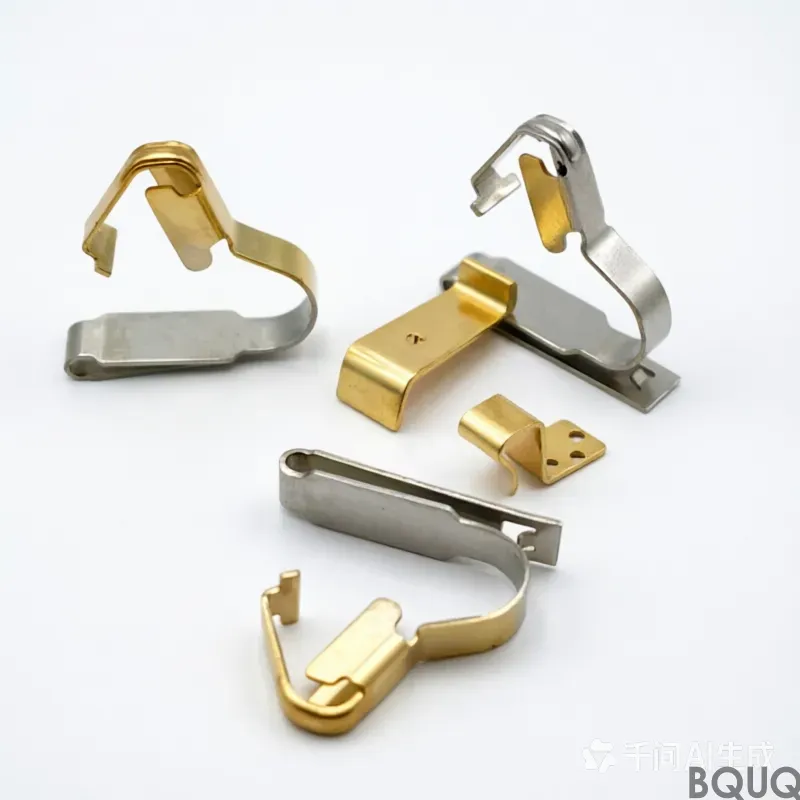
Discover why low volume metal stamping is the perfect choice for prototyping. Cost-effective, fast, and flexible. Learn practical tips and compare methods. Get your prototype parts now.
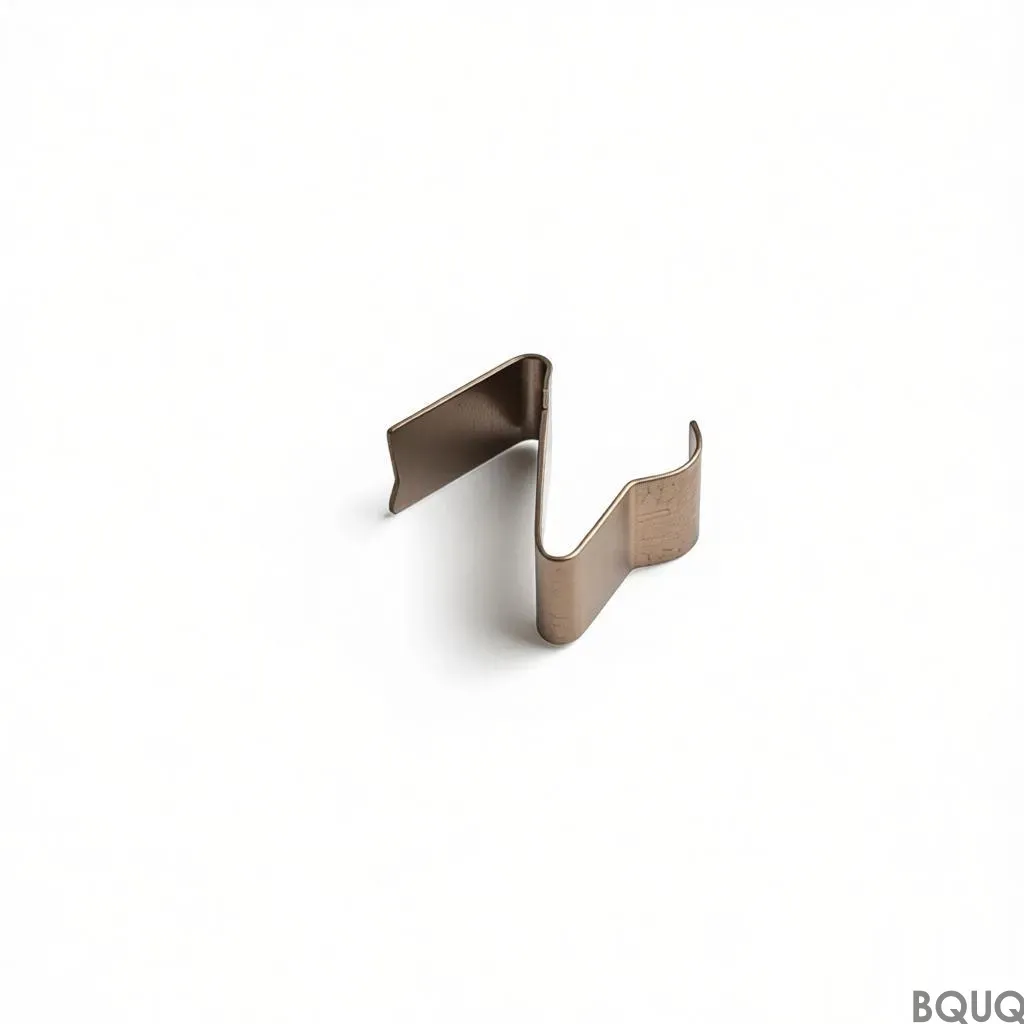
Why Low Volume Metal Stamping is Ideal for Prototyping
When developing a new product, prototyping is a critical step to validate design, fit, and function. For metal components, low volume metal stamping offers a unique blend of speed, cost efficiency, and flexibility that makes it ideal for prototyping. Unlike high-volume production runs that require expensive tooling and long lead times, low volume stamping allows engineers and product designers to test multiple iterations quickly without breaking the budget. This guide explores why low volume metal stamping is the go-to choice for prototyping, how it compares to other methods, and practical tips for getting the most out of your prototype run.
Understanding Low Volume Metal Stamping
Low volume metal stamping typically refers to production runs of 100 to 10,000 parts. It uses simplified tooling—such as soft tools (aluminum or low-carbon steel dies) or even laser-cut blanks—to form metal sheets into desired shapes. This approach drastically reduces upfront tooling costs compared to high-volume hard tooling (hardened steel dies). Common processes include progressives, transfers, and compound dies adapted for shorter runs. The result: you get stamped metal prototypes with industry-standard accuracy and finish, but at a fraction of the cost and lead time.
Key Advantages for Prototyping
Cost Efficiency
High-volume tooling can cost tens of thousands of dollars—overkill for a prototype run. Low volume stamping uses less expensive dies, often made from aluminum or non-heat-treated steel, which reduces tooling costs by 50–80%. You only pay for what you need, making it economically viable to test multiple designs or small batches.
Speed and Flexibility
Because tool construction is faster (4–8 weeks vs. 12–20 weeks for high volume), you can get parts in hand quickly. Iterations are also faster: if a design changes, modifying soft tools is simpler and cheaper. This agility supports rapid design-build-test cycles.
Design Iterations
Prototyping is about exploration. Low volume stamping lets you produce small lots to test different materials, thicknesses, or geometries. You can order a few hundred parts for fit checks, then adjust and rerun. This iterative capability is essential for refining a design before committing to high-volume production.
Comparison with Other Prototyping Methods
| Method | Cost per Part | Tooling Cost | Lead Time | Material Options | Best For |
|---|---|---|---|---|---|
| Low Volume Stamping | $$ | $ | 2-8 weeks | Many metals | Functional metal prototypes, small batches |
| 3D Printing (Metal) | $$$ | $0 | 1-2 weeks | Limited alloys | Complex geometries, rapid form/fit |
| CNC Machining | $$$ | $ | 1-3 weeks | Wide range | Precision parts, tight tolerances |
| High-Volume Stamping | $ | $$$$ | 12-20 weeks | Many metals | Mass production |
Practical Tip:
For prototypes that require the mechanical properties of stamped metal (like work hardening and grain flow), stamping often outperforms 3D printed or machined parts. Stamping replicates the exact production process, giving you confidence in scalability.
Practical Tips for Successful Low Volume Stamping Prototypes
Optimize for simplicity: Reduce tool cost by designing with fewer stations and simpler features. Avoid deep draws or complex bends if possible for the prototype run.
Choose the right material: Use the same metal grade as final production if possible; but for prototypes, you might substitute with a similar, more available material to save cost.
Partner with an experienced stamper: Not all stamping shops handle low volumes. Look for a manufacturer that specializes in quick-turn, low volume runs and offers design-for-manufacturability (DFM) feedback.
Consider progressive die vs. compound die: Progressive dies are faster for medium volumes; compound dies are cheaper for very low volumes (200–500 parts). Discuss with your supplier.
Plan for secondary operations: Stamping can include bending, embossing, coining, or even in-die tapping. Identify essential features to minimize post-processing.
Leverage soft tooling for iterations: Make sure your tooling allows for easy modification. Soft tools can often be reworked for modest fees.
When to Choose Low Volume Metal Stamping vs. Other Services
Low volume stamping is best when you need functional metal prototypes that mimic production conditions—same material, same properties, same tolerances. It shines for brackets, enclosures, connectors, and small mechanical parts. If your part has complex 3D geometries or internal cavities, 3D printing may be better for initial form-fit. For parts requiring tight tolerances and fine finishes, CNC machining might be preferable. However, if your goal is to validate a stamped design for high-volume production, low volume stamping is unmatched.
Conclusion
Low volume metal stamping bridges the gap between rapid prototyping and mass production. It offers cost-effective, real-metal parts with short lead times, enabling you to test, iterate, and perfect your design before scaling. By understanding its advantages, comparing it with alternative methods, and following best practices, you can accelerate your product development cycle while minimizing risk. For your next prototype run, consider low volume metal stamping—it might be the perfect fit.
Frequently Asked Questions
What is considered a low volume metal stamping run?
Low volume metal stamping typically refers to production runs of 100 to 10,000 parts. It uses simplified tooling like soft tools (aluminum or low-carbon steel dies) or laser-cut blanks, which reduces upfront tooling costs compared to high-volume hard tooling.
How much can I save on tooling costs with low volume stamping?
Low volume stamping uses less expensive dies, often made from aluminum or non-heat-treated steel, which reduces tooling costs by 50–80%. This makes it economically viable to test multiple designs or small batches without the high expense of hardened steel dies.
What are the lead times for low volume stamping compared to high volume?
Tool construction for low volume stamping is faster, taking 4–8 weeks versus 12–20 weeks for high volume. Overall lead time for parts is 2–8 weeks, allowing for quicker design-build-test cycles and faster iterations.
How does low volume stamping compare to 3D printing for prototyping?
Low volume stamping offers many metal material options and lower cost per part ($$) compared to 3D printing ($$$), which has limited alloys. However, 3D printing has a faster lead time of 1–2 weeks and no tooling cost, making it better for complex geometries and rapid form/fit checks.