Discover the ultimate guide to metal parts finishing after stamping. Compare plating, anodizing, painting & more. Expert tips for durability & performance. Read now!
Metal Parts Finishing Guide After Stamping | Complete
After metal stamping, raw parts often have sharp edges, burrs, or surface imperfections. Finishing processes enhance appearance, corrosion resistance, and functionality. This guide explores the most common post-stamping finishing options, how to select the right one, and expert tips to optimize your production line.
Why Finishing Matters for Stamped Metal Parts
Stamping creates precise shapes, but the process can leave burrs, micro-cracks, and residual stresses. Finishing addresses these issues and adds value:
Improved aesthetics: Remove tool marks and create a uniform surface.
Enhanced durability: Reduce friction, prevent rust, and extend part life.
Better performance: Ensure proper fit, electrical conductivity, or thermal management.
Regulatory compliance: Meet industry standards for medical, automotive, or aerospace components.
Common Metal Finishing Methods
Each technique serves a specific purpose. Below we break down the most widely used options for stamped parts.
Deburring and Edge Finishing
Burrs are inevitable in stamping. Manual deburring, tumbling, thermal deburring, or abrasive flow machining can remove them. For high-volume production, robotic deburring offers consistency. Edge rounding (radius creation) improves safety and coating adhesion.
Surface Cleaning and Preparation
Before any coating, parts must be free of oils, dirt, and oxides. Methods include:
Aqueous cleaning with detergents
Solvent degreasing
Ultrasonic cleaning for intricate geometries
Pickling (acid treatment) to remove scale
Proper preparation ensures subsequent coatings bond correctly.
Plating and Coating
Electroplating deposits a thin metal layer (zinc, nickel, chrome, tin, gold) for corrosion resistance, solderability, or appearance. Powder coating applies a durable, decorative finish. For heat sinks, anodizing (electrochemical conversion) creates an insulating oxide layer that also improves thermal emissivity.
Passivation
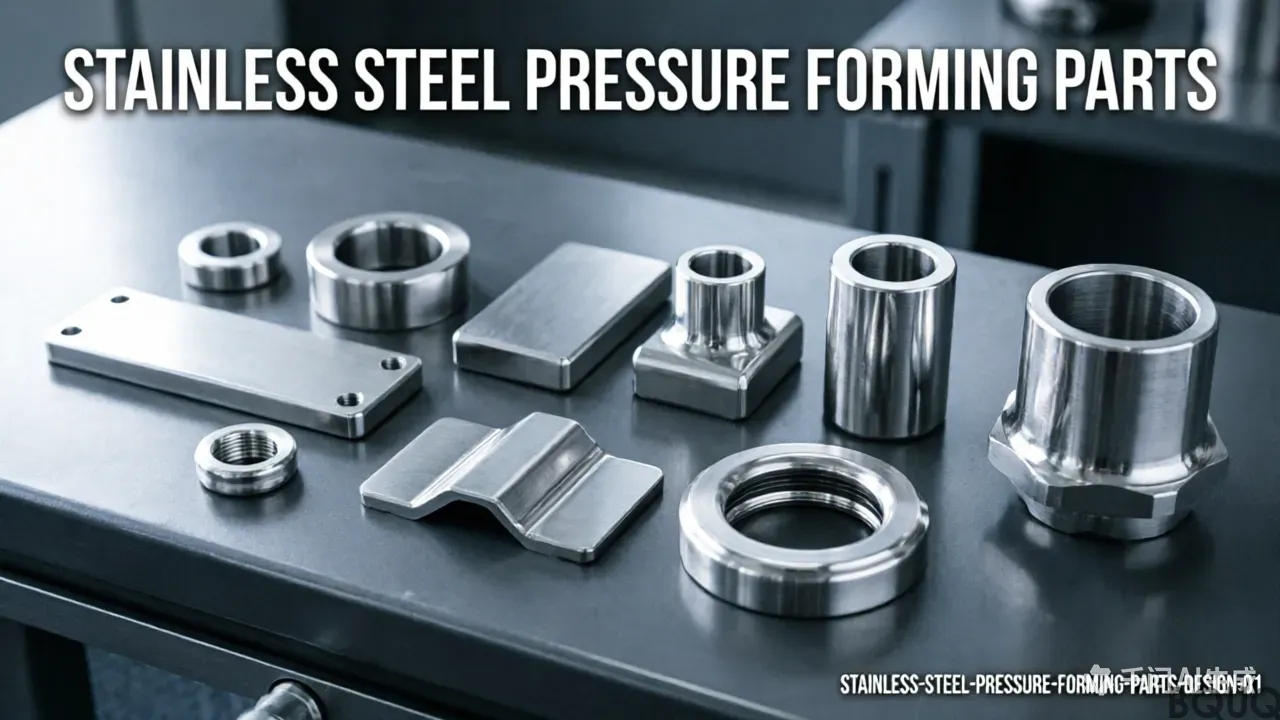
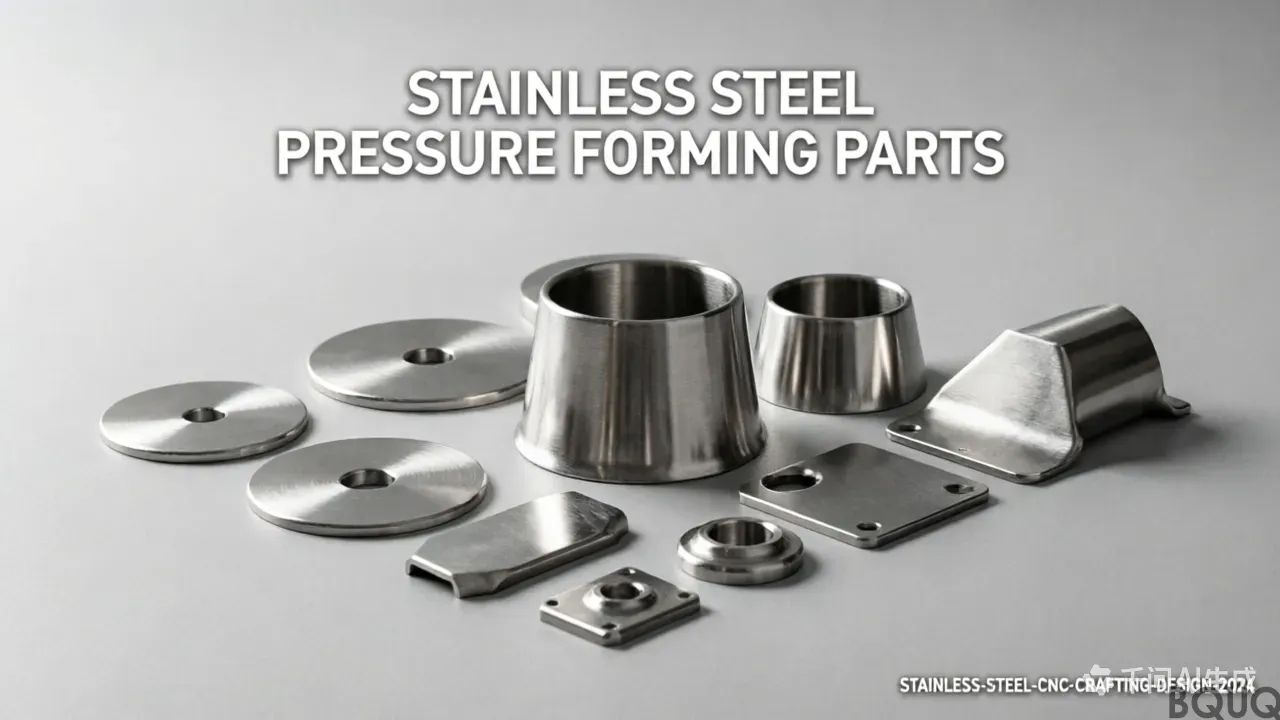
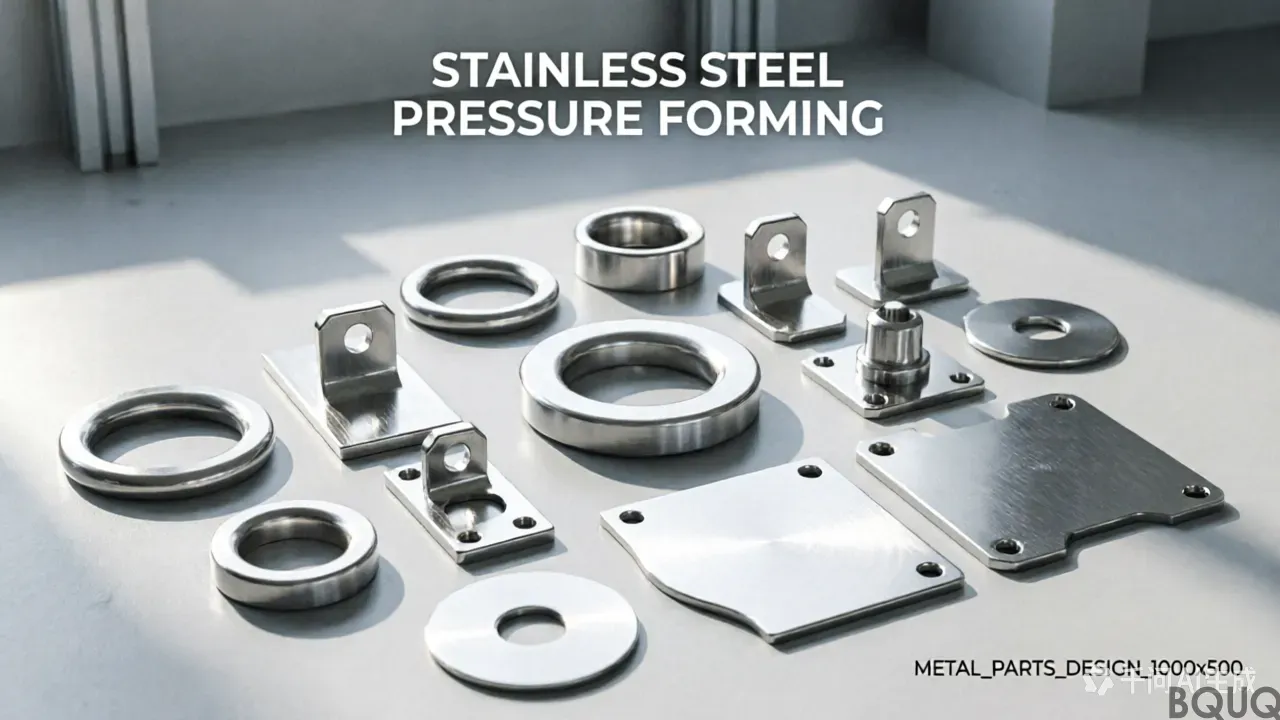
Stainless steel parts benefit from passivation — a chemical process that removes free iron and forms a protective chromium oxide layer. It enhances corrosion resistance without changing dimensions.
Painting
Liquid painting (spray, dip, or electrostatic) offers color options and additional protection. Primers and topcoats can be tailored for UV resistance, chemical resistance, or high-temperature environments.
Mechanical Finishing
Techniques like belt grinding, wire brushing, or bead blasting produce textured, matte, or satin finishes. Polishing yields a mirror-like surface. These methods are often used for decorative parts or to prepare surfaces for further coating.
How to Choose the Right Finishing Option
Consider material, part geometry, functional requirements, and budget. The table below compares common methods:
| Method | Best For | Corrosion Resistance | Cost per Part | Typical Thickness |
|---|---|---|---|---|
| Zinc plating | Carbon steel | High (with passivate) | Low | 5-15 µm |
| Nickel plating | Steel, brass | Very high | Medium | 10-30 µm |
| Powder coating | Steel, aluminum | High | Medium | 60-120 µm |
| Anodizing | Aluminum | High | Low-Medium | 5-25 µm |
| Passivation | Stainless steel | Enhances inherent | Low | N/A (chemical change) |
| Mechanical brushing | All metals | None (decorative) | Low | Removes 1-5 µm |
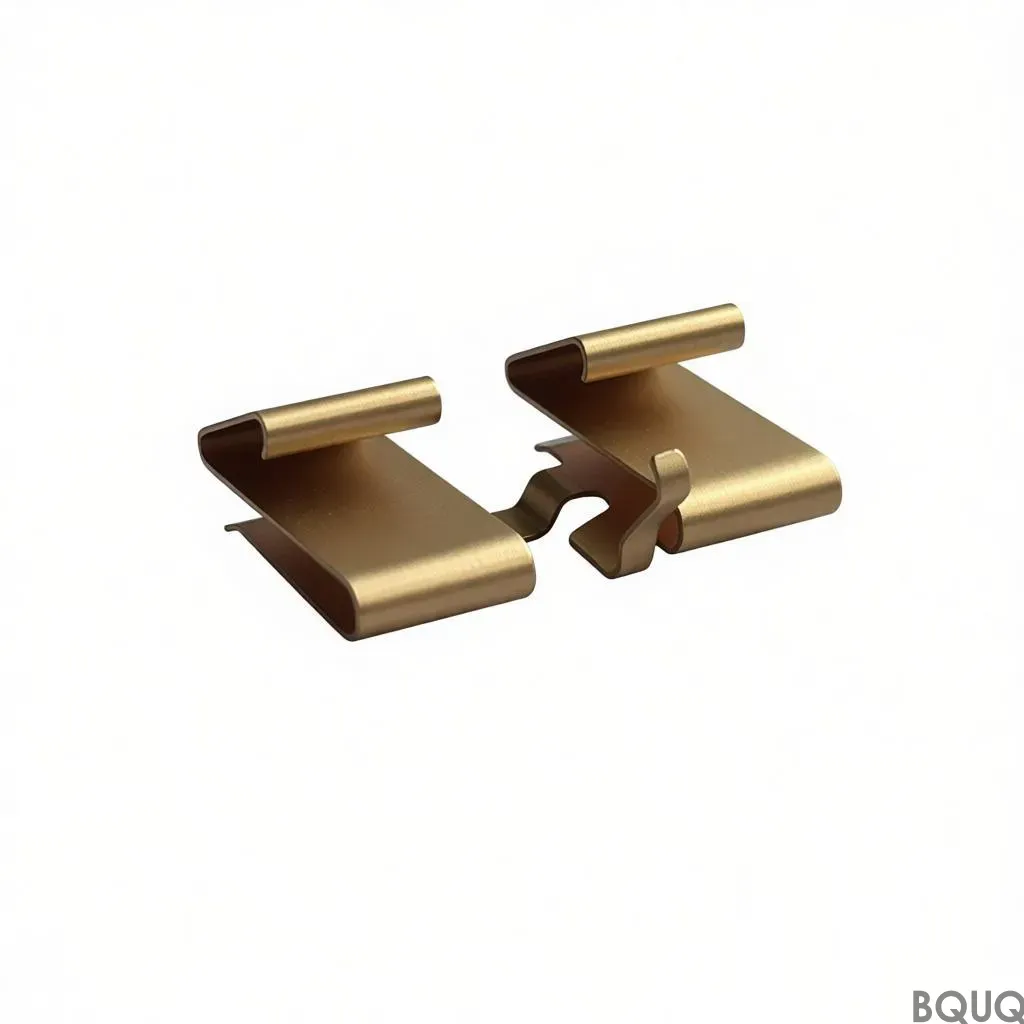
For heat sinks, anodizing or black oxide coating improves thermal radiation. For springs, zinc plating prevents rust without affecting spring rate. For shrapnel (contacts), gold plating ensures low electrical resistance. Always test compatibility with your specific alloy.
Quality Control in Metal Finishing
Consistency is key. Implement checks such as:
Visual inspection for surface defects, color uniformity, and coating adhesion.
Thickness measurement (X-ray fluorescence, magnetic induction).
Salt spray testing for corrosion resistance.
Hardness testing if the finish involves heat treatment.
Dimensional inspection to ensure coatings don’t exceed tolerances.
Keep batch records for traceability, especially in regulated industries.
Expert Tips for Optimizing Post-Stamping Finishing
Design for finishing: Avoid sharp internal corners where plating can build up. Add radii to reduce stress concentrations.
Communicate with your finisher: Provide material certificates, required specifications, and sample parts.
Consider lead time: Some finishes require multiple steps (e.g., plating then painting). Plan accordingly.
Combine operations: For example, deburring and surface prep can be done in a single vibratory bowl if compatible media is used.
Test first: Run a pilot batch before full production to validate process parameters.
Environmental compliance: Ensure your finisher meets local regulations for wastewater and emissions.
Choosing the right finishing process for your stamped metal parts can significantly improve product quality and customer satisfaction. Whether you need corrosion protection, aesthetic appeal, or specific functional properties, the options outlined above provide a solid foundation. For complex requirements, consult with a metal finishing specialist or your stamping supplier — many offer integrated finishing services.
Frequently Asked Questions
What finishing options are available for stamped metal parts?
Common options include deburring and edge finishing, surface cleaning, plating and coating (zinc, nickel, chrome, tin, gold), powder coating, anodizing for heat sinks, passivation for stainless steel, painting, and mechanical finishing like grinding, brushing, or polishing.
Why is finishing important after metal stamping?
Finishing removes burrs, micro-cracks, and residual stresses left by stamping. It improves aesthetics, durability, performance, and regulatory compliance for industries like medical, automotive, or aerospace.
How do I choose the right finishing method for my parts?
Selection depends on your part's material, function, and required properties. For corrosion resistance, consider plating or passivation. For thermal management, anodizing is ideal. For aesthetics, painting or mechanical finishing works. Always ensure proper surface cleaning before coating.
What is passivation and when is it used?
Passivation is a chemical process for stainless steel that removes free iron and forms a protective chromium oxide layer. It enhances corrosion resistance without changing dimensions, making it ideal for precision parts.