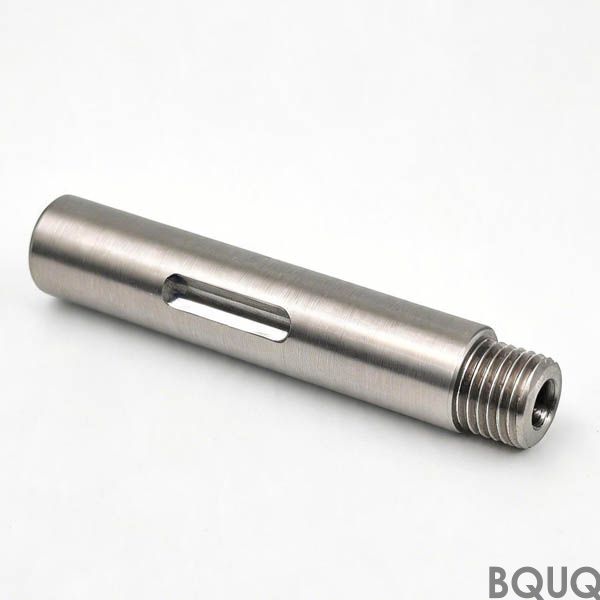
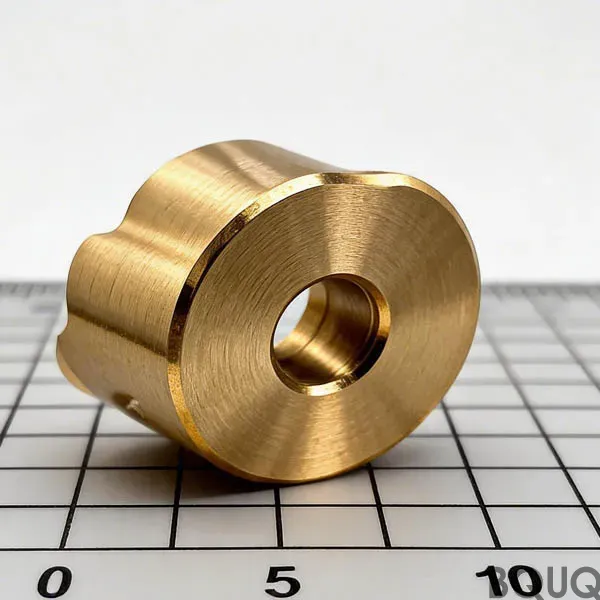
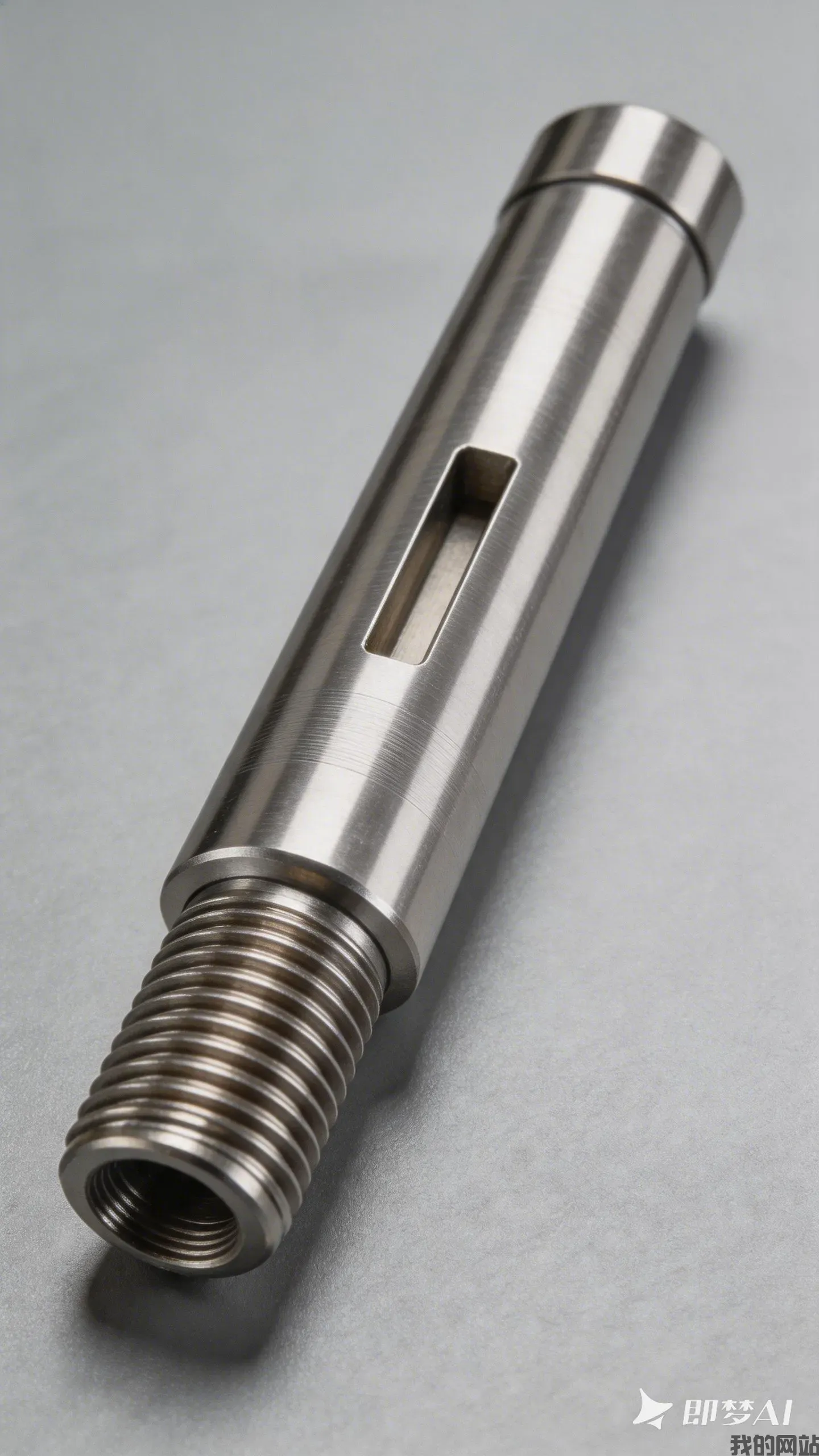
Compare metal stamping and CNC machining for prototypes. Learn cost, lead time, precision differences. Get expert recommendation for your metal prototype project.
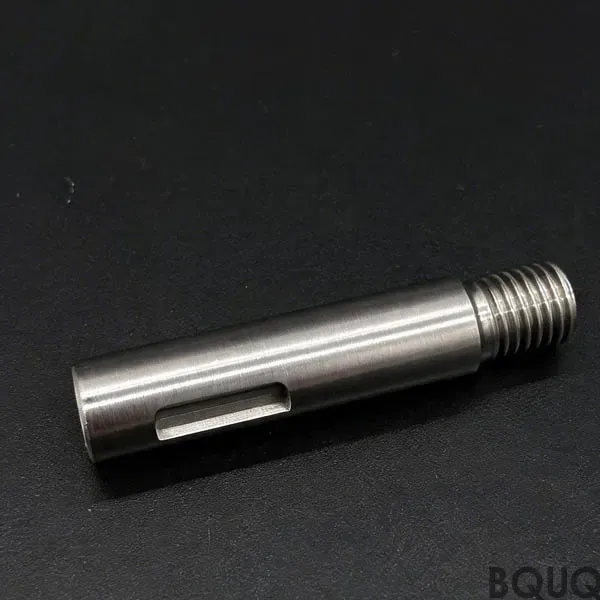
Metal Stamping vs CNC Machining for Prototypes: Which to Choose
Introduction
When developing a new metal product, selecting the right prototyping method is critical to balancing speed, cost, and quality. Two of the most common processes are metal stamping and CNC precision lathe machining. Each offers distinct advantages and limitations, especially for prototype runs. This article provides a detailed comparison to help you decide which approach best suits your project’s needs.
Overview of Metal Stamping for Prototypes
Metal stamping uses a press and die sets to shape flat sheet metal into desired forms. For prototypes, soft tooling (e.g., laser-cut or 3D-printed dies) can reduce initial costs, but still requires significant upfront tooling investment. Stamping excels at high-volume repeatability but can be cost-effective for simple geometries in prototype quantities if tooling is shared or simplified.
Overview of CNC Machining for Prototypes
CNC machining, including CNC lathe and milling, removes material from a solid block to create the part. It offers extreme precision and flexibility without dedicated tooling, making it ideal for low-volume prototypes with complex features. Setup times are shorter, but per-part cost remains relatively high due to machining time.
Key Comparison Table
| Factor | Metal Stamping | CNC Machining |
|---|---|---|
| Initial Tooling Cost | High (die fabrication) | Low (no special tooling) |
| Lead Time (first part) | Long (die production) | Short (programming + machining) |
| Per-Part Cost (low volume) | High (amortized tooling) | Moderate to high (machine time) |
| Per-Part Cost (high volume) | Very low | High |
| Precision/Tolerances | ±0.005″ typical; can vary | ±0.001″ or better |
| Complexity | Limited to 2.5D shapes, forming | Full 3D, undercuts, threads |
| Material Options | Sheet metal (steel, aluminum, brass) | Almost any metal (round/bar stock) |
| Design Changes | Costly after die creation | Easy (edit CAD & re-run) |
| Surface Finish | Good, but may have die marks | Excellent, can be polished |
| Suitable Quantities | Typically >1000 parts | 1–1000 parts |
Detailed Comparison
Cost Considerations
For prototype quantities (e.g., 10–100 parts), CNC machining almost always has lower total cost because no expensive die is needed. Metal stamping’s tooling cost can range from $500 for simple soft tooling to $5,000+ for progressive dies. If you anticipate future high-volume production, investing in stamping tooling may be worthwhile if the prototype validates the design.
Lead Time
CNC parts can often be delivered in days after receiving the CAD model. Stamping requires die design, fabrication, and tryout – typically 2–4 weeks. Rapid tooling methods (e.g., 3D-printed dies) can shorten this to 1–2 weeks but still slower than CNC.
Precision and Tolerances
CNC machining consistently achieves tighter tolerances (±0.001″ or tighter). Stamping tolerances depend on die quality and material thickness; ±0.005″ is common for prototypes. If your prototype requires holes, threads, or fine features, CNC is superior.
Part Complexity
Stamping is ideal for flat or formed shapes (brackets, enclosures, heat sinks) but struggles with deep cavities, undercuts, or 3D contours. CNC can produce almost any geometry as long as the tool can reach it. For prototype heat sinks with complex fin patterns, CNC is often the only choice.
Material and Thickness
Stamping works with sheet metal from 0.1mm to 6mm thick (depending on press capacity). CNC machines can handle bar stock, plate, or near-net shapes from any machinable metal, including stainless steel, titanium, and engineering plastics.
When to Choose Metal Stamping for Prototypes
You are already planning high-volume production and want to test the stamping process early.
The part geometry is simple (2D or shallow formed) and fits sheet metal limits.
You need many identical prototypes (e.g., 500+ parts) to test assembly or market.
Material is thin gauge and cost per part is critical.
When to Choose CNC Machining for Prototypes
You have complex geometries, tight tolerances, or internal features.
Quantity is low (1–100 parts) and fast turnaround is needed.
Design is not fully finalized and changes are expected.
You need parts from materials not available as sheet (e.g., round rods, hex bars).
Hybrid Approach: Stamping + CNC
Sometimes the best solution is a combination: use stamping to produce the basic shape (e.g., a stamped housing) then finish critical areas with CNC machining. This reduces tooling cost while achieving precision where needed.
Recommendation
For most metal prototyping projects, CNC machining is the preferred choice due to its flexibility, speed, and ability to accommodate design iterations. It allows you to validate form, fit, and function without the upfront investment in dies. However, if your part is a simple flat shape or you are committed to high-volume stamping production, creating prototype soft tooling can be a strategic investment. Evaluate your specific needs for quantity, complexity, tolerance, and timeline, and consult with a metal fabrication partner like ours to find the most cost-effective path.
As a manufacturer specializing in metal stamping parts, CNC precision lathe parts, heat sinks, springs, and shrapnel, we offer both services and can guide you through the decision process. Contact us to discuss your prototype requirements today.
Frequently Asked Questions
Which method is more cost-effective for a prototype run of 50 parts?
CNC machining is almost always lower in total cost for 10–100 part prototype quantities because no expensive die is needed. Metal stamping tooling can range from $500 for simple soft tooling to $5,000+ for progressive dies, making it less economical for small runs.
What precision can I expect from CNC machining versus metal stamping?
CNC machining offers tolerances of ±0.001″ or better, while metal stamping typically achieves ±0.005″. For prototypes requiring tight tolerances or complex 3D features, CNC is the more precise option.
How quickly can I get a prototype part from each method?
CNC parts can often be delivered in days after receiving the CAD model due to short setup times. Metal stamping has a longer lead time for the first part because die production is required, which can take weeks depending on tooling complexity.
Can I easily make design changes during prototyping?
CNC machining allows easy design changes—simply edit the CAD file and re-run the part. Metal stamping makes changes costly after the die is created, so it is less flexible for iterative prototyping.