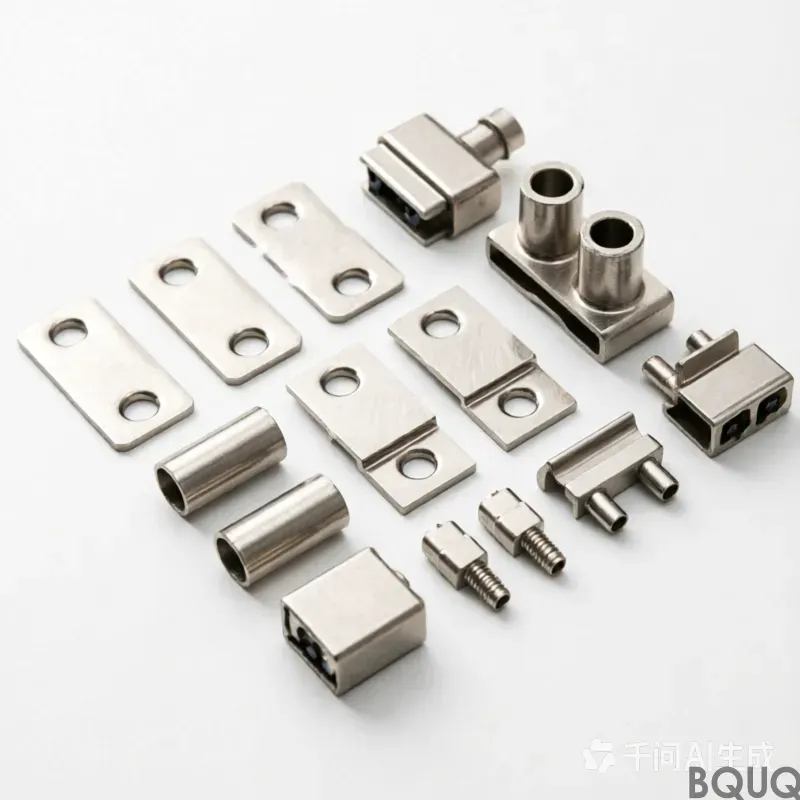
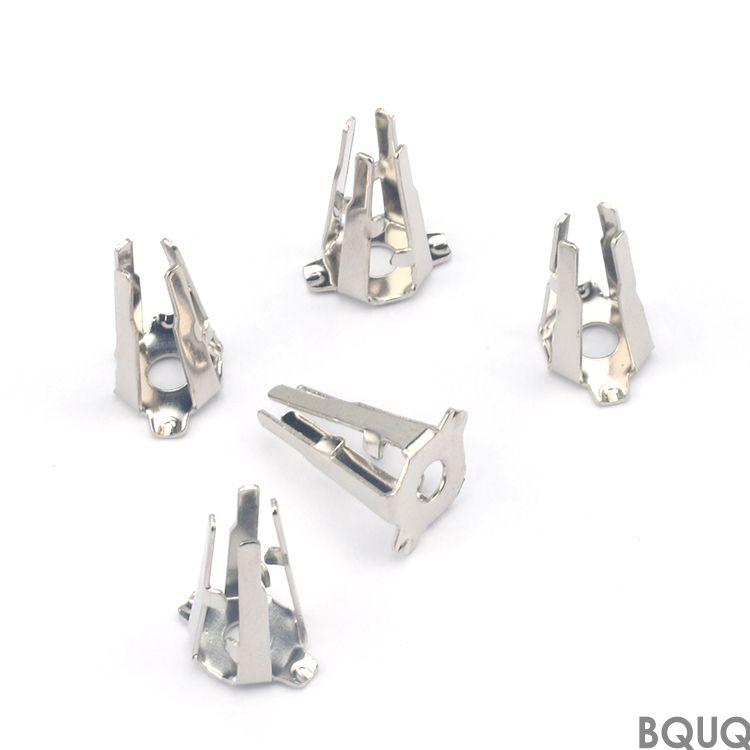
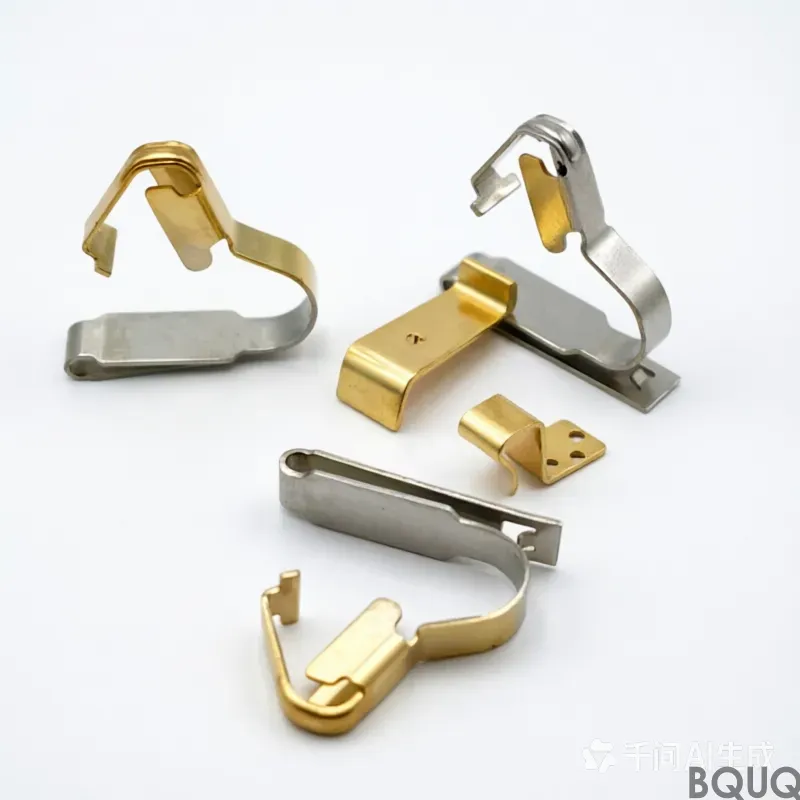
Compare progressive die vs transfer die stamping. Learn key differences, advantages, and which process fits your metal stamping project. Expert advice from seasoned manufacturer.
Progressive Die vs Transfer Die: Which Stamping Process is Right for You?
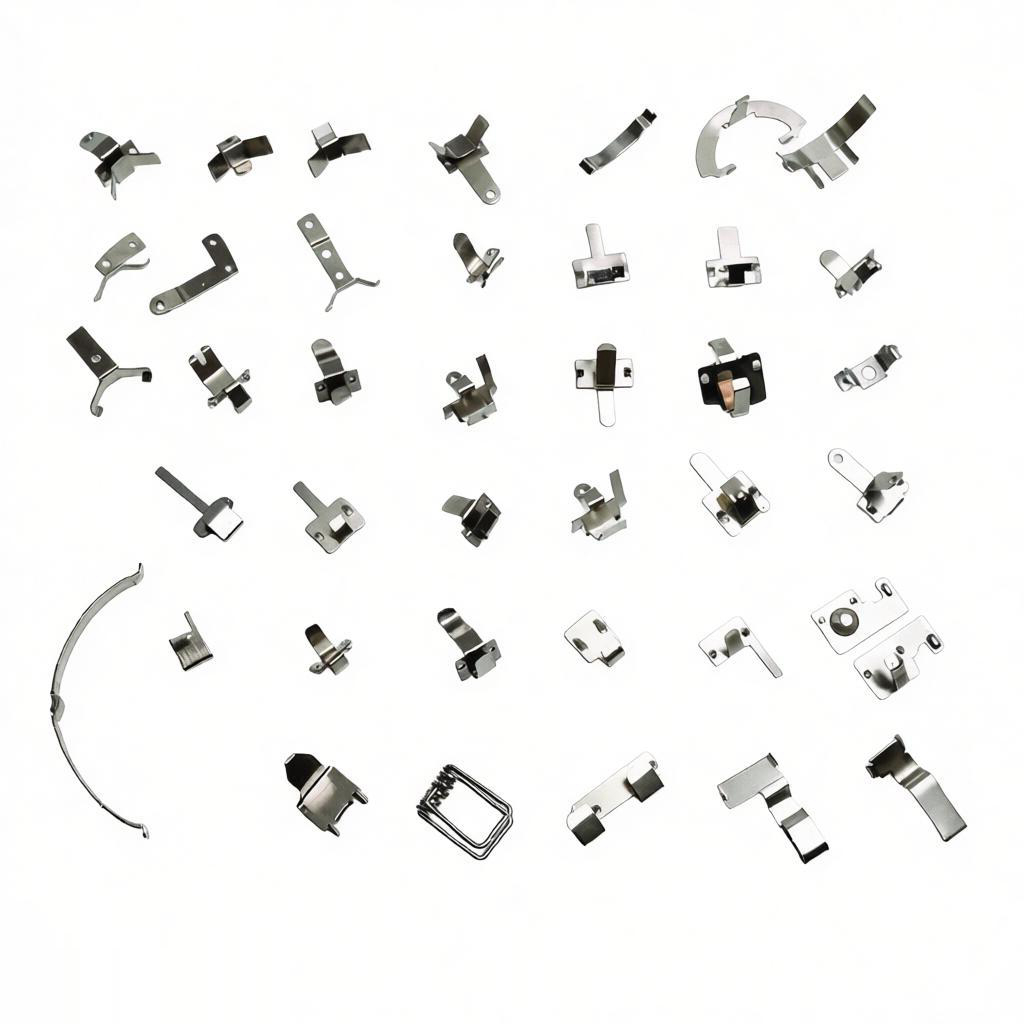
Introduction
In the world of metal stamping, choosing the right manufacturing process is critical to balancing cost, speed, quality, and part complexity. Two widely used methods—progressive die stamping and transfer die stamping—offer distinct advantages depending on your project requirements. This article provides an in-depth comparison to help you decide which stamping process best fits your production needs.
What is Progressive Die Stamping?
Progressive die stamping involves a series of stations within a single die set. A metal strip is fed through the die, and at each station, a different operation is performed (e.g., cutting, bending, coining, or drawing). The strip advances incrementally, and the final station ejects a finished part. This process is highly automated, making it ideal for high-volume production of small to medium-sized parts with complex geometries.
Advantages of Progressive Die Stamping
High speed and efficiency: Multiple operations in one press stroke produce parts quickly.
Consistent quality: Each part undergoes the same sequence, minimizing variability.
Reduced labor: Automation eliminates manual handling between operations.
Minimal scrap: The continuous strip allows precise material utilization.
Disadvantages of Progressive Die Stamping
High initial tooling cost: Complex dies require significant investment.
Limited to smaller parts: Die size restricts the dimensions of the workpiece.
Less flexibility: Design changes require expensive die modifications.
What is Transfer Die Stamping?
Transfer die stamping uses multiple independent dies, each performing a specific operation. A mechanical transfer system moves individual blanks or partially formed parts from one die to the next. This method is often used for larger or more intricate parts that cannot be easily produced in a progressive die.
Advantages of Transfer Die Stamping
Greater part size capability: Can handle larger and heavier parts.
Flexibility: Individual dies can be changed or modified more easily.
Complex shapes: Multiple deep draws or complex forms are achievable.
Lower die cost per station compared to progressive dies.
Disadvantages of Transfer Die Stamping
Slower cycle times: Transfer mechanisms add time between operations.
Higher scrap rate: Each blank is separate, leading to more material waste.
More maintenance: Transfer systems have more moving parts that require upkeep.
Progressive Die vs Transfer Die: Key Differences
| Feature | Progressive Die Stamping | Transfer Die Stamping |
|---|---|---|
| Tooling Complexity | Single integrated die with multiple stations | Multiple individual dies |
| Production Speed | Very high (up to 1500 strokes/min) | Moderate (up to 200 strokes/min) |
| Part Size Range | Small to medium (typically < 12 inches) | Small to large (< 60 inches or more) |
| Material Utilization | Excellent – continuous strip, minimal scrap | Lower – individual blanks, more skeleton waste |
| Initial Tooling Cost | High due to complex die construction | Moderate to high, but less per station |
| Part Complexity | Moderate complexity, multiple operations in sequence | High complexity, especially deep draws and intricate shapes |
| Setup & Changeover | Longer – entire die must be replaced or adjusted | Faster – individual dies can be swapped |
| Volume Suitability | High-volume production (100,000+ parts) | Medium to high-volume (10,000–500,000) |
When to Choose Progressive Die Stamping
Progressive die stamping excels in high-volume applications where parts are relatively small and require multiple operations. Common uses include electrical connectors, automotive components, clips, and springs. Choose progressive die if you need:
High production speed
Consistent, repeatable tolerances
Minimal manual labor
Parts that can be carried on a strip
When to Choose Transfer Die Stamping
Transfer die stamping is preferred for larger, more complex parts that cannot be carried on a strip or require deep drawing. Industries such as automotive body panels, appliance doors, and aerospace structural parts often use transfer dies. Choose transfer die if you need:
Large part size (e.g., over 6 inches)
Complex geometric features, especially deep draws
Flexibility to change individual operations
Moderate production volumes
Detailed Comparison Table
Below is a side-by-side comparison of critical factors to consider when selecting between progressive and transfer die stamping.
| Factor | Progressive Die | Transfer Die |
|---|---|---|
| Cycle Time (parts per minute) | 100–300+ | 10–60 |
| Die lifespan (strokes) | 1,000,000+ with proper maintenance | 500,000–1,000,000 |
| Scrap percentage | 5–15% | 10–30% |
| Setup time | Hours to days | Hours (per station) |
| Minimum practical quantity | 50,000+ | 5,000–10,000 |
| Operator skill requirement | Low (automated) | Moderate to high |
| Ideal part example | Small electronic terminals | Car door panel |
Recommendation from Our Experts
At Your Company Name, we manufacture metal stamping parts, CNC precision lathe parts, heat sinks, springs, and more. Based on decades of experience, we recommend the following guidelines:
Choose progressive die stamping when your annual volume exceeds 100,000 parts, the part fits within a 12-inch strip, and you need consistent quality at high speed. This is ideal for our typical heat sink and spring production.
Choose transfer die stamping when parts are larger, require deep draws, or have complex geometries that cannot be achieved in a single strip. It is also better for lower-volume runs where tooling cost must be managed.
If you are unsure, consult with our engineering team. We can analyze your part design, material, and volume to recommend the most cost-effective stamping process. Our facility is equipped with both progressive and transfer die presses, allowing us to serve a wide range of projects.
Conclusion
Both progressive die and transfer die stamping are valuable techniques in the metal stamping industry. The decision ultimately depends on your part size, complexity, production volume, and budget. Progressive dies offer unmatched speed and efficiency for high-volume small parts, while transfer dies provide the flexibility and size capacity for larger, more intricate components. By understanding the strengths of each, you can partner with a manufacturer like us to produce high-quality metal parts efficiently.
Contact us today to discuss your stamping project and get a free consultation.
Frequently Asked Questions
What are the main advantages of progressive die stamping for high-volume production?
Progressive die stamping offers high speed and efficiency by performing multiple operations in one press stroke. It ensures consistent quality through a fixed sequence, reduces labor via automation, and minimizes scrap with precise material utilization of the continuous strip. This makes it ideal for high-volume production of small to medium-sized parts with complex geometries.
When should I choose transfer die stamping over progressive die stamping?
Choose transfer die stamping for larger or heavier parts that cannot fit in a progressive die. It provides greater flexibility since individual dies can be changed or modified more easily, and it handles complex shapes like multiple deep draws. It also has lower die cost per station compared to progressive dies, though cycle times are slower.
What are the key differences in tooling costs between progressive and transfer die stamping?
Progressive die stamping has high initial tooling costs because complex dies require significant investment, and design changes are expensive. Transfer die stamping has lower die cost per station, and individual dies can be changed or modified more easily, offering more flexibility for design adjustments.
Which stamping process produces less material waste?
Progressive die stamping produces minimal scrap because the continuous metal strip allows precise material utilization. In contrast, transfer die stamping has a higher scrap rate since each blank is separate, leading to more material waste between parts.