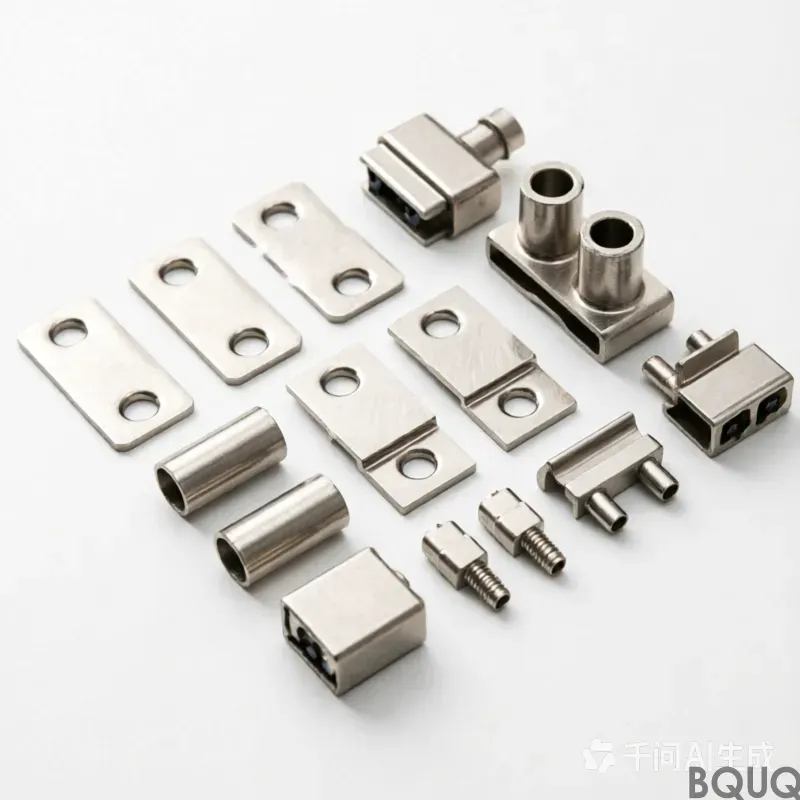
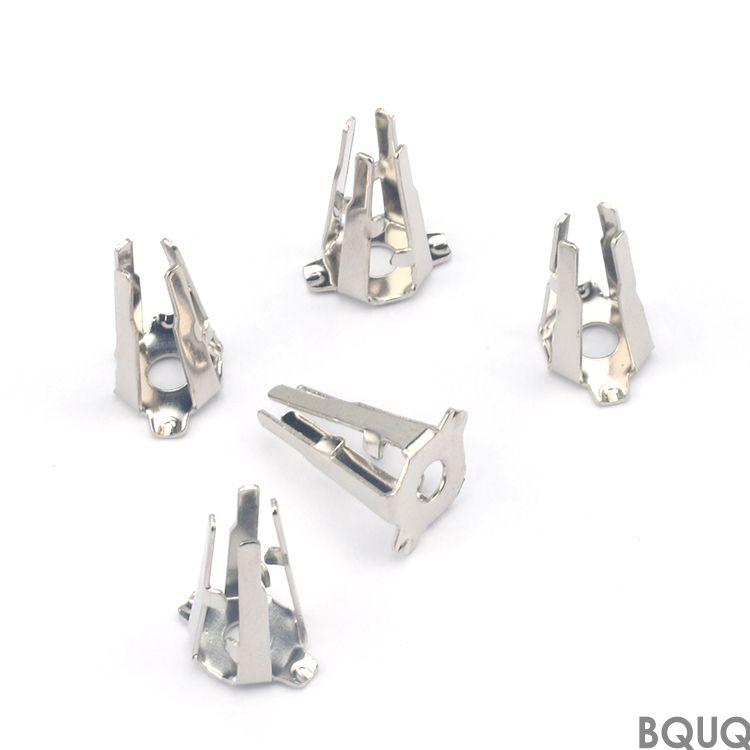
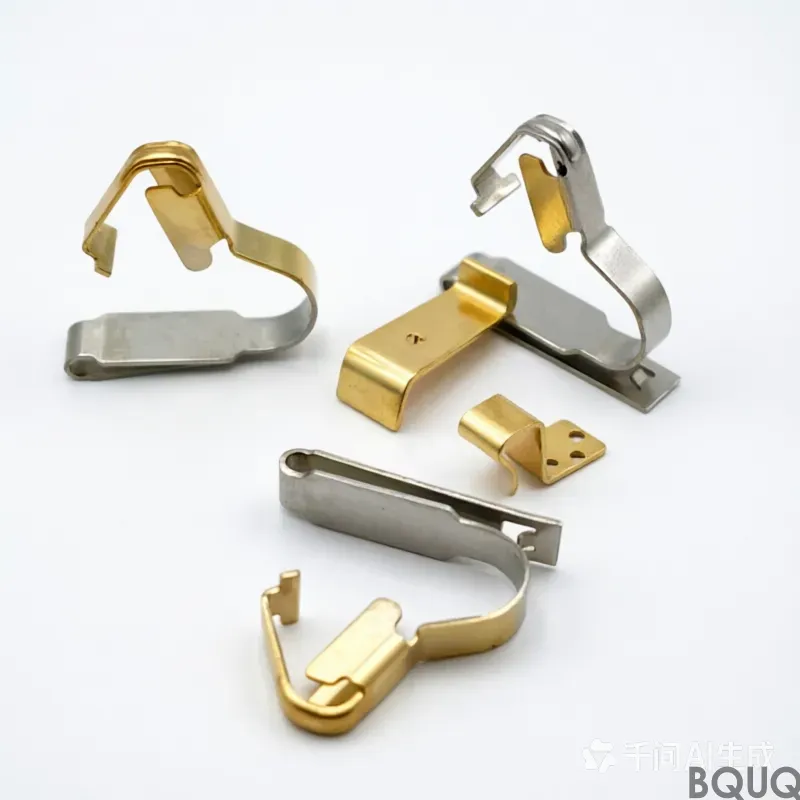
Discover 5 proven ways to reduce cost in metal stamping parts. Optimize design, materials, and supplier partnerships for major savings. Contact us for a quote!
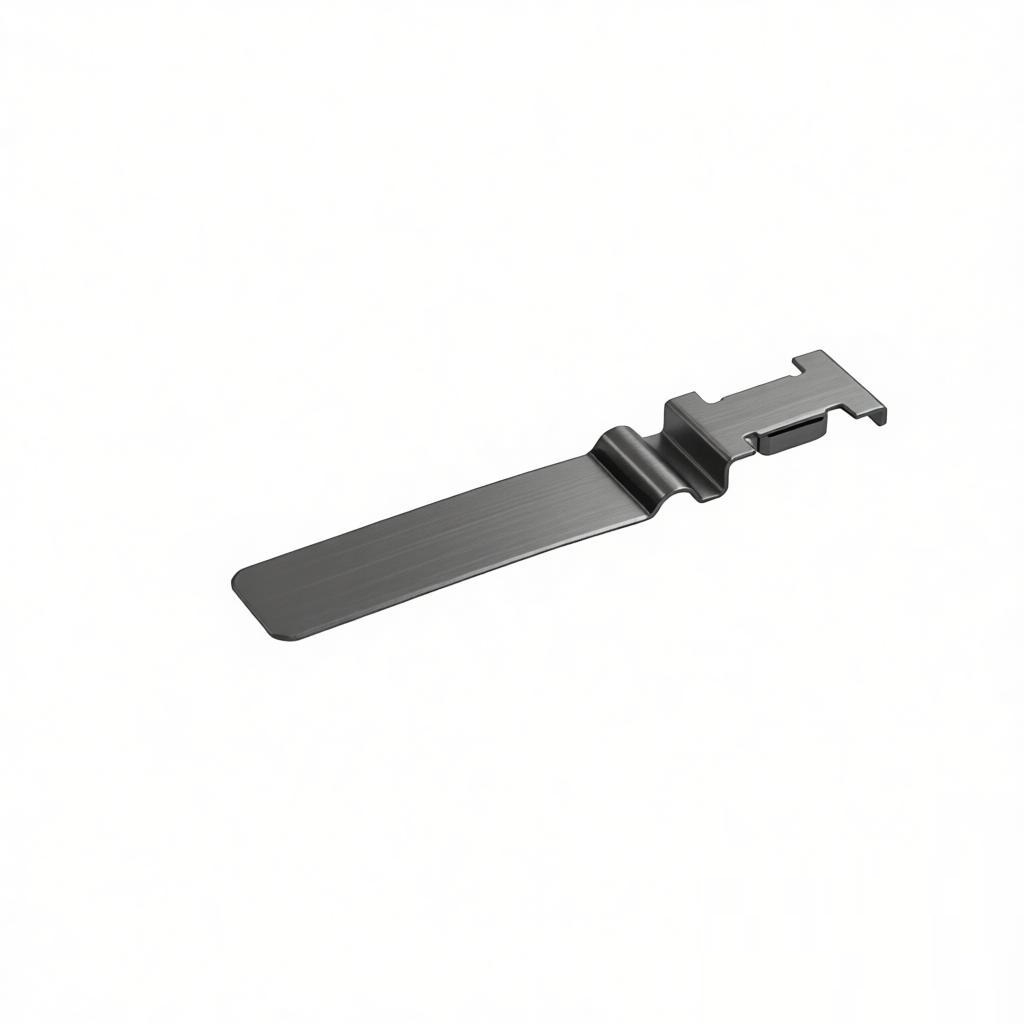
5 Proven Ways to Reduce Cost in Metal Stamping Parts
Reducing costs in metal stamping parts manufacturing is crucial for maintaining competitiveness. By implementing strategic measures, you can achieve significant savings without compromising quality. Here are five proven ways to lower your metal stamping costs.
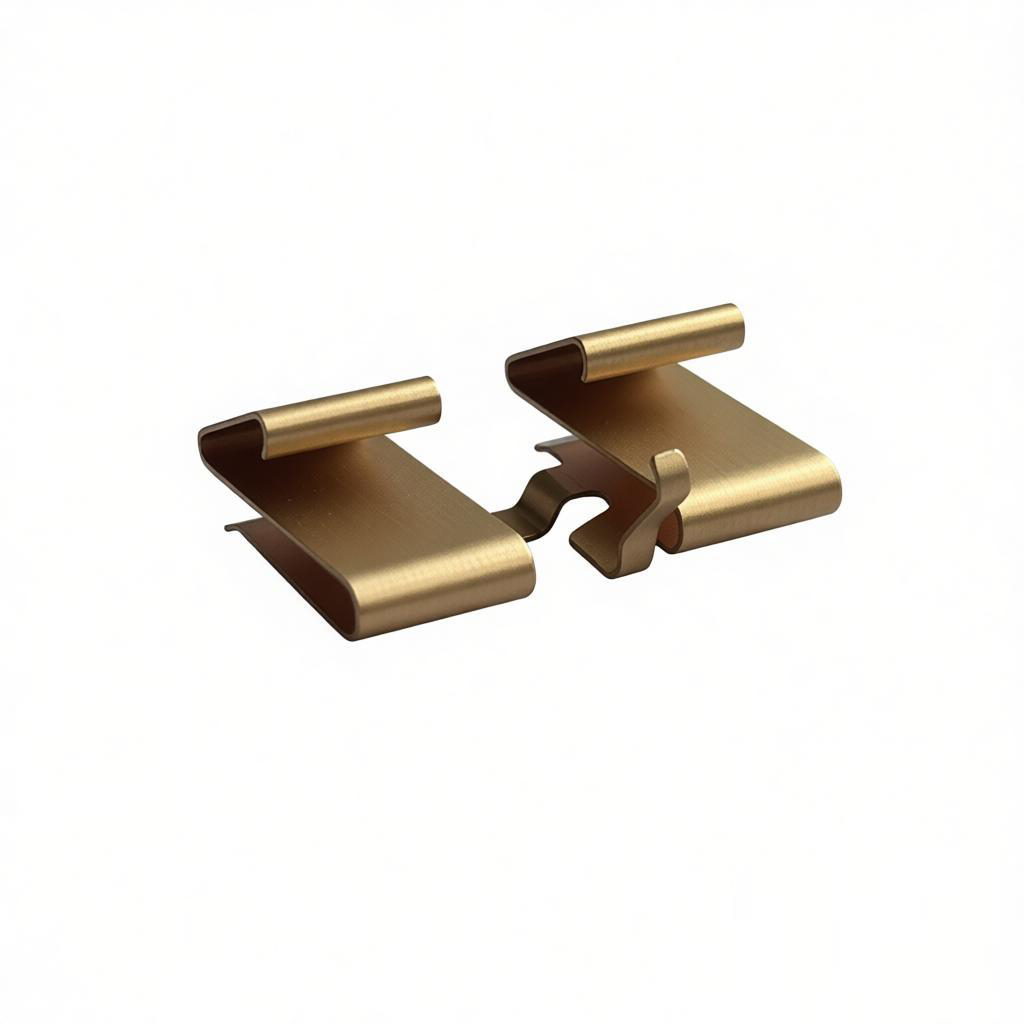
1. Optimize Material Selection and Usage
Material costs often constitute a large portion of metal stamping expenses. Selecting the right material grade can reduce waste and cost. For example, using high-strength low-alloy (HSLA) steel allows for thinner gauges while maintaining strength, lowering material usage. Additionally, consider alternative materials like pre-plated or pre-painted sheets to eliminate secondary finishing operations.
Implement nesting optimization software to arrange parts closely on the sheet, minimizing scrap. Evaluate coil width to maximize utilization. Partner with suppliers to source materials at competitive prices through bulk purchasing or long-term contracts. Recycling scrap metal can also recover some costs.
2. Simplify Part Design for Manufacturability
Complex designs require more tooling and processing steps, increasing costs. By simplifying part geometry—such as eliminating unnecessary bends, reducing tight tolerances, or combining multiple components into a single stamped part—you can reduce die complexity and cycle time. Design features like radii instead of sharp corners improve material flow and reduce die wear.
Early collaboration between design engineers and tooling experts ensures the design is optimized for stamping. Use design for manufacturing (DFM) principles to identify cost drivers. Standardizing features across different parts can also facilitate tooling reuse and reduce setup times.
3. Leverage High-Volume Production and Tooling
Stamping is most cost-effective at high volumes because tooling costs are amortized over many parts. If possible, consolidate orders to increase batch sizes. Consider annual contracts or blanket orders to commit to higher volumes in exchange for lower per-piece prices. Utilize progressive dies that perform multiple operations in one press stroke, drastically increasing output and reducing labor.
Invest in durable tooling made from high-grade steel to extend die life and minimize maintenance downtime. While upfront tooling costs are higher, the long-term savings from reduced replacements and consistent quality justify the investment.
4. Implement Lean Manufacturing Principles
Lean techniques eliminate waste and improve efficiency. For stamping operations, focus on reducing setup times through SMED (Single-Minute Exchange of Die) methods to enable smaller batch runs without cost penalties. Implement 5S organization to reduce motion waste and improve safety. Use statistical process control (SPC) to detect variations early and prevent defects.
Automate processes where feasible, such as using servo-driven presses for precise control and energy savings. Continuous improvement culture encourages employees to suggest cost-saving ideas. Regular training ensures operators follow optimal procedures.
5. Choose the Right Supplier with Value-Added Services
Select a metal stamping partner that offers engineering support, tooling design, and secondary operations like welding, assembly, or finishing. This reduces your need for multiple vendors and lowers total cost. A supplier with experience in your industry can recommend material substitutions or process improvements.
Evaluate suppliers based on total cost of ownership, not just piece price. Consider location, lead times, quality certifications (ISO 9001), and responsiveness. Long-term partnerships foster trust and enable collaborative cost reduction initiatives. Request quotes with detailed breakdowns to identify savings opportunities.
By applying these five strategies, you can effectively reduce costs in metal stamping parts while maintaining quality and delivery performance.
Frequently Asked Questions
How can material selection reduce metal stamping costs?
Material costs are a large part of stamping expenses. Using high-strength low-alloy (HSLA) steel allows thinner gauges while keeping strength, reducing material usage. Pre-plated or pre-painted sheets can eliminate secondary finishing operations. Nesting optimization software and coil width evaluation minimize scrap, while bulk purchasing or long-term contracts secure competitive prices.
What design changes lower stamping part costs?
Simplifying part geometry—removing unnecessary bends, reducing tight tolerances, or combining components into one stamped part—reduces die complexity and cycle time. Using radii instead of sharp corners improves material flow and reduces die wear. Early collaboration between design and tooling experts applies DFM principles to identify cost drivers and standardize features for tooling reuse.
How does high-volume production affect stamping costs?
Stamping is most cost-effective at high volumes because tooling costs are amortized over more parts. Consolidating orders, using annual contracts or blanket orders, and committing to higher volumes lower per-piece prices. Progressive dies perform multiple operations in one press stroke, increasing output and reducing labor, while durable high-grade steel tooling extends die life and reduces maintenance downtime.
What lean manufacturing methods reduce stamping waste?
Lean techniques eliminate waste and improve efficiency. SMED (Single-Minute Exchange of Die) reduces setup times, enabling smaller batch runs without cost penalties. 5S organization reduces motion waste and improves safety. Statistical process control (SPC) detects variations early to prevent defects and maintain consistent quality.