How to run a trial order with a Chinese factory: scope, quantities, inspection points, documentation and the qualification criteria that make the trial meaningful.
Trial Orders From Chinese Factories: Small-Lot Qualification Done Right
Short answer: a trial order is a qualification experiment, not a purchase — its only job is to prove the factory can hold your tolerances, follow your documentation and deliver on a date you both set, at a quantity large enough to stress the real process but small enough that failure is cheap. A meaningful trial is typically 1.5-2x your real MOQ or a few hundred pieces, runs on production tooling (not hand-made samples), and comes with pre-agreed inspection and documentation requirements. If the trial passes those, scale; if it only "looks good," it told you nothing.
Buyers fall into two trial-order traps: ordering a handful of pieces that get made like samples (proving nothing about production), or skipping the trial entirely and qualifying on samples plus references (betting the first real PO on hope). This guide defines a trial order that produces actual information about a supplier.
What a Trial Order Is For
The trial has four goals, in order: process verification — can the factory hold your critical tolerances across a small production run on real tooling; documentation verification — do they ship the records you require (FAI, MTRs, inspection reports) without you chasing; reliability verification — do they hit the agreed date, and how do they handle a problem; and communication verification — how the team responds when something deviates. Notice what is not on the list: price negotiation and relationship building. Those happen anyway; the trial exists to generate evidence about capability.
Sizing the Trial Order
| Goal of trial | Suggested quantity |
|---|---|
| Verify CNC process | 10-50 pcs (real setup, multiple fixtures) |
| Verify stamping die + process | 500-2,000 pcs (die wear + drift visible) |
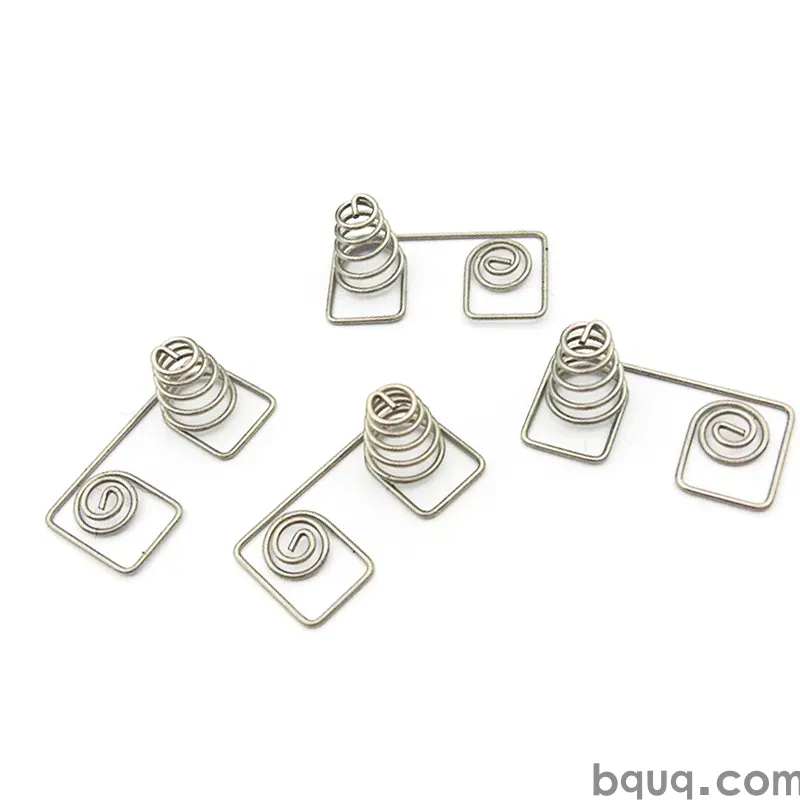
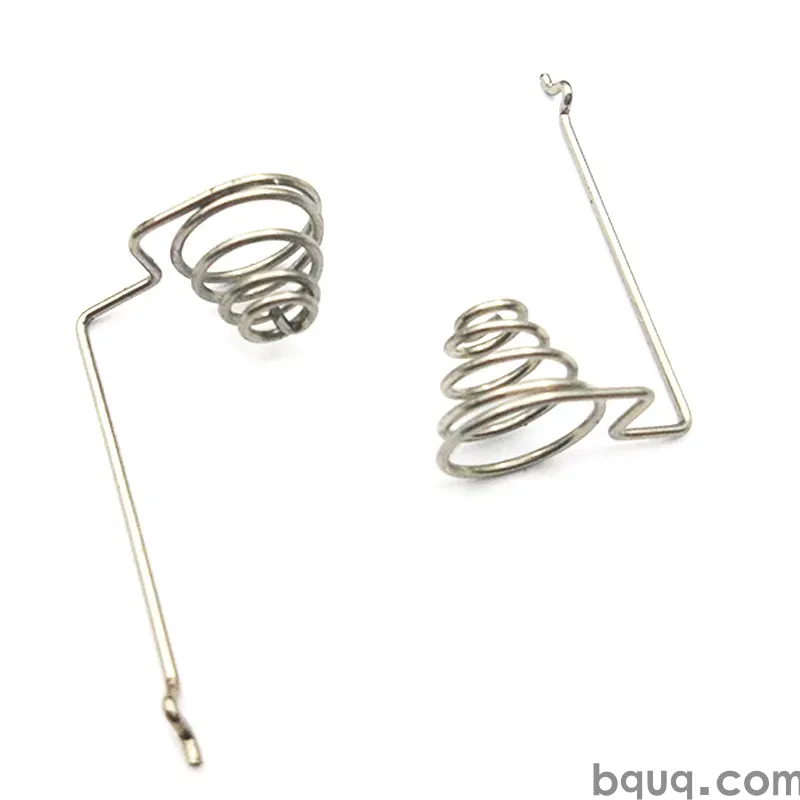
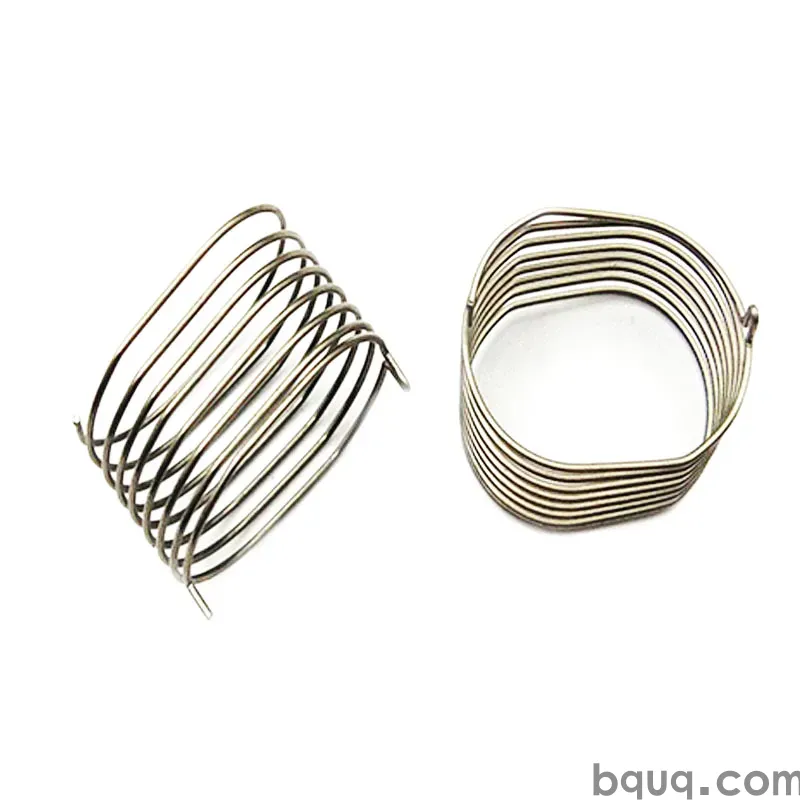
| Verify spring process | 1,000-5,000 pcs (rate consistency) |
| Verify plating/finish line | One production batch size |
| Verify assembly + logistics | 1-2 cartons (packing, docs, shipping) |
The number should stress the process without risking much money: enough pieces to require real setup and production speed, not bench work. For stamping, the trial must run on the production die with enough strokes to show burr growth and dimensional drift. For CNC, a trial of 10 pieces run across shifts tells you more than 50 made in one careful session. When in doubt, ask the factory what minimum quantity engages their standard production flow — that number is usually the honest trial size.
Inspection and Documentation Demands
Write the trial's inspection plan before ordering: FAI on the first production pieces with a full dimensional report against the drawing; in-process checks at agreed points for stamping (burr height, key dimensions every N pieces); final AQL sampling per an agreed level; and photographs — first-off parts, the running setup, and the packed goods. Require the same lot documentation you will demand in production: batch number, material MTR, inspection records. A factory that delivers these on a small trial order without complaint will deliver them on production orders; one that resists on the trial will be worse later. The trial is also your chance to see their measurement equipment — ask which instruments were used for the critical dimensions and how calibration is managed.
Evaluation Criteria: Pass, Conditional, Fail
Score the trial against pre-written criteria. Pass: all critical dimensions within tolerance, documentation complete and on time, delivery on the agreed date, communication clear. Conditional: minor cosmetic deviations with root cause explained and a correction plan; documentation mostly complete with gaps that were quickly fixed; delivery a few days late with advance notice. Fail: critical dimensions out of tolerance with no credible root cause; missing documentation that never arrives; uncommunicated delays; or a pattern of excuses. A conditional pass is normal for a first trial — what matters is whether the factory treats the findings as a checklist to close or a topic to argue about.
Scaling After the Trial
When the trial passes, scale in steps rather than one giant PO: a first production order of roughly 5-10x the trial quantity, with the same inspection and documentation requirements, then review before the next step. Require the same process conditions as the trial — if production tooling or material source changes, the trial evidence is void. Keep the trial records (FAI, photos, evaluation sheet) as the baseline for later disputes: "this dimension was 12.02 mm on the trial FAI and 12.11 mm on batch three" is a conversation; "it was always within tolerance" is an argument.
Frequently Asked Questions
Q: What quantity should a trial order be?
A: Large enough to stress the real process: typically 1.5-2x your production MOQ, or process-meaningful volumes — 10-50 CNC pieces across real setups, 500-2,000 stamped pieces to show die drift, 1,000+ springs for rate consistency. Too small proves nothing; the number should engage standard production flow, not bench work.
Q: What should I check on a trial order from China?
A: Four things: process (critical tolerances across a real run), documentation (FAI, MTRs, inspection reports without chasing), reliability (date adherence and problem handling), and communication (how they respond to deviations). Require the same documentation you will demand in production.
Q: How is a trial order different from samples?
A: Samples prove a process existed once under engineering attention. A trial order runs production tooling at production speed with standard operators, producing parts and documentation you can measure against your acceptance criteria. Samples answer "can they make it"; trials answer "can they make it repeatedly."
Q: What if my trial order has minor defects?
A: Evaluate against pre-written criteria. Minor cosmetic deviations with a credible root cause and correction plan are a conditional pass — common on first trials. The key signal is whether the factory treats findings as a checklist to close or a topic to argue about.
Q: How do I scale up after a successful trial?
A: Step up gradually — a first production order of roughly 5-10x the trial quantity with identical inspection and documentation requirements — then review before the next step. Require the same process conditions as the trial; if tooling or material source changes, the trial evidence is void. Keep trial records as your baseline.
Authored by the BQUQ Engineering Team. BQUQ is an ISO9001-certified source factory in Dongguan, China, running CNC machining, metal stamping, custom springs, heat sink and collet lines under one roof. Send drawings to sc@bquq.com or WhatsApp +86 13713157787 for a quote within 12 working hours. www.bquq.com