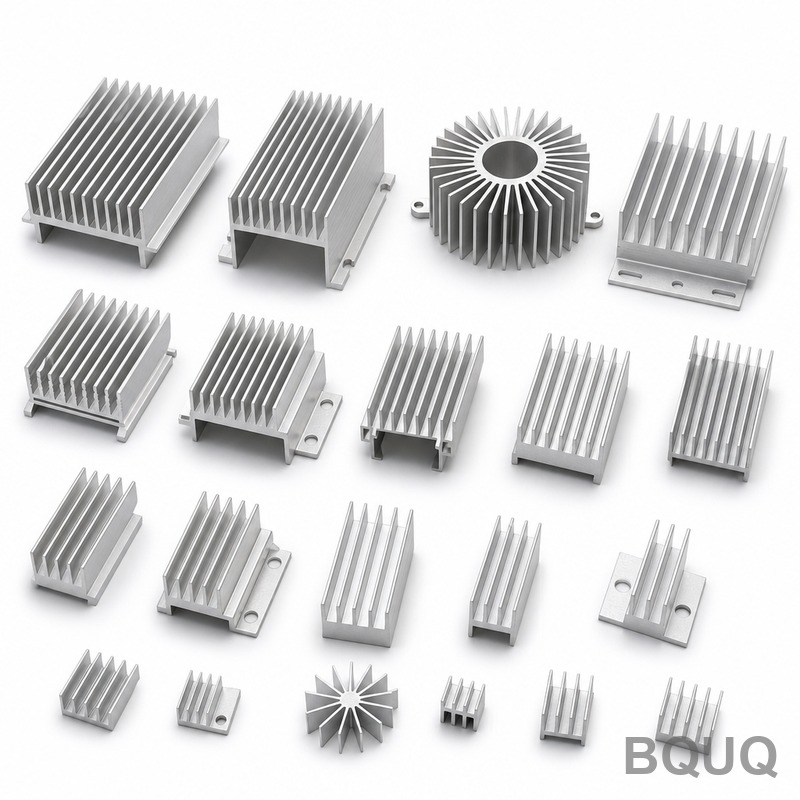
How to Choose the Right Thermal Interface Material for Your Heat Sink
The right Thermal Interface Material (TIM) is selected by matching its thermal conductivity, application method, and compressive stress tolerance to your specific heat sink design
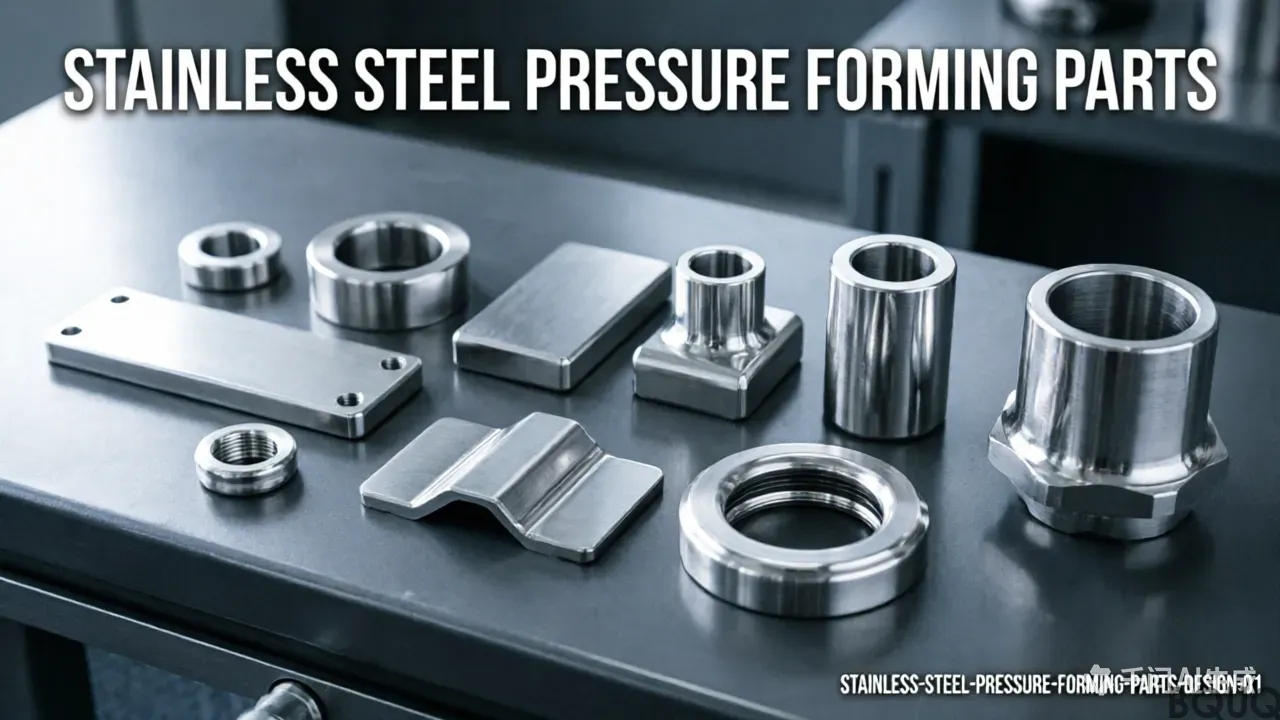
For standard metal stamping, you can expect a dimensional tolerance of ±0.13 mm (±0.005 in) for blanking and forming operations, with precision fine-blanking achieving ±0.025 mm (±
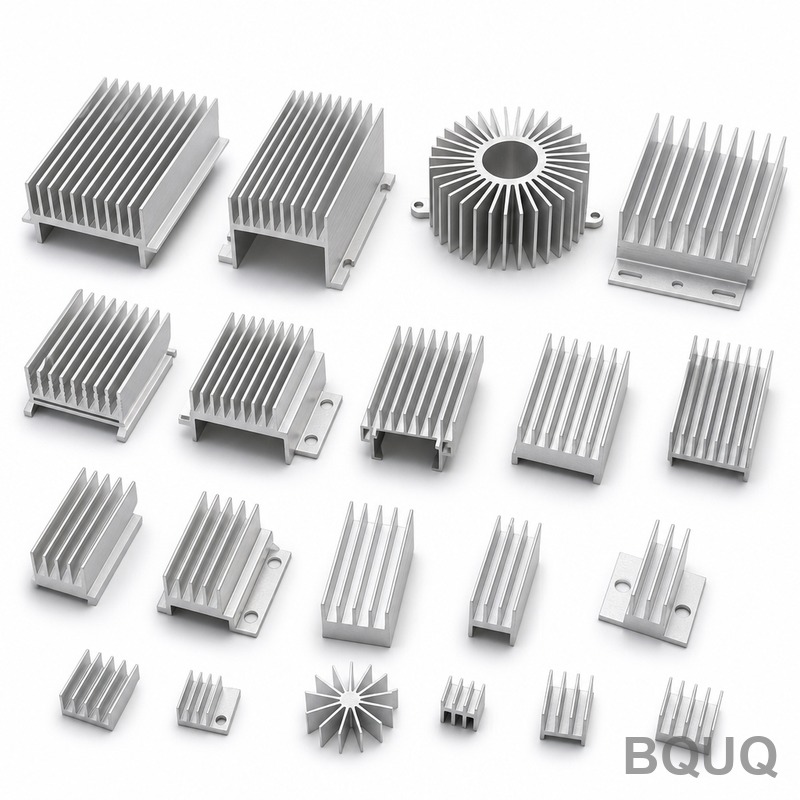
For IGBT and power module heat sinks, the non-negotiable thermal design requirement is maintaining the junction temperature (Tj) below 125°C for silicon-based devices, with a recom
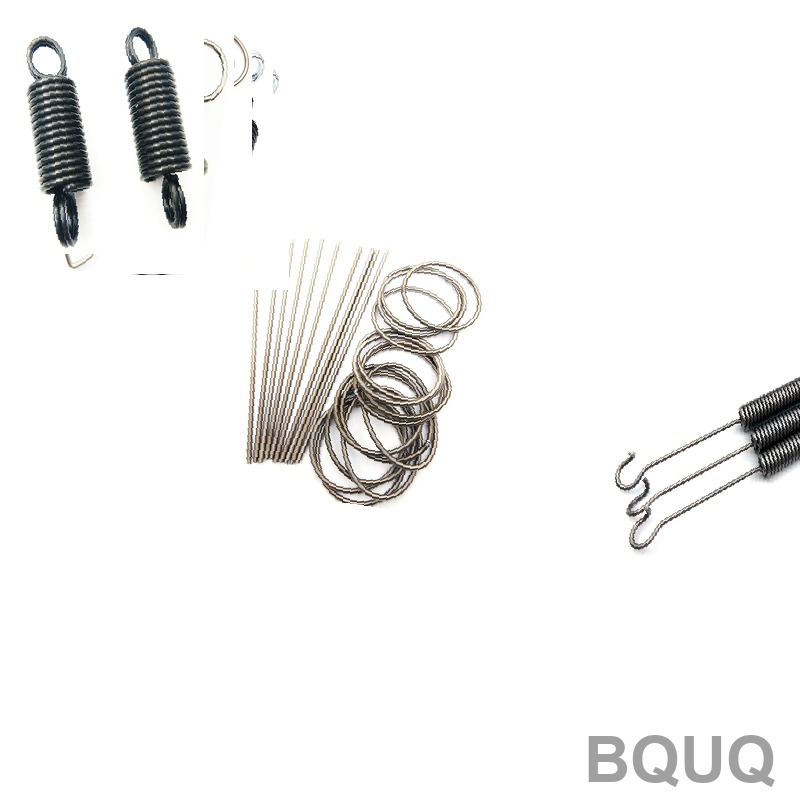
For standard industrial springs, you can expect manufacturing tolerances between ±0.05 mm and ±0.25 mm on wire diameter, ±0.5% to ±2.0% on free length, and ±1.0% to ±3.0% on spring
Thermal Interface Material (TIM) is any thermally conductive compound, pad, adhesive, or solder placed between a heat-generating component (such as a CPU, IGBT, or LED) and a heat