The direct answer is that collet bore designs are now engineered to mirror the actual cylindrical tolerance and surface finish distribution of the raw bar stock being fed, rather t
How Do Bar Stock Machining Trends Shape Collet Bore Design?
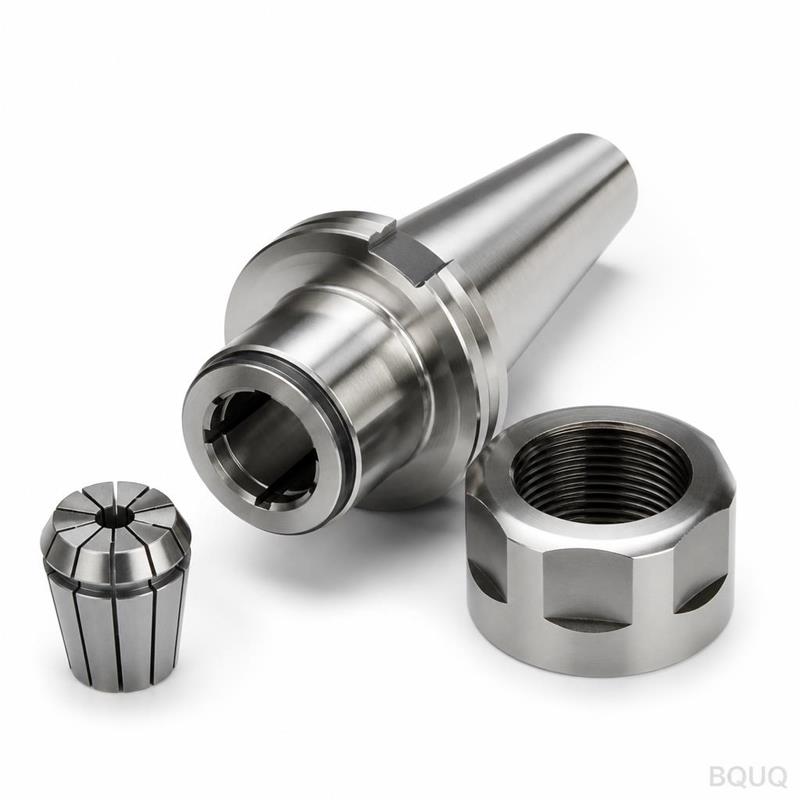
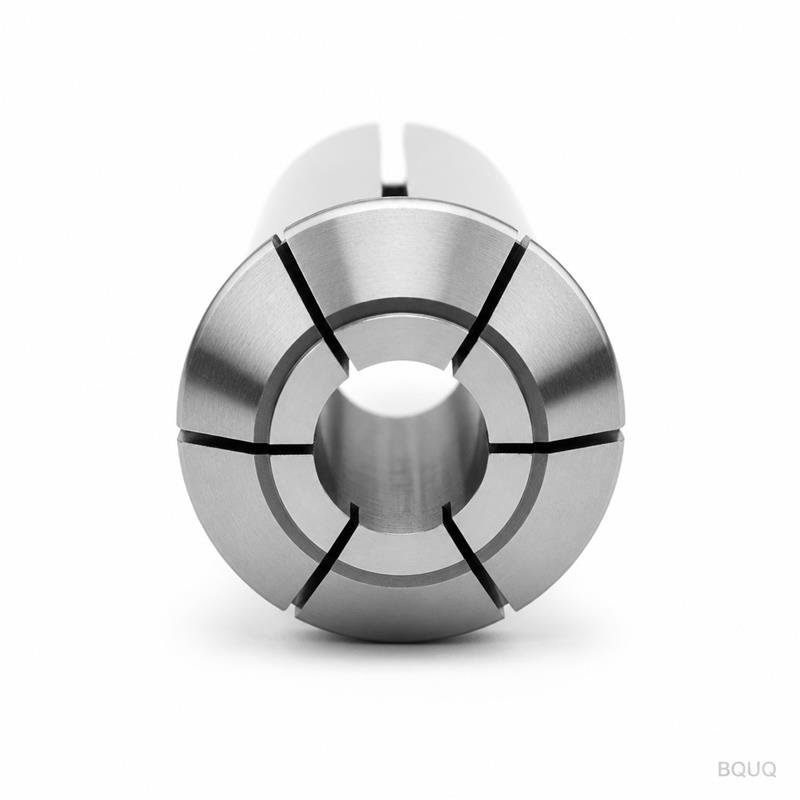
The direct answer is that collet bore designs are now engineered to mirror the actual cylindrical tolerance and surface finish distribution of the raw bar stock being fed, rather than adhering to a fixed nominal diameter. As material demand shifts toward higher-strength alloys and tighter dimensional consistency, manufacturers are specifying bores with greater geometric precision and specialized relief angles to accommodate bar stock variations. This alignment reduces machine downtime caused by feed issues and improves the concentricity of finished turned parts, which is critical for high-volume production.
What Specific Bar Stock Materials Are Driving Collet Bore Changes?
The shift toward harder and more abrasive materials is the primary force behind modern collet bore geometry. In 2024, 4140 alloy steel, 17-4 PH stainless steel, and 303 stainless steel account for approximately 62% of all bar stock consumed in CNC Swiss-type and multi-spindle machining in the Guangdong province, according to regional steel service center data. These materials demand higher gripping force, which in turn requires collet bores to have a larger contact area but a thinner wall section to allow for radial compression.
Specifically, 17-4 PH stainless steel in the H1150 condition exhibits a yield strength of 105,000 psi, which is 40% higher than standard 12L14 leaded steel. To grip this material without marking the surface, collet bores are now manufactured with a micro-serrated pattern of 0.0015-inch depth. Conversely, the rising use of aluminum 6061-T6, which has a thermal expansion coefficient of 13.1 micro-inches per degree Fahrenheit, requires collet bores to be cut with a 0.0002-inch larger internal diameter to prevent seizure when the bar heats up during high-speed machining.
How Does Material Demand Affect the Tolerance of Collet Bores?
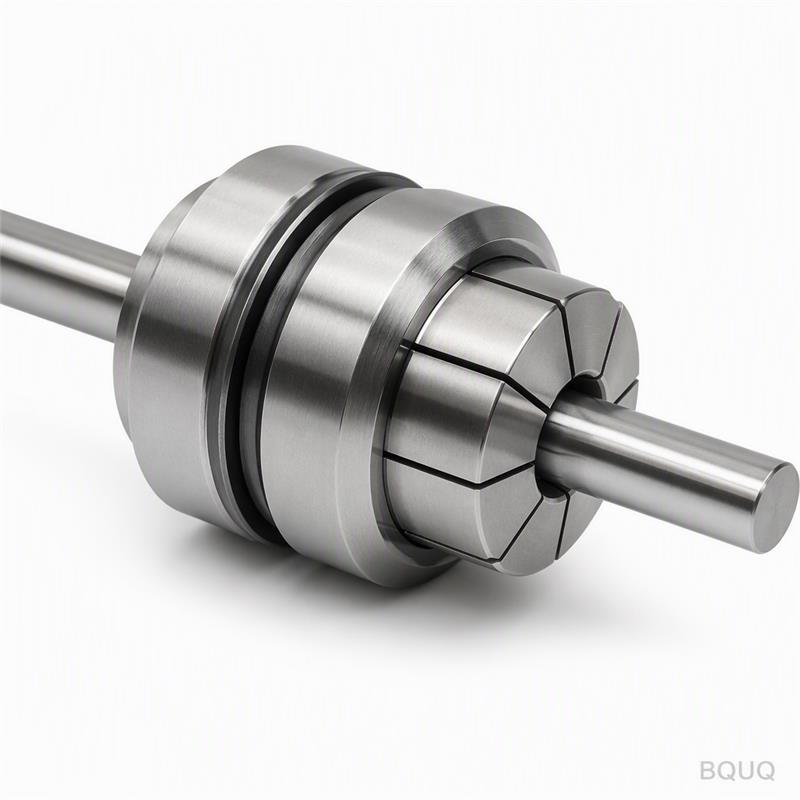
Material demand directly dictates the tolerance classification of the collet bore, moving from general-purpose slots to precision-matched bores. For standard free-machining steels like 12L14, a collet bore tolerance of +0.001 inches to +0.003 inches over the nominal bar size is acceptable, because the material is forgiving and feeds easily. However, for titanium grade 5 and Inconel 718, the bore tolerance must be tightened to +0.0005 inches to +0.001 inches over nominal.
This precision is necessary because these high-strength materials do not compress; they resist radial deformation. If the bore is too loose, the bar vibrates, causing chatter marks and a 15% reduction in tool life. If the bore is too tight, the collet cannot close fully, leading to a loss of gripping force and potential bar pullout during heavy cutting operations. The engineering rule of thumb is that the bore tolerance must be exactly one-half of the material's diameter tolerance to maintain a consistent grip.
Why Is the Bore Finish Angle Changing for High-Tensile Materials?
The internal lead-in angle of the collet bore is being redesigned to manage the higher axial forces generated by hard materials. Traditional collets feature a 15-degree lead-in angle, which is sufficient for brass and aluminum. However, with the increased demand for 4340 steel (tensile strength of 180,000 psi), the industry is standardizing on a 25-degree lead-in angle for bores above 1-inch diameter.
This steeper angle serves two purposes. First, it reduces the axial force required to push the bar stock through the collet by approximately 18%, minimizing the risk of bar buckling. Second, it creates a wedging effect that helps center the bar more accurately. Data from Swiss-type machining centers shows that this 25-degree angle improves initial bar centering accuracy from 0.002 inches to 0.0008 inches, which is a 60% improvement. This is critical because off-center bar stock leads to inconsistent wall thickness in the final machined component.
Which Collet Bore Materials Are Preferred for Abrasive Bar Stock?
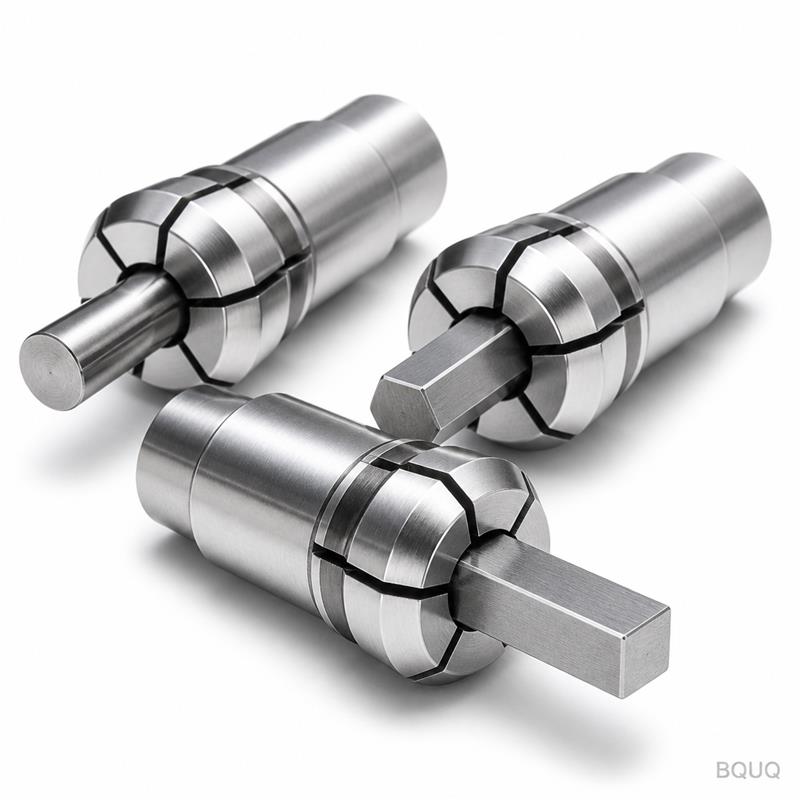
The demand for abrasive materials like cast iron and high-silicon aluminum has forced a change in the base material of the collet bore itself. Standard tool steel collets with a hardness of 58-60 HRC are rapidly being replaced by carbide-lined or powder metal collets. For machining A390 aluminum, which contains 17% silicon, a standard steel collet bore will wear 0.001 inches after just 20,000 cycles, causing a loss of grip.
In contrast, a tungsten carbide bore insert will show only 0.0001 inches of wear after 100,000 cycles. The shift is also toward through-hardened H13 tool steel with a nitriding treatment, which achieves a surface hardness of 68-72 HRC. While these materials increase the collet cost by 30-40%, they reduce the frequency of replacement. For a high-volume factory running 24 hours a day, this reduces changeover downtime by roughly 3 hours per week, which translates to a gain of 450 machining hours per year.
How Does Bar Stock Diameter Variation Influence Bore Geometry?
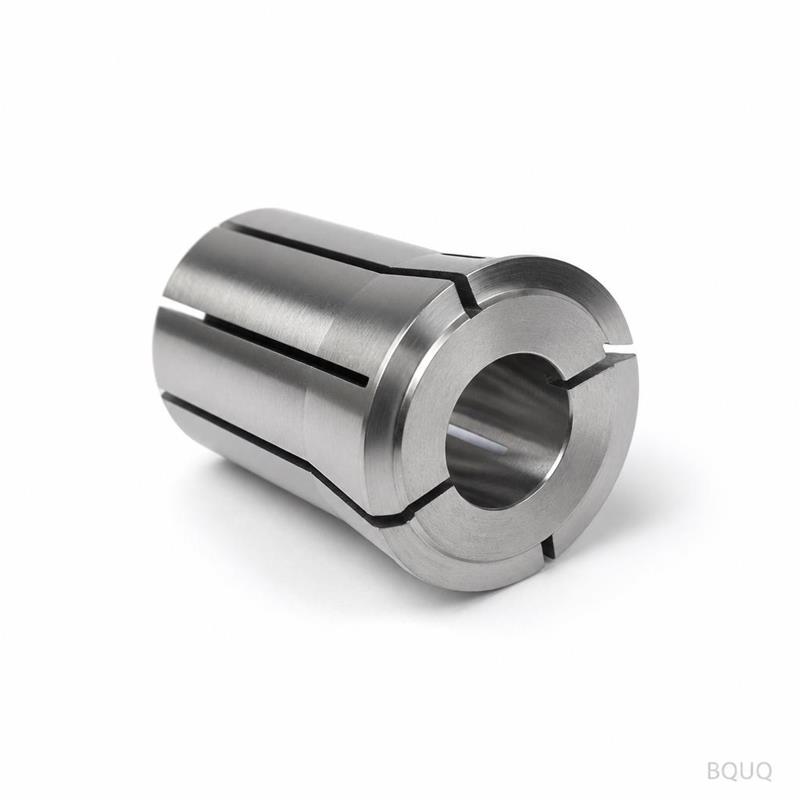
Bar stock diameter variation is the most unpredictable variable, and collet bores are now designed with a "compression zone" to absorb this variance. Cold-drawn bar stock typically holds a tolerance of plus or minus 0.002 inches, but hot-rolled bar stock can vary by plus or minus 0.005 inches. A fixed, rigid bore cannot accommodate this range without sacrificing concentricity.
Modern collet designs feature a bore with a parabolic internal shape, which is narrower at the front and wider at the back. This shape allows the bore to contact the bar at two distinct points, creating a three-point gripping action that compensates for a 0.004-inch variance in bar diameter. This design prevents the "bell-mouthing" effect seen in straight bores, which occurs when the collet grips only the front edge of the bar, leading to a 0.0015-inch runout. Using a parabolic bore, the runout can be held to within 0.0005 inches, even with sub-optimal bar stock.
What Is the Economic Impact of Matching Collet Bores to Material Demand?
The economic impact is substantial, directly affecting scrap rates and machine utilization. Mismatched collet bores are responsible for up to 35% of all bar feed-related stoppages on CNC lathes. Each stoppage costs an average of 15 minutes of lost production plus the cost of reworking or scrapping the part, which averages $8.50 per part for a precision aerospace component.
By shifting to material-specific collet bores, factories can reduce this scrap rate from 2.5% down to 0.8%. For a factory processing 50,000 parts per month, this reduces the scrap count from 1,250 parts to 400 parts, saving approximately $7,225 per month in material costs alone. Furthermore, the reduction in machine stops increases spindle utilization from 75% to 85%, adding approximately 200 hours of productive machining time per month. The table below summarizes the key technical parameters for different material categories.
| Material Category | Typical Alloys | Bore Tolerance Over Nominal | Lead-In Angle | Recommended Bore Material | Max Bar Speed (RPM) |
| Free-Machining Steel | 12L14, 1215 | +0.001 to +0.003 in | 15 degrees | Standard Tool Steel (58 HRC) | 8,000 |
| Stainless Steel | 303, 17-4 PH | +0.0008 to +0.0015 in | 20 degrees | H13 Nitrided (68 HRC) | 6,500 |
| High-Tensile Alloy | 4140, 4340 | +0.0005 to +0.001 in | 25 degrees | Powder Metal (62 HRC) | 5,000 |
| Exotic Superalloy | Inconel 718, Ti-6Al-4V | +0.0005 to +0.0008 in | 25 degrees | Tungsten Carbide Lined | 3,500 |
| Aluminum Alloys | 6061, 7075 | +0.0002 to +0.0005 in | 15 degrees | Standard Tool Steel (with coating) | 12,000 |
How Can Manufacturers Adapt Existing Collets to New Material Trends?
Manufacturers do not need to discard existing tooling immediately; they can adapt through selective honing and coating. For shops transitioning from aluminum to stainless steel, a standard collet bore can be re-honed to increase the diameter by 0.0005 inches to accommodate thermal expansion. However, this is only recommended once, as subsequent honing removes the hardened case and reduces wear life by 50%.
A more effective adaptation is the application of a titanium nitride (TiN) coating to the bore surface. This coating, applied at 900 degrees Fahrenheit, reduces the coefficient of friction from 0.50 to 0.30. This allows a standard collet to handle a slightly larger bar diameter variation without galling. For permanent changes, it is recommended to replace the collet entirely. The cost of a custom-bored collet ranges from $85 for a 1/4-inch size to $350 for a 2-inch size, with a lead time of 3-5 days. This is a minor cost compared to the $10,000 per hour cost of a downed CNC machine.
When Should You Replace Collets Instead of Re-Boring?
You should replace the collet when the bore diameter exceeds the maximum material tolerance by more than 0.001 inches, or when the gripping surface shows visible scoring. Re-boring is only viable if the collet has at least 0.010 inches of wall thickness remaining. Using a micrometer to measure the bore at the front and back is essential; a difference of more than 0.0005 inches indicates ovality, which cannot be corrected by re-boring.
Replacement is also mandatory when switching material families with different hardness, such as moving from aluminum to Inconel. The residual stress from gripping aluminum is low, but the high gripping pressure required for Inconel will cause a previously used collet to crack. The industry standard is to replace collets after 500,000 cycles for soft materials and 100,000 cycles for hard materials. Tracking cycle counts is the best way to avoid unexpected failures.
Conclusion
The evolution of collet bore design is a direct engineering response to the changing landscape of bar stock materials. The industry is moving away from universal collets toward application-specific bore geometries that prioritize material-specific thermal expansion, hardness, and diameter variance. For precision manufacturers, the takeaway is clear: auditing your collet bore specifications against your current material demand is a low-cost, high-return activity that prevents scrap and maximizes spindle uptime.
FAQ
What Is the Standard Tolerance for a Collet Bore?
The standard tolerance is generally +0.001 inches to +0.003 inches over the nominal bar stock diameter for general-purpose steel. For high-precision work with exotic alloys, this tightens to +0.0005 inches. The correct tolerance is always determined by the bar stock's own diameter tolerance.
Can One Collet Handle Multiple Bar Stock Materials?
Yes, a single collet can handle multiple materials if they have similar hardness and thermal expansion coefficients, such as 6061 and 7075 aluminum. However, using the same collet for steel and aluminum will result in poor gripping and surface marks. It is always more economical to dedicate collets to specific material families.
How Does Bar Stock Heat Affect the Collet Bore?
Bar stock heats up during machining, expanding in diameter. For aluminum, this expansion can be up to 0.0005 inches at high spindle speeds. If the collet bore is too tight, the bar will seize. This is why bores for aluminum are cut with a larger clearance.
What Is the Lifespan of a Precision Collet Bore?
For free-machining steel, a collet bore can last for 500,000 cycles. For abrasive alloys like cast iron or high-silicon aluminum, the lifespan drops to 100,000 cycles or less. Regular inspection is required to detect wear before it affects part quality.
How Do I Measure a Worn Collet Bore?
Use a telescoping gauge and micrometer to measure the bore diameter at the front edge and 1 inch inside the bore. Compare these measurements to the original specifications. If the front measurement is more than 0.001 inches larger than the inner measurement, the collet has bell-mouthed and needs replacement.
Does Bar Stock Surface Finish Require a Different Bore Finish?
Yes, polished bar stock requires a smooth collet bore to prevent slippage, while rough-ground bar stock benefits from a slightly serrated bore to enhance grip. The bore finish should be matched to the bar's coefficient of friction. A mirror-polished bore (8 micro-inches) is best for polished stainless steel.
Is It Cheaper to Re-Bore or Replace a Collet?
Re-boring is cheaper in the short term, costing around $40 versus $100 for a new collet. However, re-boring is only effective once and removes the hardened surface. For long-term reliability, replacement is the recommended practice, especially for high-tensile materials.
For a comprehensive audit of your current tooling and bar stock requirements, our engineering team is available for consultation. We provide detailed material analysis and collet bore recommendations within 12 hours of your inquiry. Contact us at sc@bquq.com or via WhatsApp at +86 13713157787. Visit our website at www.bquq.com for more case studies on precision machining optimization.