Stamping Press Selection Guide 2024: Mechanical vs Hydraulic vs Servo Speed and ForceSelecting the correct stamping press is a decision that impacts part quality, cycle time, tool
Stamping Press Selection Guide 2024: Mechanical vs Hydraulic vs Servo Speed and Force
Stamping Press Selection Guide 2024: Mechanical vs Hydraulic vs Servo Speed and Force
Selecting the correct stamping press is a decision that impacts part quality, cycle time, tool life, and total cost of ownership. For over 20 years, BQUQ has manufactured precision metal components using all three major press technologies. This guide provides a data-driven comparison of mechanical, hydraulic, and servo-driven presses, focusing on the two most critical parameters: speed and force. We will break down their operational envelopes, cost structures, and application fit so you can make an informed capital investment.
Understanding the Force-Speed Tradeoff in Press Technology
Every stamping operation requires a specific force at a specific point in the stroke. The fundamental difference between press types lies in how they deliver that force across the slide stroke.
- **Mechanical presses** use a flywheel and crank mechanism. They deliver maximum force only near the bottom of the stroke (typically within 6 to 12 mm from bottom dead center, or BDC). Their speed is high but fixed. - **Hydraulic presses** generate force via fluid pressure. They can deliver full rated force at any point in the stroke, but cycle speed is significantly slower. - **Servo presses** use a servomotor to drive the slide directly. They combine the force profile of a mechanical press with programmable motion control, offering variable speed and force curves.
The table below summarizes the typical operational parameters for medium-capacity presses (100-250 tons), based on industry standards and BQUQ shop-floor data.
| Parameter | Mechanical Press | Hydraulic Press | Servo Press | :--- | :--- | :--- | :--- | **Typical Speed (SPM)** | 30 - 120 | 5 - 30 | 20 - 80 | **Maximum Force Location** | BDC only (within 6-12 mm) | Any point in stroke | Any point in stroke | **Force Accuracy** | +/- 5% | +/- 1% | +/- 1% | **Slide Position Accuracy** | +/- 0.05 mm | +/- 0.10 mm | +/- 0.02 mm | **Energy Efficiency** | Low (flywheel idles) | Low (pumps run constantly) | High (motor on demand) | **Typical Acquisition Cost (150T)** | USD 80,000 - 120,000 | USD 60,000 - 90,000 | USD 180,000 - 250,000 | **Maintenance Cost (annual)** | Moderate | High (hydraulic fluid, seals) | Low (fewer wear parts) |
|---|
Mechanical Presses: Speed for High-Volume Progressive Dies
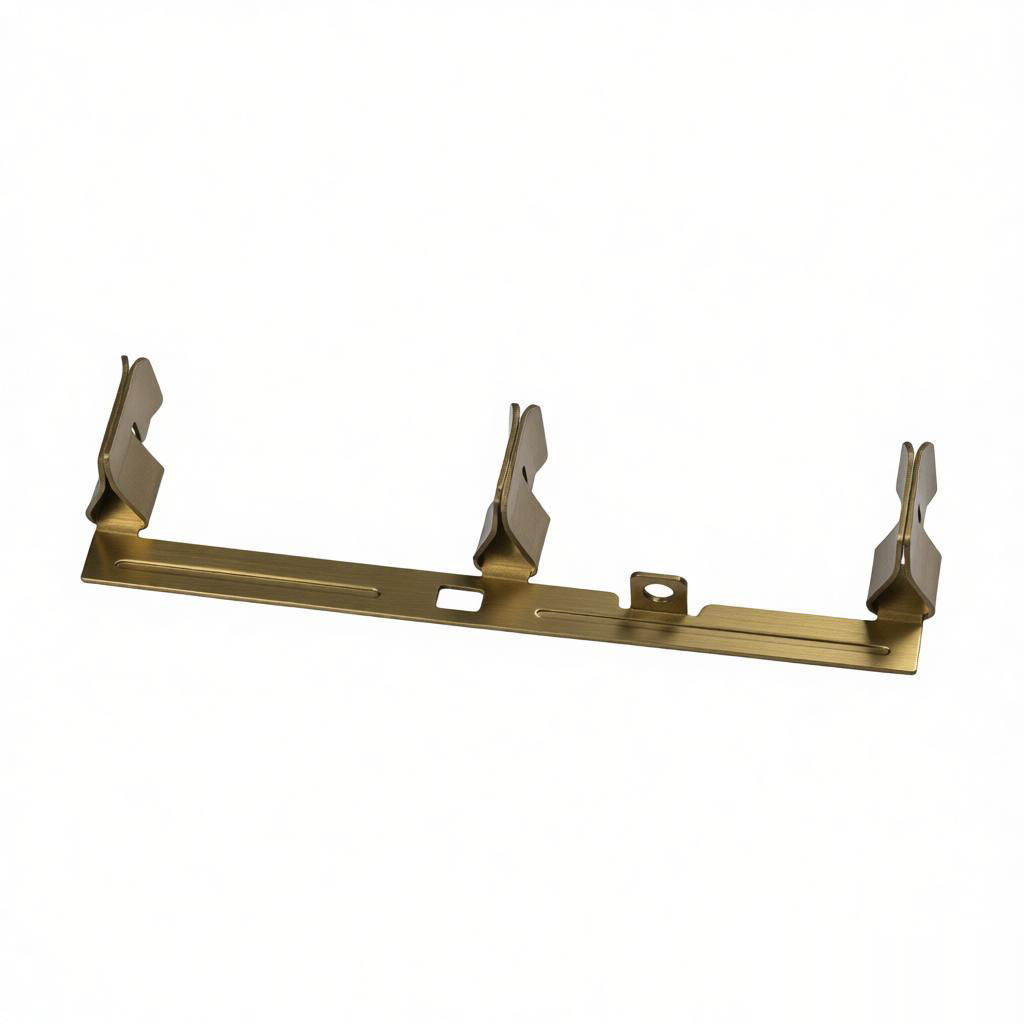
Mechanical presses are the workhorses of the stamping industry. Their key advantage is speed. A 150-ton mechanical press can run at 80-120 strokes per minute (SPM) for light forming, which translates to high output for simple parts like brackets, washers, and electrical contacts.
However, the speed comes with a constraint: full tonnage is only available near BDC. If your part requires a long draw depth (over 25 mm), the available force in the upper portion of the stroke is often only 30-50% of the rated tonnage. This can cause premature die wear or incomplete forming. Tolerances on mechanical presses are generally held to +/- 0.05 mm for blanking, which is sufficient for most automotive and appliance components.
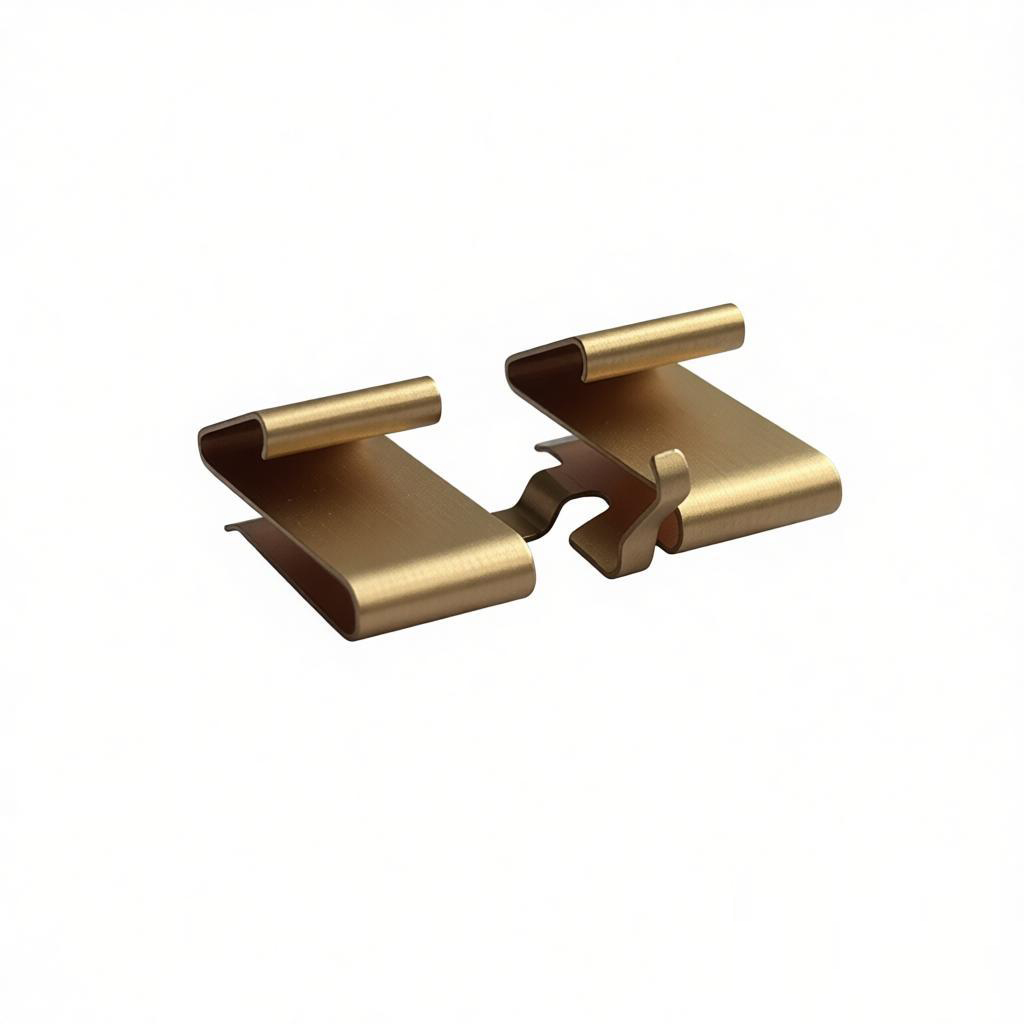
**Design Rule:** If your part has a draw depth greater than 30 mm or requires force control over a long stroke, a mechanical press is often the wrong choice. Use it for blanking, piercing, and shallow forming operations where speed is the priority.
Hydraulic Presses: Force Flexibility for Deep Draws and Heavy Forming
Hydraulic presses excel where force is needed over a long distance. For deep drawing operations, such as stainless steel sink basins or automotive fuel tanks, the press must maintain high tonnage throughout the stroke. A hydraulic press delivers full rated force (e.g., 200 tons) from the top of the stroke to the bottom, which is critical for controlling material flow and preventing tearing.
The trade-off is speed. A typical 200-ton hydraulic press may only cycle at 8-12 SPM. Additionally, hydraulic systems are prone to temperature drift; as the oil heats up during a long production run, cycle times can vary by 2-3%. This requires more frequent adjustment and quality checks. The initial cost is lower than mechanical, but the total cost of ownership (TCO) over 10 years is often higher due to pump maintenance, seal replacement, and higher energy consumption (hydraulic presses use 30-50% more electricity than mechanical for the same work).
**Design Rule:** Use hydraulic presses for deep draws (depth-to-diameter ratio > 0.75), coining, and embossing operations requiring full force at mid-stroke. If your production volume is below 500 parts per day, the slower speed is acceptable.
Servo Presses: Programmable Speed and Force for Complex Parts
Servo presses represent the latest evolution. They use a large servomotor to drive the slide via a ball screw or eccentric gear. The key benefit is programmability. You can set a slow, controlled approach speed (e.g., 20 mm/s) for the first 10 mm of stroke, then accelerate to 200 mm/s for the rapid return. This reduces vibration and extends die life.
For force control, servo presses offer a distinct advantage in precision stamping. They can hold a specific tonnage (e.g., 50 tons +/- 0.5 tons) for a set duration, which is essential for parts like connector terminals that require a specific degree of material compression. The slide position accuracy of +/- 0.02 mm is two times better than mechanical presses, allowing for tighter part tolerances.
The primary drawback is cost. A 150-ton servo press costs roughly 2 to 3 times more than a mechanical equivalent. However, energy savings are substantial: servo presses consume up to 50% less energy than hydraulic presses because the motor only runs during the actual stamping cycle.
**Design Rule:** Choose a servo press for high-value parts with tight tolerances (below +/- 0.03 mm), for progressive dies with complex forming stages, or when you need to reduce noise in a work environment. For simple high-volume blanking, the ROI on a servo press is difficult to justify versus a mechanical press.
Cost Comparison and ROI Analysis: A Practical Example
To illustrate the financial decision, consider a 150-ton press running 16 hours per day, 5 days a week, producing a bracket with a 20 mm draw depth.
- **Mechanical Press:** USD 100,000 purchase. Speed of 60 SPM. Produces 3,600 parts per hour. However, due to the draw depth limit, it requires a double-hit process (pre-form and final form), reducing effective output to 1,800 parts per hour. - **Hydraulic Press:** USD 75,000 purchase. Speed of 12 SPM. Produces 720 parts per hour. Single hit process, but output is low. - **Servo Press:** USD 220,000 purchase. Speed of 40 SPM with programmable motion. Single hit process, producing 2,400 parts per hour.
Over a 3-year period, the mechanical press requires additional die maintenance due to the two-hit process. The hydraulic press requires the most floor space and energy. The servo press, despite a higher upfront cost, achieves the lowest cost-per-part when factoring in labor, energy, and die maintenance. For high-mix, low-volume production, the servo press's flexibility often wins. For dedicated, high-volume simple parts, the mechanical press remains the most economical.
FAQ-Style Selection Tips for Engineers
**Q: Which press type is best for thin materials (0.5 mm or less)?** A: Servo presses are preferred due to their precise speed control at the point of impact, which reduces burr formation and die wear. Mechanical presses can work but require very precise die alignment.
**Q: Can I retrofit a hydraulic press to be faster?** A: Not cost-effectively. The bottleneck is the pump flow rate. Upgrading to a larger pump may increase speed by 20-30% but will increase energy consumption and heat generation, reducing reliability.
**Q: How does tonnage affect die life?** A: For mechanical presses, operating at 80-90% of rated tonnage is acceptable. Operating above 90% accelerates wear on the crank and flywheel bearings. Hydraulic presses can operate at 95% continuously, but seal wear increases exponentially above 85% of maximum pressure.
**Q: What is the typical payback period for a servo press?** A: In BQUQ's experience, the payback period for a servo press is 3 to 5 years when replacing a hydraulic press, due to energy savings and higher throughput. When replacing a mechanical press, the payback is longer, often 5 to 7 years.
**Q: Which press is best for fineblanking?** A: Fineblanking requires a triple-action press (blanking, counter-pressure, and V-ring pressure). Hydraulic and servo presses are capable. Servo presses offer better control of the counter-pressure curve, resulting in a cleaner shear zone.
Conclusion and How BQUQ Can Assist
The correct press selection depends on balancing speed against the required force profile. For high-volume, shallow parts, choose mechanical. For deep draws and heavy force over long strokes, choose hydraulic. For precision, flexibility, and energy efficiency, choose servo. There is no universal best; there is only the best fit for your specific part geometry and production volume.
At BQUQ, we operate a diverse fleet of presses, including mechanical (up to 400 tons), hydraulic (up to 600 tons), and servo (up to 250 tons) in our Dongguan facility. We have 20 years of experience in metal stamping, CNC machining, and heat sink manufacturing. We understand the nuances of press technology because we use them daily to produce millions of parts for global clients.
If you are evaluating a new stamping project or need a second opinion on press selection, our engineering team can provide a free DFM (Design for Manufacturing) review. We offer a 12-hour quoting service for standard parts. Contact us at sc@bquq.com or via WhatsApp at +86 13713157787. Visit our website at www.bquq.com to see our capabilities and request a quote today.
Related Articles
- Design for Stamping: 7 Blanking Layout Rules to Cut Scrap Cost by 18% in 2025
- Stamping Lubricant Selection 2024: Balancing Die Life, Part Quality, and Environmental Compliance
- 5 Proven Ways to Reduce Cost in Metal Stamping Parts
Frequently Asked Questions
What is the maximum force location for a mechanical press?
Mechanical presses deliver maximum force only near the bottom of the stroke, typically within 6 to 12 mm from bottom dead center (BDC). This limits their effectiveness for deep draws over 25 mm, where available force in the upper stroke is only 30-50% of rated tonnage.
How do hydraulic presses compare to servo presses in terms of force accuracy?
Both hydraulic and servo presses offer force accuracy of +/- 1%, which is better than mechanical presses at +/- 5%. However, servo presses provide higher slide position accuracy at +/- 0.02 mm versus +/- 0.10 mm for hydraulic, and they are more energy-efficient with lower maintenance costs.
What is the typical speed range for a servo press?
Servo presses typically operate at 20 to 80 strokes per minute (SPM) for medium-capacity models (100-250 tons). This is slower than mechanical presses (30-120 SPM) but faster than hydraulic presses (5-30 SPM), offering programmable motion control for variable speed and force curves.
What is the acquisition cost for a 150-ton mechanical press?
A 150-ton mechanical press typically costs USD 80,000 to 120,000. This is higher than a hydraulic press (USD 60,000-90,000) but significantly lower than a servo press (USD 180,000-250,000). Mechanical presses also have moderate annual maintenance costs compared to hydraulic presses.