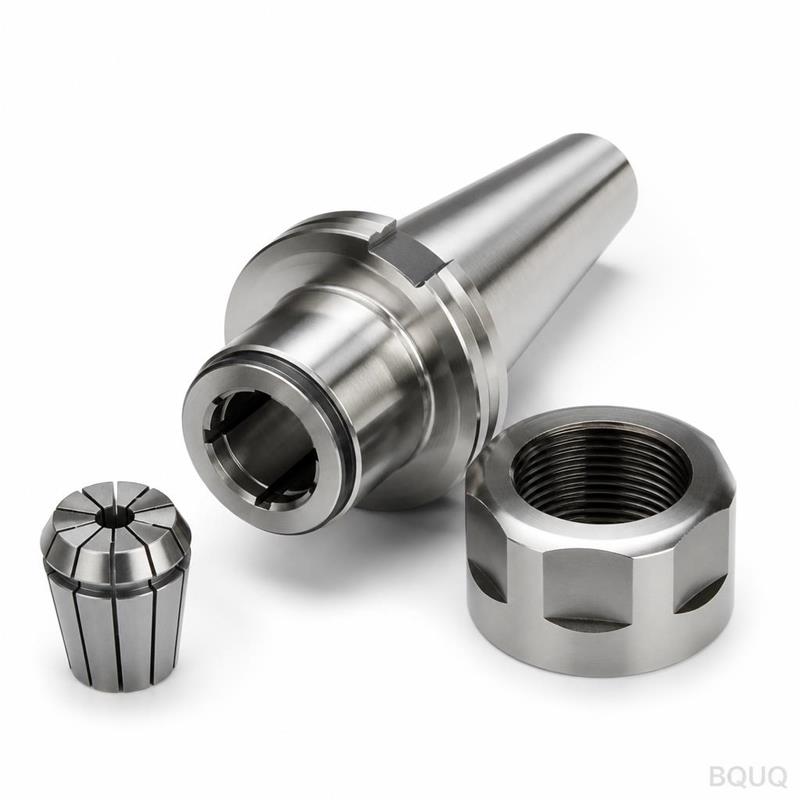
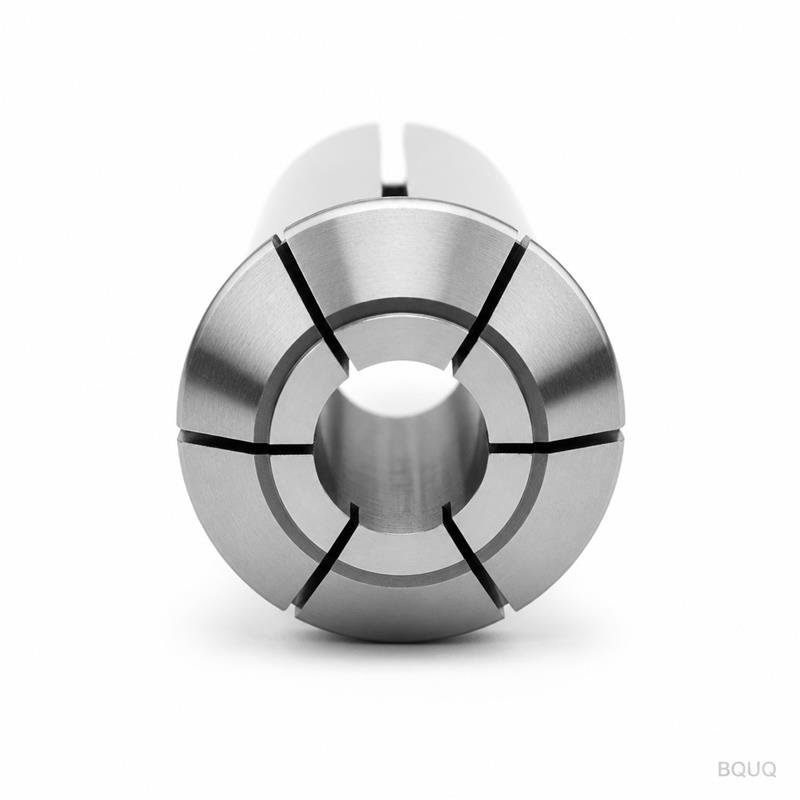
Auto lathe collets are the hidden driver of high-volume precision turning because they directly determine workpiece roundness, concentricity, and cycle time repeatability. A worn o
Why Are Auto Lathe Collets Critical for High-Volume Precision Turning?
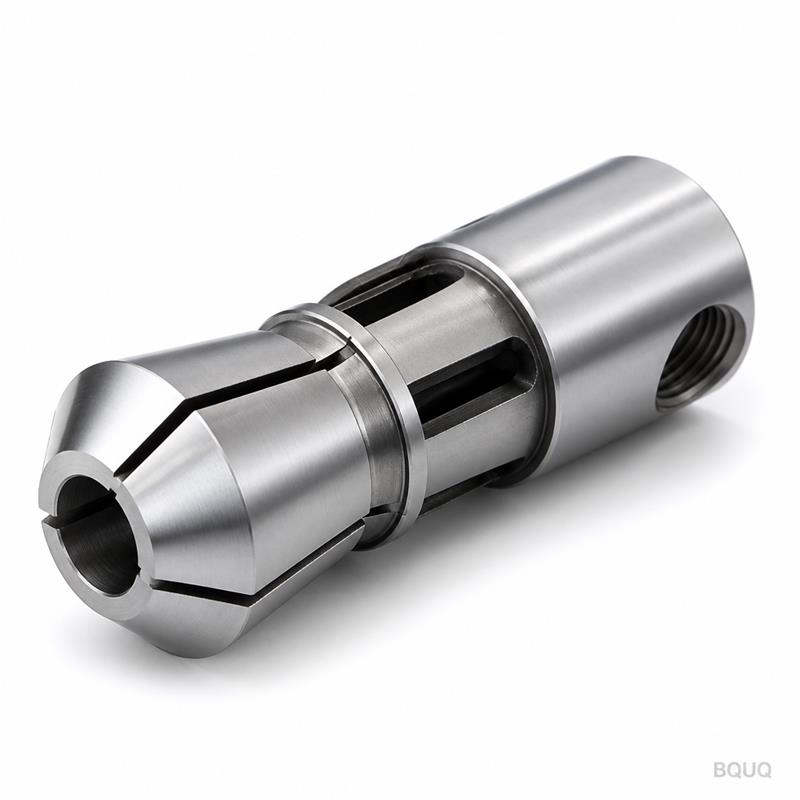
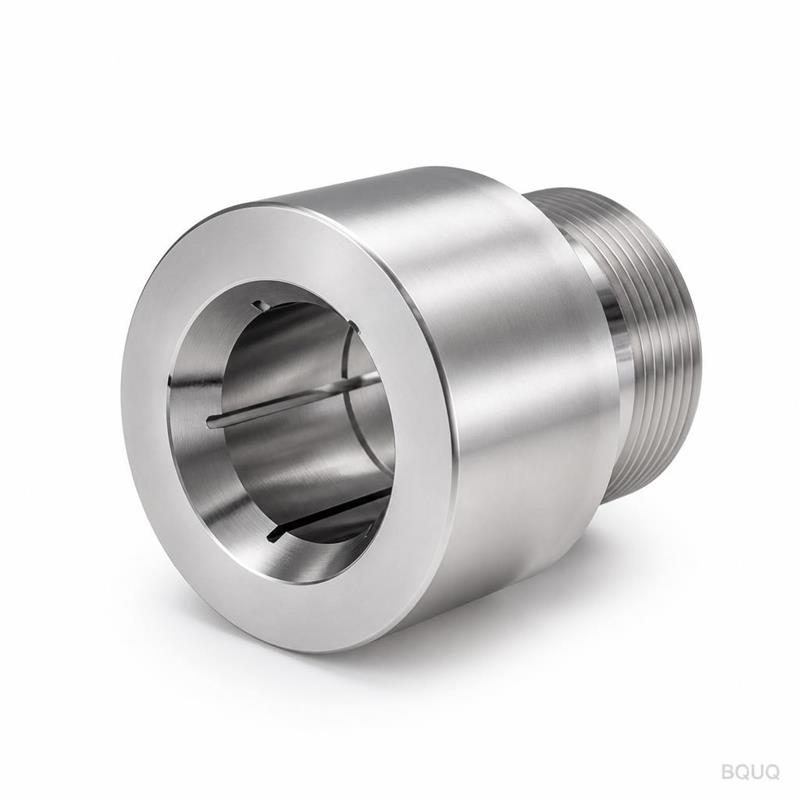
Auto lathe collets are the hidden driver of high-volume precision turning because they directly determine workpiece roundness, concentricity, and cycle time repeatability. A worn or mismatched collet can introduce runout errors of 0.02 mm or more, while a properly selected and maintained collet holds TIR (Total Indicated Runout) within 0.005 mm at 6,000 RPM. Without collet precision, even the most advanced CNC sliding-head lathe cannot produce consistent parts, making the collet the single most cost-effective upgrade for any high-volume shop.
What Specific Tolerances Can Auto Lathe Collets Achieve in Production?
In production environments, precision ground collets typically hold the workpiece with a concentricity tolerance of 0.005 mm to 0.015 mm TIR at the gripping zone. For sliding-head (Swiss-type) lathes, the main spindle collet and the guide bushing collet must work together to maintain bar stock straightness within 0.01 mm over 100 mm of unsupported length. At BQUQ, we measure collet bore accuracy using air gauges, and standard hardened collets (HRC 58-62) maintain their gripping diameter within ±0.0025 mm over 100,000 cycles when properly lubricated.
How Does Collet Clamping Force Affect Part Quality and Tool Life?
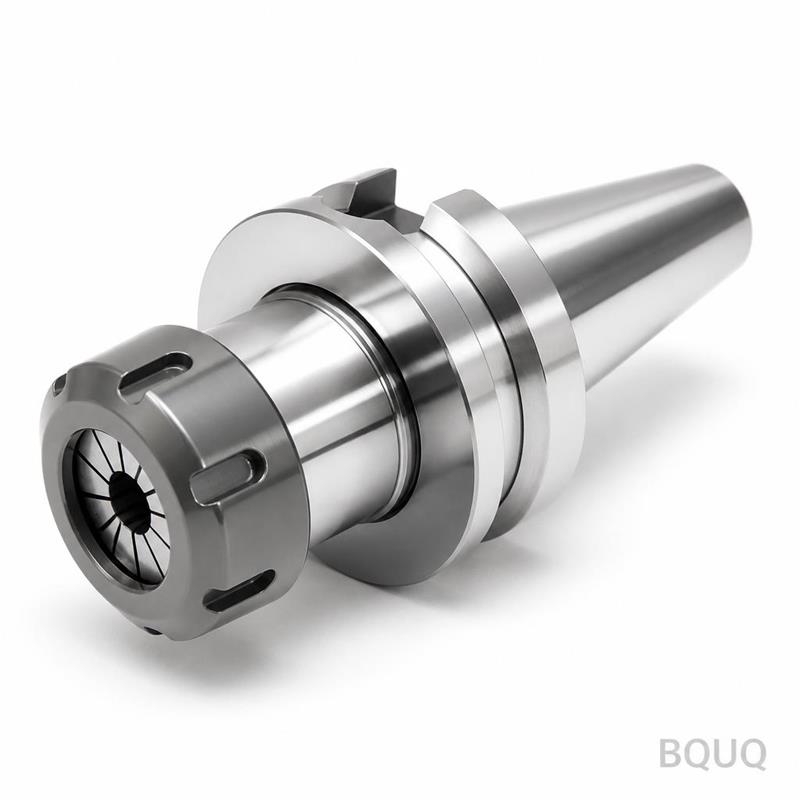
Clamping force directly controls whether the workpiece slips during heavy roughing cuts or distorts during finishing. A typical 20 mm diameter collet generates 8 to 15 kN of axial gripping force at 70 bar hydraulic pressure, which translates to a torque capacity of 25 to 40 N·m. If clamping force drops below 6 kN, the part begins to rotate inside the collet, causing chatter marks, poor surface finish (Ra above 1.6 µm), and accelerated insert wear of up to 30%. Conversely, excessive clamping force above 18 kN on thin-walled tubes (wall thickness under 1 mm) will collapse the part, creating ovality errors of 0.05 mm or more.
Why Does Collet Material Selection Matter for Long-Run Stability?
The collet material must resist wear, maintain spring-back elasticity, and dissipate heat without losing hardness. Most high-volume collets are made from AISI 4140 alloy steel, hardened to HRC 58-62, then ID and OD ground. For abrasive materials like stainless steel 303 or 17-4PH, carbide-coated collets (Titanium Nitride, TiN) extend service life from 200,000 cycles to over 500,000 cycles. Spring steel collets (e.g., 65Mn or SK5) are used for smaller diameters under 8 mm because they offer better elastic recovery, but they have lower wear resistance and require replacement every 50,000 to 80,000 cycles. At spindle speeds above 8,000 RPM, centrifugal force reduces clamping force by up to 20%, so high-speed collets must use lighter materials or compensated designs.
How Much Does a Precision Auto Lathe Collet Cost vs. Downtime Cost?
A single precision collet for a Swiss lathe costs between USD 80 and USD 300, depending on diameter, coating, and tolerance class. However, the true cost is hidden in downtime: replacing a collet on a sliding-head lathe takes 15 to 30 minutes of machine stoppage. On a machine with a shop rate of USD 80 per hour, that single changeover costs USD 20 to USD 40 in unproductive labor alone. If a collet fails prematurely and causes a part rejection, the scrap cost multiplies. For example, a titanium medical screw valued at USD 5 per piece becomes a USD 5 loss plus the cost of re-inspection. Over a year, a shop running 20 machines with poor collet maintenance can lose over USD 15,000 in avoidable downtime and scrap.
What Are the Key Differences Between Guide Bushing Collets and Main Spindle Collets?
The main spindle collet grips the bar stock and rotates, while the guide bushing collet supports the bar immediately behind the cutting tool to prevent deflection. Main spindle collets must have high radial stiffness to resist cutting forces, typically rated at 100 to 150 N/µm. Guide bushing collets, however, must allow the bar to slide axially with low friction (coefficient of friction below 0.1) while providing radial support. The clearance between the guide bushing collet and the bar stock is critical: for standard turning, use a clearance of 0.005 to 0.01 mm, but for burnished or ground bar stock, a clearance of 0.002 to 0.005 mm gives the best surface finish. Using the wrong type of collet in the guide bushing position causes bar whip, leading to taper errors of 0.02 mm over 50 mm length.
How Often Should Collets Be Inspected and Replaced in High-Volume Production?
In 24/7 high-volume production, collets should be inspected every 500 hours of spindle runtime or every 50,000 cycles, whichever comes first. The inspection includes measuring the gripping bore diameter with a plug gauge and checking for cracks or discoloration. A collet should be replaced when the gripping bore wear exceeds 0.01 mm, or when the surface shows galling marks, or when the clamping force drops below 80% of the original spec. As a rule of thumb, standard steel collets last 150,000 to 250,000 cycles, while carbide-tipped collets last 400,000 to 600,000 cycles. Running a collet beyond these limits leads to sudden failure, often during a critical finishing pass.
Which Collet Maintenance Practices Maximize Lifespan and Accuracy?
The most effective maintenance practice is a clean, dry, and lightly oiled collet bore. Use filtered air to blow out chips before each bar feed, and apply a thin film of light machine oil (ISO VG 10-32) to the collet's outer taper and bore every 8 hours of operation. Never use chlorinated cutting fluids as they can corrode the collet spring slots. Additionally, always torque the collet nut to the manufacturer's specification—typically 40 to 60 N·m for a 20 mm collet—using a calibrated torque wrench. Over-torquing by 20% reduces collet life by 50% due to stress cracking at the slot roots. Finally, store spare collets in a sealed container with desiccant to prevent rust, as any rust pit on the gripping surface transfers to the workpiece.
| Collet Type | Material | Hardness (HRC) | Typical Cycle Life | TIR (mm) | Relative Cost (USD) | Recommended Max RPM |
| Standard Steel | AISI 4140 | 58-62 | 150,000-250,000 | 0.010-0.015 | 80-150 | 6,000 |
| TiN-Coated Steel | AISI 4140 + TiN | 58-62 (core) | 300,000-500,000 | 0.008-0.012 | 120-200 | 8,000 |
| Carbide-Tipped | Tungsten Carbide | 88-92 HRA | 400,000-600,000 | 0.005-0.008 | 250-350 | 10,000 |
| Spring Steel (Small Dia) | 65Mn / SK5 | 45-50 | 50,000-80,000 | 0.015-0.020 | 50-90 | 5,000 |
How Do I Know If My Collet Is Worn Out?
Signs of a worn collet include visible scoring lines on the gripping surface, a change in part diameter by more than 0.01 mm, or parts that no longer seat fully into the collet. You should also check for a decrease in the clamping force by measuring the pull-back distance of the draw tube. If the part spins during a cut or if surface finish deteriorates to Ra above 3.2 µm, replace the collet immediately.
Can a Collet Be Reconditioned or Must It Be Replaced?
Collets with minor wear (less than 0.005 mm) can be re-ground on the gripping bore, but this must be done by a specialist with a collet grinding fixture to maintain concentricity. Re-grinding is economical for large-diameter collets (over 25 mm) but not for small collets, where the cost of re-grinding approaches the cost of a new unit. After re-grinding, the collet must be re-hardened if the grinding cut removes more than 0.02 mm of material.
What Is the Difference Between a Dead-Length Collet and a Pull-Back Collet?
A dead-length collet does not move axially when closing, so the part length remains constant, which is ideal for machined parts with tight length tolerances of ±0.01 mm. A pull-back collet retracts the bar slightly when closing, which helps seat the part against a stop but can cause length variations of up to 0.05 mm if the stop is not precisely adjusted. For high-volume precision turning of components like shafts and pins, dead-length collets are the preferred choice.
When Should I Use a Pneumatic Collet Chuck Instead of a Hydraulic One?
Pneumatic collet chucks are suitable for applications with clamping forces below 5 kN and where speed of opening/closing is more important than force stability. Hydraulic collet chucks provide higher and more consistent clamping force (10-20 kN), which is necessary for heavy roughing cuts or when machining tough alloys like Inconel. For general high-volume steel and aluminum turning, pneumatic systems are faster, but hydraulic systems offer better repeatability for tolerances under 0.01 mm.
Why Is Collet Lubrication Critical for High-Speed Operation?
At spindle speeds above 6,000 RPM, the centrifugal force can fling oil away from the collet taper, leading to metal-to-metal contact and galling. Proper lubrication reduces friction between the collet and the spindle nose, preventing overheating that can cause the collet to lose hardness. Use a high-adhesion grease, not oil, on the collet taper for speeds above 8,000 RPM, and reapply every 2 hours of continuous operation.
Which Bar Stock Surface Finish Is Best for Collet Gripping?
The ideal bar stock surface finish for collet gripping is Ra 0.4 to 0.8 µm, which is typical of centerless ground or drawn and polished bar. Rougher surfaces (Ra above 1.6 µm) reduce the effective gripping force by up to 15% because the contact area is reduced. Conversely, a polished surface (Ra below 0.2 µm) can be too slippery and may require a higher clamping force to prevent slipping. For best results, order bar stock with a tolerance of h8 or h9 for diameters up to 30 mm.
The auto lathe collet is a small, low-cost component that exerts outsized control over precision, cycle time, and tool life in high-volume turning. Investing in high-quality collets, implementing a regular inspection schedule, and matching the collet material to the workpiece material will yield a direct return in reduced scrap and increased machine uptime. For engineers and production managers seeking to optimize their turning processes, the collet is the first component to audit.
At BQUQ, we manufacture and supply precision auto lathe collets and full CNC machining services, including turning, milling, and stamping, with 20 years of experience in the Dongguan manufacturing hub. Our engineering team can help you select the correct collet for your specific application, and we offer 12-hour quoting for custom parts and collet orders. Contact us at sc@bquq.com or via WhatsApp at +86 13713157787, or visit www.bquq.com to discuss your high-volume precision turning needs.