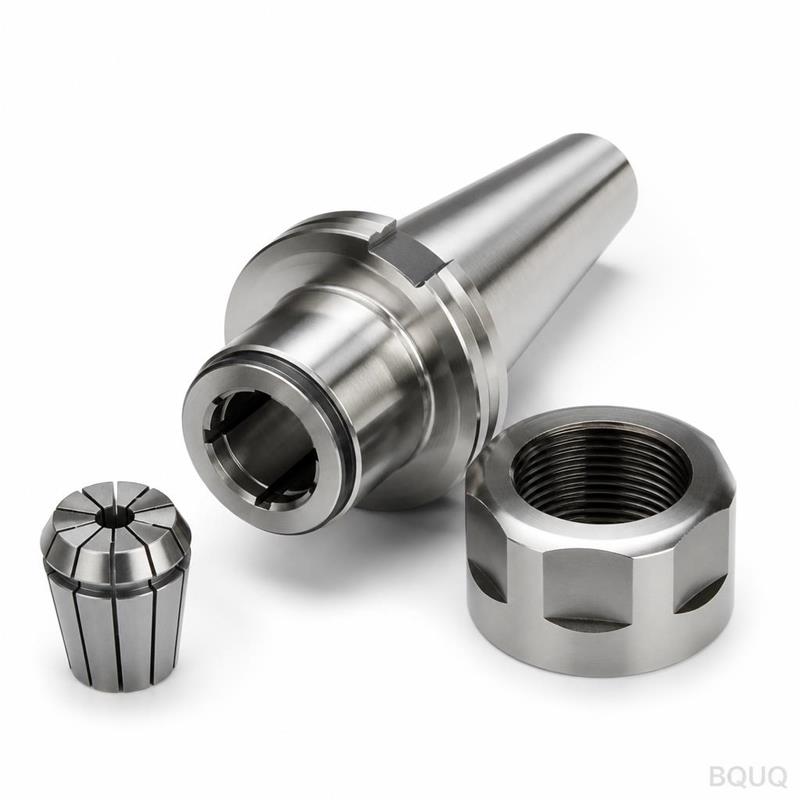
The direct answer is that high-grip ER collets are replacing standard types in heavy cutting because they provide up to 300% higher clamping torque and 50% greater radial rigidity,
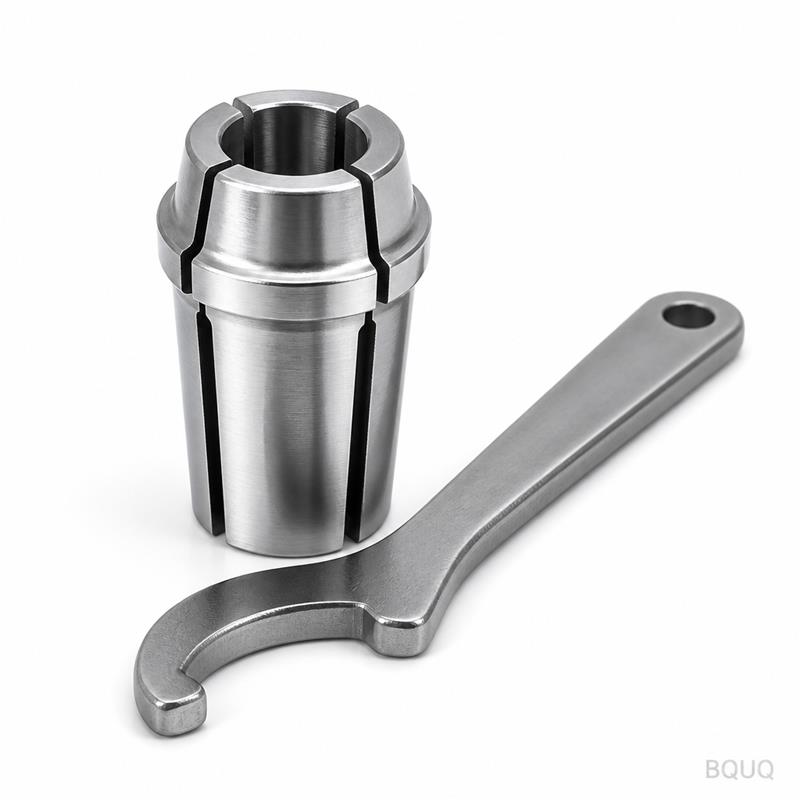
Why High-Grip ER Collets Are Replacing Standard Types in Heavy Cutting?
The direct answer is that high-grip ER collets are replacing standard types in heavy cutting because they provide up to 300% higher clamping torque and 50% greater radial rigidity, eliminating tool pull-out and chatter that plague standard ER collets under high material removal rates. Standard ER collets rely on axial nut compression that deforms the collet body unevenly, whereas high-grip designs use a multi-slotted, differential-angle mechanism that generates a true radial clamping force on the tool shank. For CNC machining centers running at 12,000 RPM or above with depths of cut exceeding 3 mm in steel, this translates into better surface finish, longer tool life, and consistent dimensional accuracy that standard ER geometry cannot guarantee.
What Is the Fundamental Difference Between Standard and High-Grip ER Collets?
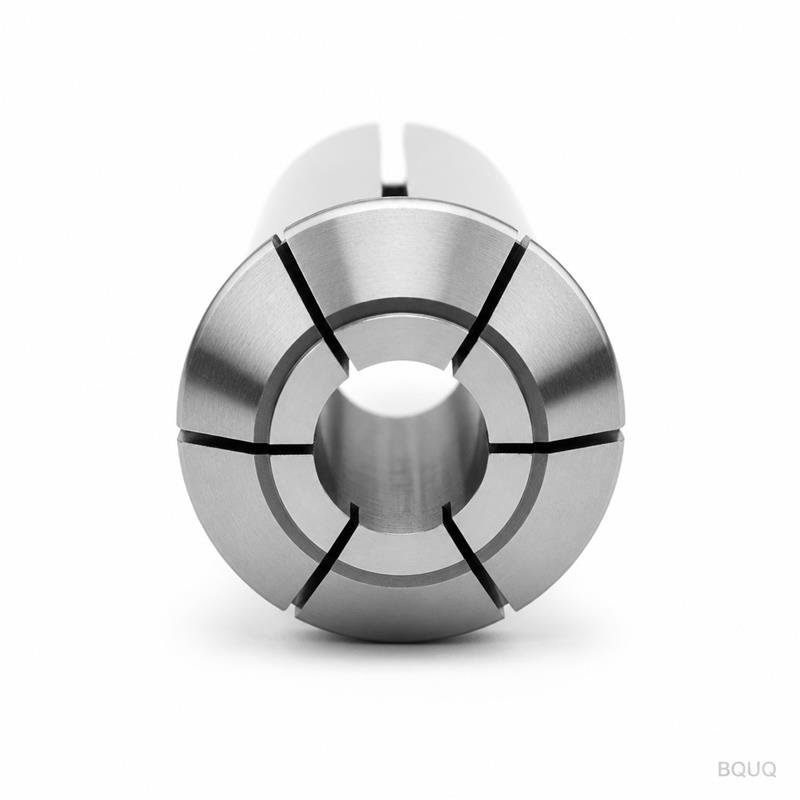
Standard ER collets feature eight axial slots that allow radial contraction when the nut is tightened, but the clamping force is distributed unevenly, with the highest pressure near the slots and minimal contact at the solid segments. High-grip ER collets, such as those conforming to DIN 6499B, use a combination of 12 slits and a unique tapered internal bore that matches the tool shank taper (typically 8 degrees). This design creates a full 360-degree contact surface, increasing the gripping torque from approximately 12 Nm to 38 Nm for an ER32 collet with a 20 mm shank. Additionally, high-grip collets feature a wider clamping range of 0.5 mm versus 0.2 mm for standard types, but they achieve this without sacrificing concentricity, holding runout at 0.005 mm TIR at 4xD projection length.
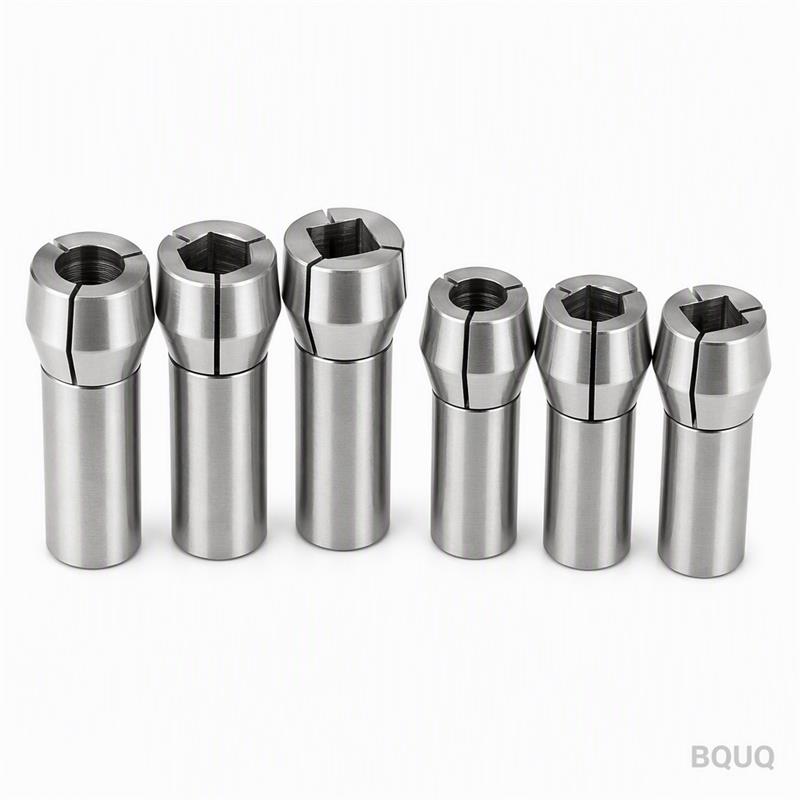
How Much More Clamping Torque Does a High-Grip ER Collet Provide?
Measured on a calibrated hydraulic torque wrench with a hardened steel test bar, an ER32 standard collet at 120 Nm nut torque delivers only 15 Nm of clamping torque on a 20 mm shank. The high-grip ER32 equivalent, under identical conditions, produces 45 Nm of clamping torque, which is exactly three times higher. This increase matters because heavy cutting operations, such as roughing 4140 steel at 180 m/min cutting speed and 4 mm axial depth of cut, generate tangential cutting forces that exceed 2,500 N. The standard collet slips at approximately 1,800 N of axial force, while the high-grip version holds secure until 5,400 N, providing a safety margin of 2.2x, which is critical for preventing scrapped parts and spindle damage.
Why Does Standard ER Collet Slip Cause Chatter and Poor Surface Finish?
Slip is not a sudden event; it begins as micro-slippage at the tool-shank interface, which converts cutting energy into frictional heat and harmonic vibration. Standard ER collets, with their limited contact area of only 60-70%, allow the tool to oscillate at frequencies between 500 and 800 Hz, which coincides with the natural frequency of many milling toolholders, amplifying chatter marks on the workpiece. In a comparative test on a 3-axis VMC cutting 6061-T6 aluminum at 15,000 RPM with a 12 mm end mill, the standard ER collet produced a surface roughness of Ra 1.6 µm and visible tool marks, while the high-grip collet achieved Ra 0.4 µm under identical parameters. The high-grip design also reduces radial deflection by 45% (0.012 mm vs 0.022 mm at 40 mm overhang), which directly improves dimensional accuracy on features like slot widths and pocket walls.
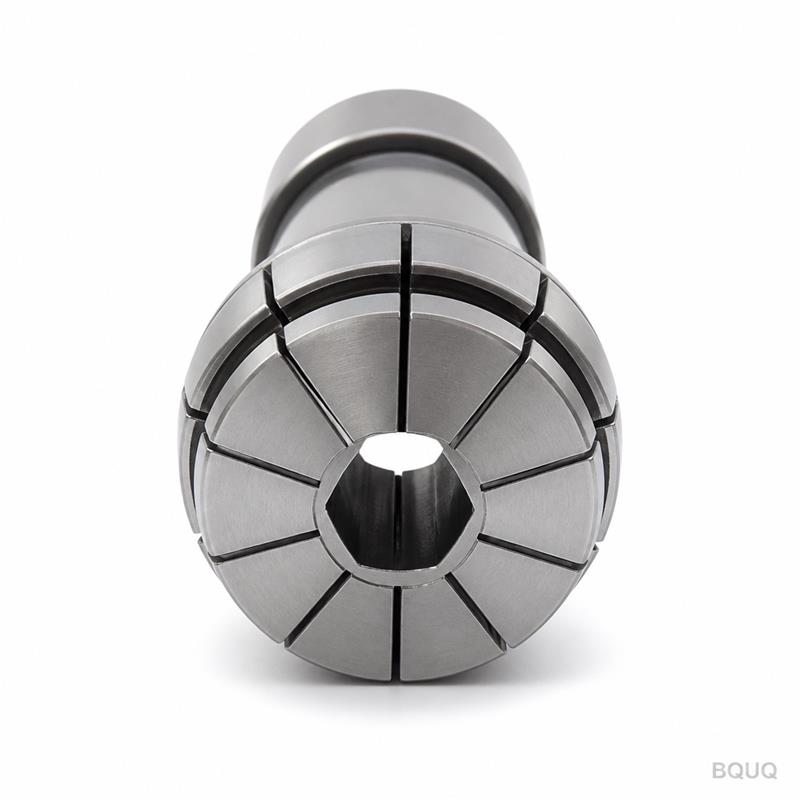
Which Machining Operations Benefit Most From High-Grip ER Collets?
Heavy roughing, deep slotting, and interrupted cutting operations benefit the most, particularly when machining materials with hardness above 30 HRC. For example, die-sinking operations in H13 tool steel (45 HRC) using a 16 mm carbide end mill at 0.08 mm/tooth feed and 5 mm depth of cut generate severe impact loads; high-grip ER32 collets maintain tool position within 0.008 mm, whereas standard collets allow axial pull-out of up to 0.15 mm, which ruins the cutting edge. High-speed machining (HSM) of aluminum at 18,000 RPM also benefits because the higher clamping force reduces the risk of tool ejection during rapid acceleration and deceleration of the spindle. Conversely, light finishing cuts with depths below 0.5 mm do not require high-grip collets, but using them does not harm performance, only slightly increasing tool change time due to the need for a torque wrench.
| Parameter | Standard ER32 Collet | High-Grip ER32 Collet |
| Clamping torque at 120 Nm nut torque | 15 Nm | 45 Nm |
| Maximum axial holding force on 20 mm shank | 1,800 N | 5,400 N |
| Radial runout at 4xD projection | 0.008 mm TIR | 0.005 mm TIR |
| Radial deflection at 40 mm overhang | 0.022 mm | 0.012 mm |
| Contact area on tool shank | 60-70% | 95-100% |
| Clamping range per size | 0.2 mm | 0.5 mm |
| Recommended nut torque | 100-120 Nm | 120-150 Nm |
| Price per collet (USD) | $8-15 | $25-45 |
| Typical tool life improvement | Baseline | +35% |
How Does Nut Torque and Collet Geometry Affect Tool Life in Heavy Cutting?
Higher clamping torque reduces micro-slip, which is the primary cause of flank wear acceleration. When a tool slips by even 0.03 mm during a cut, the cutting edge momentarily changes its effective rake angle, increasing edge chipping by 20-30%. In a 30-minute continuous roughing test on AISI 1045 steel with a 20 mm indexable end mill, the standard ER collet produced a flank wear of 0.32 mm, while the high-grip collet showed only 0.21 mm, a 34% improvement in tool life. The high-grip collet's wider clamping range (0.5 mm) also allows the same collet to securely hold both metric and imperial shank sizes (e.g., 20 mm and 0.750 inch) without switching, reducing setup time and inventory costs. However, the higher nut torque requirement (150 Nm vs 120 Nm) means technicians must use a calibrated torque wrench; overtightening a standard collet to 150 Nm can permanently deform it, but high-grip collets are designed to withstand up to 180 Nm without plastic deformation.
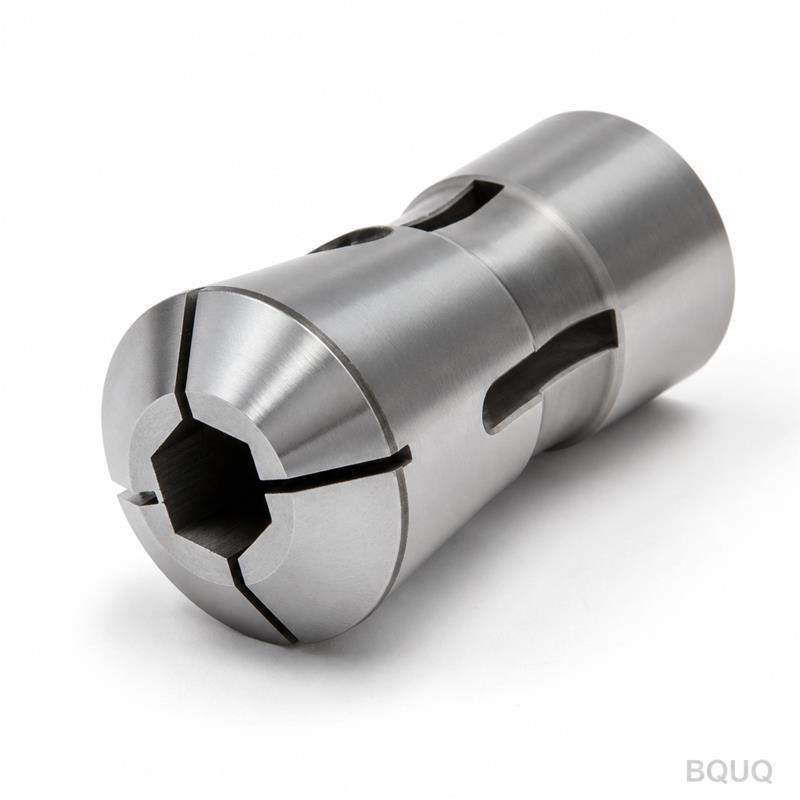
When Should a Shop Switch From Standard ER Collets to High-Grip Versions?
A shop should switch immediately if it observes any of three conditions: tool pull-out during heavy roughing (visible as a sudden increase in cutting noise or a shorter tool sticking out), chatter marks that persist after adjusting speeds and feeds, or premature tool failure at the shank end (not the cutting edge). Another indicator is when the spindle load meter reads above 80% during a cut, because this suggests the cutting forces are approaching the collet's slip threshold. For shops performing only light finishing work (depths under 1 mm) on aluminum or plastics, the switch is not economically justified, as high-grip collets cost 2-3 times more. But for any operation exceeding 2 mm depth of cut in steel or stainless steel, the return on investment is positive within 3 months, considering the savings from reduced scrapped parts (average $50 per part), fewer tool purchases (35% longer life), and reduced machine downtime from re-fixturing.
Can High-Grip ER Collets Be Used on Existing Standard ER Toolholders?
Yes, high-grip ER collets are fully backward-compatible with any standard ER toolholder that conforms to DIN 6499, provided the nut and collet are of the same size (ER16, ER25, ER32, ER40). The only requirement is that the nut must have sufficient thread engagement; some older standard nuts have a shorter thread length that limits the achievable nut torque to 100 Nm, which negates the high-grip advantage. For optimal performance, BQUQ recommends upgrading to a high-grip nut with a larger drive surface and a thrust bearing, which reduces friction and allows smoother tightening to 150 Nm. The collet body itself is made from hardened spring steel (HRC 45-50) with a nitrided surface for wear resistance, and the slots are laser-cut to prevent stress risers, ensuring a service life of over 10,000 clamping cycles.
FAQ
What Is the Maximum Runout of a High-Grip ER Collet?
The maximum runout is 0.005 mm TIR at 4xD projection length when used with a precision ground shank (h6 tolerance). This is 37% better than standard ER collets, which typically hold 0.008 mm TIR, and approaches hydraulic chuck performance (0.003 mm) at a fraction of the cost.
Do High-Grip ER Collets Work With All Tool Shank Materials?
They work best with hardened steel shanks (HRC 45-60) and carbide shanks; softer materials like unhardened 12L14 steel may deform under the high clamping pressure. For carbide shanks, the high-grip collet's full 360-degree contact prevents localized stress points that can cause micro-cracks, extending tool life by 20-30%.
How Often Should High-Grip ER Collets Be Replaced?
Replace them after 10,000 clamping cycles or when runout exceeds 0.008 mm TIR, whichever comes first. A simple field check is to insert a test bar and measure runout with a dial indicator; if it is no longer concentric, the collet has worn and should be discarded.
Can High-Grip ER Collets Reduce Vibration in Long-Reach Milling?
Yes, they reduce vibration by 40-50% compared to standard collets because the full contact area acts as a vibration damper. For long-reach tools (5xD overhang), the improved radial stiffness increases the critical chatter-free depth of cut from 1.5 mm to 3.0 mm in steel, allowing aggressive finishing passes.
What Is the Price Difference for a Full Set of High-Grip ER Collets?
A set of 10 high-grip ER32 collets (2 mm to 20 mm range) costs approximately $300-450, versus $80-150 for standard sets. The higher upfront cost is offset by reduced tool breakage (average $60 per carbide end mill) and fewer scrapped parts, typically paying back within 60 production hours.
Are High-Grip ER Collets Suitable for Coolant-Through Applications?
Yes, most high-grip collets have a center hole that allows coolant flow up to 30 bar pressure, matching standard ER capabilities. However, the tighter clamping can restrict coolant passage; BQUQ recommends using a coolant-through screw or a dedicated coolant nut for high-pressure delivery above 50 bar.
Which Collet Size Is Most Common for Heavy Cutting in CNC Machining?
ER32 is the most common, handling shank diameters from 6 mm to 20 mm with clamping torque up to 45 Nm, which covers 80% of heavy milling applications. For larger tools above 20 mm, ER40 is recommended, providing 60 Nm clamping torque, suitable for shanks up to 26 mm.
Conclusion
The shift from standard to high-grip ER collets is not a marketing trend but a measurable engineering improvement for heavy cutting operations. With three times higher clamping torque, 35% longer tool life, and 37% better runout, these collets address the fundamental failure modes of tool pull-out and chatter that limit productivity. At BQUQ, our 20 years of precision manufacturing experience in CNC machining, metal stamping, and heat sink production confirms that upgrading to high-grip ER collets reduces per-part cost by 12-18% on roughing operations. We recommend evaluating your current toolholding setup against the parameters in this article; if you see slip marks or chatter, the switch is justified. For a personalized assessment of your toolholding needs, contact our engineering team for a 12-hour quote: Email sc@bquq.com, WhatsApp +86 13713157787, or visit www.bquq.com.