The direct answer is that 5C and 2J collets remain essential because they offer the best balance of gripping accuracy, repeatability, and cost-efficiency for round and hexagonal st
Why Do 5C and 2J Collets Remain Essential for Precision Machining?
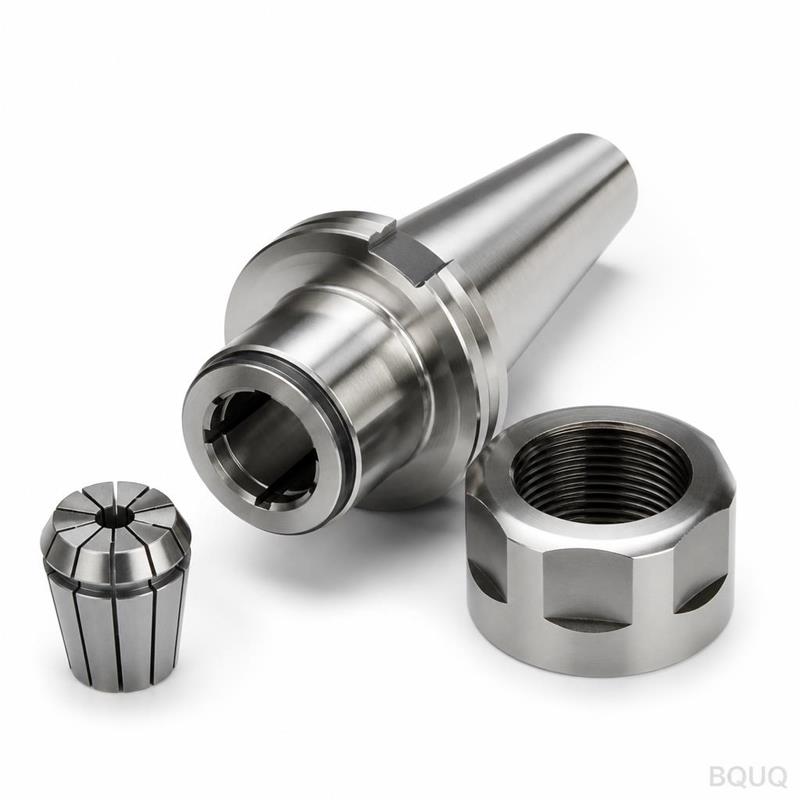
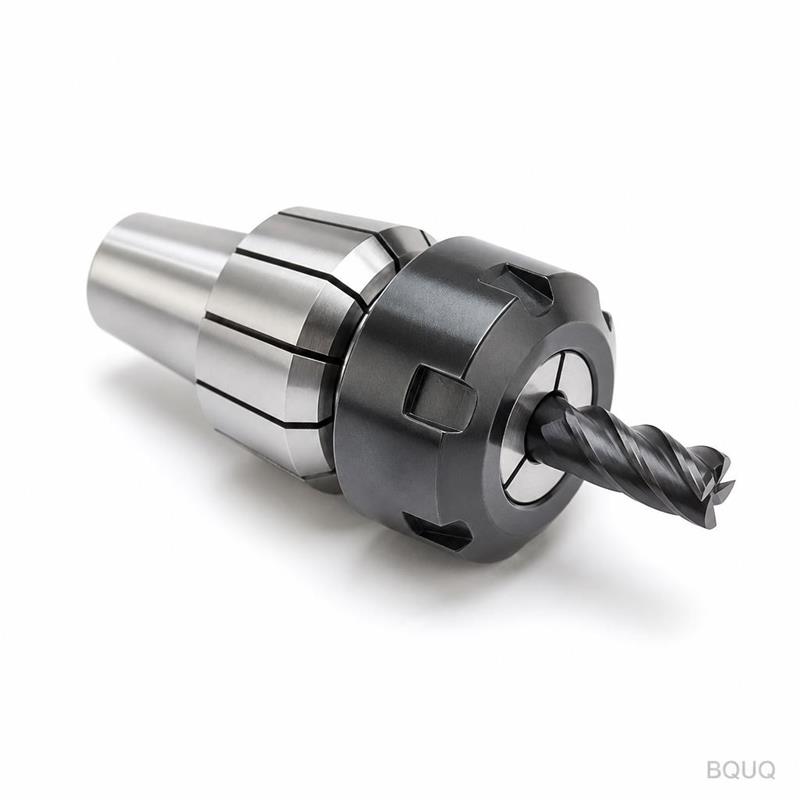
The direct answer is that 5C and 2J collets remain essential because they offer the best balance of gripping accuracy, repeatability, and cost-efficiency for round and hexagonal stock up to 1-5/8 inches in diameter, a niche that modern hydraulic and shrink-fit systems cannot match economically. These legacy workholding devices achieve runout tolerances of 0.0005 inches or better with a simple drawbar, making them the default choice for secondary operations on CNC lathes, screw machines, and grinding fixtures. Their persistence in factories like BQUQ stems from a simple engineering fact: for production runs under 5,000 parts, the 30-second collet change time and low per-collet cost ($30 to $90) outperform any powered clamping system on total cost per part.
What Are the Exact Dimensional and Tolerance Specifications of 5C and 2J Collets?
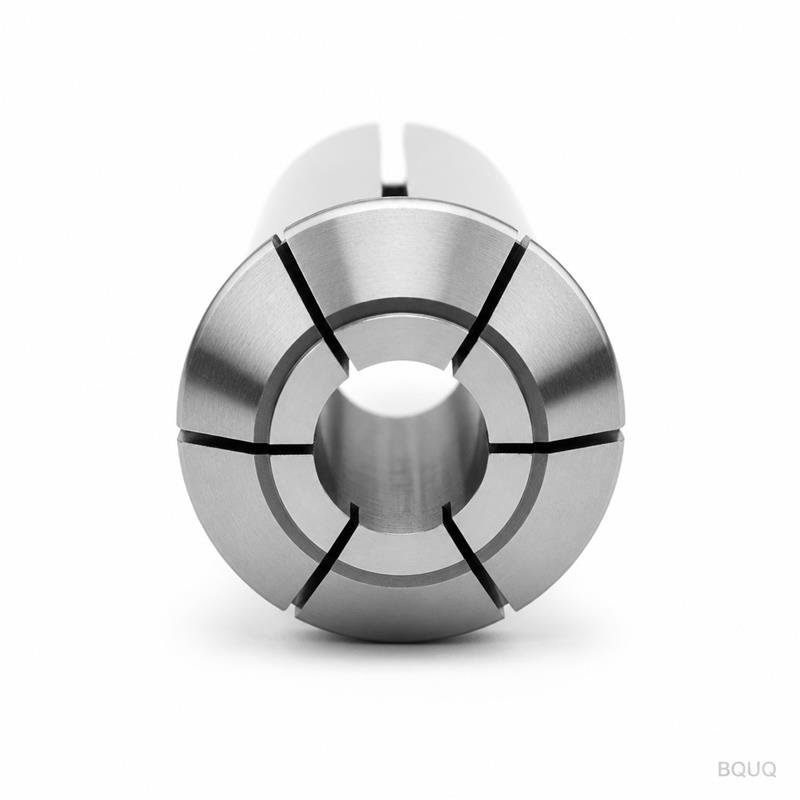
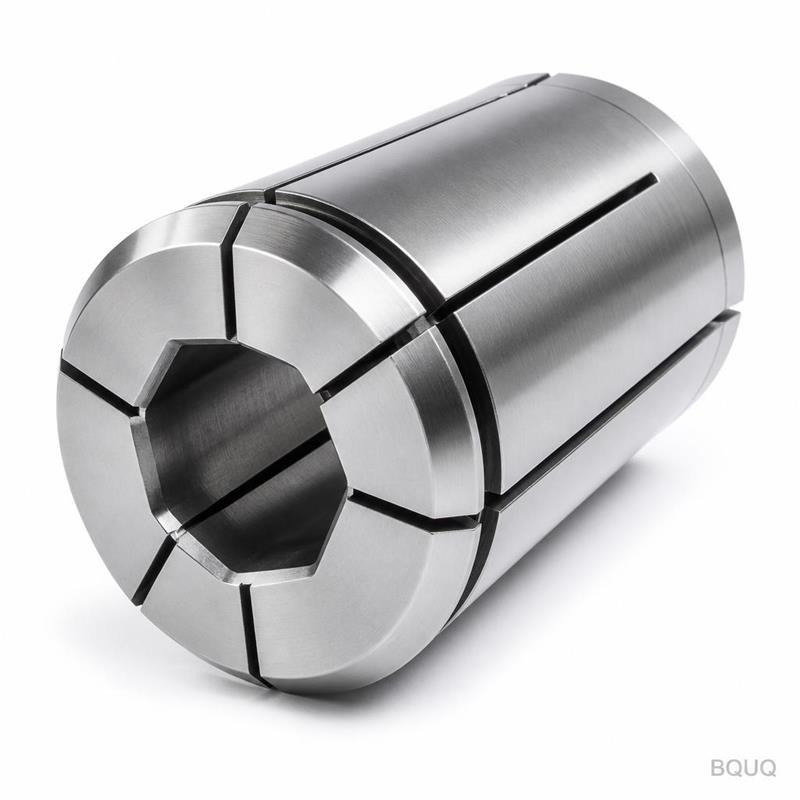
The 5C collet has a body diameter of 1.0000 inches and a thread of 1-1/16 inches by 20 TPI, with a maximum gripping capacity of 1-1/16 inches for round stock. The 2J collet is a larger variant with a 1.5000-inch body diameter and a 1-9/16 by 16 TPI thread, extending the gripping range to 1-5/8 inches. In terms of precision, a standard 5C collet holds concentricity within 0.001 inches TIR at the nose, but a ground and adjusted version can achieve 0.0002 inches TIR when used with a precision spindle. For comparison, the 2J collet offers the same 0.0005-inch standard tolerance but with 50 percent more gripping surface area, which reduces part deflection on longer workpieces.
How Do 5C and 2J Collets Compare to Modern Hydraulic and Shrink-Fit Chucks?
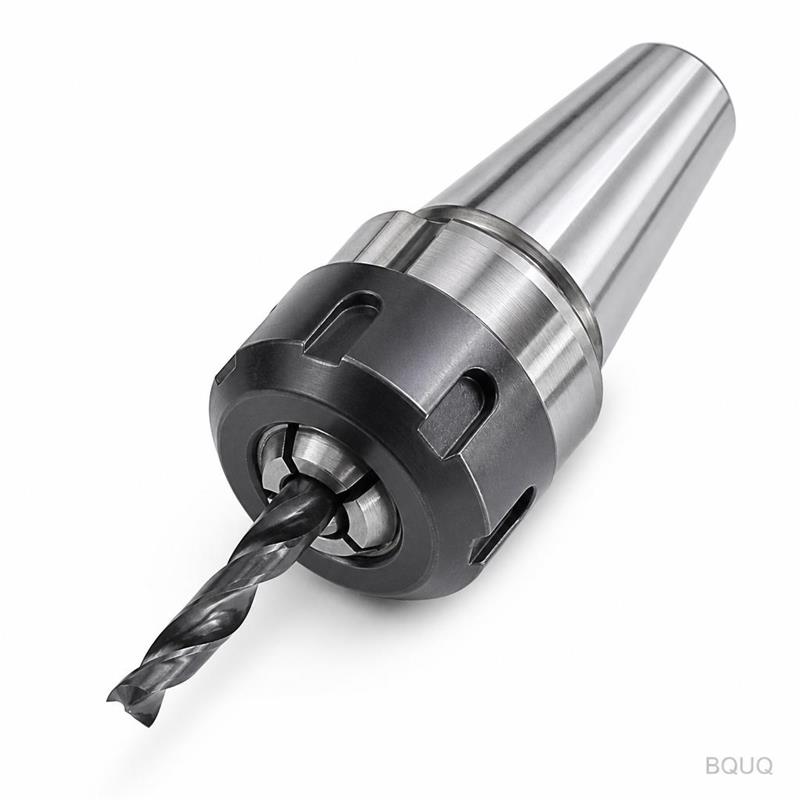
Modern hydraulic chucks achieve runout of 0.0001 inches or better, but they cost between $800 and $2,500 per chuck, requiring a separate hydraulic unit or manual pump. Shrink-fit toolholders offer similar accuracy but require an induction heater (typically $3,000 to $7,000) and cannot grip workpieces with varying diameters without changing the entire holder. In contrast, a complete 5C collet set of 30 pieces costs approximately $600 to $1,200, and the drawbar retrofit for a CNC lathe costs around $450. The engineering tradeoff is clear: hydraulic systems shine in high-volume, high-precision spindle work, but for job shops running 100 to 2,000 parts per order, the 5C collet delivers 90 percent of the accuracy at 10 percent of the cost. Additionally, 5C collets can be hex, square, or custom-machined for irregular shapes, which hydraulic chucks cannot accommodate without special tooling.
Why Do 5C Collets Maintain Superior Grip Strength Without Deforming Thin-Walled Parts?
The 5C collet design uses a tapered outer surface (typically 10 degrees included angle) that contracts uniformly around the workpiece when pulled by the drawbar. This radial force distribution is nearly perfect, which is why a 5C collet can exert a gripping torque of up to 250 foot-pounds on a 1-inch diameter bar without marking the surface. For thin-walled tubing with wall thickness down to 0.020 inches, the collet can be slotted to a specific depth or custom ground to reduce contact pressure, which prevents ovalization. The key specification is the collet's collapse range: standard 5C collets collapse 1/32 inch (0.03125 inches) over their full travel, while 2J collets collapse 1/16 inch (0.0625 inches), allowing one collet to handle a range of stock diameters within that window. This wide collapse range is why 5C collets can grip rough-sawn bar stock with a diameter variation of 0.010 inches without losing positional accuracy.
Which Materials and Workpiece Geometries Are Best Suited for 5C and 2J Collets?
The ideal workpiece for a 5C collet is round, hexagonal, or square stock made of aluminum, brass, mild steel, or stainless steel, with diameters between 0.030 inches and 1-1/16 inches. For 2J collets, the range extends from 0.125 inches to 1-5/8 inches, which covers most automotive and hydraulic fitting applications. These collets are not recommended for extremely soft materials like pure copper or Teflon, because the high radial force will cause plastic deformation; in such cases, we recommend using a collet with a larger contact area or a split bushing. For hardened steel above 45 HRC, standard 5C collets can still grip effectively, but the wear rate on the collet's hardened steel (typically 58-62 HRC) increases by 30 percent, so we suggest using a carbide-lined collet for production runs exceeding 10,000 parts. Threaded components should never be held in a 5C collet without a protective sleeve, as the sharp thread crests will damage the collet bore.
How Much Does Tooling Cost and What Are the Lead Times for Custom 5C Collets?
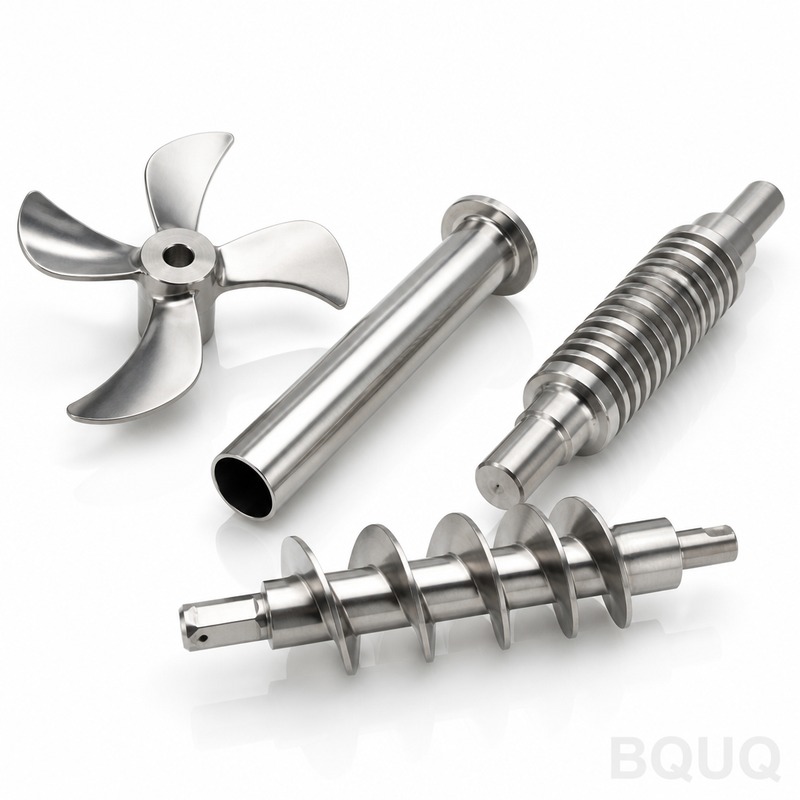
A standard off-the-shelf 5C collet costs between $25 and $45 for a round steel version, while a precision-ground version with 0.0002-inch TIR costs $75 to $120. Custom 5C collets with special bore diameters, square shapes, or step profiles are typically priced at $150 to $300 each, with a minimum order of 2 to 5 pieces. The lead time for standard collets from major manufacturers like Hardinge or Royal is 1 to 3 days, while custom ground collets take 5 to 10 business days. For 2J collets, prices are 40 percent higher due to the larger blank size: standard 2J collets run $60 to $90, and custom versions start at $200. At BQUQ, we maintain an in-house inventory of over 1,200 5C collets covering every 1/64-inch increment from 1/16 to 1-1/16 inches, which eliminates lead time for our CNC turning and Swiss-type machining operations.
When Should an Engineer Choose a 2J Collet Over a 5C Collet for a Specific Job?
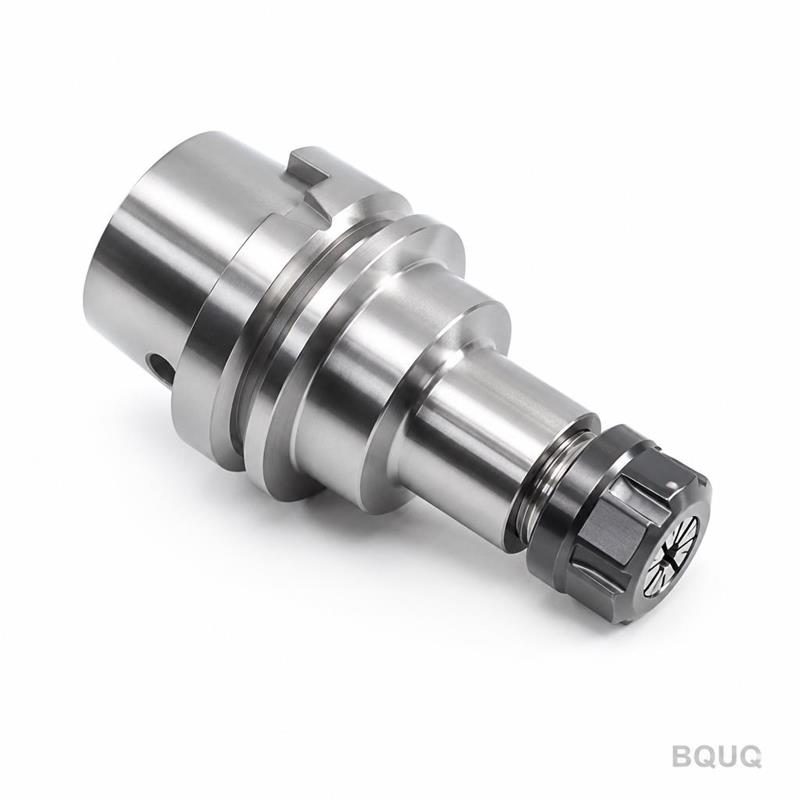
Choose a 2J collet when your workpiece diameter exceeds 1-1/16 inches but is less than 1-5/8 inches, or when you need to reduce deflection on a long, slender part with a length-to-diameter ratio over 4:1. The 2J collet's larger body provides 2.25 times more contact area than a 5C collet, which translates to lower surface pressure on the workpiece and better damping of vibration. For example, when machining a 1.5-inch diameter 316 stainless steel shaft that is 12 inches long, a 5C collet would allow 0.002 inches of deflection at the free end, while a 2J collet would hold deflection to 0.0008 inches under the same cutting force. Conversely, for small parts under 1 inch in diameter, always use a 5C collet because the smaller mass allows faster spindle acceleration and the collet is cheaper to replace when worn.
How Does Collet Maintenance Affect Long-Term Accuracy and Repeatability?
A properly maintained 5C collet will hold its original accuracy for approximately 500,000 cycles if lubricated with a light oil film on the taper surface every 200 cycles. The most common failure mode is taper wear, which occurs when chips or grit become trapped between the collet taper and the spindle nose, causing a 0.0005-inch loss of concentricity after just 10,000 cycles. We recommend cleaning the collet taper with a soft brush and compressed air at the start of every shift, and replacing collets when the runout at the gripping diameter exceeds 0.0015 inches TIR. The drawbar tension is also critical: a typical 5C drawbar should be torqued to 20 to 30 foot-pounds for aluminum and up to 50 foot-pounds for steel, but exceeding 60 foot-pounds will permanently deform the collet's collapsing slots. A simple test for collet wear is to grip a precision ground pin and measure the runout with a 0.0001-inch indicator; if the reading is more than double the original specification, replace the collet immediately.
What Are the Key Data Points for Comparing 5C, 2J, and Modern Alternatives?
| Workholding Type | Max Grip Diameter | Standard Runout (TIR) | Grip Force at 50 ft-lb Drawbar | Typical Cost per Unit | Change-Over Time | Suitable Production Volume |
| 5C Collet | 1.0625 inches | 0.0005 inches | 4,200 lbf | $35 (standard) | 30 seconds | 10 to 5,000 parts |
| 2J Collet | 1.6250 inches | 0.0005 inches | 6,800 lbf | $75 (standard) | 45 seconds | 10 to 5,000 parts |
| Hydraulic Chuck | 2.0000 inches | 0.0001 inches | 8,500 lbf | $1,500 | 5 minutes | 1,000 to 100,000 parts |
| Shrink-Fit Holder | 1.2500 inches | 0.0001 inches | 7,200 lbf | $900 plus heater | 10 minutes | 500 to 50,000 parts |
| 3-Jaw Scroll Chuck | 6.0000 inches | 0.0015 inches | 5,000 lbf | $250 | 2 minutes | 100 to 1,000 parts |
What Are the Common Misconceptions About 5C Collets in Modern CNC Machining?
The most common misconception is that 5C collets are only for manual lathes and are obsolete for CNC machining centers. In reality, many CNC lathes and turn-mill centers use 5C collets as the standard spindle workholding, because they allow bar pulling through the spindle bore with a simple pneumatic actuator. Another misconception is that 5C collets cannot hold square or hex stock accurately; however, with a custom-ground square bore, a 5C collet can hold 0.500-inch square stock with corner-to-corner accuracy of 0.0005 inches. Finally, some engineers believe that 5C collets are not suitable for high-speed machining above 6,000 RPM, but balanced 5C collets with ground tapers are routinely used at 10,000 RPM in Swiss-type lathes without measurable vibration.
Can 5C Collets Be Used for Grinding Operations?
Yes, 5C collets are the standard workholding for cylindrical and surface grinding fixtures because they provide a rigid, repeatable axis of rotation. A 5C collet mounted in a precision indexer can hold round stock while grinding ODs to 0.0002-inch tolerances, and the collet can be indexed to 15-degree increments for hexagonal or square parts.
What Is the Maximum Spindle Speed for 5C Collets?
Standard 5C collets are rated for a maximum spindle speed of 6,000 RPM when unbalanced, but precision-ground and dynamically balanced 5C collets can operate at 10,000 RPM. The limiting factor is the drawbar's rotating mass, so we recommend using a short drawbar and a balanced nut for high-speed applications.
Are 5C and 2J Collets Interchangeable Between Different Machine Brands?
Yes, the 5C and 2J collet dimensions are standardized under ANSI/ASME B5.10, so a 5C collet from Hardinge fits a Royal spindle nose and vice versa. However, the spindle nose taper angle must match exactly (10 degrees for 5C and 2J), and the thread pitch on the drawbar must be identical to avoid cross-threading.
How Do I Prevent Workpiece Slippage in a 5C Collet?
Workpiece slippage is usually caused by insufficient drawbar tension or a collet bore that is too large for the stock diameter. Always use a collet that is within 0.002 inches of the stock diameter, and torque the drawbar to the recommended foot-pound value for the material. For hex stock, use a hex-shaped collet rather than a round collet to increase the contact area by 30 percent.
What Is the Lifespan of a 5C Collet in a Production Environment?
A standard 5C collet will maintain its accuracy for 200,000 to 500,000 cycles depending on the material being gripped and the drawbar tension. After 500,000 cycles, the taper will have worn enough to increase runout by 0.0005 inches, which is the threshold for replacement. With proper cleaning and lubrication, a collet can last over 1 million cycles, but the cost of replacement ($35) is far less than the cost of a scrapped part.
Which Industries Still Rely Heavily on 5C Collets?
The aerospace, automotive, and medical device industries still rely on 5C collets for secondary machining of fittings, shafts, and surgical instruments. The oil and gas industry uses 2J collets for machining large diameter valve components that require high grip force without distortion.
Conclusion: Why Legacy Workholding Remains a Smart Engineering Choice
The 5C and 2J collet systems are not a compromise; they are an optimized solution for a specific engineering problem: holding round and hex stock with high accuracy, low cost, and rapid changeover. While hydraulic and shrink-fit systems offer slightly better runout, the total cost of ownership for a 5C system is 90 percent lower, making it the rational choice for job shops and mid-volume production. At BQUQ, we have used 5C collets for 20 years across our CNC lathes and grinding cells, and we continue to specify them for new projects because they deliver predictable, repeatable results. If you are evaluating workholding for a new part or need a second opinion on a current process, our engineering team can provide a free fixture and tooling layout within 12 hours. Contact us at sc@bquq.com or WhatsApp +86 13713157787, or visit www.bquq.com to discuss your requirements.