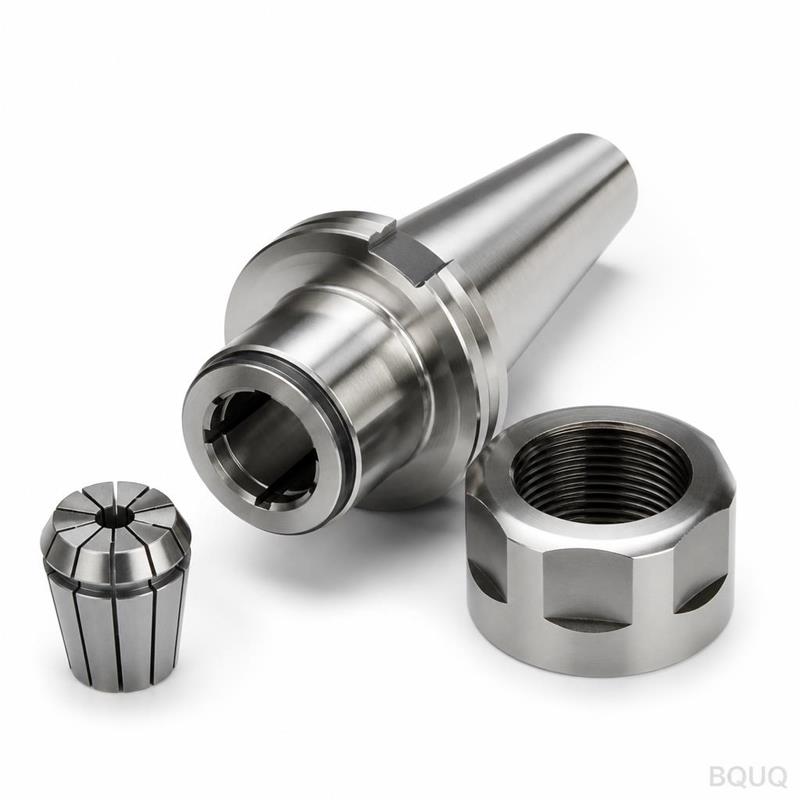
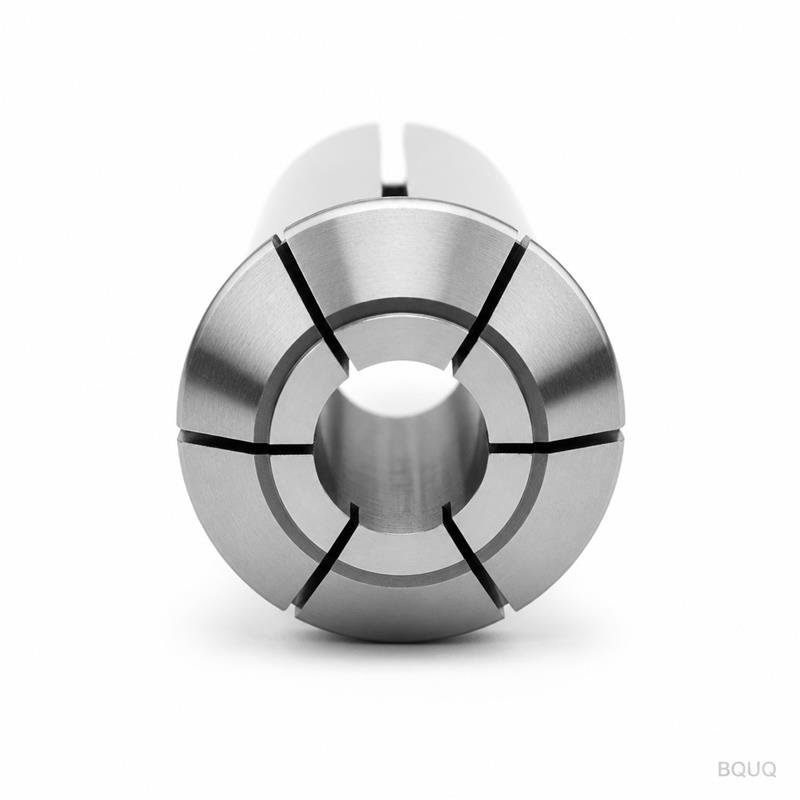
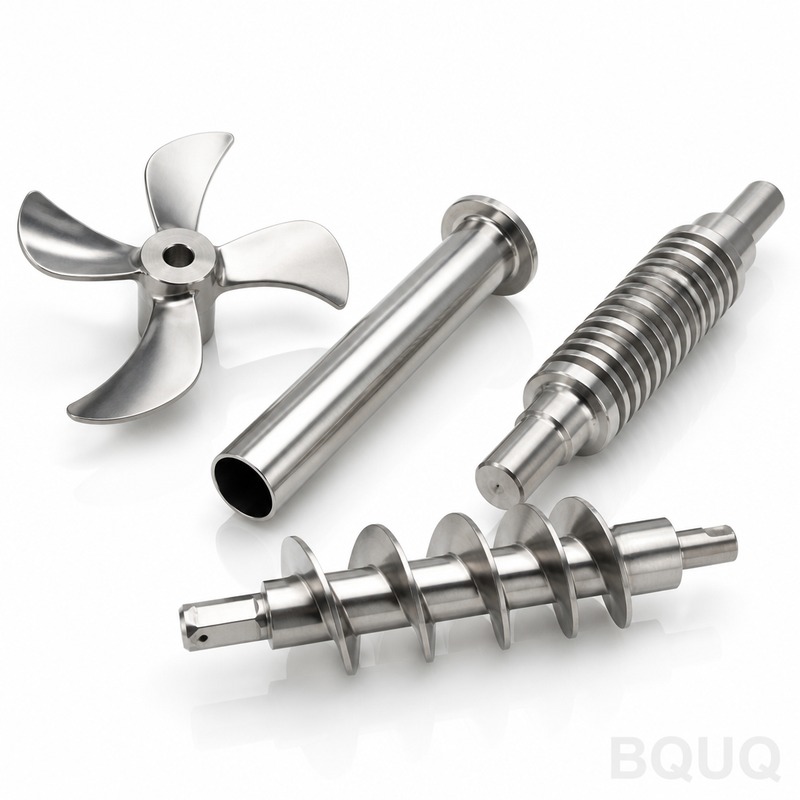
The direct answer is that Swiss-type lathes are driving collet demand in medical and watch parts because their sliding headstock design requires workpieces to be fed through a guid
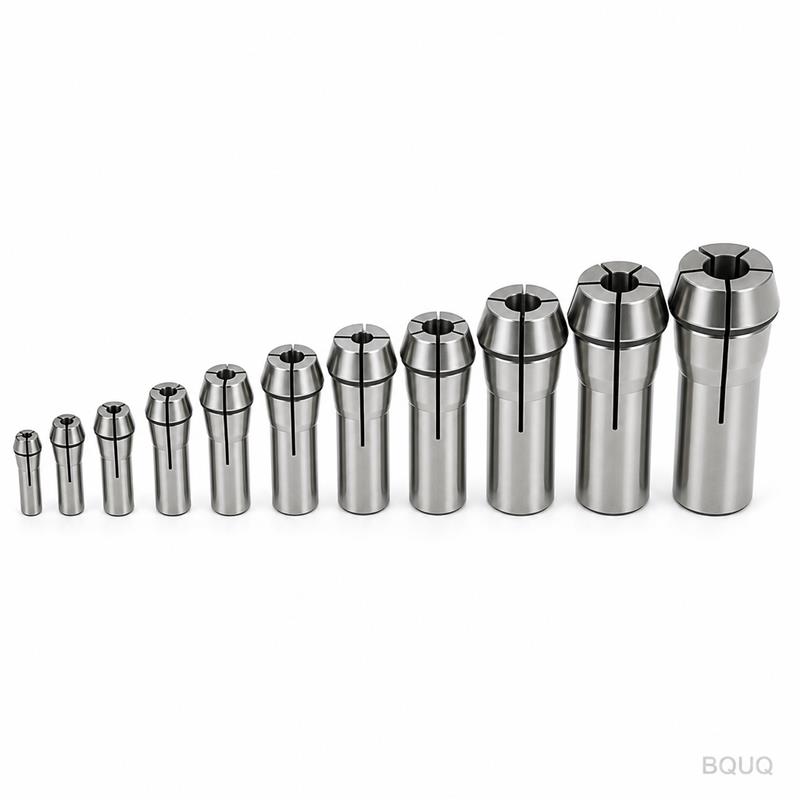
How Are Swiss-Type Lathes Driving Collet Demand in Medical and Watch Parts?
The direct answer is that Swiss-type lathes are driving collet demand in medical and watch parts because their sliding headstock design requires workpieces to be fed through a guide bushing, which necessitates a precision collet for every single bar stock diameter and profile. This fundamental architecture means that each new part specification—whether a titanium bone screw or a brass watch pinion—requires a dedicated, high-precision collet to maintain tolerances of ±0.005 mm or less. As medical device miniaturization and luxury watch complexity increase, the variety of raw material sizes and shapes expands, directly increasing the volume and specificity of collet orders.
What Specific Tolerances Do Swiss-Type Lathes Require From Collets?
Swiss-type lathes achieve exceptional precision by supporting the workpiece immediately adjacent to the cutting tool, but this support is only as good as the collet gripping the bar. For medical and watch components, the required runout (concentricity) of the collet must be held to within 0.003 mm to 0.005 mm (3 to 5 microns) to ensure the final part meets its own tolerance of ±0.01 mm. A standard ER collet used on a conventional lathe typically offers runout of 0.015 mm, which is inadequate for Swiss machining; consequently, manufacturers must use precision ground collets (often custom-made) that guarantee 0.003 mm TIR (Total Indicator Reading) at the nose. This level of accuracy is non-negotiable for parts like watch balance staffs or medical guidewires, where a 2-micron deviation can cause functional failure or rejection in a cleanroom inspection.
How Does the Sliding Headstock Principle Increase Collet Wear and Replacement Frequency?
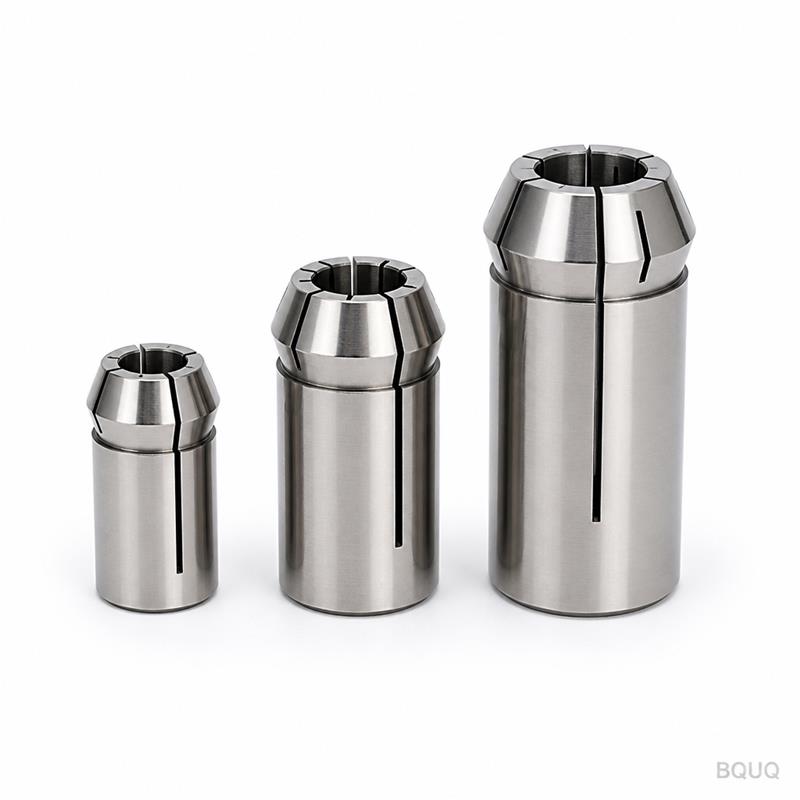
The sliding headstock Z-axis moves the entire bar and collet assembly forward against a stationary cutting tool, meaning the collet is not just a holding device but a wear component that experiences continuous axial friction and radial clamping stress. During a single 8-hour shift, a Swiss lathe can cycle the collet open and closed over 3,000 times, and each cycle involves gripping a new section of bar stock with high clamping force (often 80-120 Nm of torque). This repeated stress causes the collet’s hardened steel jaws to wear, with measurable dimensional change occurring after approximately 20,000 to 30,000 cycles for standard steel collets. For medical-grade titanium or stainless steel (316L), the abrasive nature of these alloys accelerates collet wear by 30-40%, forcing replacement every 2 to 3 weeks in high-volume production rather than the 6-week interval typical for aluminum watch parts.
Why Are Custom Collet Profiles Essential for Medical and Watch Part Geometries?
Medical and watch parts often use non-standard bar stock cross-sections, such as hexagonal or square profiles for watch screws, or micro-grooved rods for implantable devices, which cannot be held reliably by round bore collets. A standard round collet exerts uniform radial pressure, but a hexagonal profile requires a collet with six precisely angled gripping surfaces to avoid deforming the part and to prevent rotation during cutting. For example, a Swiss lathe producing a 1.5 mm hex-drive bone screw requires a custom-ground collet with a 1.5 mm AF (across flats) hex bore, machined to a tolerance of +0.005/-0.000 mm, costing between $180 and $350 per unit. Similarly, watchmaking uses collets with stepped bores to accommodate shouldered pinions, and these custom profiles cannot be substituted with off-the-shelf ER or 5C collets, forcing procurement from specialized vendors with 3-week lead times.
Which Collet Materials and Coatings Are Best Suited for High-Volume Swiss Machining?
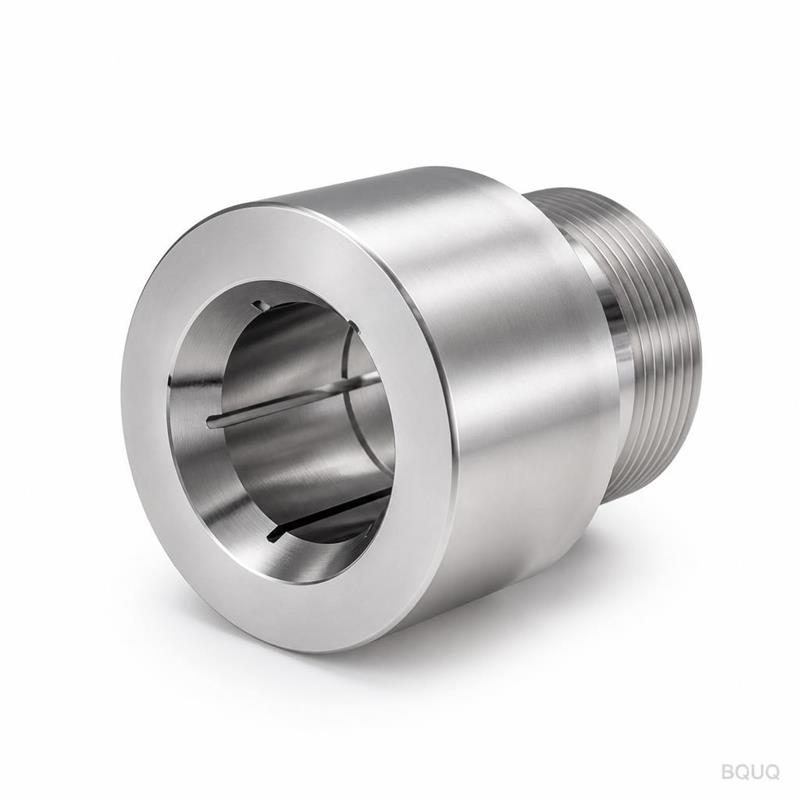
The choice of collet material directly impacts tool life and part quality, and for Swiss lathes, the industry standard is either hardened tool steel (e.g., AISI 4140 or 8620) or solid carbide for micro-diameter work under 3 mm. For medical applications machining titanium alloys (Ti-6Al-4V), a coated collet using Titanium Nitride (TiN) or Chromium Nitride (CrN) reduces friction and wear by up to 50%, with a surface hardness of 2,500-3,000 HV compared to 700 HV for uncoated steel. For watch parts made of brass or German silver (nickel silver), a polished, uncoated steel collet with a hardness of 58-60 HRC is preferred to prevent galling and to maintain a smooth surface finish on the decorative part. The table below summarizes typical collet specifications for these two industries:
| Application | Bar Stock Diameter (mm) | Collet Material | Recommended Coating | Runout Tolerance (mm) | Cost per Collet (USD) | Expected Lifespan (cycles) |
| Medical (Titanium Bone Screw) | 2.0-4.0 | Solid Carbide | CrN (Chromium Nitride) | 0.003 | $250-$400 | 15,000 |
| Medical (Stainless Guidewire) | 0.5-1.5 | Hardened Tool Steel | TiN (Titanium Nitride) | 0.004 | $120-$200 | 20,000 |
| Watch (Brass Pinion) | 1.0-3.0 | Hardened Tool Steel | None (Polished) | 0.005 | $80-$150 | 30,000 |
| Watch (Hex Screw) | 1.5 (Hex) | Hardened Tool Steel | None (Polished) | 0.005 | $180-$350 | 25,000 |
How Much Does Precision Collet Tooling Cost for a New Swiss-Type Part?
The initial investment in collets for a new medical or watch part can range from $500 for a single standard round collet to over $2,500 for a set of five custom profiled collets necessary for a multi-operation machining sequence. A standard precision round collet (e.g., 20 mm diameter, 1/8 inch bore) from a reputable brand like Schaublin or Hainbuch costs between $90 and $160, while a custom hex or square profile starts at $200 due to the wire EDM (Electrical Discharge Machining) or profile grinding required. Additionally, Swiss lathe operators typically purchase a "master collet" and a set of "pads" (interchangeable inserts) for each bar size; a master collet with pads costs $300-$500, but pads themselves are $40-$70 each, and you need one pad set per specific diameter. For a factory producing 10 different watch components, this translates to an annual collet budget of approximately $15,000-$25,000, which is a significant but necessary operational expense.
How Can Manufacturers Optimize Collet Life and Reduce Downtime?
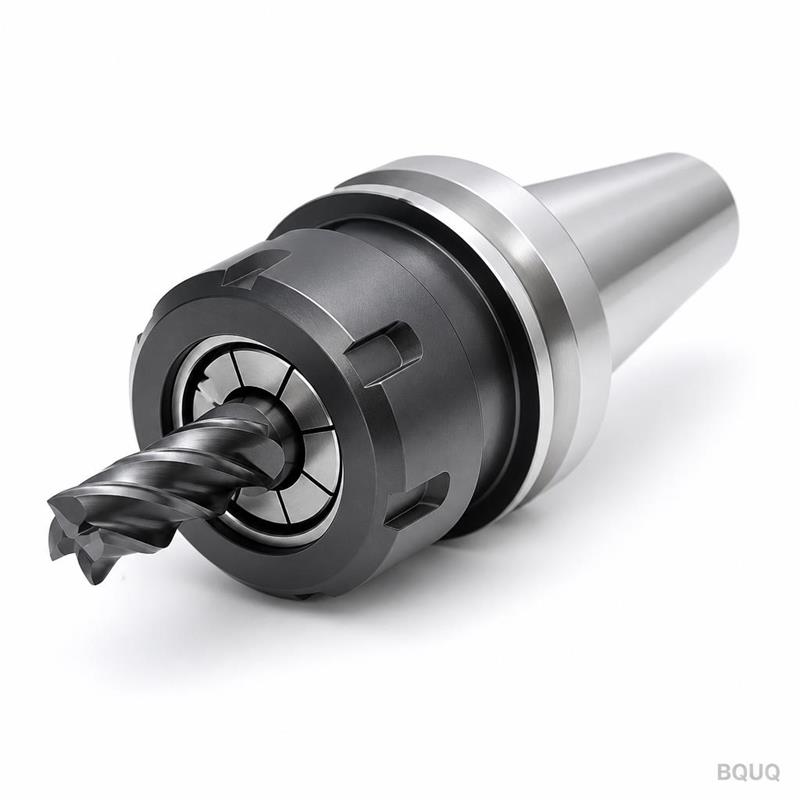
To maximize collet life, manufacturers must implement a preventive maintenance schedule that includes ultrasonic cleaning of the collet taper and bore every 500 operating hours to remove metallic fines and coolant residue. Proper lubrication with a high-viscosity oil (e.g., ISO VG 68) on the collet's external threads and taper reduces friction, and adjusting the clamping pressure to the minimum required (typically 50-60% of maximum) prevents over-stressing the jaws. For example, a medical parts manufacturer producing 10,000 titanium screws per month can reduce collet replacement frequency from every 2 weeks to every 4 weeks by switching to a CrN-coated carbide collet and reducing clamping force from 100 Nm to 70 Nm. Furthermore, using a "pull-back" collet system (where the collet retracts into the spindle for clamping) instead of a "push-out" type reduces axial stress on the bar, extending both collet and guide bushing life by 20-30%.
Why Is Collet Selection Critical for Surface Finish in Watch and Medical Parts?
The collet's gripping force directly influences the surface finish of the finished part because any microscopic slip or vibration during cutting transfers to the workpiece, creating chatter marks or tool lines. For watch parts requiring a mirror polish (Ra 0.05-0.1 micrometers), a worn or improperly sized collet with 0.01 mm runout will cause visible tool marks that require secondary polishing, adding 30-50% to production cost. In medical implants, surface roughness (Ra) must be below 0.2 micrometers to prevent bacterial adhesion, and a high-precision collet ensures stable cutting conditions that achieve this without extra finishing operations. Consequently, engineers specify collets with a clamping range of +0.01/-0.005 mm relative to the bar diameter, ensuring that the collet grips tightly but does not deform the part, which is especially critical for thin-walled watch cases or hollow medical cannulas.
FAQ
What Is the Difference Between a Guide Bushing Collet and a Main Spindle Collet?
A guide bushing collet (also called a "sub-spindle" or "bushing" collet) supports the bar stock right at the cutting zone to eliminate deflection, while the main spindle collet holds and rotates the bar. The guide bushing collet is typically tighter tolerance (0.002 mm runout) and wears faster because it is closer to the cutting action. Both must be matched for diameter and material to ensure smooth feeding.
Can Standard ER Collets Be Used on Swiss-Type Lathes?
No, standard ER collets are generally not recommended for Swiss-type lathes because their runout (0.015 mm) is too high and their gripping length is too short for proper support. Swiss lathes require "slotted" or "tension-only" collets with a longer bearing surface and a taper angle of 30 or 45 degrees specific to the machine spindle. Using ER collets risks part deflection and premature tool breakage.
How Often Should I Replace Collets on a Swiss Lathe Running 24/7?
For continuous 24/7 operation on steel or titanium, replace standard steel collets every 3-4 weeks or after 20,000-25,000 cycles. For carbide collets, you can extend this to 6-8 weeks, but you should inspect for wear (measured runout increase) every 500 hours. Always replace collets in pairs if you use a guide bushing and main spindle to maintain balanced precision.
Which Collet Brand Is Best for Medical-Grade Titanium Machining?
Brands like Schaublin, Hainbuch, and REGO-FIX are industry leaders for medical-grade titanium because they offer carbide collets with CrN or DLC (Diamond-Like Carbon) coatings. These brands provide certified runout certificates below 0.003 mm and have replaceable pads for cost efficiency. For very small diameters (under 1 mm), consider custom-ground solid carbide collets from specialty Swiss toolmakers.
What Is the Lead Time for Custom-Profiled Collets?
Custom collets with hex, square, or stepped profiles typically require a lead time of 2-3 weeks from order to delivery, including design consultation and wire EDM machining. Rush orders with a 5-7 day turnaround are possible but incur a 30-50% surcharge. It is advisable to order spare collets at the initial part setup to avoid downtime.
How Do I Measure Collet Runout in a Production Environment?
Use a precision dial indicator (resolution 0.001 mm) mounted on a magnetic base, placed against the inner bore of the collet while it is clamped on a reference bar. Rotate the spindle manually or at low RPM (50-100) and record the maximum TIR. If runout exceeds 0.005 mm for medical parts, replace the collet immediately.
Does Collet Clamping Force Affect Part Roundness?
Yes, excessive clamping force can deform thin-walled parts (e.g., watch cases with 0.5 mm walls), causing out-of-roundness or "lobing" (3-lobe distortion). To avoid this, use a collet with a larger contact area or a "zero-deformation" design with relief cuts. For thin parts, reduce hydraulic clamping pressure to 30-40% of maximum and measure the part diameter before and after clamping.
In conclusion, the rise of Swiss-type lathes in medical and watch manufacturing has fundamentally increased the demand for high-precision, application-specific collets. The need for micron-level tolerances, custom profiles, and wear-resistant materials makes collets a critical consumable that directly impacts part quality and production economics. By understanding the technical requirements—from runout tolerances to coating selection—manufacturers can optimize their tooling strategy, reduce downtime, and maintain a competitive edge in these demanding sectors.
For a detailed quotation on your specific collet requirements or Swiss-type machining project, our engineering team at BQUQ is ready to assist. With 20 years of experience in precision manufacturing, we provide rapid, accurate solutions. Contact us for a 12-hour quote via Email: sc@bquq.com, WhatsApp: +86 13713157787, or visit our website at www.bquq.com.