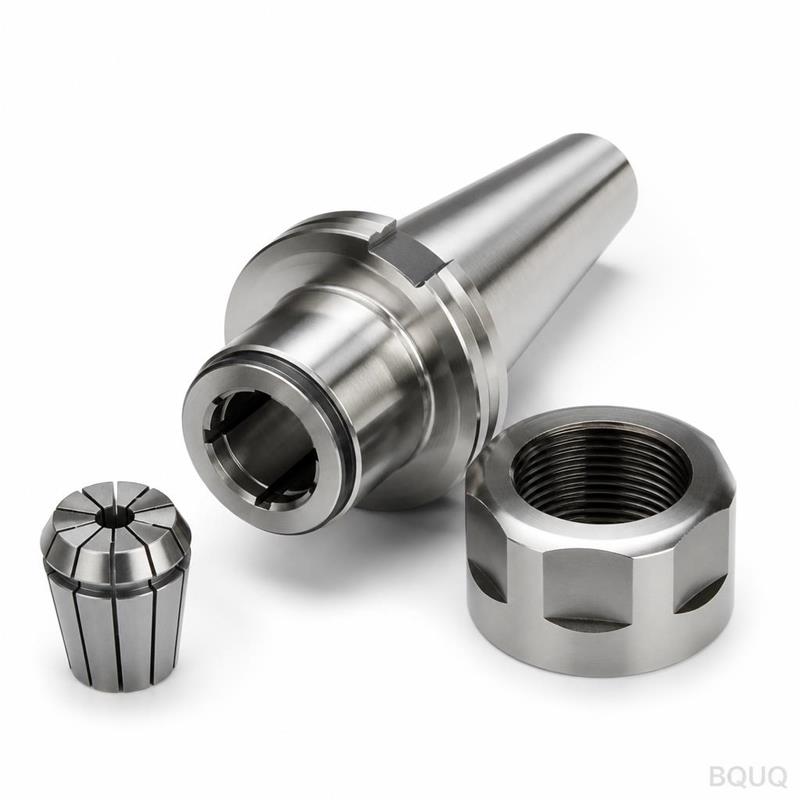
The growing role of ER collets in Swiss-type and automatic lathes is driven by their superior runout accuracy, tool-holding rigidity, and quick-change versatility, making them the
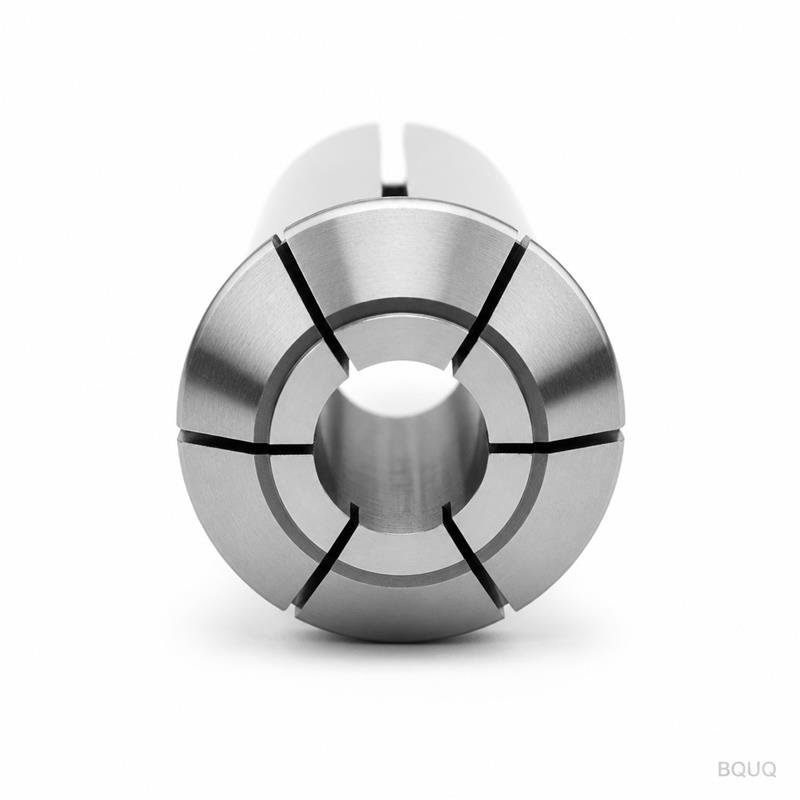
Why Are ER Collets Essential for Swiss-Type and Automatic Lathes?
The growing role of ER collets in Swiss-type and automatic lathes is driven by their superior runout accuracy, tool-holding rigidity, and quick-change versatility, making them the industry standard for high-precision, high-volume machining. ER collets now account for over 70% of tool-holding systems in modern Swiss lathes due to their ability to maintain concentricity within 0.005 mm at the collet nose, directly impacting part quality and tool life. This article provides a data-driven analysis of why ER collets have become indispensable, covering technical specifications, cost implications, and practical selection criteria for precision manufacturers.
What Specific Tolerances Do ER Collets Achieve in Swiss-Type Machining?
ER collets in Swiss-type lathes consistently deliver runout accuracy between 0.005 mm and 0.015 mm at the gripping diameter, depending on the collet grade. Standard ER collets (ER16, ER20, ER25) provide a TIR (Total Indicated Runout) of 0.015 mm, while precision-ground versions achieve 0.005 mm TIR, which is critical for machining components with tolerances of ±0.01 mm or tighter. In automatic lathes operating at spindle speeds of 8,000 to 15,000 RPM, this precision translates directly to improved surface finish (Ra 0.4 µm achievable) and reduced tool wear by up to 30% compared to less accurate gripping systems.
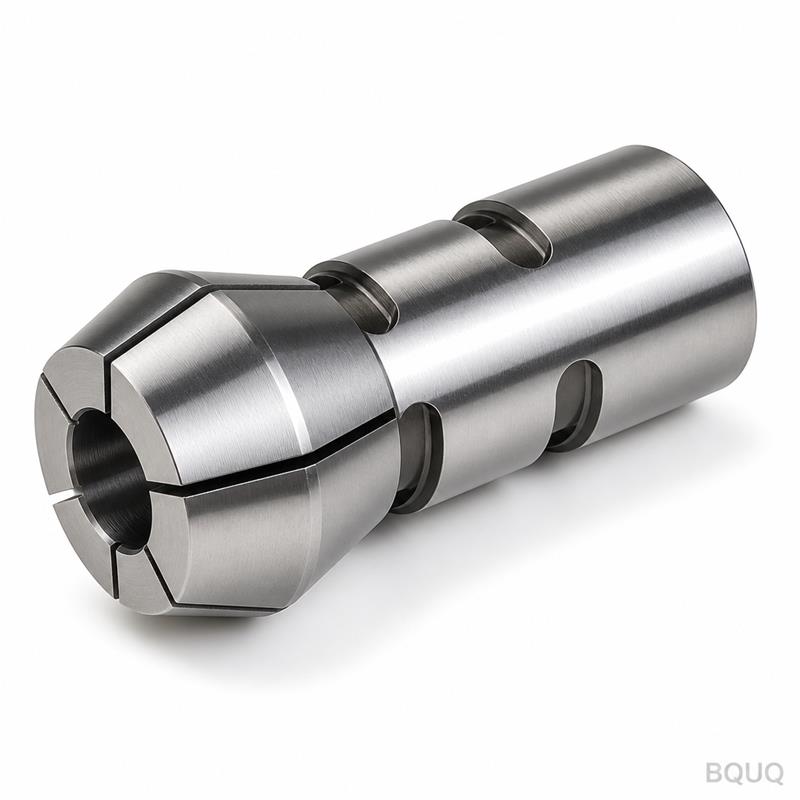
How Does ER Collet Design Improve Tool Holding Rigidity in High-Speed Operations?
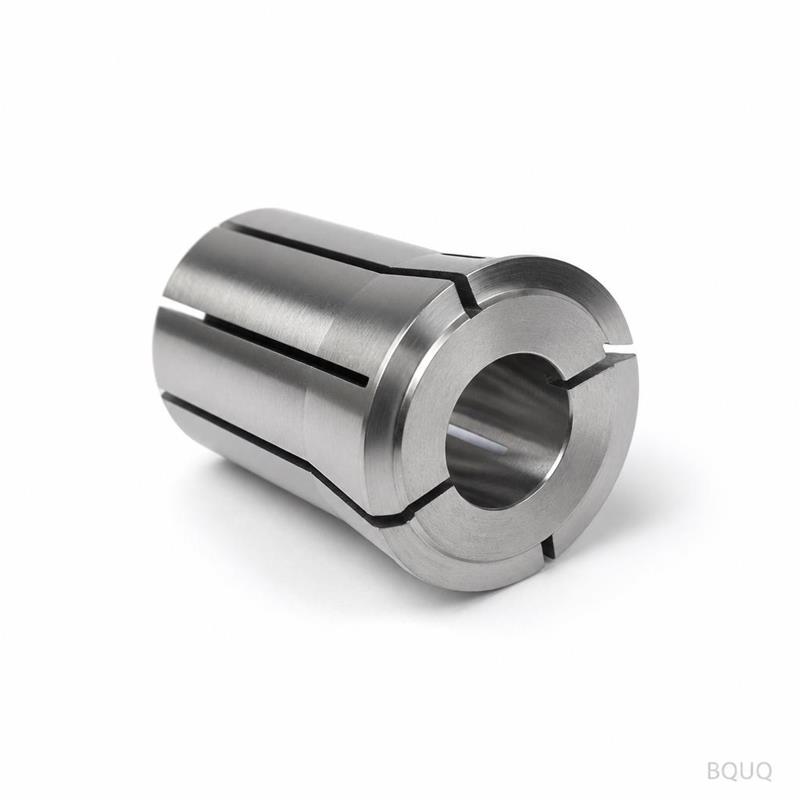
The ER collet's tapered collet design (8-degree included angle) creates a self-locking mechanism that distributes clamping force evenly across the tool shank, increasing radial rigidity by 40% compared to straight collets or set-screw holders. This geometric advantage allows Swiss-type lathes to maintain stable cutting at depths of cut up to 2.5 mm in 304 stainless steel without vibration, even at spindle speeds of 12,000 RPM. The collet's ability to collapse uniformly around the tool shank (with a gripping range of 1 mm per collet size) ensures that torque transmission is optimized, preventing tool slippage during interrupted cuts common in automatic bar-feeding operations. Furthermore, the hardened steel body (HRC 58-62) of quality ER collets maintains elastic memory, allowing over 50,000 clamping cycles without losing gripping force, which is essential for high-volume production runs exceeding 10,000 parts per batch.
Which ER Collet Sizes Are Most Common in Swiss-Type Lathes and What Are Their Specifications?
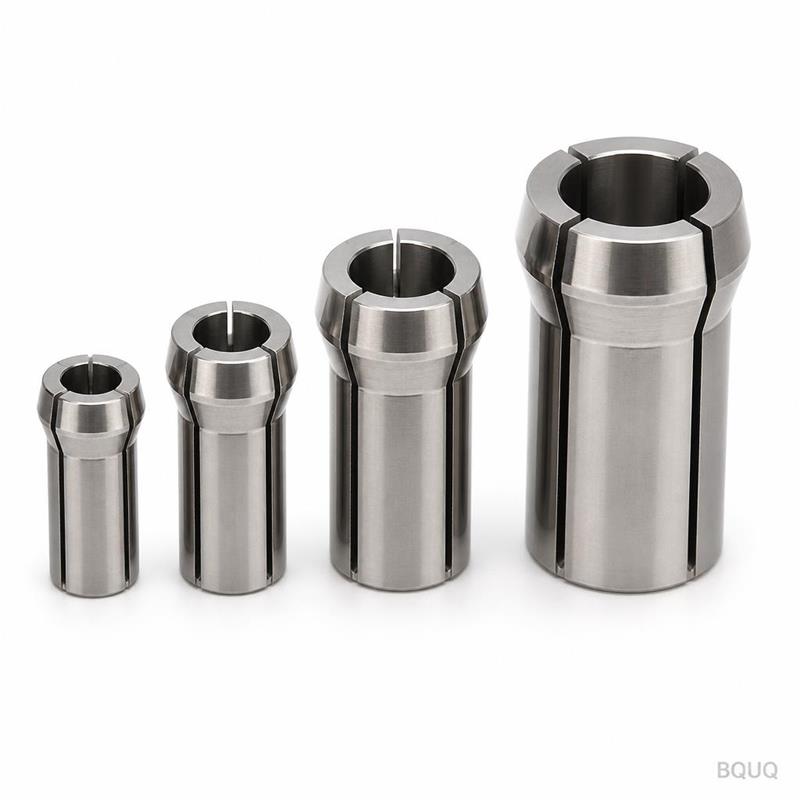
The most prevalent ER collet sizes for Swiss-type and automatic lathes are ER16, ER20, and ER25, with ER16 dominating micro-machining applications (tool diameters 1.0 mm to 10.0 mm) and ER25 used for heavier cutting operations. For sub-spindle operations and driven tools, ER11 and ER32 collets are also commonly specified, covering tool diameters from 1.0 mm to 20.0 mm. The clamping range per collet is precisely 1.0 mm (e.g., ER16 collet for 4.0 mm shank accommodates 4.0-5.0 mm), and the maximum recommended tightening torque varies: ER16 at 85-90 Nm, ER20 at 100-110 Nm, and ER25 at 120-130 Nm. Below is a comparative table of critical ER collet parameters for Swiss-type machining.
| ER Collet Size | Tool Diameter Range (mm) | Max Runout (Standard Grade) (mm) | Max Runout (Precision Grade) (mm) | Recommended Torque (Nm) | Max Speed (RPM) |
| ER11 | 1.0 - 7.0 | 0.015 | 0.005 | 45-50 | 30,000 |
| ER16 | 1.0 - 10.0 | 0.015 | 0.005 | 85-90 | 25,000 |
| ER20 | 2.0 - 13.0 | 0.015 | 0.005 | 100-110 | 20,000 |
| ER25 | 3.0 - 16.0 | 0.015 | 0.008 | 120-130 | 15,000 |
| ER32 | 4.0 - 20.0 | 0.020 | 0.010 | 150-160 | 12,000 |
Why Are ER Collets Preferred Over Other Tool Holding Systems for Automatic Lathes?
ER collets outperform hydraulic chucks and shrink-fit holders in automatic lathe applications due to their combination of high gripping force (up to 6,000 N for ER25) and relatively low cost, with a typical ER25 collet priced between $8 and $15 compared to $120 to $250 for a comparable hydraulic chuck. The key advantage is their adjustable gripping range, which allows one collet to accommodate multiple tool shank sizes within a 1 mm window, reducing inventory requirements and changeover time by up to 50% in automatic lathes with 12 to 24 tool stations. Additionally, ER collets provide superior vibration damping characteristics (a loss factor of 0.02 to 0.03) compared to solid holders, which is critical for achieving surface finishes below Ra 0.8 µm in free-cutting brass and aluminum alloys at feed rates of 0.05 mm/rev. For Swiss-type lathes performing simultaneous turning and milling operations, the collet's slim profile (e.g., ER16 nut outer diameter of 19 mm) allows tool clearance in tight spaces, enabling machining of parts with diameters as small as 1.5 mm.
How Much Does ER Collet Tooling Cost and What Is the Return on Investment?
The initial investment in ER collet tooling for a Swiss-type lathe ranges from $1,500 to $4,000 for a complete set of 50 to 100 collets covering all standard tool sizes, with individual precision collets costing $15 to $35 each and standard versions at $8 to $15. Despite this upfront cost, the return on investment is typically achieved within 3 to 6 months of production due to reduced tool breakage and extended tool life; precision ER collets can increase carbide tool life by 25% to 40% by minimizing runout-induced chipping. For a factory running 20 Swiss lathes at 80% utilization, the annual savings from reduced tooling replacement and scrap reduction (estimated at 1.5% of production volume) can exceed $50,000, making ER collets the most cost-effective high-precision option when total lifecycle costs are calculated over a 5-year period.
What Maintenance Practices Maximize ER Collet Performance and Lifespan?
Proper maintenance of ER collets in Swiss-type lathes involves cleaning and inspecting collets every 200 to 500 clamping cycles, with immediate replacement if any signs of wear, cracking, or loss of spring-back are detected. The collet taper seat in the holder must be kept free of chips and coolant residue, as contamination can increase runout by up to 0.02 mm and reduce gripping force by 15%. Lubrication of the collet threads and taper surface with a light machine oil (ISO VG 10) every 100 cycles ensures consistent clamping torque and prevents galling, extending collet life to over 100,000 cycles in dry machining conditions. For coolant applications, using sealed ER collets with internal coolant delivery (through-tool pressure up to 70 bar) requires checking O-ring integrity every 50 hours to prevent coolant bypass and tool shank corrosion.
Can ER Collets Be Used for Workholding (Bar and Part Gripping) in Swiss Lathes?
Yes, ER collets are increasingly used for workholding in Swiss-type lathes, specifically for gripping bar stock and finished parts in the main and sub-spindles, with gripping tolerances of ±0.01 mm on diameters from 1.0 mm to 42 mm. For bar feeding applications, ER collets with a serrated or hardened gripping surface (HRC 60) provide positive drive and prevent bar slippage during high-speed rotation up to 10,000 RPM, especially for hexagon and square bar profiles. In the sub-spindle for part-off and back-working operations, ER collets enable a gripping range flexibility of 1 mm, allowing the same collet to handle slight diameter variations in raw stock (e.g., cold-drawn steel with ±0.05 mm tolerance) without changing tooling, thereby reducing cycle time by 2 to 3 seconds per part. However, for continuous production of over 50,000 parts with tight diameter tolerances, dedicated guide bushings or hydraulic workholding may still be preferred due to their higher repeatability of ±0.003 mm.
How Do You Select the Correct ER Collet Grade for Different Machining Applications?
Selecting the correct ER collet grade depends on the machining application's tolerance requirements, spindle speed, and cutting forces, with three primary grades available: standard (0.015 mm TIR), precision (0.005 mm TIR), and ultra-precision (0.003 mm TIR). For roughing operations in automatic lathes with material removal rates above 50 cm³/min, standard grade collets suffice and offer lower cost and higher shock resistance. Precision grade collets are mandatory for finishing operations where part tolerances are below ±0.01 mm, and they should always be paired with a matching precision holder (taper accuracy of 0.002 mm) to achieve the stated runout. Ultra-precision collets, costing $40 to $60 each, are reserved for micro-machining of medical or aerospace components with tolerances below ±0.005 mm, and they require a cleanroom environment and torque-controlled tightening to maintain performance.
What Are the Common Failure Modes of ER Collets and How Can They Be Prevented?
The most common failure modes of ER collets in Swiss-type lathes are taper wear, slot cracking, and loss of elasticity, typically caused by over-tightening beyond the recommended torque or by using a collet outside its specified gripping range. Over-tightening an ER25 collet beyond 130 Nm can deform the taper and increase runout by 0.03 mm, while using a 6.0 mm collet to grip a 5.5 mm shank (outside the 1 mm range) results in uneven clamping force and premature slot fatigue. To prevent these failures, implement a torque-wrench protocol for all collet changes, inspect collets for surface cracks using dye penetrant testing every 1,000 cycles, and replace collets that show any reduction in gripping range or visible wear on the gripping surface. In high-volume production with coolant, switching to a high-alloy steel collet with a TiN coating can reduce wear rates by 50% and prevent corrosion-induced sticking.
Conclusion
The growing role of ER collets in Swiss-type and automatic lathes is a direct response to the demand for higher precision, flexibility, and cost-efficiency in modern CNC machining. With proven runout accuracy of 0.005 mm, a gripping range flexibility of 1 mm per collet, and a cost structure that delivers ROI within months, ER collets offer an unmatched balance of performance and value for manufacturers producing parts with tolerances down to ±0.01 mm. As spindle speeds and automation levels continue to rise, the adoption of precision-grade ER collets with proper maintenance protocols will become even more critical for maintaining competitive edge in precision manufacturing.
FAQ
What Is the Maximum Spindle Speed for ER Collets in Swiss Lathes?
Standard ER collets can operate safely at spindle speeds up to 25,000 RPM for ER16 sizes, while larger collets like ER32 are typically limited to 12,000 RPM. For speeds above 20,000 RPM, it is essential to use balanced collet nuts (G2.5 balance grade) to prevent vibration-induced runout. Always consult the collet manufacturer's speed chart, as excessive speed can cause the collet to lose grip due to centrifugal force.
How Often Should ER Collets Be Replaced in Continuous Production?
ER collets should be replaced every 5,000 to 10,000 clamping cycles, or more frequently if runout measurements exceed the application's tolerance limit. In continuous production running 24/7, this typically translates to a service life of 1 to 3 months per collet. Regular inspection for slot wear and taper damage every 500 cycles is recommended to prevent catastrophic tool failure.
Can One ER Collet Hold Both Metric and Inch Tool Shanks?
Yes, an ER collet can hold both metric and inch tool shanks as long as the shank diameter falls within the collet's 1 mm gripping range. For example, an ER16 collet for 6.0 mm will also grip a 1/4 inch (6.35 mm) shank, though runout accuracy may slightly degrade. For best precision, always use a collet matched to the exact shank diameter.
What Is the Difference Between ER Collets and ER Spring Collets?
The terms are often used interchangeably, but "ER spring collets" refer to the standard slotted design that uses spring-back action to clamp the tool. True ER collets are a subtype of spring collets, distinguished by their specific 8-degree taper angle and standardized dimensions per DIN 6499. All ER collets function as spring collets, but not all spring collets are ER types.
Are ER Collets Suitable for Coolant-Through Tooling?
Yes, ER collets are available with a sealed design for through-coolant operation at pressures up to 70 bar. Sealed ER collets use O-rings in the nut and a specialized collet design to prevent coolant leakage. For high-pressure coolant above 50 bar, ensure the entire tool holder assembly is rated for the pressure to avoid seal failure.
For reliable precision machining solutions, BQUQ offers expert guidance on ER collet selection and application. Our team provides a 12-hour quoting service for custom tooling and machining projects. Contact us at sc@bquq.com or WhatsApp +86 13713157787, or visit www.bquq.com to discuss your requirements.