The growing demand for quick-change tool holder systems is driven by the need to reduce non-cutting time, increase spindle utilization, and maintain repeatable accuracy in high-mix
What Is Driving the Growing Demand for Quick-Change Tool Holder Systems?
The growing demand for quick-change tool holder systems is driven by the need to reduce non-cutting time, increase spindle utilization, and maintain repeatable accuracy in high-mix, low-volume production environments. By enabling tool changes in under 10 seconds with positional repeatability of 0.002 mm, these systems directly address the 30% to 50% of cycle time often lost to manual tool changes in conventional CNC operations. For manufacturers facing labor shortages and tighter profit margins, the return on investment for quick-change systems is typically under 6 months, making them a strategic necessity rather than an optional accessory.
What Are the Core Technical Specifications of Quick-Change Tool Holders?
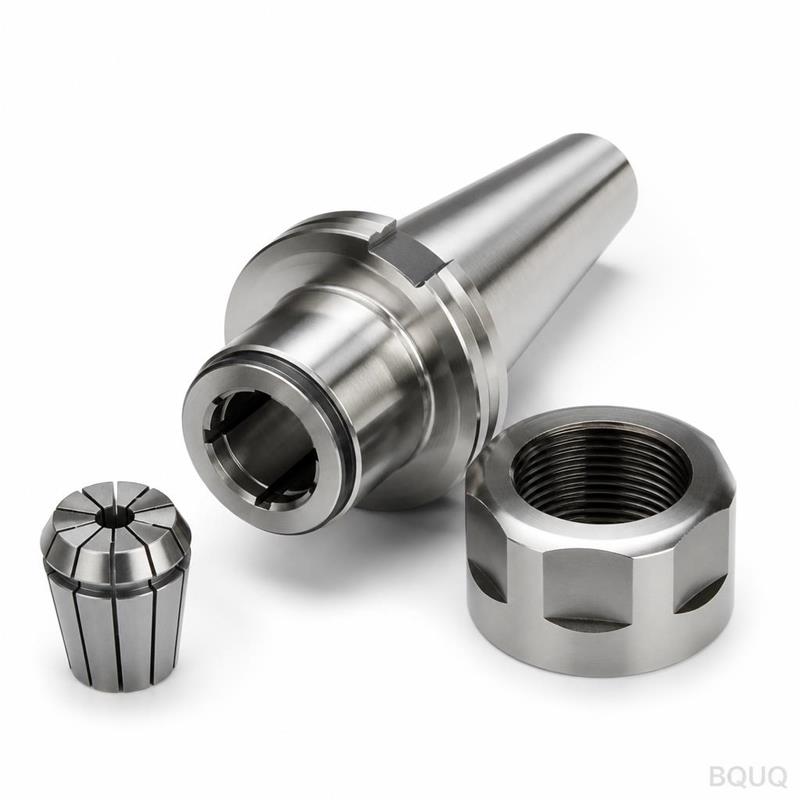
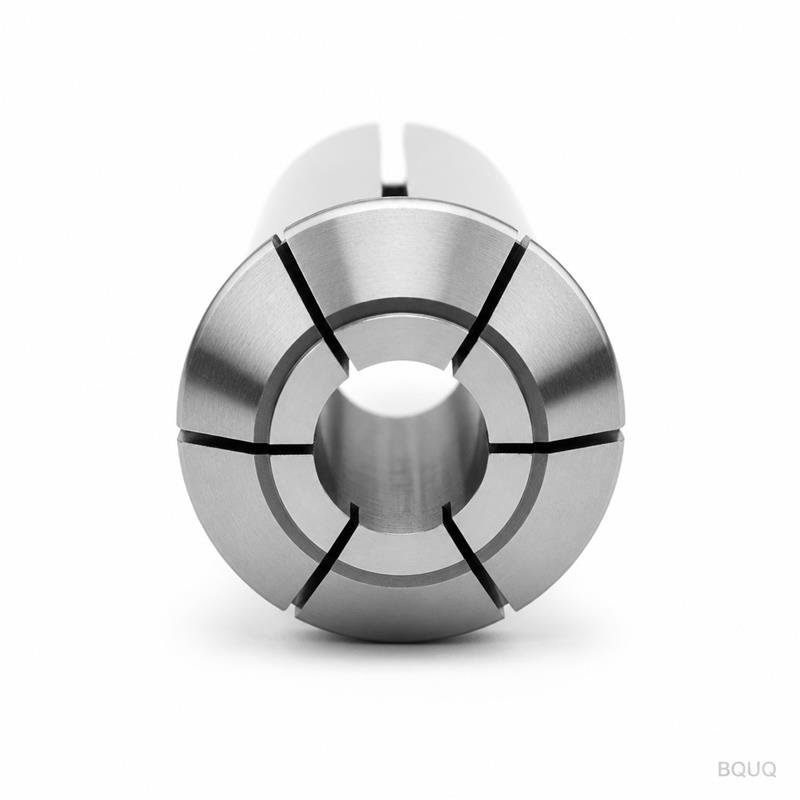
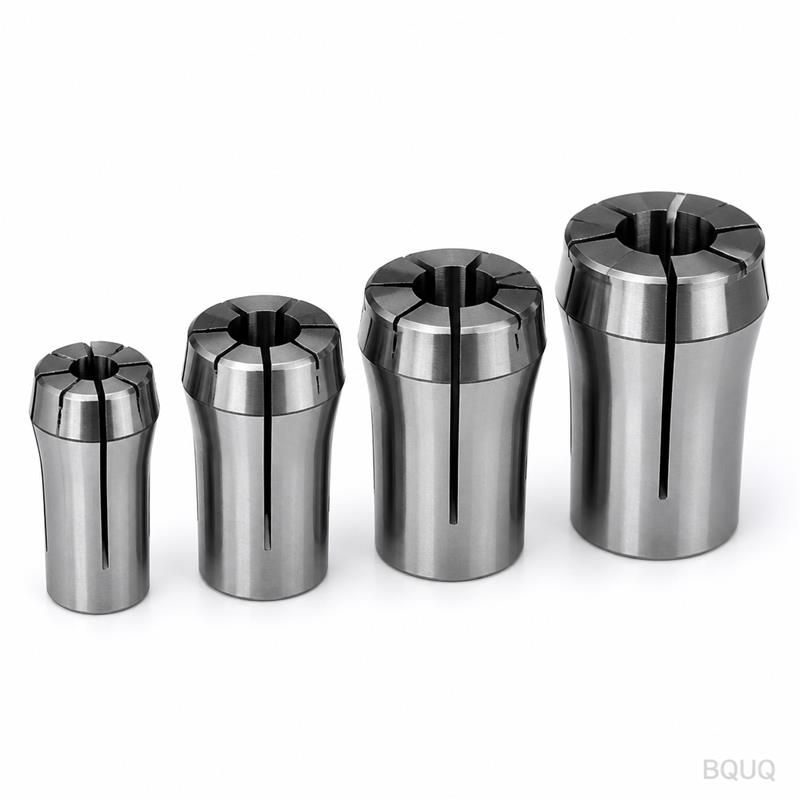
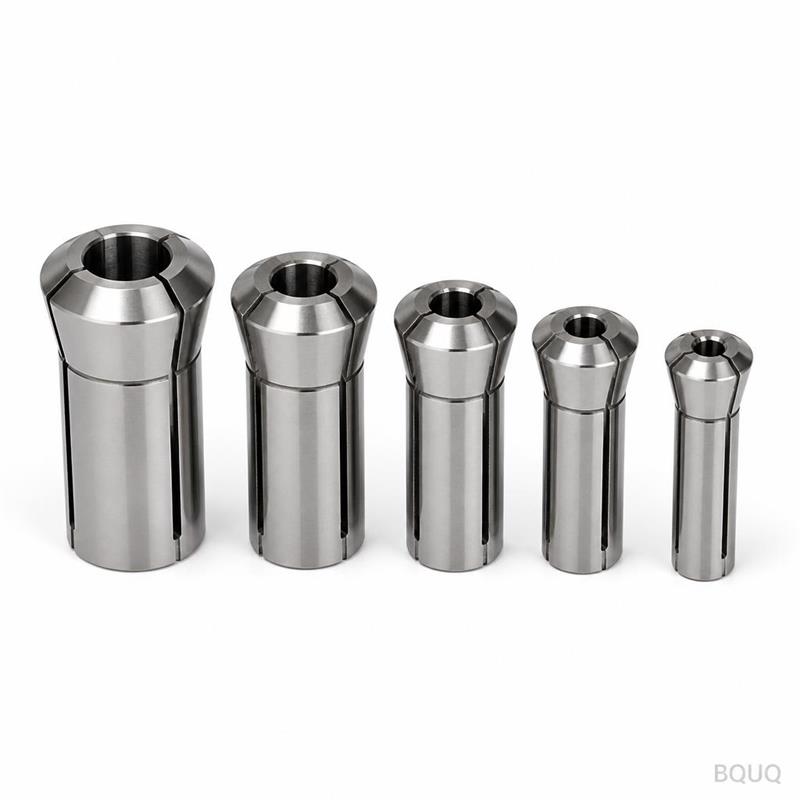
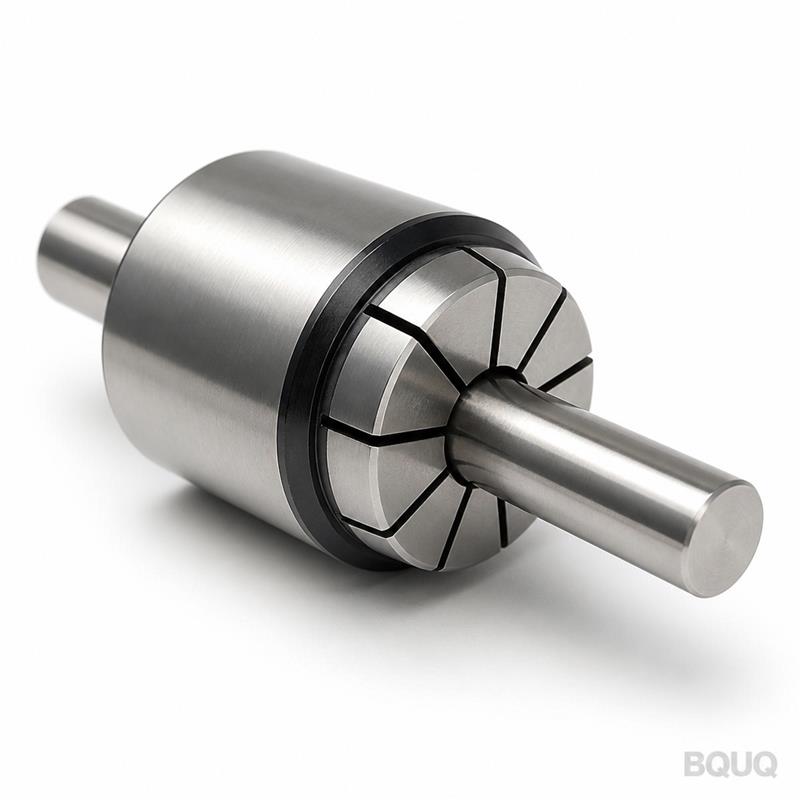
Quick-change tool holder systems are defined by their interface geometry, clamping mechanism, and repeatability metrics. The most common standards include HSK (Hollow Shank Taper), Capto (Coromant Capto), and VDI (Verein Deutscher Ingenieure) with specific accuracy classes. For example, an HSK-A63 holder offers a taper angle of 0.5 degrees, a clamping force of 18 kN, and a radial runout of 0.003 mm at 3x diameter. The Capto C6 system provides a polygonal taper that transmits torque up to 120 Nm with a repeatability of 0.002 mm. The clamping force for hydraulic expansion chucks ranges from 1500 to 3000 bar, while shrink-fit holders rely on thermal expansion at 350 degrees Celsius to achieve a grip torque of up to 900 Nm. These specifications matter because they determine whether the system can handle high-speed machining (above 15,000 RPM) without vibration or tool pullout.
How Does Quick-Change Technology Reduce Machine Downtime in Practice?
The primary economic benefit of quick-change tool holders is the reduction of machine idle time, which directly increases spindle utilization. Manual tool changes on a VMC (Vertical Machining Center) typically take 3 to 5 minutes per change, including tool measurement and offset adjustment. In contrast, a quick-change system with preset tooling can complete the same operation in 15 to 30 seconds, representing a 90% reduction in changeover time. For a job shop running 20 tool changes per day, this saves 1.5 to 2 hours of productive time daily. Consider a three-shift operation with a machine rate of 120 USD per hour; the annual savings from implementing quick-change holders on just one machine is approximately 50,000 USD. Furthermore, the reduction in manual handling lowers the risk of operator error, which accounts for 5% to 10% of scrapped parts in conventional setups, improving first-pass yield by up to 8%.
Why Are Quick-Change Systems Critical for High-Mix, Low-Volume Production?
Modern manufacturing trends, such as mass customization and just-in-time delivery, have shifted production from long runs of identical parts to frequent batches of small quantities. In a high-mix environment, a typical CNC machine may require 5 to 10 different tools per part, and changing programs can occur 4 to 6 times per shift. Without quick-change tooling, the cumulative changeover time can consume 40% of available machine hours, rendering the operation unprofitable. Quick-change systems enable "one-touch" tool presetting offline, allowing operators to prepare the next job while the machine is still cutting. Data from a 2023 survey of 200 machine shops in Guangdong Province showed that facilities using quick-change holders reduced average batch changeover from 45 minutes to 8 minutes, a 82% improvement. This capability allows smaller batch sizes (e.g., 50 parts instead of 500) to be economically viable, reducing inventory carrying costs by 15% to 20%.
Which Industries Are Adopting Quick-Change Tool Holders Most Rapidly?
The fastest-growing adoption of quick-change tool holder systems is occurring in the automotive, aerospace, and medical device sectors, where precision and traceability are non-negotiable. In automotive powertrain machining, quick-change systems are used for high-volume production of cylinder heads and transmission housings, where a 0.01 mm tolerance on bore diameters is standard. Aerospace manufacturers, such as those producing turbine blades and structural components, require tool holders with a taper accuracy of AT3 or better, which guarantees runout below 0.005 mm at 2.5x diameter. The medical industry, machining titanium and stainless steel implants, values the quick-change system's ability to maintain sterile tooling separation and reduce cross-contamination risks. Additionally, the electronics industry, producing heat sinks for semiconductor cooling, uses quick-change holders to switch between micro-drills (0.3 mm diameter) and milling cutters rapidly, with a positional accuracy of 0.005 mm. These industries report that quick-change systems reduce setup errors by 70% and improve tool life by 12% due to consistent clamping pressure.
How Much Does a Quick-Change Tool Holder System Cost and What Is the ROI?
The initial investment for a quick-change tool holder system varies significantly based on the interface type, clamping mechanism, and required precision. A basic VDI 40 static holder costs between 60 and 120 USD, while an HSK-A63 hydraulic expansion holder ranges from 250 to 450 USD. For a complete system—including a presetter, retention knobs, and 20 holders—the total investment is typically 8,000 to 15,000 USD per machine. However, the payback period is short. Assuming a machine cost of 100 USD per hour and a downtime reduction of 1.5 hours per day, the monthly savings are 3,000 USD, leading to a full return on investment in 4 to 5 months. The following table summarizes typical costs and performance metrics for common quick-change systems:
| System Type | Interface Standard | Clamping Force (kN) | Repeatability (mm) | Cost per Holder (USD) | Typical Lead Time (weeks) |
| Hydraulic Expansion | HSK-A63 | 18 | 0.002 | 350 | 2 |
| Shrink-Fit | HSK-T63 | 20 | 0.003 | 280 | 3 |
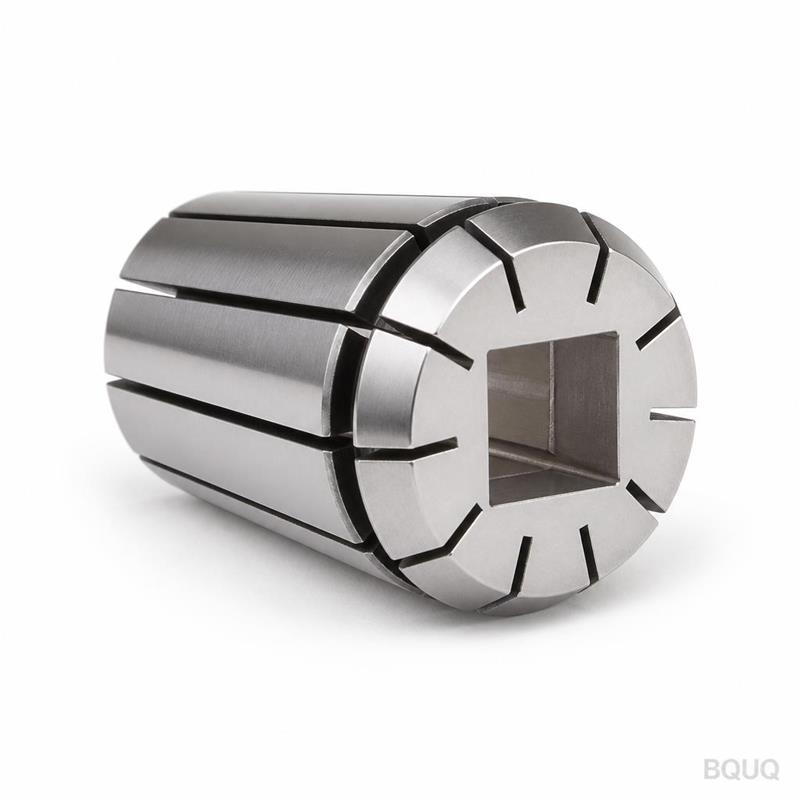
| Mechanical Collet | ER32 | 8 | 0.005 | 85 | 1 |
| Capto Modular | C6 | 22 | 0.002 | 420 | 4 |
| VDI Static | VDI 40 | 15 | 0.010 | 95 | 1 |
What Are the Common Failure Modes and How Can They Be Prevented?
The most frequent failure modes for quick-change tool holders include loss of clamping force, taper wear, and spindle pull-out under heavy cutting loads. Taper wear occurs when the holder is inserted into the spindle while the spindle is still rotating or when the taper surfaces are contaminated with coolant or chips. A worn taper beyond 0.005 mm of roundness can cause vibration and reduce tool life by 30%. To prevent this, operators must clean the taper and spindle bore with an air blast and a lint-free cloth before each insertion, a process that takes only 5 seconds. Another issue is thermal expansion in shrink-fit holders; if the heating coil temperature exceeds 380 degrees Celsius, the holder's hardness may drop below HRC 50, leading to premature failure. Regular calibration of the heating unit and using a thermal paste with a melting point of 180 degrees Celsius can mitigate this risk. Finally, torque loss in mechanical collets is a common problem; retorquing after the first 50 cycles to the manufacturer's specification (e.g., 100 Nm for an ER32 nut) prevents tool slippage.
How Do You Select the Right Quick-Change Tool Holder for Your CNC Machine?
Selecting the correct quick-change system requires matching the holder interface to the machine spindle taper and the cutting operation's torque requirements. First, verify the spindle taper type (e.g., BT40, CAT40, HSK-63A) and the maximum spindle speed; for operations above 12,000 RPM, HSK or Capto interfaces are recommended over BT or CAT due to their balanced design and higher clamping rigidity. Second, evaluate the cutting forces: for heavy roughing with a 20 mm end mill in steel, a hydraulic chuck with a clamping torque of 300 Nm is necessary, whereas finishing operations with a 6 mm end mill can use a precision collet. Third, consider the tool overhang; for overhangs exceeding 4 times the tool diameter, use a shrink-fit holder to minimize runout and vibration. Finally, ensure compatibility with your tool presetter and tool management software, as the quick-change system's efficiency depends on the ability to preset tools offline to within 0.01 mm. BQUQ recommends conducting a spindle pull-stud and drawbar force test before purchase; a minimum drawbar force of 8 kN is required for secure retention.
What Is the Future of Quick-Change Tooling with Automation and Industry 4.0?
The integration of quick-change tool holder systems with robotic tool changers and digital twin software is the next frontier in manufacturing efficiency. Automated tool magazines, combined with RFID chips embedded in the tool holders, allow for real-time tracking of tool wear and remaining life, with data transmitted to the CNC controller via a standard IO-Link protocol. For example, a robotic arm can swap a worn tool in 12 seconds without human intervention, using the quick-change interface's multiple keyways for self-orientation. Predictive maintenance algorithms analyze clamping force data to forecast taper wear, alerting operators 50 hours before a failure occurs. In smart factories, the quick-change system becomes a data node, reporting vibration, temperature, and cutting load to the MES (Manufacturing Execution System). This connectivity reduces unscheduled downtime by 25% and extends tool holder lifespan by 20%. BQUQ's engineering team is currently developing a smart holder with embedded strain gauges that can measure cutting force in real-time, with a prototype accuracy of +/- 2%.
How Does BQUQ Ensure Quality and Precision in Quick-Change Tool Holders?
At BQUQ's facility in Dongguan, we manufacture quick-change tool holders with a focus on taper geometry and surface finish, achieving a roundness of 0.001 mm and a surface roughness of Ra 0.2 micrometers on the taper. Our CNC grinding machines, operating at 2,500 RPM with CBN wheels, hold tolerances of +/- 0.002 mm on the taper angle. Every holder undergoes a 100% inspection using a coordinate measuring machine (CMM) with a resolution of 0.0005 mm, and a dynamic balancing test at 20,000 RPM to ensure a G2.5 balance grade. For our HSK holders, the pull-back force is calibrated to 18 kN +/- 1%, and the taper contact rate is verified to exceed 90% using blueing compound. We also offer custom modifications, such as extended length holders up to 160 mm and coolant-through versions with a pressure rating of 80 bar. With 20 years of experience in CNC machining and metal stamping, BQUQ provides engineering support for selecting the optimal clamping system based on your specific material and cutting parameters.
Can Quick-Change Tool Holders Improve Surface Finish and Tool Life?
Yes, quick-change tool holders directly improve surface finish and tool life by providing consistent clamping pressure and minimizing runout. A hydraulic expansion holder with a runout of 0.002 mm reduces vibration amplitude by 40% compared to a standard collet chuck, resulting in a surface finish improvement from Ra 1.6 to Ra 0.8 micrometers on aluminum. Tool life is extended because the uniform clamping force prevents micro-slippage, which is the primary cause of premature flank wear. In a test milling 6061-T6 aluminum at 15,000 RPM with a 12 mm carbide end mill, a shrink-fit holder achieved 35% longer tool life than a side-lock holder. The absence of moving parts in hydraulic and shrink-fit systems also eliminates the risk of losing clamping force due to nut loosening, which is a common cause of tool breakage. For high-speed machining of hardened steel (HRC 52), the quick-change system's rigidity reduces chatter by 60%, allowing a 20% increase in feed rate while maintaining the same surface quality.
What Are the Best Practices for Maintaining Quick-Change Tool Holder Systems?
Proper maintenance extends the service life of quick-change tool holders to 10,000 to 15,000 insertion cycles. The critical routine is cleaning and lubrication of the taper and clamping surfaces before each use, using a solvent that evaporates without residue, such as isopropyl alcohol. For hydraulic holders, check the hydraulic oil level and pressure every 500 cycles; the clamping pressure should remain within 5% of the initial specification (e.g., 300 bar). For shrink-fit holders, monitor the heating coil's performance; if the heating time to reach 350 degrees Celsius exceeds 8 seconds, the coil may be degrading. Inspect the pull studs for wear monthly; a worn pull stud can cause the holder to sit too deep in the spindle, leading to a 50% loss of drawbar force. Additionally, perform a spindle runout check every 6 months using a dial indicator with a 0.001 mm resolution; if runout exceeds 0.005 mm at the gauge line, re-grind the taper or replace the holder. BQUQ provides a reconditioning service that re-grinds tapers and replaces worn components at a cost of 30% of a new holder.
What Is the Typical Lead Time for Custom Quick-Change Tool Holders?
For standard off-the-shelf quick-change tool holders, lead times are typically 1 to 2 weeks from stock. Custom holders, such as those with special shank diameters, extended lengths, or unique coolant channels, require 3 to 4 weeks for manufacturing at BQUQ. The process includes design verification, material sourcing (e.g., 8620 alloy steel for the body), CNC machining, heat treatment to HRC 58-60, grinding, and final inspection. For high-volume orders exceeding 100 pieces, BQUQ can reduce lead time to 2 weeks by using dedicated fixtures and parallel processing. In urgent cases, a 3-day express service is available for simple modifications, such as adding a flat for a set screw or changing the coolant inlet thread. When ordering, provide the spindle interface (e.g., HSK-63A), the tool shank diameter, the required clamping torque, and the maximum operating speed to ensure correct specifications.
Conclusion
The growing demand for quick-change tool holder systems is a direct response to the manufacturing industry's need for agility, precision, and cost efficiency. With documented reductions in changeover time of up to 90%, improvements in tool life of 20% to 35%, and a return on investment within 6 months, these systems are no longer a luxury but a fundamental component of competitive CNC machining. As automation and data-driven manufacturing continue to evolve, the quick-change tool holder will serve as the critical interface between the machine spindle and the cutting tool, enabling the flexibility required for the factories of the future. For engineers evaluating their current tooling strategy, the data is clear: implementing quick-change systems yields immediate operational and financial benefits.
What Is the Difference Between HSK and Capto Quick-Change Systems?
HSK uses a hollow taper shank that expands under clamping pressure, providing both radial and axial location, while Capto uses a polygonal taper that offers higher torque transmission and self-centering properties. HSK is typically preferred for high-speed machining above 20,000 RPM, while Capto excels in heavy roughing operations with torque requirements above 100 Nm. Both offer repeatability of 0.002 mm, but Capto's design allows for a more compact tool length, reducing vibration in long-reach applications.
How Often Should I Calibrate My Quick-Change Tool Holder?
Calibration frequency depends on usage intensity; for a single-shift operation running 8 hours per day, perform a full clamping force and runout check every 3 months or after 2,000 insertion cycles. Hydraulic holders should have their pressure verified monthly with a gauge, and shrink-fit holders should have their heating time checked every 100 cycles. A complete calibration, including taper contact inspection, should be done annually or after any crash or abnormal vibration event.
Can Quick-Change Tool Holders Be Used on Manual Milling Machines?
Yes, quick-change tool holders can be used on manual milling machines, but the benefits are reduced because manual machines do not have automatic tool changers or high spindle speeds. The primary advantage on a manual machine is the reduction of operator fatigue and the ability to preset tools for repeatable depth settings. However, for manual applications, a simpler R8 or MT3 quick-change system is often more cost-effective than HSK or Capto interfaces.
What Is the Maximum Speed for Quick-Change Tool Holders?
The maximum speed depends on the holder type and balance grade. Standard collet chucks are rated up to 12,000 RPM, while hydraulic and shrink-fit holders can operate up to 30,000 RPM if balanced to G2.5. HSK holders with a G1.0 balance grade can exceed 40,000 RPM, making them suitable for high-speed machining of aluminum and composites. Exceeding the rated speed can cause vibration, tool pullout, and catastrophic spindle failure.
How Do I Prevent Tool Pullout in Quick-Change Holders?
Tool pullout is prevented by ensuring the clamping force exceeds the cutting torque and by using a holder with an appropriate safety factor. For example, a hydraulic chuck with a clamping force of 18 kN can hold a 20 mm end mill up to a torque of 120 Nm. Additionally, always use a pull stud with the correct thread size and hardness (HRC 45-50) and ensure the spindle drawbar force is within the manufacturer's specification of 8 to 12 kN. If pullout occurs, reduce the cutting depth by 20% and check the tool shank diameter for wear.
What Is the Cost of a Tool Presetter for Quick-Change Systems?
A quality optical tool presetter with a measurement accuracy of 0.005 mm costs between 8,000 and 20,000 USD for a manual model, while an automatic CNC presetter with a camera system ranges from 30,000 to 60,000 USD. The presetter is essential for quick-change systems because it allows tools to be set to a precise length and diameter offline, reducing setup time at the machine. For a small shop with 5 machines, a manual presetter with a 12-month payback period is a reasonable investment.
Which Quick-Change System Is Best for Aluminum Machining?
For aluminum machining, HSK-63A hydraulic expansion holders are the best choice due to their high clamping rigidity and minimal runout, which are critical for achieving mirror finishes at high spindle speeds. The hydraulic sleeve dampens vibration, preventing chatter marks on thin-walled aluminum parts. For drilling operations with diameters below 8 mm, a precision col