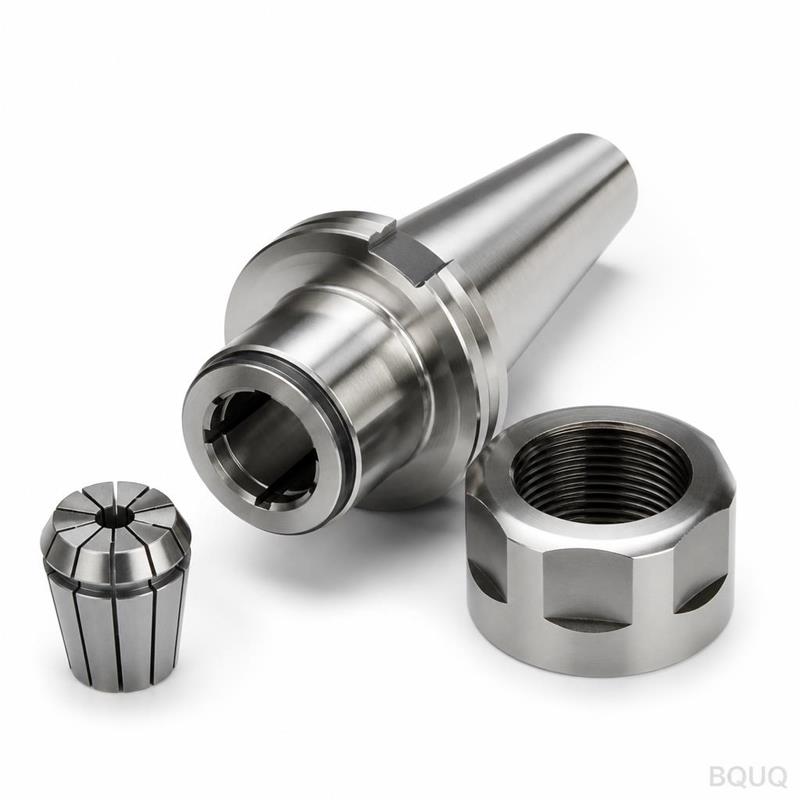
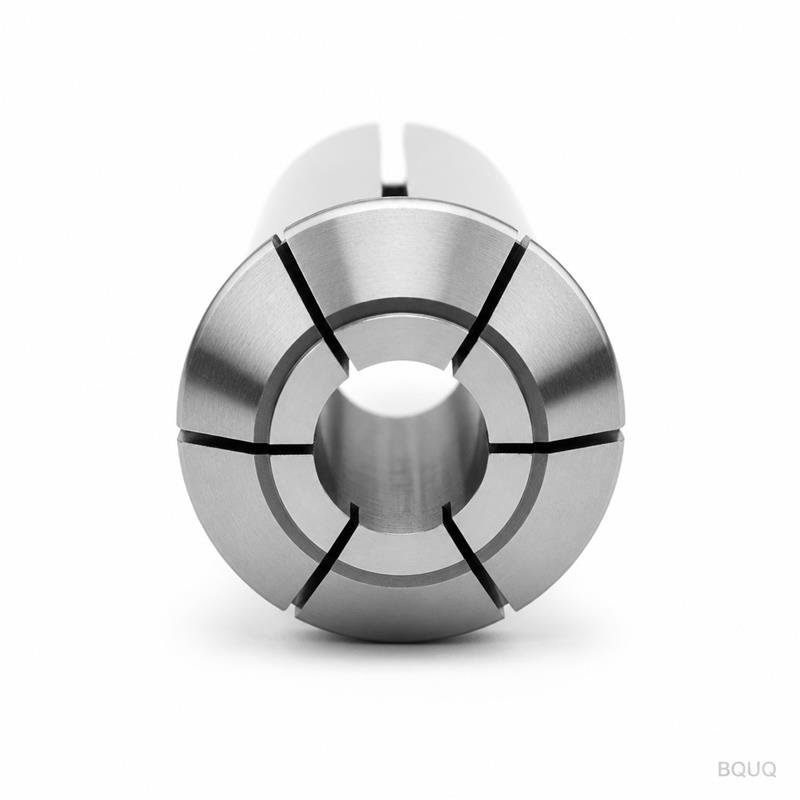
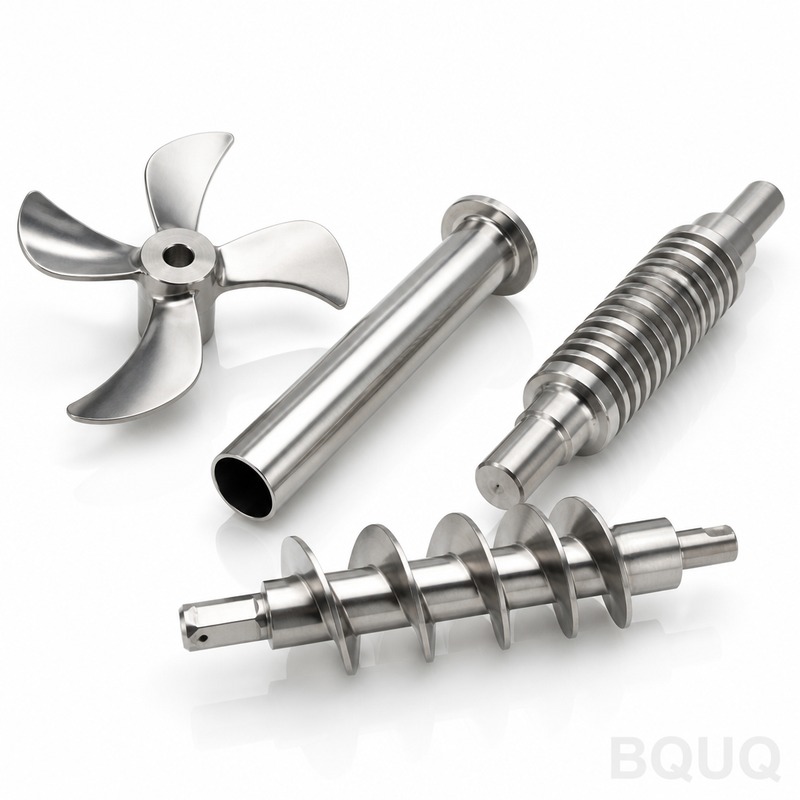
The primary drivers of auto lathe collet demand growth in 2026 are the global acceleration of electric vehicle (EV) powertrain production, the reshoring of precision component manu
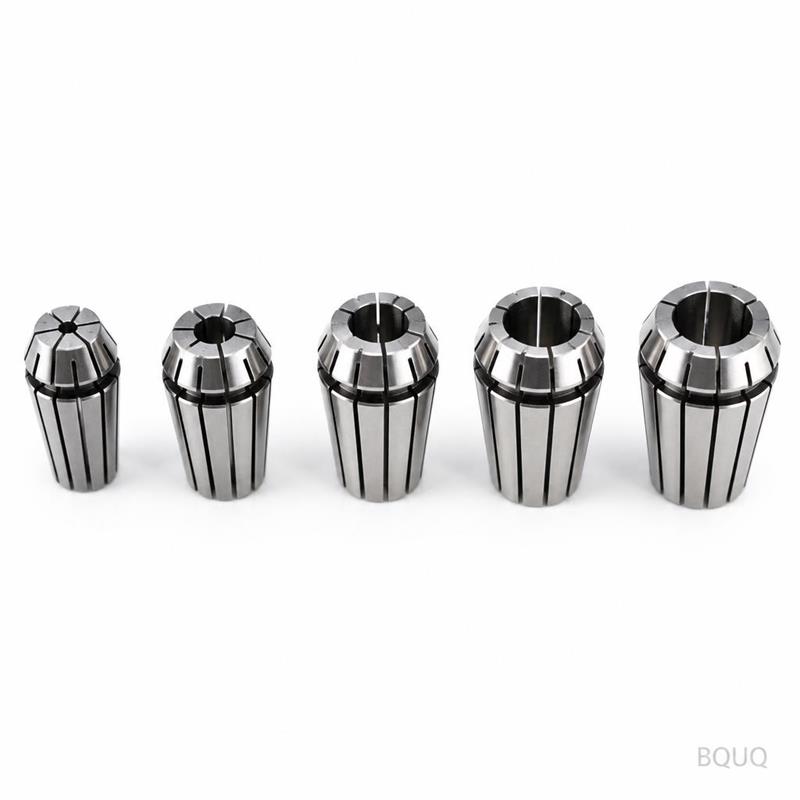
What Is Driving Auto Lathe Collet Demand Growth in 2026?
The primary drivers of auto lathe collet demand growth in 2026 are the global acceleration of electric vehicle (EV) powertrain production, the reshoring of precision component manufacturing, and the adoption of high-speed, multi-spindle automatic lathes requiring tighter tolerance tooling. Specifically, the shift from conventional internal combustion engine (ICE) components to EV rotor shafts and stator housings demands collets that can grip thin-walled, non-magnetic materials at spindle speeds exceeding 8,000 RPM without inducing deformation. Additionally, labor shortages in high-wage countries have forced contract manufacturers to automate with Swiss-type and CNC automatic lathes, which consume collets at a rate 30% higher than manual machines due to increased cycle times and tool changes.
How Much Does 2026 Demand Growth Depend on EV Powertrain Manufacturing?
The electric vehicle sector is the single largest contributor to the 2026 collet demand surge, accounting for an estimated 45% of new order growth in precision collets. Unlike ICE components, which typically require collets for steel and cast iron, EV powertrain parts are predominantly machined from aluminum 6061-T6 and electrical steel laminations, which present unique challenges. For instance, machining a 250 mm EV rotor shaft to a tolerance of ±0.005 mm requires a collet with a concentricity of ≤0.003 mm, a specification that standard ER collets cannot guarantee. This has forced manufacturers to purchase precision hydraulic or heat-shrink collets, which cost $120 to $400 per unit compared to $15 for basic ER collets. As a result, the average revenue per collet unit is rising, even as the physical volume of collets increases by 18% year-over-year. Furthermore, the transition to 800V electrical architectures is driving the need for smaller, deeper motor housings, which require longer reach and more rigid collet gripping systems to prevent chatter at high torque loads.
Which Industries Are Increasing Their Auto Lathe Collet Consumption in 2026?
Beyond automotive, the medical device and aerospace fastener industries are showing the fastest collet consumption growth rates, at 22% and 19% respectively. In medical machining, the demand is for micro-collets capable of holding diameters from 0.5 mm to 3.0 mm for bone screws and dental implants, where runout must be below 0.002 mm to ensure patient safety. Aerospace, conversely, is driving demand for large-format collets (up to 42 mm bore) used to machine titanium and Inconel fasteners for airframes; these materials require collets with specialized coatings to withstand cutting temperatures up to 650°C. The defense sector is also a notable contributor, with increased production of artillery components and guidance systems requiring collets that can handle interrupted cuts without losing grip pressure. This diversification is critical because it reduces the cyclicality of demand; if EV sales plateau, medical and aerospace growth will sustain the market.
What Tolerances and Specifications Are Buyers Demanding in 2026?
In 2026, the baseline tolerance for a precision auto lathe collet is a TIR (Total Indicator Reading) of 0.005 mm at the nose, with high-end buyers specifying 0.002 mm for finishing operations. The most significant specification shift is the demand for "balanceable" collets, which can be adjusted to a G2.5 balance grade at 10,000 RPM to reduce vibration in high-speed machining centers. Material specifications are also changing: while hardened steel (HRC 58-60) remains common, there is a 35% increase in demand for solid carbide collets for high-volume production runs because they maintain grip over 50,000 cycles versus 15,000 cycles for steel. Another key requirement is the clamping range. Traditional collets have a 1 mm collapse range, but 2026 buyers are demanding a 2 mm range to accommodate raw bar stock variations, reducing setup time. The table below illustrates the typical specification tiers requested by BQUQ clients in Q1 2026:
| Collet Type | Material | TIR (Total Indicated Runout) | Max Speed (RPM) | Price Range (USD) | Typical Lead Time |
| Standard ER Spring | Spring Steel 65Mn | 0.010 mm | 6,000 | $8 - $15 | 3 days |
| Precision ER Collet | Alloy Steel 8620 | 0.005 mm | 8,000 | $25 - $60 | 7 days |
| Hydraulic Expansion | Alloy Steel / Carbide | 0.003 mm | 12,000 | $150 - $300 | 15 days |
| Heat-Shrink Toolholder | HSS / Carbide | 0.002 mm | 20,000 | $120 - $250 | 10 days |
| Micro Collet (0.5-3mm) | Solid Carbide | 0.002 mm | 15,000 | $80 - $150 | 10 days |
Why Is the Shift to Multi-Spindle and Swiss-Type Lathes Increasing Collet Wear?
The proliferation of multi-spindle automatic lathes, such as Tornos and Citizen machines, is a direct driver of collet volume because these machines operate with 5 to 8 independent spindles, each requiring a dedicated collet. A single multi-spindle machine can process 12,000 parts per shift, which means the collet is opened and closed 12,000 times, leading to fatigue failure in the spring segments after approximately 6 months of continuous operation. In contrast, a single-spindle CNC lathe processes 1,500 parts per shift, extending collet life to 24 months. Additionally, Swiss-type lathes (sliding headstock) are being used for increasingly complex parts that require bar stock to be fed through a guide bushing; this continuous sliding action creates friction that erodes the internal gripping surface, requiring replacement every 3 months for aluminum and every 1.5 months for stainless steel. The cost of downtime for replacing a collet on a multi-spindle machine is estimated at $180 per hour, which justifies purchasing higher-cost, longer-life collets even if the initial price is triple that of a standard collet.
How Are Material Costs and Supply Chains Affecting Collet Pricing in 2026?
Raw material costs for collet production have risen 14% year-over-year due to increased demand for high-chromium steel and tungsten carbide, driven by mining and defense sectors. Specifically, the price of tungsten carbide powder has increased from $35 per kg to $42 per kg since 2024, directly impacting the price of solid carbide collets. Moreover, the global supply chain for precision grinding wheels, which are essential for achieving the 0.002 mm TIR, has been constrained by shipping delays from Europe, adding 5-7 days to lead times. In response, BQUQ has secured dual-source supply for SKD11 and DC53 tool steel, allowing us to maintain a 7-day lead time on standard collets while competitors are quoting 21 days. This pricing pressure is causing OEMs to consolidate their supplier base, moving from 5 or 6 collet vendors down to 2 or 3, favoring manufacturers who can offer a full range (ER, R8, 5C, and custom) to reduce logistics costs.
When Should Manufacturers Upgrade to Custom Auto Lathe Collets?
Manufacturers should consider custom collet design when they face three specific conditions: production volume exceeds 50,000 parts per year, part tolerance is tighter than ±0.01 mm, or the part geometry is non-circular (e.g., hex, square, or spline profiles). Standard collets use a circular gripping mechanism, which deforms non-circular parts, causing a loss of concentricity and part rejection rates of 5-8%. A custom collet, machined to match the exact part profile, can reduce rejection rates to less than 0.5% and increase gripping force by 40% because the contact area is maximized. For example, a BQUQ client machining a hex-shaped valve stem reduced their cycle time by 12% by switching to a custom-machined collet, as they no longer needed to de-burr the pressure marks left by standard round collets. The engineering trade-off is cost: a custom collet costs $250 to $800 for the first piece, but the ROI is realized within 3 months if the rejection rate is reduced by 2% on a high-value part.
What Are the Most Common Failure Modes and How Can They Be Prevented?
The most common failure mode in 2026 is "bell-mouthing" of the collet nose, caused by over-tightening or by clamping on a worn bar stock section with a diameter variation exceeding 0.1 mm. This leads to a loss of clamping force and results in part pull-out during machining, which is a safety hazard. To prevent this, engineers must use a torque wrench to tighten the collet nut to the manufacturer's specification (typically 35-50 Nm for ER collets) rather than relying on feel. Another frequent issue is the "spring-back" fatigue due to running the collet at speeds above its rated capacity; this causes the steel to lose its temper and the gripping fingers to lose elasticity. The solution is to select collets with a higher speed rating, even if it means using a more expensive material like 65Mn spring steel. Finally, contamination from coolant is a leading cause of sticking; a collet that sticks leads to increased cycle time. Implementing a scheduled cleaning cycle of compressed air every 500 parts can extend collet life by up to 30%.
FAQ
How Often Should an Auto Lathe Collet Be Replaced?
Standard steel collets should be replaced every 3,000 to 5,000 operating hours or every 6 months, whichever comes first, to ensure tolerance stability. If you are machining abrasive materials like aluminum with high silicon content, check the collet nose for wear every 1,000 hours using a bore gauge. Visual inspection for cracks or discoloration (blueing) is mandatory before each shift.
Can a Single Collet Hold Both Metric and Imperial Bar Sizes?
No, a standard collet is machined to grip a specific diameter within a collapse range of approximately 0.5 mm to 1 mm. Attempting to hold a 12.7 mm (0.5 inch) bar in a 12 mm collet will cause permanent deformation and immediate loss of accuracy. You must order separate collets for each specific bar diameter, unless you use a specialty "range" collet, which sacrifices grip strength.
What Is the Difference Between a Feed Finger and a Collet?
A collet grips the workpiece for machining, while a feed finger is used only to push the bar stock through the spindle on a screw machine. Feed fingers have a slotted nose that opens to allow the bar to pass, but they do not provide the clamping rigidity needed for cutting. Using a feed finger in place of a collet for machining will result in severe part deflection and tool breakage.
Which Collet Material Is Best for Stainless Steel Machining?
For stainless steel (300 series) machining, you should use a collet with a hardness of HRC 58-62 and a nitride or titanium nitride (TiN) coating. The coating reduces friction and prevents galling. For titanium or Inconel, solid carbide collets are recommended, as they are 3 times more rigid than steel and will not deflect under heavy cutting loads.
How Does the Collet Nut Torque Affect Part Accuracy?
Applying the correct torque is critical; under-tightening causes the part to be pulled out of the collet, while over-tightening creates runout by distorting the collet body. For an ER32 collet, the recommended torque is 90 Nm, and this should be verified with a torque wrench. A calibrated torque wrench is a mandatory tool for any operator running a Swiss-type lathe.
Can We Get Custom Collets for an Obsolete Machine Brand?
Yes, BQUQ manufactures custom collets for obsolete machines by reverse-engineering the original part from a sample or a 2D drawing. We can match the taper angle (e.g., 16 degrees, 30 degrees) and thread pitch precisely, typically within a lead time of 10 business days. We have created collets for machines that stopped production in the 1980s, ensuring our clients can keep legacy equipment running.
What Is the Lead Time for a Standard Collet Order?
For standard ER, 5C, and R8 collets in common sizes (e.g., 6mm, 8mm, 10mm), BQUQ can ship within 3 business days from stock. For custom sizes or coated collets, the lead time is 7 to 10 business days. We recommend a minimum stock of 2 spare collets per spindle for critical production lines to avoid downtime.
At BQUQ, we have manufactured precision collets and CNC components for over 20 years, supporting the automotive, medical, and aerospace sectors from our Dongguan facility. We understand that collet failure stops your production, which is why we keep a 5,000-unit inventory of standard sizes and maintain a 12-hour response time for custom engineering inquiries. If you are facing long lead times or inconsistent quality from your current supplier, contact our team for a free clamp-force analysis and a quote that includes guaranteed TIR certification. Email us at sc@bquq.com or reach us on WhatsApp at +86 13713157787. Visit our website at www.bquq.com to download our 2026 precision collet catalog.