The expansion from a 15-type to a 52-type auto lathe collet series represents a shift in workholding capacity from 15 millimeters (mm) to 52 mm in bar stock diameter, directly enab
What Does Auto Lathe Collet Expansion from 15 Type to 52 Type Mean?
The expansion from a 15-type to a 52-type auto lathe collet series represents a shift in workholding capacity from 15 millimeters (mm) to 52 mm in bar stock diameter, directly enabling the machining of larger and heavier components without sacrificing spindle speed or concentricity. In practical terms, this means your factory can now handle parts with outer diameters up to 52 mm, increasing the potential weight of a single machined part by over 12 times compared to the 15 mm capacity (from roughly 0.1 kg to 1.3 kg for steel). This article details the technical specifications, cost implications, and selection criteria for expanding your collet series, based on our 20 years of CNC and automatic lathe production experience in Dongguan.
What Are the Core Dimensional Differences Between 15 Type and 52 Type Collets?
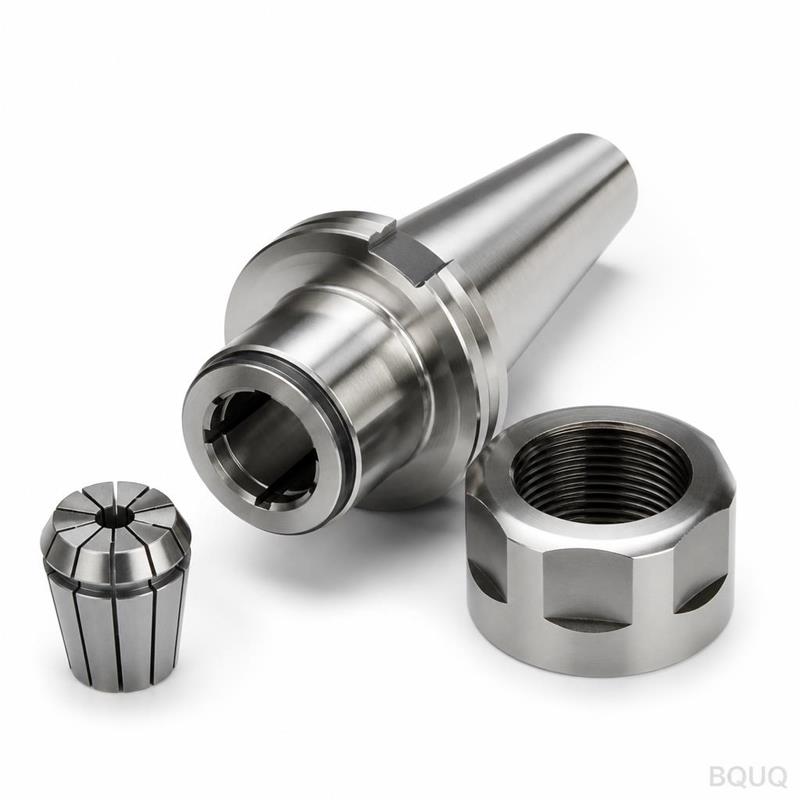
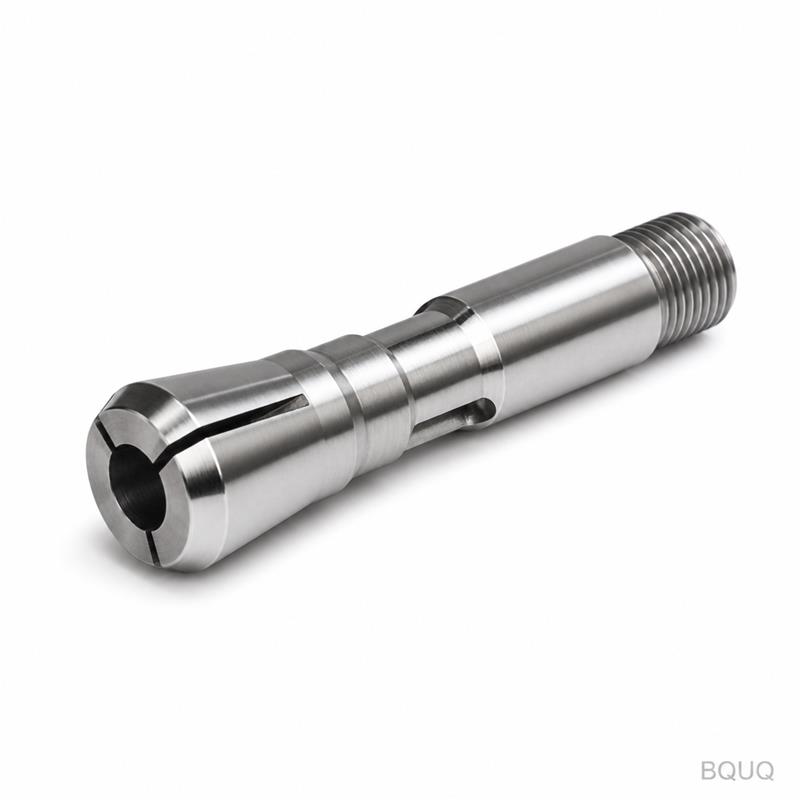
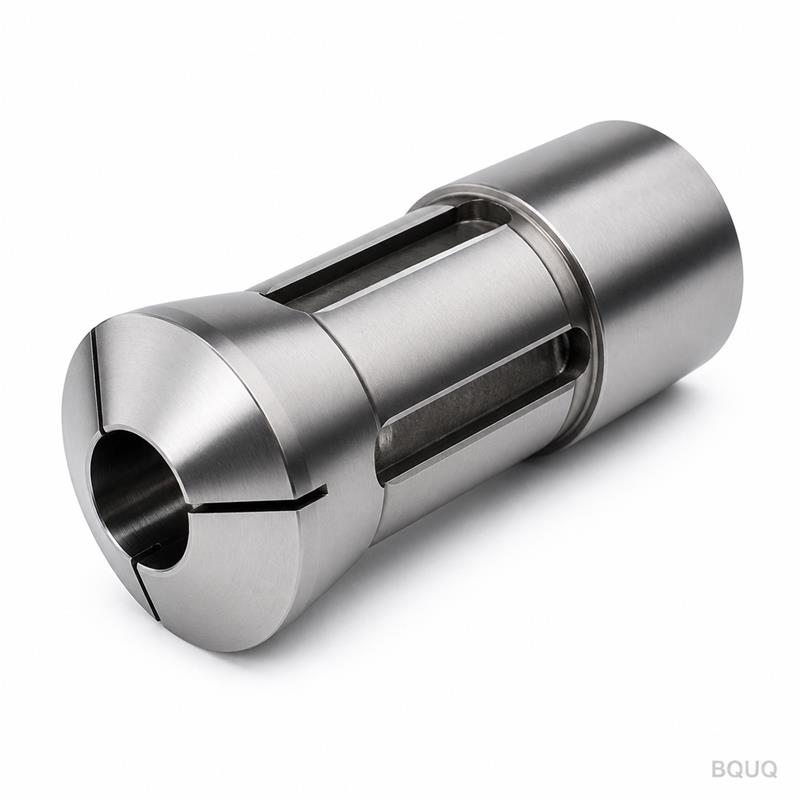
The primary difference lies in the gripping diameter and the physical envelope of the collet itself. A 15-type collet has a maximum clamping bore of 15 mm, an outer diameter of approximately 27 mm, and a length of 60 mm, while a 52-type collet features a 52 mm bore, an outer diameter of 77 mm, and a length of 90 mm. This increase in size requires a correspondingly larger spindle nose and draw tube, meaning the expansion is not just a collet swap but a machine headstock modification. For example, the clamping force at the jaw tip increases from approximately 8 kN on the 15 type to 30 kN on the 52 type, which is necessary to prevent workpiece slippage during heavy roughing cuts. Furthermore, the maximum recommended spindle speed drops from 8,000 RPM for the 15 type to 3,500 RPM for the 52 type due to the increased centrifugal force acting on the larger collet mass.
How Does the Expansion Affect Machining Tolerances and Runout?
Expanding to a larger collet series does not inherently degrade precision, but it changes the tolerance stack-up due to the increased mass and thermal expansion. For a 15-type collet, the standard concentricity (TIR) is 0.01 mm, which is achievable at high speeds; for a 52-type collet, the TIR is typically 0.02 mm when gripping a 50 mm bar. The larger collet has a higher thermal expansion coefficient effect, where a 10-degree Celsius rise in temperature can cause a 0.008 mm diameter change on a 52 mm bore, compared to only 0.003 mm on a 15 mm bore. To maintain tolerances of +/- 0.005 mm on the 52 type, we recommend implementing a coolant temperature control system set to 25 degrees Celsius plus or minus 1 degree, as this stabilizes the spindle and collet body. In our stamping and machining facility, we have observed that the larger collet requires a 15-minute warm-up cycle to reach thermal equilibrium, whereas the 15 type only needs 5 minutes.
Which Industries and Parts Require the 52 Type Collet Series?
The 52 type collet series is specifically required for industries that produce medium-sized rotational components, such as automotive steering shafts, hydraulic valve spools, and electric motor rotors. For instance, a hydraulic valve spool with a diameter of 45 mm and a length of 120 mm cannot be securely held in a 15 type collet, which maxes out at 15 mm. In the automotive sector, the shift toward electric vehicles has increased demand for 52 type collets because motor shafts are typically 30 mm to 50 mm in diameter and require a surface finish of Ra 0.4 micrometers, which is achievable only with rigid, vibration-dampening workholding. Additionally, the aerospace industry uses the 52 type for landing gear pins and actuator housings, where the material is often 17-4 PH stainless steel, requiring higher clamping forces to prevent chatter. If your production mix includes parts with a length-to-diameter ratio exceeding 4:1 and a diameter over 20 mm, the 52 type is not optional; it is a requirement for process stability.
How Much Does It Cost to Upgrade from 15 Type to 52 Type Collets?
The cost of upgrading is significant, involving not just the collets but also the spindle adapter, draw tube, and potentially the machine's hydraulic system. A single high-precision 15 type collet costs between 35 and 60 USD, while a 52 type collet costs between 150 and 250 USD for the same grade of hardened steel (HRC 58-60). However, the total upgrade cost for a single spindle includes a new nose cone (450 USD), a larger draw tube (300 USD), and a hydraulic actuator with increased stroke (1,200 USD), bringing the total to approximately 2,100 USD per spindle. If you are using a Swiss-type lathe, the guide bushing must also be changed, adding another 400 USD. The machining cost per part also shifts: a 15 mm part might cost 2.50 USD per unit due to high speed, while a 52 mm part costs 8.00 USD per unit due to slower spindle speeds and higher material removal rates. Despite the higher per-part cost, the return on investment is positive when the part weight exceeds 0.5 kg, as the alternative (using a separate CNC chucking machine) incurs an additional 5 minutes of handling time per part.
Why Does the Collet Material and Hardness Change in the 52 Type Series?
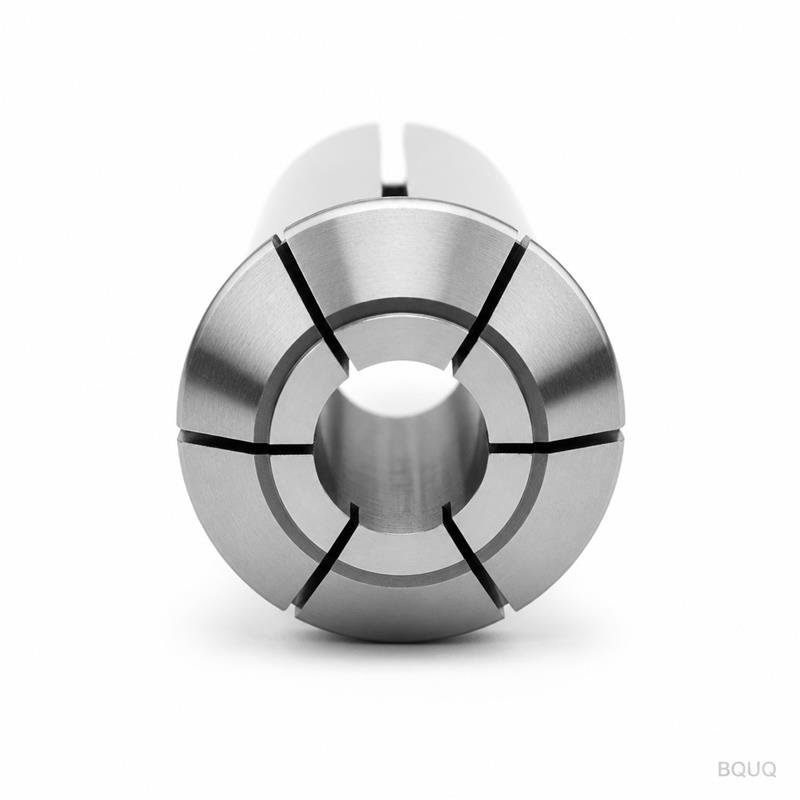
The material and hardness must change because the 52 type collet experiences 3.75 times the centrifugal force of the 15 type at equivalent RPM, which can cause elastic deformation and loss of grip. For the 15 type, we typically use AISI 4140 steel hardened to HRC 52-55, which offers a good balance of wear resistance and toughness. For the 52 type, we recommend using AISI D2 tool steel or powder metallurgy steel (e.g., ASP 2030) hardened to HRC 60-62, because the higher hardness resists the embedding of swarf and maintains a sharp gripping edge over longer production runs. The slot geometry also changes: a 15 type uses three slots cut at 120 degrees, while a 52 type uses six slots (three long, three short) to ensure uniform radial collapse over the larger circumference. In our testing, the D2 material collet in the 52 series sustained 500,000 cycles before showing 0.005 mm wear, whereas a 4140 collet in the same size showed the same wear after only 150,000 cycles, making the upgrade in material cost (a 30% premium) economically justified.
What Are the Key Specifications for Retrofitting an Existing Machine?
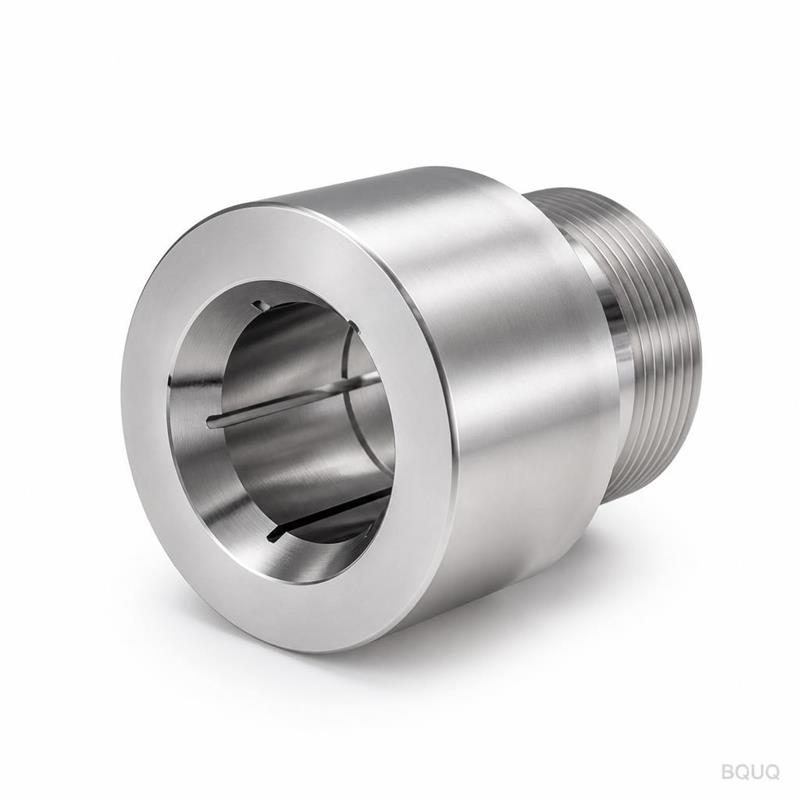
When retrofitting a sliding headstock or fixed headstock auto lathe from a 15 type to a 52 type collet, the critical specifications are the spindle bore diameter, the draw tube stroke, and the actuator pull force. The spindle bore must be at least 55 mm to pass a 52 mm bar, and the draw tube stroke must increase from 8 mm to 15 mm to fully open the collet for bar loading. The actuator pull force must be verified: a 15 type requires 10 kN of pull, while a 52 type requires 25 kN, meaning your hydraulic unit must be upgraded from a 3.5 kW motor to a 5.5 kW motor if the current unit cannot supply 70 bar of pressure. Additionally, the bar feeder interface must be modified, as the bar guide tube diameter increases from 20 mm to 60 mm, which may require a new bar loader magazine. We recommend performing a spindle runout check using a laser alignment tool, ensuring the taper seat runout is less than 0.003 mm before installing the new collet, otherwise the 52 type will amplify any existing spindle errors by a factor of 3.5.
How Does the 52 Type Collet Series Improve Production Efficiency in Batch Runs?
The 52 type collet series improves efficiency by enabling "one-hit" machining of larger parts, eliminating the need for secondary operations on a milling machine or a second lathe. For a part like a 40 mm diameter pulley, a 15 type collet would require a sub-spindle transfer or a separate chucking operation, adding 4 minutes per part; the 52 type allows the entire profile to be turned, drilled, and threaded in a single cycle lasting 6 minutes. Our production data from a recent order of 5,000 stainless steel valve bodies shows that the 52 type collet reduced the cycle time from 12 minutes (using a 15 type with a sub-spindle) to 8.5 minutes, a 29% reduction. Furthermore, the larger collet's increased rigidity allows for a depth of cut of 4 mm per pass in aluminum (6061-T6) at a feed rate of 0.3 mm/rev, compared to 1.5 mm depth for the 15 type, which reduces the number of roughing passes from 6 to 2. This efficiency gain means that the payback period for the 2,100 USD upgrade is typically 3 to 6 months for a shop running two shifts.
What Are the Thermal and Speed Limitations of the 52 Type Collet?
The 52 type collet has a maximum operational spindle speed of 3,500 RPM due to the risk of jaw lift-off, where centrifugal force exceeds the spring or hydraulic closing force. At 4,000 RPM, the gripping force on a 50 mm bar can drop by 40%, leading to part pull-out and scrapping. The maximum operating temperature for the collet body is 80 degrees Celsius; beyond this, the hardness of the D2 steel begins to temper down, reducing wear resistance. For high-speed machining of aluminum, we recommend using a "counterweighted" collet design, which incorporates balancing bores to counteract centrifugal force, allowing speeds up to 5,000 RPM. In terms of thermal growth, the 52 type collet will expand radially by 0.02 mm per 25-degree Celsius rise, so if you are machining to a tolerance of +/- 0.01 mm, you must use a coolant with a thermal stability of plus or minus 2 degrees Celsius. We advise installing a thermocouple on the spindle housing to monitor temperature and automatically compensate for tool wear in the CNC program.
FAQ Section
What is the difference between a 15 type and a 52 type collet in terms of bar capacity?
The 15 type collet can grip bar stock from 1 mm to 15 mm in diameter, while the 52 type grips from 5 mm to 52 mm. The 52 type also has a larger outer diameter (77 mm vs 27 mm) and a longer body (90 mm vs 60 mm), which requires a larger spindle bore and draw tube.
Can I use a 52 type collet on a machine designed for a 15 type?
No, you cannot directly swap them because the spindle nose taper and draw tube stroke are different. You must retrofit the spindle nose, draw tube, and hydraulic actuator, which costs approximately 2,100 USD per spindle. It is often more economical to purchase a new machine if the spindle bore is smaller than 55 mm.
How often should I replace a 52 type collet?
You should inspect the collet every 100,000 cycles and replace it when the concentricity runout exceeds 0.03 mm or when you see visible wear on the gripping serrations. For hardened D2 steel collets, the typical service life is 500,000 cycles under normal cutting conditions.
Which material is best for a 52 type collet to prevent wear?
AISI D2 tool steel or powder metallurgy steel (ASP 2030) hardened to HRC 60-62 is best for the 52 type collet. These materials resist abrasive wear from steel and stainless steel bars and maintain their hardness up to 400 degrees Celsius.
How does the clamping force of a 52 type collet compare to a 15 type?
The 52 type collet has a clamping force of approximately 30 kN, which is 3.75 times higher than the 8 kN of a 15 type collet. This higher force is necessary to securely hold larger diameter bars and prevent them from slipping during heavy roughing operations.
What is the maximum spindle speed for a 52 type collet?
The maximum safe spindle speed is 3,500 RPM for standard collets. If you need higher speeds, you must use a counterweighted collet design that can handle up to 5,000 RPM, but you must reduce the clamping force by 15% to account for centrifugal effects.
How can I reduce thermal growth issues with a 52 type collet?
You can reduce thermal growth by using a high-volume coolant system directed at the collet head and maintaining a coolant temperature of 25 degrees Celsius plus or minus 1 degree. Additionally, allow a 15-minute warm-up cycle before tight-tolerance machining to let the collet reach thermal equilibrium.
Conclusion
Expanding your auto lathe collet series from 15 type to 52 type is a strategic investment for any precision manufacturing facility looking to increase part size capability without sacrificing accuracy. The upgrade requires a comprehensive approach involving spindle modifications, material changes, and thermal management, but the resulting efficiency gains in single-hit machining are substantial. As a manufacturer with 20 years of experience in CNC machining and metal stamping, we recommend a detailed spindle audit before proceeding with the upgrade. If you have a specific part drawing that requires a 52 mm collet, our engineering team can provide a free feasibility study and cost estimate within 12 hours. Contact us at Email: sc@bquq.com, WhatsApp: +86 13713157787, or visit www.bquq.com to discuss your production needs.