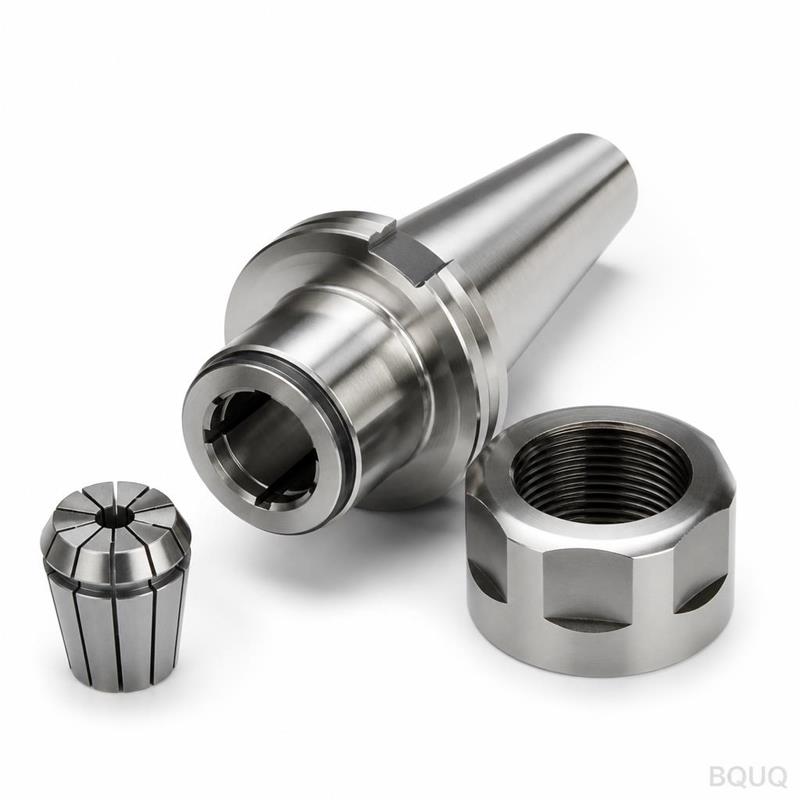
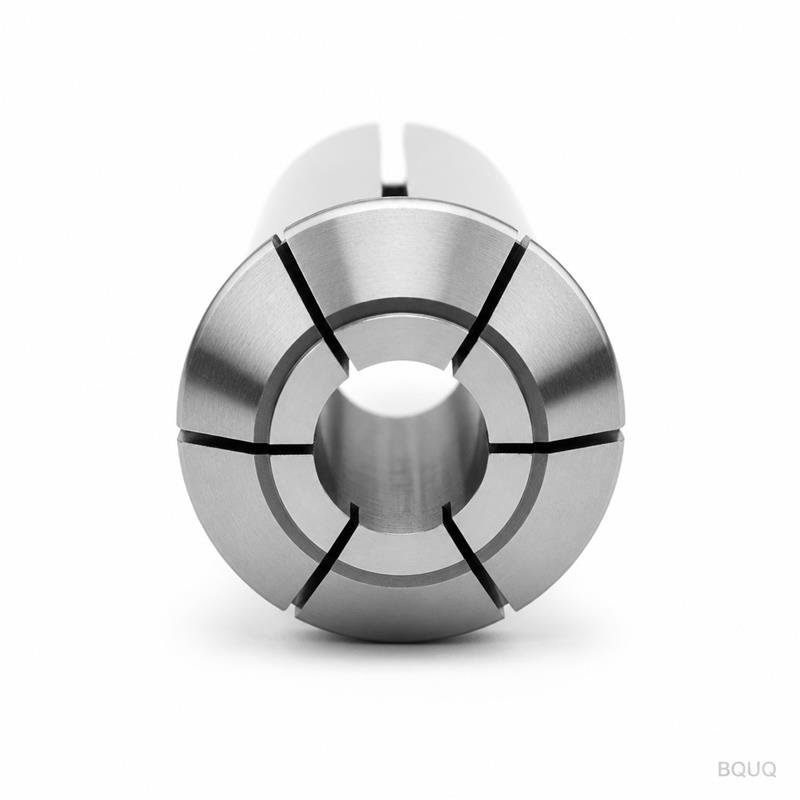
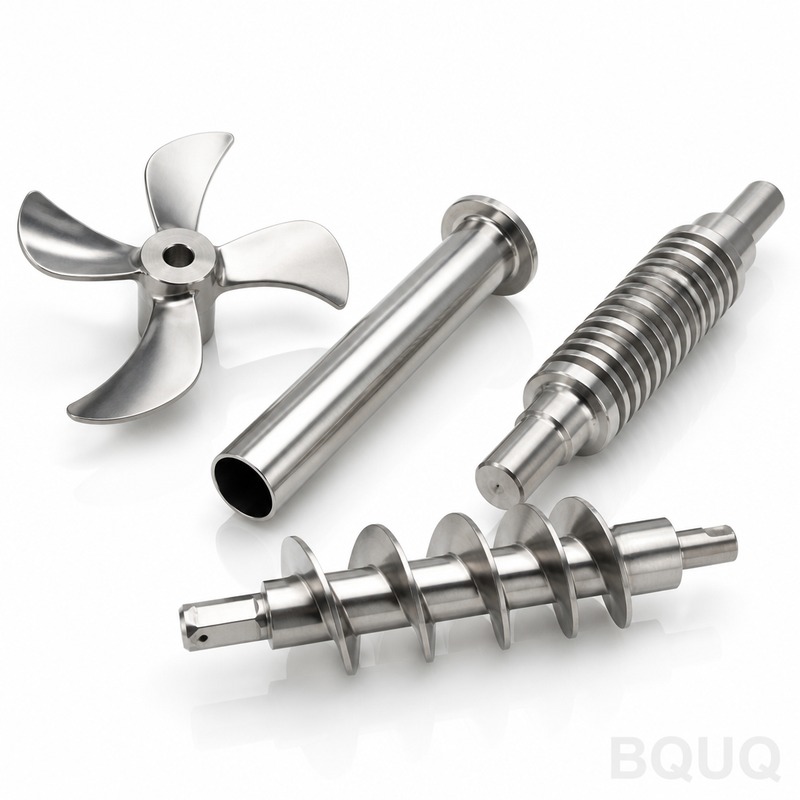
Hex, square, and triangle bore collets enable complex bar stock machining by allowing standard CNC lathes and screw machines to grip non-round raw material directly, eliminating th
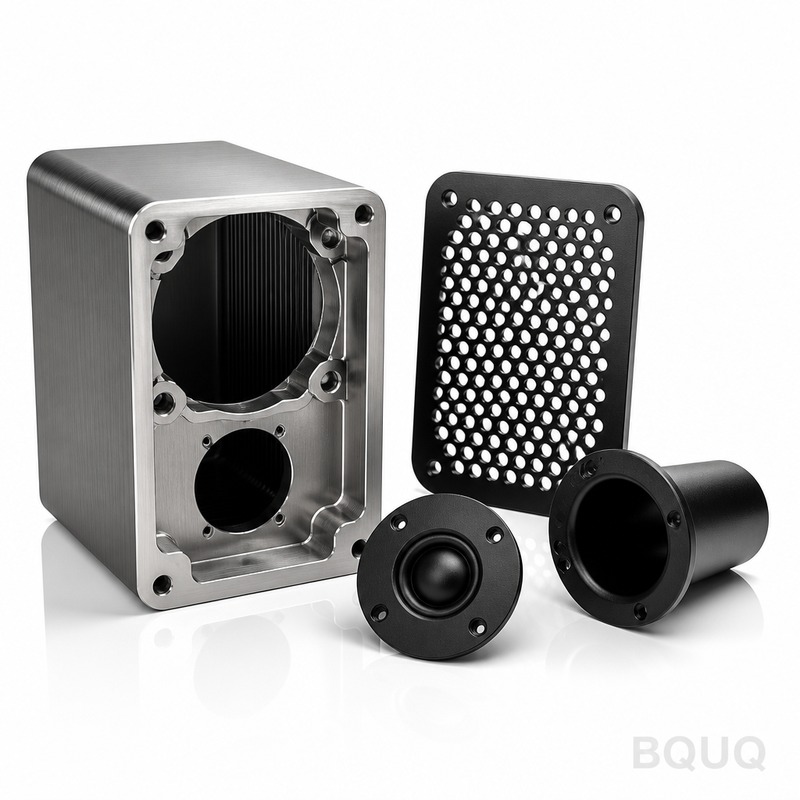
How Do Hex, Square and Triangle Bore Collets Enable Complex Bar Stock Machining?
Hex, square, and triangle bore collets enable complex bar stock machining by allowing standard CNC lathes and screw machines to grip non-round raw material directly, eliminating the need for secondary milling or wire EDM operations. These precision workholding devices transmit torque and positional accuracy through form-fit contact, achieving repeatable clamping concentricity within 0.005 mm (0.0002 in) for polygon profiles. By using shaped bore collets, manufacturers can machine hexagonal bolts, square drive shafts, and triangular cams from bar stock in a single setup, reducing cycle time by up to 40% compared to round-bar-plus-milling strategies.
What Are the Dimensional Limits of Non-Round Collet Bores?
The dimensional limits for hex, square, and triangle bore collets depend on the bar stock's cross-sectional width across flats (WAF) and the collet's elastic deformation range. Standard BQUQ collets accept WAF sizes from 3 mm to 32 mm (0.118 in to 1.260 in) for hex and square profiles, while triangle bores typically range from 6 mm to 25 mm (0.236 in to 0.984 in) due to corner stress concentration. The bore tolerance is held to ISO H7 (0/+0.012 mm for 10 mm WAF), ensuring a slip-fit insertion of 0.01 mm to 0.03 mm clearance for automatic bar feeders. For example, a 10 mm hex collet has a bore dimension of 10.000 mm to 10.012 mm, with a maximum recommended torque of 45 N·m on the collet nut to avoid plastic deformation of the hardened steel fingers.
How Does Torque Transmission Differ Between Round and Polygon Collets?
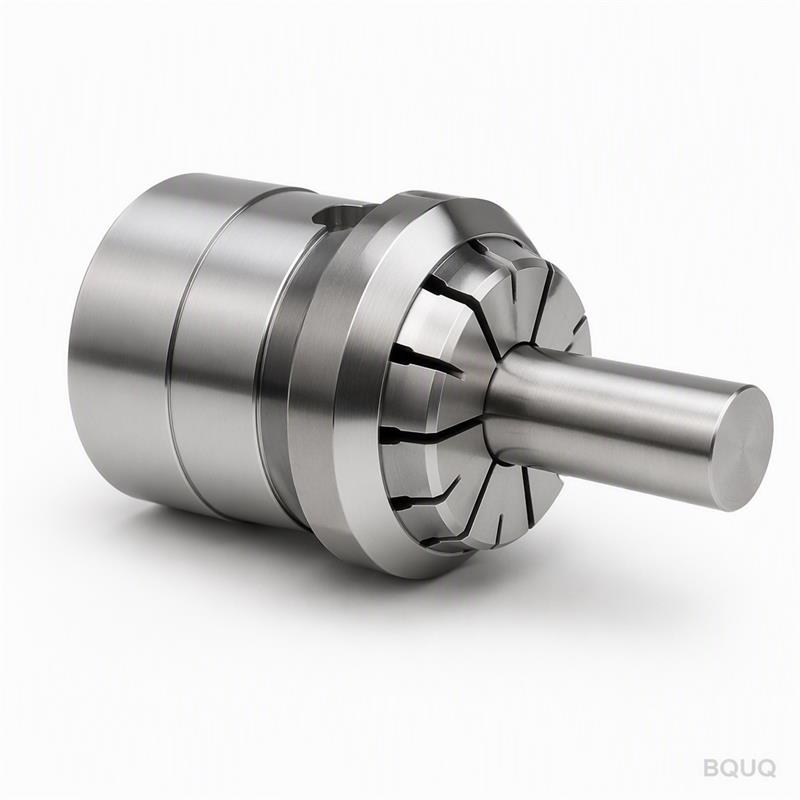
Torque transmission in round collets relies on friction generated by radial clamping force, which can slip under heavy cutting loads above 80% of the clamping force capacity. Polygon bore collets transmit torque through mechanical interlock at the flat surfaces, providing a positive drive that prevents rotation of the workpiece even at interrupted cuts. For a 12 mm hex collet with a 50 mm clamping length, the form-fit engagement can transmit up to 120 N·m of torque, compared to 85 N·m for a comparable round collet with the same clamping force. This mechanical advantage allows higher cutting parameters: a square bore collet can support a feed rate of 0.25 mm/rev in 6061-T6 aluminum at 4,000 RPM without workpiece rotation, while a round collet would require reducing feed to 0.15 mm/rev.
Why Use Triangle Bore Collets Instead of Milling Triangular Profiles?
Triangle bore collets are used when the triangular cross-section is the functional geometry of the part, such as in cam shafts, indexing mechanisms, or anti-rotation fasteners. Machining a triangular profile from round bar via milling requires three separate indexing operations, each introducing positional error of ±0.02 mm and adding 45 seconds of non-cutting time per part. Using a triangle bore collet, the raw triangular bar is fed directly into the spindle, and the profile is already accurate to ±0.01 mm across the flats, eliminating milling entirely. For a production run of 5,000 parts with a 25 mm triangle profile, the collet approach reduces machining time from 4.5 minutes to 2.1 minutes per part, saving 200 hours of machine time and eliminating the cost of a 4-axis milling setup.
Which Materials Can Be Machined Using Hex and Square Collets?
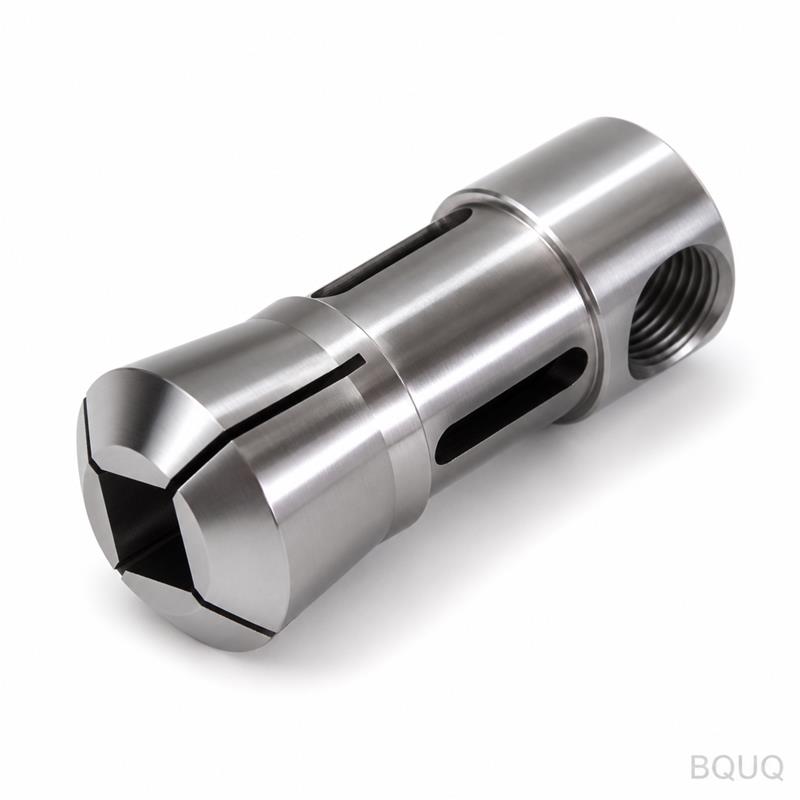
Hex and square collets are compatible with all machinable bar stock materials, provided the material hardness does not exceed 45 HRC, which would cause premature wear of the collet fingers. Common materials include 1215 free-machining steel, 303 stainless steel, 6061-T6 aluminum, 360 brass, and C93200 bearing bronze. For example, machining a 14 mm hex from 1215 steel at 180 SFM with a 0.20 mm/rev feed rate produces a surface finish of Ra 1.6 μm, while the same operation in 303 stainless at 140 SFM yields Ra 2.0 μm. The collet body is made from AISI 4140 steel hardened to 48-52 HRC, with the bore ground after heat treatment to maintain geometric stability; for abrasive materials like 17-4PH stainless, BQUQ recommends a TiN-coated collet to extend tool life from 12,000 to 25,000 cycles.
How Much Does Polygon Bore Collet Tooling Cost?
The cost of polygon bore collets ranges from $85 to $240 per unit, depending on size, profile, and coating, with a typical lead time of 3 to 5 business days for standard sizes. A 10 mm hex collet in uncoated 4140 steel costs $95, while a 25 mm triangle collet with TiN coating costs $230. Compared to the alternative of a custom milling fixture at $1,200 to $3,500, the collet pays for itself after 15 to 30 parts when factoring in labor and setup time savings. For a high-volume production of 50,000 hex bolts per year, the amortized collet cost is $0.002 per part, which is negligible against the $0.15 per part saving in cycle time reduction.
When Should a Custom Ground Collet Bore Be Specified?
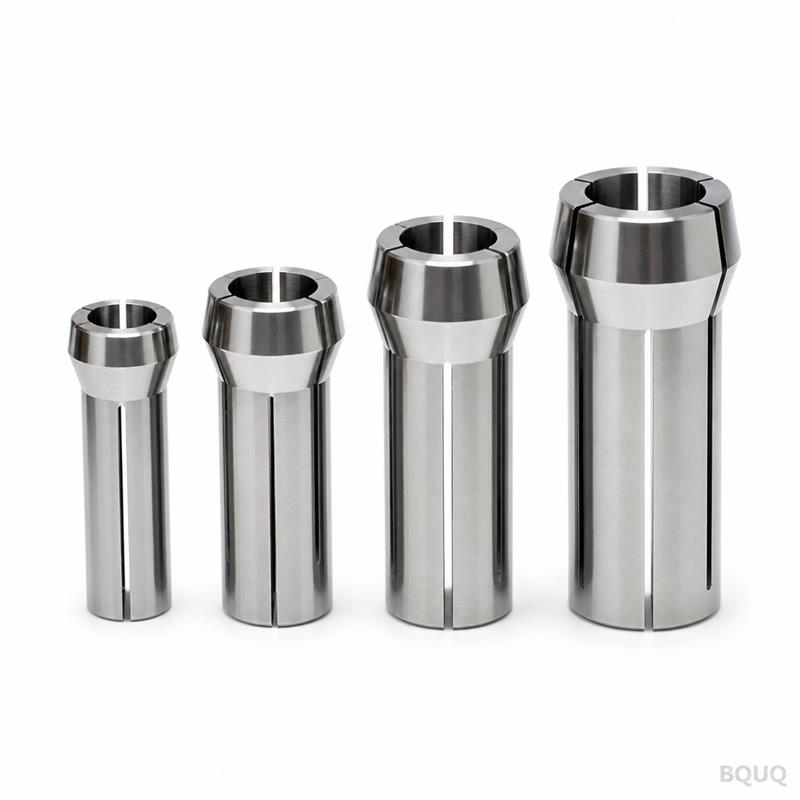
A custom ground collet bore should be specified when the bar stock has a non-standard WAF dimension, a tolerance tighter than the standard H7, or a profile with rounded corners exceeding 0.3 mm radius. Custom grinding is also required for triangle profiles with angles other than 60 degrees, such as 45-degree triangular bars used in special indexing applications. BQUQ offers custom ground bores with a tolerance of ±0.005 mm (0.0002 in) at a cost of $45 to $75 additional per collet, with a lead time of 5 to 7 days. For example, a customer machining 8.05 mm hex bar (instead of standard 8.00 mm) would require a custom bore of 8.050 mm +0.005/-0.000 mm to maintain the 0.01 mm to 0.03 mm slip-fit clearance; using a standard 8.00 mm collet would result in 0.05 mm interference, causing bar jam and potential collet damage.
What Are the Key Performance Specifications for Non-Round Collets?
The key performance specifications for non-round collets include clamping concentricity, repeatability, maximum RPM, and gripping force. BQUQ hex and square collets maintain a runout of 0.008 mm TIR at the nose and 0.015 mm TIR at 50 mm from the nose when gripping a 12 mm bar at 80% of maximum clamping force. The maximum recommended spindle speed is 6,000 RPM for balanced collets with a nut, reducing to 4,000 RPM for larger sizes above 25 mm WAF to prevent vibration and bar whipping. Gripping force ranges from 12 kN for a 6 mm collet to 45 kN for a 32 mm collet, measured at the recommended nut torque of 70 N·m to 120 N·m. The operating temperature range is -20°C to 120°C, with a coefficient of thermal expansion of 11.5 μm/m·°C for the steel body; at 80°C, a 20 mm hex collet expands by 0.014 mm, which must be accounted for in high-temperature machining operations.
| Specification | Hex Collet 10 mm | Square Collet 12 mm | Triangle Collet 20 mm |
| Bore Tolerance | 10.000/10.012 mm | 12.000/12.012 mm | 20.000/20.015 mm |
| Max Torque Transmission | 85 N·m | 110 N·m | 95 N·m |
| Runout at Nose | 0.008 mm TIR | 0.008 mm TIR | 0.012 mm TIR |
| Max Spindle Speed | 6,000 RPM | 5,500 RPM | 4,500 RPM |
| Gripping Force at 80 N·m Nut Torque | 22 kN | 28 kN | 35 kN |
| Recommended Material Hardness | Up to 45 HRC | Up to 45 HRC | Up to 40 HRC |
| Unit Price (Uncoated) | $95 | $110 | $185 |
What Common Mistakes Occur When Using Polygon Bore Collets?
The most common mistake is using an oversized collet bore, which causes the bar to sit on the corners only, reducing contact area by 60% and causing chatter and ovality in the machined part. Another frequent error is over-tightening the collet nut beyond the recommended torque, which can exceed the elastic limit of the fingers and result in permanent deformation; a 10 mm hex collet over-tightened to 150 N·m (instead of 80 N·m) will open the bore by 0.05 mm and fail to re-grip accurately. Operators also often forget to chamfer the bar end by 30 degrees, which is required for smooth insertion into the collet; without this chamfer, the sharp edge of the hex or square bar can score the bore surface, reducing grip force by 15% after 100 insertions.
Can Existing Round Collet Chucks Be Retrofitted for Polygon Bars?
Yes, existing round collet chucks can be retrofitted for polygon bars by simply replacing the round bore collet with a hex, square, or triangle bore collet of the same external dimensions. The collet body geometry, including the taper angle (typically 30 degrees included) and the thread size for the draw tube, remains identical, so no modification to the spindle or actuator is required. For example, a standard 5C collet chuck can accept a 5C hex collet with a 14 mm WAF without any changes, maintaining the same 0.008 mm runout specification. However, the maximum bar diameter is limited by the collet body size; a 5C collet can only hold hex bars up to 19 mm WAF, while a 16C collet can hold up to 32 mm WAF, so the chuck size determines the maximum polygon size.
What Is the Maintenance Schedule for Non-Round Collets?
Non-round collets should be inspected every 5,000 clamping cycles for wear on the flat surfaces and every 10,000 cycles for bore dimensional drift. The flat surfaces of a hex collet wear at an average rate of 0.001 mm per 1,000 cycles when machining 1215 steel; after 10,000 cycles, the bore can enlarge by 0.01 mm, exceeding the H7 tolerance. Cleaning with compressed air after every shift is recommended to remove chips and coolant residue, and a light coat of anti-seize compound on the collet taper prevents galling. The collet should be replaced when the bore dimension exceeds the upper limit by 0.015 mm, or when visible scoring or discoloration from overheating appears; BQUQ offers a re-grinding service for $35 per collet, which restores the bore to original tolerance for about 70% of the cost of a new unit.
Conclusion
Hex, square, and triangle bore collets provide a cost-effective and precise method for machining non-round bar stock in a single setup, offering torque transmission up to 120 N·m, runout control to 0.008 mm, and cycle time reductions of 40% or more. For production engineers evaluating workholding options, the decision hinges on part volume, profile tolerance, and material hardness; form-fit collets are superior for volumes above 500 parts per year, while milling remains viable for low-volume prototypes. By selecting the correct bore tolerance, nut torque, and maintenance schedule, manufacturers can achieve consistent quality and extended tool life in high-mix CNC environments.
What Is the Maximum Bar Size for Polygon Collets?
The maximum bar size for polygon collets is 32 mm WAF for hex and square profiles and 25 mm for triangle profiles, limited by the collet body diameter and the elastic deformation range of the fingers. Larger sizes require custom collet bodies with reduced clamping force, which is generally not recommended for production machining.
How Fast Can a CNC Lathe Run with a Hex Collet?
A CNC lathe can run up to 6,000 RPM with a hex collet under 25 mm WAF, but this speed should be reduced to 4,500 RPM for larger profiles to prevent vibration. The limiting factor is the imbalance of the polygon bore, which causes centrifugal force to flex the collet fingers at high speed.
Can I Use a Square Collet for Aluminum Bar Stock?
Yes, square collets are well-suited for aluminum bar stock, particularly 6061-T6 and 7075-T6, because the form-fit grip prevents the soft material from slipping or deforming. The recommended feed rate for aluminum is 0.30 mm/rev, which yields a surface finish of Ra 0.8 μm with a sharp insert.
What Is the Difference Between a Collet and a Chuck for Polygon Bars?
A collet provides a full 360-degree grip around the bar profile with high concentricity, while a chuck with hard jaws only contacts at three or six points, causing deflection. Collets are preferred for polygon bars because the form-fit contact distributes clamping force evenly, reducing distortion of the profile.
How Do I Measure the Wear on a Hex Collet?
Measure the bore across the flats using a calibrated micrometer or a pin gauge set at 10,000 clamping cycles. If the measurement exceeds the original bore size by 0.015 mm, the collet should be re-ground or replaced, as further wear will cause workpiece slippage and dimensional drift.
Are Triangle Collets Available for Swiss-Type Lathes?
Yes, triangle collets are available for Swiss-type lathes, with bore sizes from 6 mm to 16 mm and a maximum guide bushing clearance of 0.02 mm. Swiss lathes benefit from the form-fit grip because the bar is fed continuously, and the triangle profile prevents rotation during cross-drilling operations.
What Is the Lead Time for Custom Polygon Collets?
Custom polygon collets with non-standard dimensions have a lead time of 5 to 7 business days, while standard sizes ship within 24 hours from BQUQ's Dongguan warehouse. For urgent requirements, BQUQ offers a 48-hour expedite service at a 20% surcharge, which includes overnight grinding and inspection.
For rapid prototyping or production runs, BQUQ provides 12-hour quoting on all collet types, including custom bores. Contact our engineering team at sc@bquq.com, call or message +86 13713157787, or visit www.bquq.com to discuss your non-round bar stock machining requirements.