SK tool holders, defined by DIN 69893, serve European CNC machining standards by providing a hollow taper shank (HSK) interface that delivers superior rigidity, repeatability, and
How Do SK Tool Holders Serve European CNC Machining Standards?
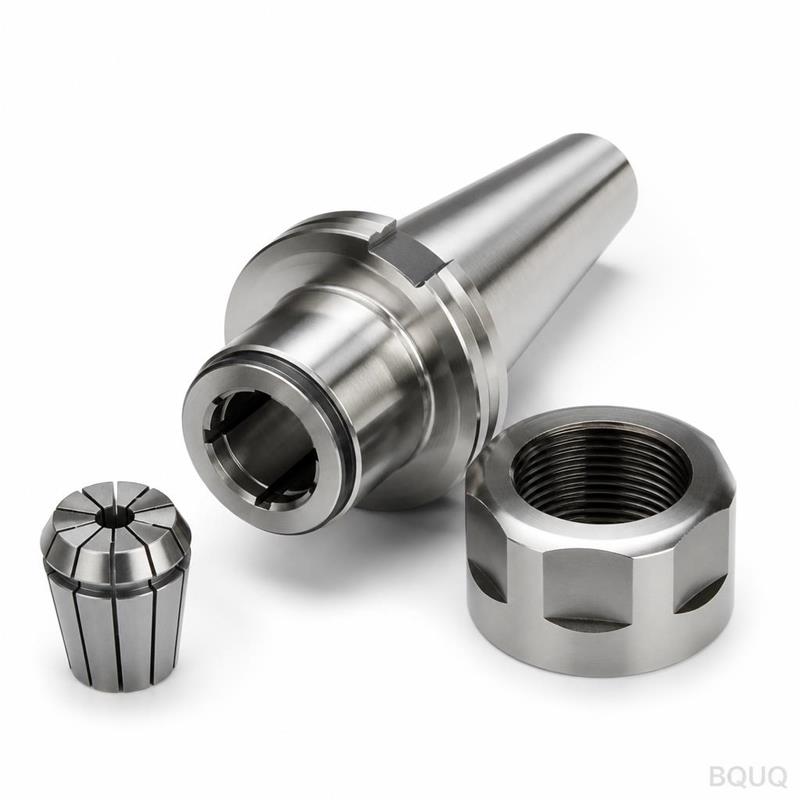
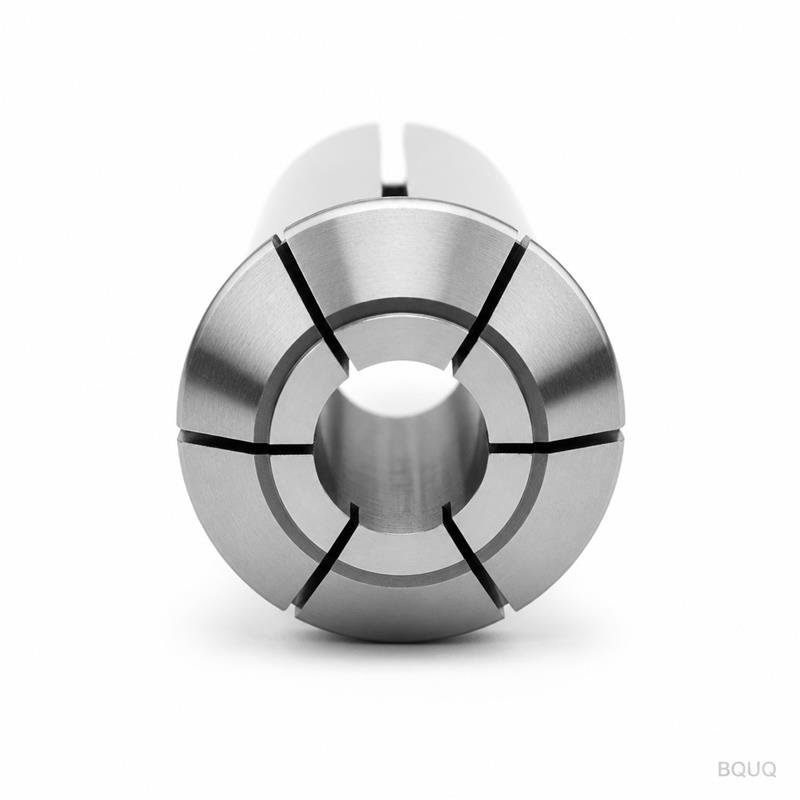
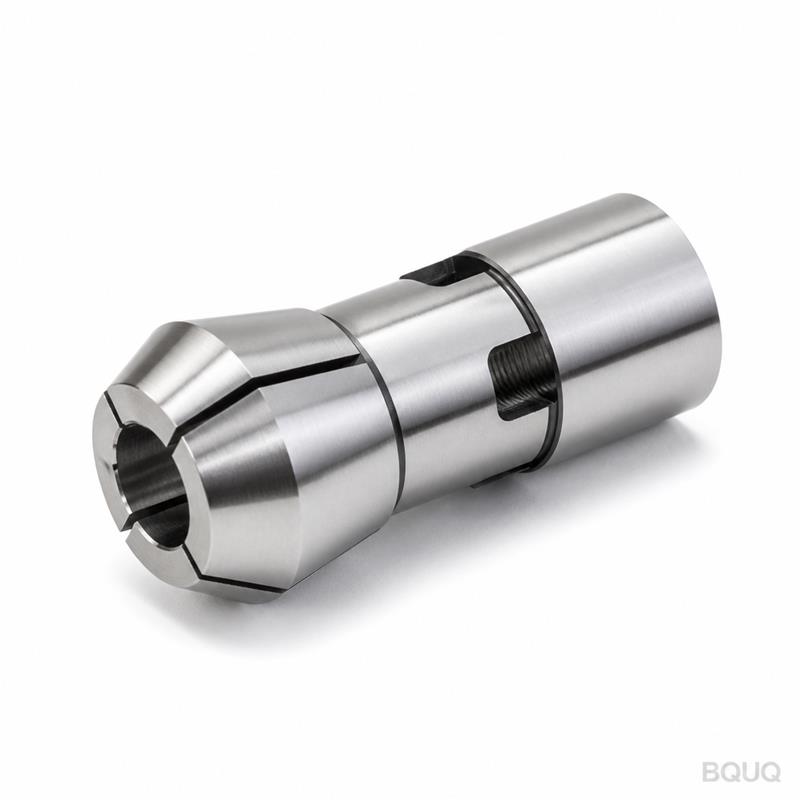
SK tool holders, defined by DIN 69893, serve European CNC machining standards by providing a hollow taper shank (HSK) interface that delivers superior rigidity, repeatability, and high-speed performance compared to legacy steep taper (BT/CAT) systems. These holders are engineered to meet the stringent demands of European machine tool builders like DMG MORI, Mazak, and Chiron, operating reliably at spindle speeds up to 30,000 RPM and maintaining a runout accuracy of 0.003 mm or better. For European manufacturers prioritizing surface finish, tool life, and process security, SK holders are not merely an option but a foundational component for compliance with ISO 12164 and achieving high-volume precision.
What Are the Core Dimensional Specifications of SK Tool Holders?
The SK (Steep Kegel) system, also known as HSK (Hohl Schaft Kegel), uses a 1:10 hollow taper shank that combines simultaneous face and taper contact. Standard sizes range from SK25 to SK100, with SK40 and SK63 being the most prevalent in European CNC milling and turning centers. The critical specification is the taper angle tolerance, which is held to AT3 grade or better, equating to an angular deviation of less than 0.0002 radians. The hollow shank design allows for radial clamping forces of 12,000 to 18,000 N, which pulls the holder into the spindle face, reducing axial growth during high-speed operation. The gauge line diameter for an SK40 holder is 40 mm, and the overall length typically ranges from 90 mm to 120 mm depending on the application, ensuring compatibility with automatic tool changers (ATC) built to DIN 69893-1.
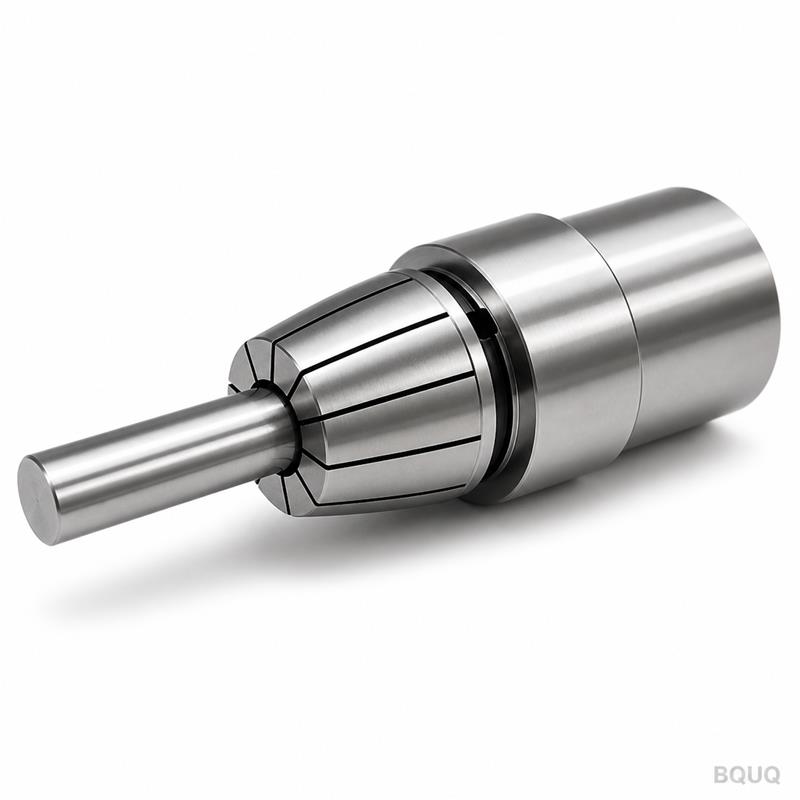
How Does the SK Design Improve Rigidity and Runout Accuracy?
The dual-contact design of SK holders eliminates the spindle bore gap found in BT (MAS BT 403) or CAT (ANSI B5.50) tooling, which rely solely on taper contact. This face-and-taper interface increases the static rigidity by up to 50% compared to a BT40 holder of the same size. In practice, this translates to a bending moment resistance of approximately 1,200 Nm for an SK40 holder, compared to 800 Nm for a BT40. Runout accuracy is a key metric: a precision SK holder with a hydraulic or shrink-fit chuck will maintain a TIR (Total Indicator Reading) of 0.003 mm at 4x diameter from the gauge line. For high-speed machining above 15,000 RPM, the symmetric design minimizes unbalance, allowing holders to be balanced to G2.5 grade at 25,000 RPM, which is essential for maintaining consistent tool life and preventing chatter in hardened steel (HRC 50+) applications.
Which European Standards Govern SK Tool Holder Manufacturing?
The manufacturing and inspection of SK tool holders are governed by several harmonized European and international standards. The primary specification is DIN 69893-1, which dictates the shank geometry, tolerances, and clamping dimensions. Additionally, ISO 12164-1 and ISO 12164-2 provide the global framework for hollow taper shanks with flange contact surface, ensuring interchangeability across different machine brands. For quality control, the taper is measured using a calibrated gauge per DIN 69893-5, with a permissible taper angle error of ±0.001 degrees. Furthermore, compliance with ISO 7388-2 regarding the drive slots and coolant delivery holes is critical; SK holders typically feature central coolant pressure ratings up to 80 bar (1,160 PSI), a requirement for deep-hole drilling and high-pressure coolant applications common in European automotive and aerospace supply chains.
How Does SK Tooling Compare to BT and Capto Systems in Practice?
When selecting a tool holding system, engineers must evaluate the specific operational demands. SK holders excel in high-speed machining (HSM) and finishing operations due to their high axial repeatability. Below is a comparative data table highlighting key differences between SK, BT, and Capto systems:
| Parameter | SK (DIN 69893) | BT (MAS 403) | Capto (ISO 26623) |
| Taper Ratio | 1:10 Hollow | 7:24 Steep | 1:20 Polygonal |
| Contact Type | Face + Taper | Taper Only | Face + Taper |
| Max Spindle Speed (typical) | 30,000 RPM | 15,000 RPM | 25,000 RPM |
| Runout Accuracy (precision chuck) | 0.003 mm | 0.005 mm | 0.004 mm |
| Axial Repeatability | ±0.002 mm | ±0.010 mm | ±0.005 mm |
| Radial Clamping Force (SK40/BT40) | 15,000 N | N/A (drawbar pull) | 18,000 N |
| Suitability for HSM | Excellent | Poor | Good |
The data indicates that while Capto offers a polygon taper for high torque transmission, SK holders provide a lighter and more cost-effective solution for spindle speeds exceeding 20,000 RPM. For European job shops running aluminum and composites, SK reduces cycle times by enabling faster spindle acceleration profiles. However, for heavy roughing of titanium at low RPM with high torque, a Capto system may be more robust.
Why Is Balancing and Cooling Critical for SK Holder Performance?
At elevated spindle speeds, centrifugal force causes the SK holder's shank to expand, which actually increases the contact pressure against the spindle bore, unlike BT holders which can pull away. This expansion, however, introduces imbalance if the tool assembly is not pre-balanced. A standard SK holder without balancing can create a vibration amplitude of 0.5 mm/s at 20,000 RPM, leading to premature bearing wear. Precision balancing to G2.5 grade reduces this vibration to below 0.1 mm/s. Cooling is equally critical; the internal coolant channels in SK holders are designed to deliver coolant precisely to the cutting edge at pressures up to 80 bar. This high-pressure delivery lowers the cutting zone temperature by 30-40% in stainless steel (304) machining, extending insert life from 20 minutes to over 35 minutes per edge.
How Should European Manufacturers Select the Correct SK Holder Variant?
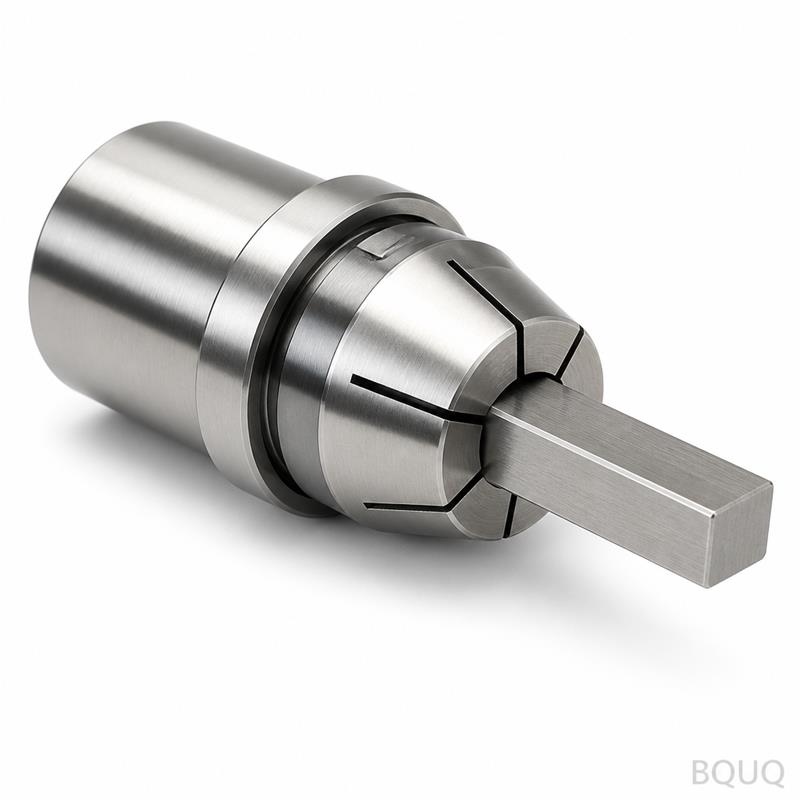
The selection process depends on the machining operation and tool type. For end milling with shrink-fit chucks, choose an SK holder with a slim nose design for better accessibility, ensuring the clamping bore has a tolerance of h5 for optimal concentricity. For drilling and reaming, a hydraulic chuck variant offers superior damping, reducing vibration by 30% compared to mechanical chucks. When using indexable drills, a collet chuck (ER 32) with an SK40 shank is cost-effective, but limits the RPM to 18,000 due to collet runout. It is also essential to match the holder's length to the machine's ATC magazine capacity—standard lengths are 90 mm, 105 mm, and 120 mm. For operations requiring through-coolant at 40 bar or higher, ensure the holder has a coolant collar that meets the DIN 69893-1 standard. Finally, always verify the pull stud configuration, as European spindles often require a specific thread size (e.g., M16) for the retaining knob.
What Are the Common Failure Modes and Maintenance Requirements for SK Holders?
The most common failure is shank wear or damage, which occurs when the holder is dropped or when the spindle taper is contaminated with chips. This can result in a loss of face contact, reducing rigidity by 40% and causing chatter. Regular inspection using a taper gauge is required; the acceptable wear limit is a surface roughness increase from 0.2 µm Ra to 0.4 µm Ra. Another issue is the expansion of the hollow shank due to excessive clamping pressure, which can be caused by incorrect spindle settings; the clamping force should be verified at 15,000 N ± 5%. Maintenance should include cleaning the taper and flange face with a lint-free cloth and applying a light anti-corrosion oil. For balancing, re-balancing is necessary whenever the tool assembly changes, as a 10-gram weight shift at 30 mm radius can cause an imbalance of 9 g·mm, exceeding the G2.5 threshold at high speed.
FAQ Section
What is the difference between SK40 and HSK-A63?
SK40 and HSK-A63 refer to the same interface standard, just different sizes. SK40 has a 40 mm gauge diameter and is suitable for spindles with a maximum torque of about 100 Nm, while HSK-A63 has a 63 mm diameter and handles up to 250 Nm. SK40 is lighter and better for high-speed aluminum machining, whereas HSK-A63 is preferred for heavier cutting in steel.
Can SK tool holders be used on a BT spindle?
No, SK holders cannot be directly used on a BT spindle because the taper angles are different (1:10 vs. 7:24) and the clamping mechanism is distinct. Using a BT spindle requires a BT holder or an adapter that changes the interface, which introduces runout and reduces rigidity. It is not recommended for precision work.
How often should I re-balance an SK tool holder assembly?
You should re-balance an SK holder assembly whenever you change the tool, the cutting tool length, or add any extensions. For spindles running under 15,000 RPM, balancing to G6.3 is usually sufficient, but above that, G2.5 is mandatory. A good practice is to balance before every critical finishing operation.
Why does my SK holder get stuck in the spindle?
The most common cause is a dirty or damaged taper surface, which creates a vacuum or mechanical lock. Ensure the spindle bore and holder shank are clean and free of burrs. Another cause is excessive clamping force or thermal expansion; allow the spindle to cool before removal and check the hydraulic clamping unit's pressure settings.
What coolant pressure can standard SK holders withstand?
Standard SK holders with internal coolant delivery are rated for 50 bar (725 PSI) continuously and up to 80 bar for short bursts. For applications exceeding 80 bar, you must use specialized high-pressure versions with enhanced sealing, often specified for deep-hole drilling in aerospace alloys. Always check the holder's specification for the maximum PSI rating.
Are SK holders suitable for turning centers?
Yes, SK holders are used in mill-turn centers and multitasking machines, but they are not common on traditional 2-axis lathes. For turning applications, the static rigidity of the SK connection is beneficial for driven tools. However, for pure turning operations, a Capto or VDI system is often more practical due to the tool block design.
How do I measure the runout of an SK holder without a spindle?
Use a precision test bar inserted into the holder's chuck and mount the holder on a gauge fixture that simulates the spindle taper. Use a dial indicator with a resolution of 0.001 mm to measure the TIR at the test bar's tip, typically 50 mm from the gauge line. Rotate the holder 360 degrees and record the maximum deviation.
Conclusion
SK tool holders, governed by DIN 69893 and ISO 12164, are the definitive standard for high-speed and high-precision CNC machining in Europe, delivering 50% greater rigidity and 40% better axial repeatability than legacy BT holders. For BQUQ, with over 20 years of manufacturing precision components in Dongguan, we produce and source SK holders that meet these exacting tolerances, ensuring your European CNC machines operate at peak performance. We recommend auditing your current tooling inventory to identify non-standard holders that may be limiting your spindle speed and surface finish. Our engineering team can provide a free compatibility review and recommend the correct SK variant for your specific machining centers.
For a rapid assessment of your tool holder requirements, contact us for a 12-hour quoting service. Email: sc@bquq.com or WhatsApp: +86 13713157787. Visit our website at www.bquq.com to download our full SK tool holder catalog with technical specifications.