The most significant trend in self-centering chucks for small-batch production is the shift toward quick-change jaw systems and pneumatic or hydraulic actuation, which reduces setu
What Are the Latest Self-Centering Chuck Trends for Fast Small-Batch Setup?
The most significant trend in self-centering chucks for small-batch production is the shift toward quick-change jaw systems and pneumatic or hydraulic actuation, which reduces setup time from 15-20 minutes to under 60 seconds. Modern chucks now offer repeatability of 0.01 mm or better, with jaw changeover times of less than 30 seconds for common sizes. These systems, combined with integrated sensors and modular tooling, directly address the economic need to make small batches (5-50 parts) profitable without sacrificing precision.
How Much Time Can Modern Self-Centering Chucks Save on Setup?
Traditional three-jaw scroll chucks require manual jaw tightening, centering checks, and test cuts, typically consuming 10-20 minutes per setup change. In contrast, current quick-change self-centering chucks with dovetail or wedge-hook interfaces allow operators to swap pre-set jaws in 10-30 seconds. For a production schedule with 10 job changes per day, this translates to a saving of 2 to 3 hours of machine time daily. For a CNC lathe running at an average shop rate of USD 80 per hour, that equals potential savings of USD 160-240 per day, or approximately USD 40,000-60,000 annually per machine.
What Is the Difference Between Manual, Pneumatic, and Hydraulic Self-Centering Chucks?
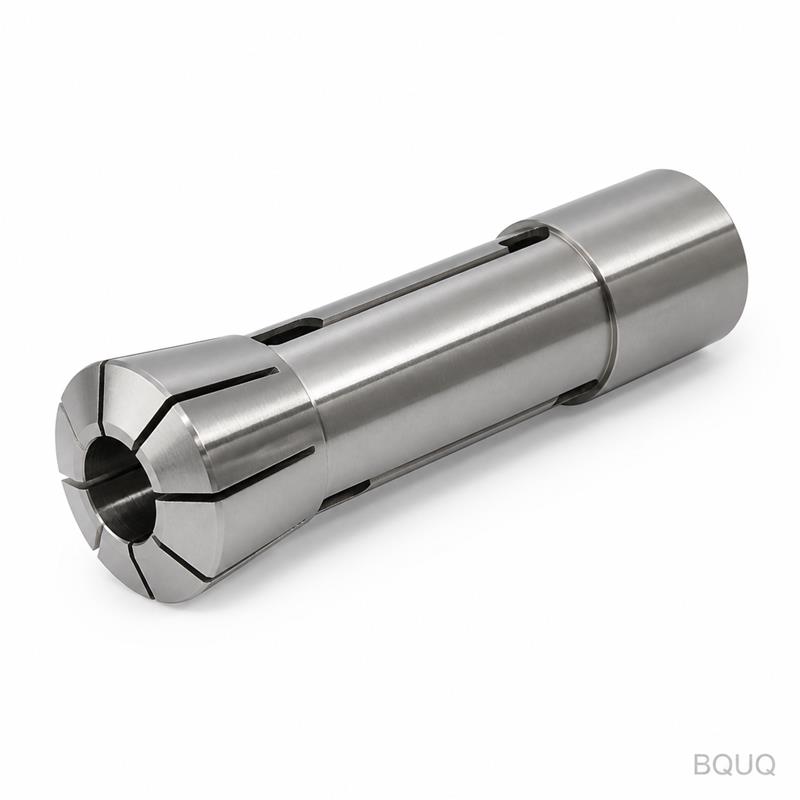
Manual chucks are still common for low-volume work but require physical effort and offer no external control. Pneumatic chucks, operating at 4-6 bar air pressure, provide grip forces from 5 to 30 kN and are ideal for lighter aluminum or plastic parts, with actuation times under 0.5 seconds. Hydraulic chucks, running at 30-70 bar, generate grip forces from 20 to 120 kN, making them necessary for steel or stainless steel parts where vibration and heavy cutting forces are present. The trend is clearly toward hydraulic for machining centers and pneumatic for secondary operations, with both offering consistent clamping force that eliminates the variability of human torque application.
Why Is Repeatability of 0.01 mm Critical for Small-Batch Quality?
In small-batch production, every part is often a first-article inspection piece, meaning dimensional tolerance must be held without iterative adjustments. A modern self-centering chuck with a repeatability of 0.01 mm (0.0004 inches) ensures that after a jaw change, the part centerline shifts less than one-tenth of a typical machining tolerance of 0.1 mm. This is critical because it allows the operator to use pre-programmed tool offsets without re-probing the workpiece, directly reducing cycle time. Chucks with lower repeatability, such as 0.05 mm, may require a test cut and offset adjustment, which can add 5-10 minutes per setup, negating the benefits of quick jaw change.
Which Jaw Systems Offer the Fastest Changeover Times?
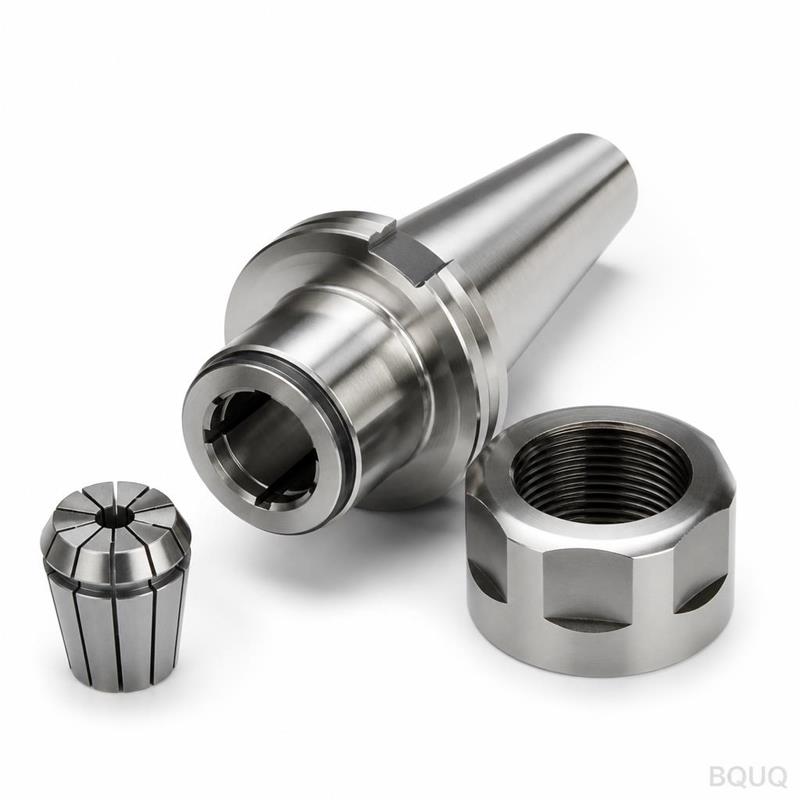
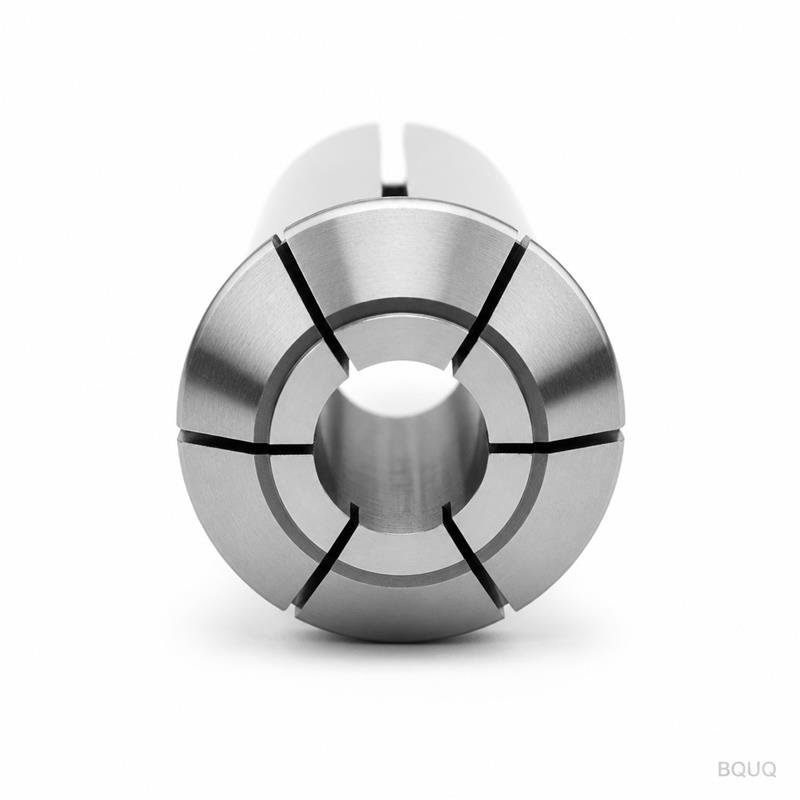
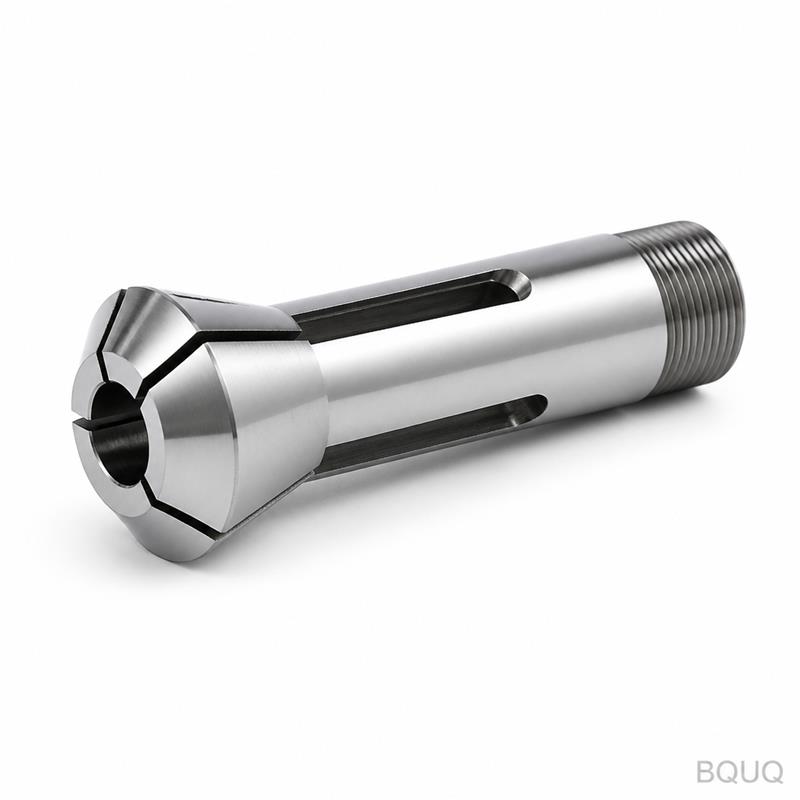
The fastest systems are based on the "quick-change" dovetail or "Hirth" serration interface, which allows jaw removal and insertion without any tools. Industry data shows that a standard 200 mm chuck with a dovetail system can achieve a jaw change in 15-25 seconds, while traditional bolt-on jaws take 5-10 minutes. For high-mix environments, collet chucks with quick-release collets can change in under 10 seconds, but they are limited to round or hexagonal stock. The table below summarizes typical setup metrics for each chuck type:
| Chuck Type | Jaw Change Time | Repeatability | Max Grip Force | Typical Price Range (USD) |
| Manual 3-Jaw Scroll | 10-15 minutes | 0.03-0.05 mm | 20-50 kN | $500 - $2,000 |
| Pneumatic 3-Jaw | 30-45 seconds | 0.02 mm | 5-30 kN | $2,500 - $6,000 |
| Hydraulic 3-Jaw | 30-45 seconds | 0.01 mm | 20-120 kN | $4,000 - $10,000 |
| Quick-Change Dovetail | 15-25 seconds | 0.005-0.01 mm | 20-100 kN | $6,000 - $15,000 |
| Collet Chuck (Quick-Release) | 5-10 seconds | 0.005 mm | 5-20 kN | $1,500 - $4,000 |
How Does Workpiece Diameter Range Affect Chuck Selection?
The clamping diameter range is a critical factor. A standard 6-inch (160 mm) manual chuck typically clamps from 3 mm to 160 mm, but the maximum concentricity is only guaranteed within a narrow range of 50-150 mm. Newer self-centering chucks with "through-hole" or "draw bar" designs offer a wider range while maintaining concentricity. For small-batch production, selecting a chuck with a range that covers 80% of your job mix is more efficient than using a large chuck for small parts, which can cause jaw overhang and reduced rigidity. For example, a 200 mm chuck with reversible jaws can clamp from 20 to 200 mm, but for parts under 20 mm, a separate collet chuck is recommended to maintain 0.01 mm accuracy.
What Are the Newest Features in Smart Self-Centering Chucks?
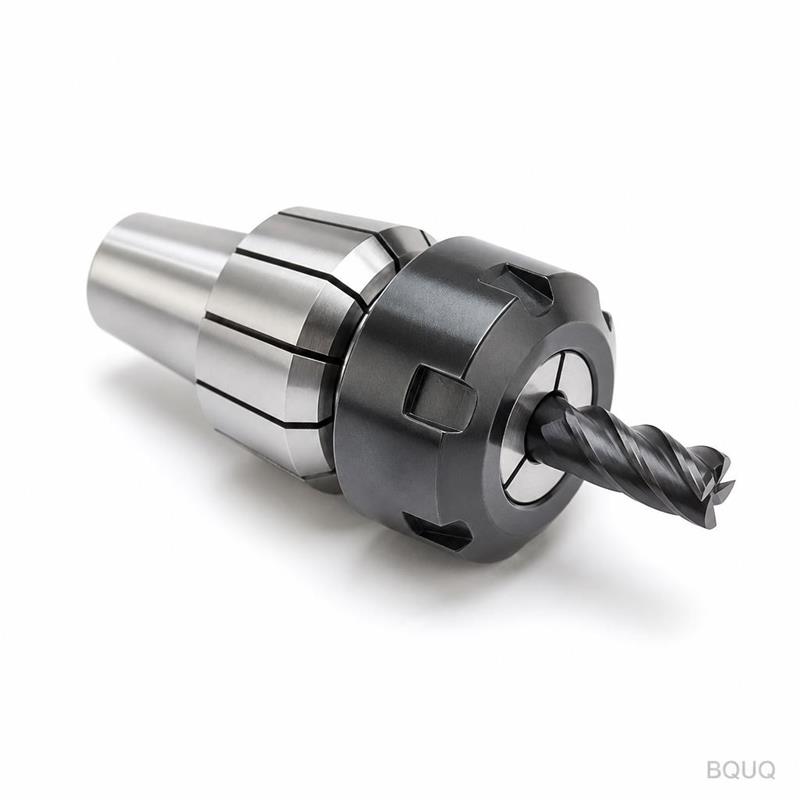
Modern chucks are integrating sensors for grip force monitoring and jaw position verification. These "smart chucks" use strain gauges or magnetic encoders to send real-time data to the CNC controller, ensuring that the clamping force is within the programmed range before cutting begins. This is particularly useful for thin-walled parts where excessive force can cause deformation, as the system can automatically reduce grip force to a preset limit. Additionally, automated jaw-change systems, where a robot or an operator presses a button and the chuck opens, releases the jaws, and loads new ones from a magazine, are becoming prevalent in lights-out manufacturing. These systems can reduce total setup time to under 45 seconds, including part loading.
Can Retrofitting an Existing Chuck Be a Cost-Effective Alternative?
Yes, retrofitting a manual chuck with a pneumatic or hydraulic actuator is often a viable option. Retrofitting a standard 200 mm manual chuck with a hydraulic cylinder and draw tube costs between USD 1,500 and USD 3,500, depending on the brand and installation complexity. This is significantly less than the USD 6,000-10,000 for a new hydraulic quick-change chuck. However, retrofitting does not improve jaw change speed unless you also replace the master jaws with a quick-change system. If your goal is purely reduced physical effort and consistent clamping force, retrofitting is effective. If you need fast jaw changeover, you must invest in a new chuck with a dovetail or wedge interface.
FAQ
How Fast Can a Self-Centering Chuck Be Automated for a Robot?
A pneumatic or hydraulic self-centering chuck can be fully automated with a robot cell in about 3-5 days of integration work. The chuck's actuation time is under 0.5 seconds, and with a robot loading arm, the total part-to-part time can be under 15 seconds per piece.
What Is the Typical Lifespan of a Self-Centering Chuck?
A quality self-centering chuck, with proper lubrication and maintenance, lasts 5-10 years in a single-shift operation. The main wear items are the scroll plate and jaw guides, which can be replaced for about 30-40% of the chuck's original cost.
Does a Self-Centering Chuck Maintain Accuracy at High Spindle Speeds?
At speeds above 3,000 RPM, centrifugal force can reduce the grip force on the jaws, causing the workpiece to slip. High-speed chucks are designed with counterweights or low-mass jaws to maintain grip force up to 6,000-8,000 RPM, but you must derate the grip force by up to 50% at maximum speed.
What Maintenance Is Required for Quick-Change Jaw Systems?
Quick-change jaw systems require cleaning of the dovetail slots and application of a light oil film every 8 hours of operation. It is also recommended to check the clamping repeatability every 200 jaw changes using a test ring gauge.
Can Self-Centering Chucks Hold Non-Round Workpieces?
Standard self-centering chucks with three jaws are for round, hexagonal, or square stock. For irregular shapes, you need custom-machined soft jaws, which can be quickly machined in place to the exact part contour, but this adds 10-15 minutes to the initial setup.
How Do Temperature Variations Affect Chuck Accuracy?
A chuck made of steel will expand by approximately 11 micrometers per 100 mm of diameter for every 10°C temperature rise. For a 200 mm chuck, a 10°C shift can alter the clamped diameter by 0.022 mm, which is significant for tight tolerances. Running a warm-up cycle of 20 minutes before critical jobs is recommended.
What Is the Price Difference Between a Standard and a High-Precision Chuck?
A standard manual 3-jaw chuck with 0.03 mm accuracy costs around USD 800, while a high-precision hydraulic chuck with 0.005 mm accuracy costs approximately USD 8,000. The price difference reflects the quality of the scroll plate, bearing surfaces, and hydraulic seals.
In conclusion, the trend toward faster setup in small-batch production is driven by the economic pressure to reduce non-cutting time. We recommend investing in a hydraulic or pneumatic quick-change chuck with a dovetail jaw system if your batch sizes average less than 50 pieces and you change jobs more than twice per shift. This single investment will pay for itself within 6-12 months through labor and cycle time savings. For a tailored recommendation based on your spindle type and workpiece range, contact us for a free engineering review. We provide 12-hour quoting and expert advice on chuck selection. Email: sc@bquq.com, WhatsApp: +86 13713157787, www.bquq.com.