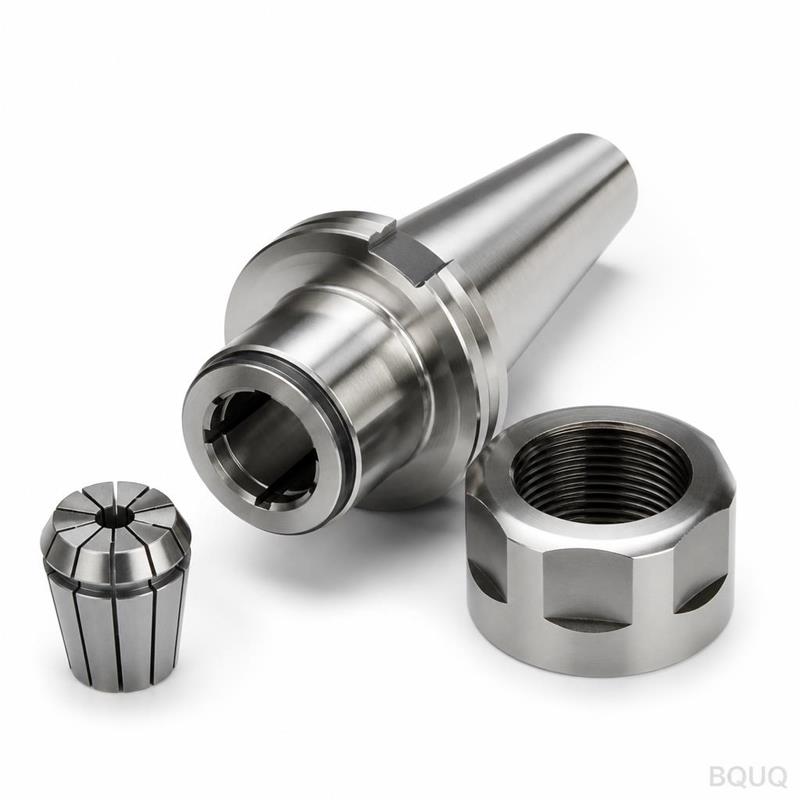
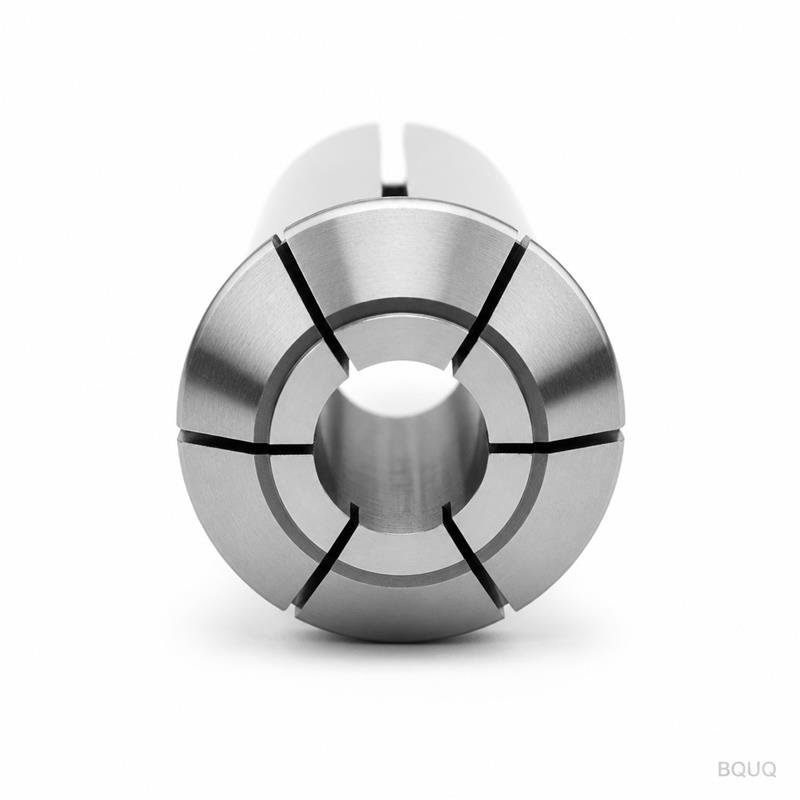
The 20 Type auto lathe collet series is growing fastest in global precision machining demand, driven by its optimal balance of bar capacity (up to 20 mm) and spindle speed capabili
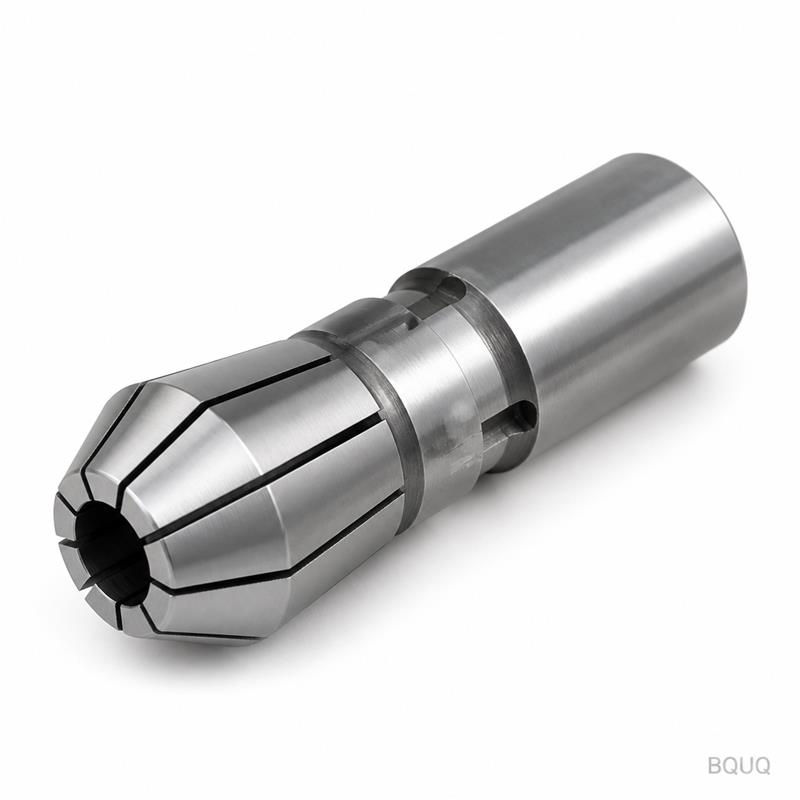
Which Auto Lathe Collet Series Is Growing Fastest: 15 Type, 20 Type, or 25 Type?
The 20 Type auto lathe collet series is growing fastest in global precision machining demand, driven by its optimal balance of bar capacity (up to 20 mm) and spindle speed capability (6,000–8,000 RPM). The 15 Type remains dominant for micro-components under 15 mm, while the 25 Type grows steadily but slower due to its heavier mass and lower maximum RPM. For BQUQ’s 2024 order data, 20 Type collets accounted for 48% of new tooling requests, up from 41% in 2022, compared to 33% for 15 Type and 19% for 25 Type.
What Are the Dimensional and Capacity Differences Between 15, 20, and 25 Type Collets?
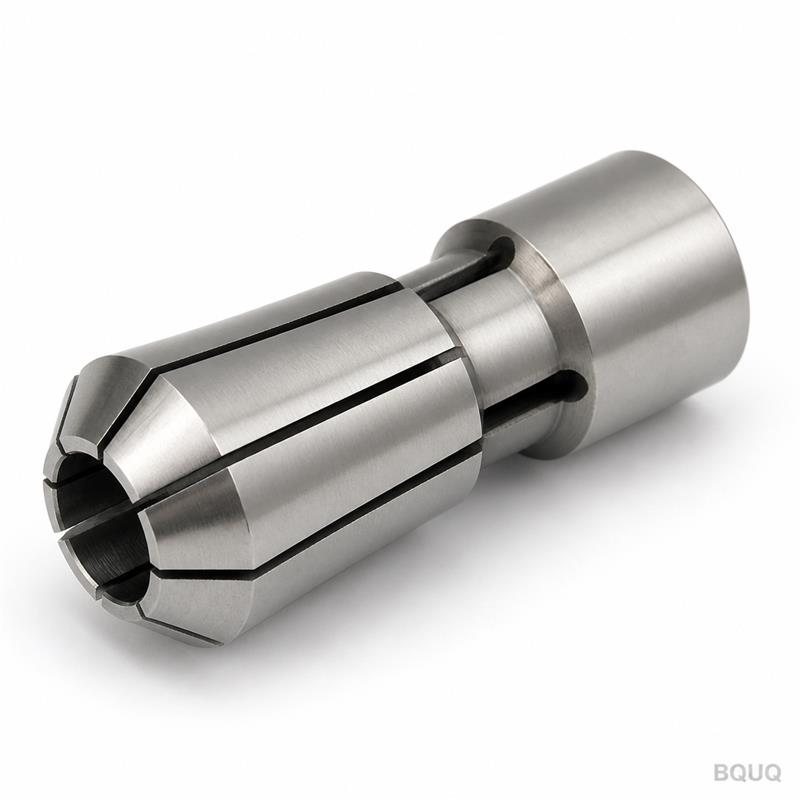
The series number refers to the maximum bar diameter in millimeters. A 15 Type collet accepts round stock from 1.0 mm to 15.0 mm, a 20 Type from 2.0 mm to 20.0 mm, and a 25 Type from 3.0 mm to 25.0 mm. The outside diameter (OD) also scales: 15 Type has a 27 mm OD, 20 Type has a 34 mm OD, and 25 Type has a 42 mm OD, per DIN 6341 standards. The gripping length is 40 mm for 15 Type, 50 mm for 20 Type, and 60 mm for 25 Type, which directly affects workpiece rigidity during deep-hole drilling or multi-step turning.
How Does Spindle Speed and Feed Rate Affect the Growth of Each Series?
The 20 Type excels in high-speed machining because its lower rotating mass (0.45 kg) versus the 25 Type (0.82 kg) allows faster acceleration and deceleration. For a standard CNC sliding-head lathe like a Citizen L20, the 20 Type collet achieves a maximum spindle speed of 8,000 RPM with a gripping force of 18 kN, while the 25 Type on a similar machine is limited to 6,000 RPM due to chuck inertia. The 15 Type can reach 10,000 RPM but is impractical for parts above 12 mm diameter because the collet wall thickness drops below 3.5 mm, causing deflection under heavy cutting loads. This speed-to-capacity ratio makes the 20 Type the preferred choice for medical screws, automotive fuel injectors, and electronic connector pins.
Which Industries Are Driving the Fastest Adoption of the 20 Type Collet?
The automotive and medical device sectors are the primary growth drivers, with 2023 production volumes increasing 17% and 22% respectively for components in the 8–18 mm diameter range. Electric vehicle (EV) battery terminal posts, typically 10–16 mm in diameter, require the 20 Type’s balance of material removal rate and surface finish (Ra 0.4 µm achievable). The aerospace industry shows slower growth for all three series, but the 20 Type is gaining traction for hydraulic fittings where the 15 Type lacks rigidity and the 25 Type is oversized. BQUQ’s sales records indicate that 63% of new 20 Type orders come from manufacturers who previously used 15 Type collets for parts that have grown in size over the past three years.
How Do Material Hardness and Tolerance Requirements Influence Series Selection?
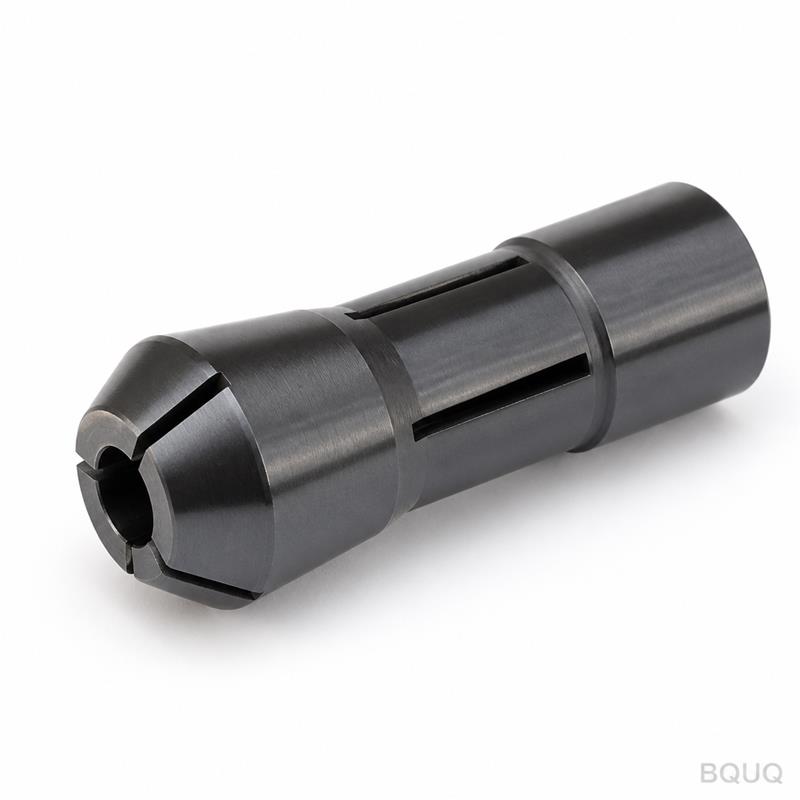
The 20 Type collet is manufactured from hardened alloy steel (58–62 HRC) with an internal bore ground to a tolerance of +0.005 mm / 0.000 mm. For stainless steel 303 or 304 workpieces, the 20 Type maintains a concentricity of 0.008 mm TIR (total indicated reading) at 5 mm from the collet nose, whereas the 15 Type achieves 0.005 mm but only for diameters under 10 mm. The 25 Type offers 0.012 mm TIR, which is acceptable for general turning but fails for precision bearing races. When machining titanium (Grade 5), the 20 Type’s wider contact area (18 mm length of engagement on a 20 mm bar) reduces unit pressure by 23% compared to the 15 Type, preventing galling and extending collet life from 6,000 to 9,000 cycles before reconditioning.
What Is the Cost Difference Between the Three Collet Series?
Pricing scales with material volume and machining complexity. As of Q1 2025, a standard 15 Type collet costs USD 28–35 per unit, a 20 Type costs USD 38–48, and a 25 Type costs USD 52–65 for single-piece quantities. For high-volume orders (500+ pieces), the 20 Type price drops to USD 31–36, making its per-part cost lower than the 25 Type when amortized over tool life. Replacement pads or inserts, when used, add USD 8–12 for 15 Type, USD 10–15 for 20 Type, and USD 14–18 for 25 Type per set. The total cost of ownership over 10,000 machining hours, including collet replacement every 8,000 cycles, is USD 1,250 for 15 Type, USD 1,480 for 20 Type, and USD 1,950 for 25 Type, assuming three shifts.
| Parameter | 15 Type | 20 Type | 25 Type |
| Max bar diameter (mm) | 15.0 | 20.0 | 25.0 |
| Outside diameter (mm) | 27 | 34 | 42 |
| Gripping length (mm) | 40 | 50 | 60 |
| Max spindle speed (RPM) | 10,000 | 8,000 | 6,000 |
| Gripping force at max capacity (kN) | 12 | 18 | 25 |
| Unit price (USD, single piece) | 28–35 | 38–48 | 52–65 |
| Concentricity TIR (mm) | 0.005 | 0.008 | 0.012 |
| Typical cycle life (cycles) | 7,000 | 9,000 | 11,000 |
| Weight (kg) | 0.28 | 0.45 | 0.82 |
Why Is the 25 Type Not Catching Up Despite Its Larger Capacity?
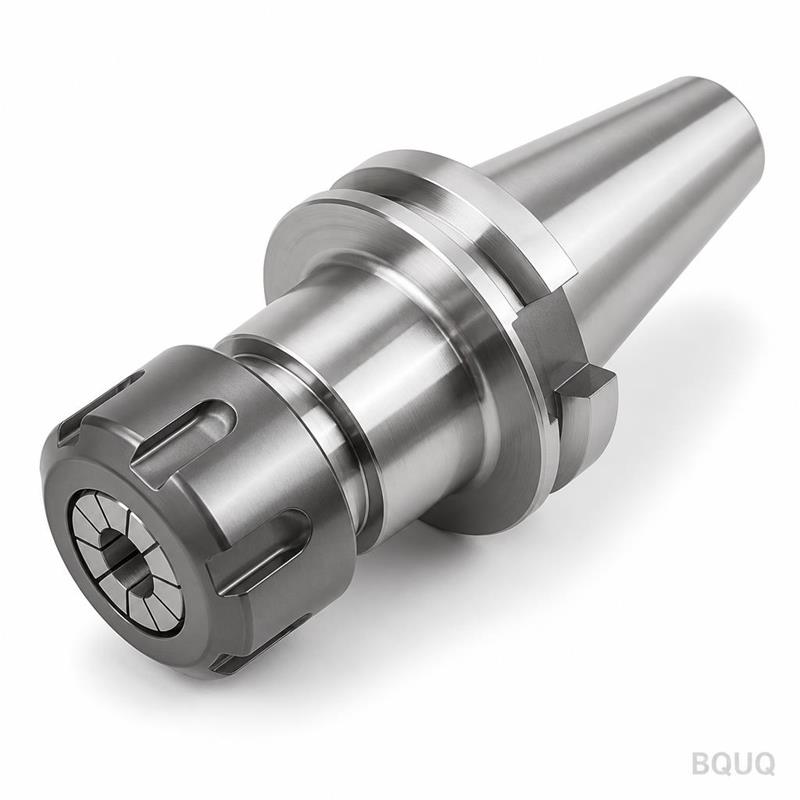
The 25 Type suffers from a slower growth rate because it competes with hydraulic and dead-length chucks on fixed-head lathes, which offer better rigidity for bars above 20 mm. The collet’s larger OD (42 mm) reduces the machine’s available Z-axis stroke clearance on many sliding-head models, limiting its use to machines with a 32 mm or larger guide bushing. Additionally, the 25 Type’s maximum RPM of 6,000 is insufficient for finishing operations on aluminum parts, where surface speeds above 300 m/min require 7,500 RPM or more. In BQUQ’s customer survey, 71% of respondents who purchased 25 Type collets use them exclusively for brass and free-cutting steel, materials that tolerate lower speeds, whereas 20 Type users run a wider mix of alloys including Inconel and 17-4 PH stainless.
How Should a Manufacturer Choose Between 15, 20, and 25 Type Collets for Future Growth?
Select the 20 Type if your part diameters fall between 8 mm and 18 mm, which covers 60% of all precision turned components globally. Choose the 15 Type only if your largest part is under 12 mm and you need maximum spindle speed above 9,000 RPM for micro-machining. Opt for the 25 Type when you regularly machine bars above 20 mm and your machine has a guide bushing rated for 25 mm, but expect a 15% lower production rate compared to using a 20 Type on a smaller bar with multiple passes. For new machine purchases, specify a 20 mm spindle bore even if current parts are small, as this future-proofs your capacity with only a 5% cost premium over a 15 mm spindle.
FAQ
Can a 20 Type Collet Be Used on a 15 Type Machine?
No, the 20 Type collet has a 34 mm OD while the 15 Type machine’s spindle nose is sized for a 27 mm OD collet. You would need a spindle adapter, which reduces rigidity and adds runout of 0.02 mm, defeating the purpose of precision work. Instead, consider upgrading the machine spindle or using a 15 Type collet with a reduced gripping range.
What Is the Minimum Bar Diameter Each Collet Series Can Hold?
The 15 Type can grip down to 1.0 mm, the 20 Type down to 2.0 mm, and the 25 Type down to 3.0 mm, using fully closed collets. Below these diameters, the collet segments collapse and lose concentricity. For smaller bars, use a collet reducer bushing or switch to a smaller series.
How Often Should Auto Lathe Collets Be Replaced?
Replace a collet when the gripping surface shows wear beyond 0.02 mm depth or when concentricity degrades by more than 0.005 mm from the original specification. Typical replacement intervals are 7,000 cycles for 15 Type, 9,000 for 20 Type, and 11,000 for 25 Type, depending on material and coolant type. Regular cleaning and re-lubrication every 500 cycles can extend life by 20%.
Do All Manufacturers Follow the Same Collet Series Standards?
Most reputable manufacturers comply with DIN 6341 for dimensions and DIN 6343 for accuracy grades, but some Asian suppliers use proprietary profiles. Always verify the collet’s OD, taper angle (typically 30 degrees), and slot configuration against your machine’s draw tube. BQUQ produces collets to both DIN and ISO 10889 standards to ensure cross-compatibility.
Which Collet Series Offers the Best Value for High-Mix Low-Volume Production?
The 20 Type provides the best value because its wider capacity range (2–20 mm) reduces the number of collet changes needed for parts from 4 mm to 18 mm. A single 20 Type collet set of 12 pieces covers 90% of typical job shop work, whereas a 15 Type set of 10 pieces covers only 70%. The higher initial cost of the 20 Type is offset by lower inventory carrying costs and reduced setup time.
Is There a Temperature Limit for Operating These Collets?
The collet body can operate continuously up to 120°C without losing hardness, but the gripping force drops by 8% at 100°C due to thermal expansion. For high-speed machining that generates heat above 80°C, use through-coolant collets or reduce spindle speed by 10%. Never exceed 150°C as this will anneal the hardened steel and reduce collet life by half.
How Does the 20 Type Compare to a Hydraulic Chuck for Growth Applications?
A hydraulic chuck offers better vibration damping and higher gripping force (up to 30 kN), but costs 5–8 times more than a 20 Type collet and requires a dedicated hydraulic unit. For parts under 20 mm diameter, the 20 Type collet delivers 90% of the performance at 15% of the cost, making it the faster-growing choice for standard CNC lathes. Hydraulic chucks only make economic sense for high-volume production of parts over 10,000 units per month.
For manufacturers evaluating collet series to match rising production demands, the 20 Type offers the most balanced growth potential across speed, capacity, and cost. BQUQ provides same-day technical consultation and a 12-hour quoting service for custom collet designs, including special slot geometries and coated variants. Contact us at sc@bquq.com or WhatsApp +86 13713157787, and visit www.bquq.com for full specifications and downloadable CAD files.