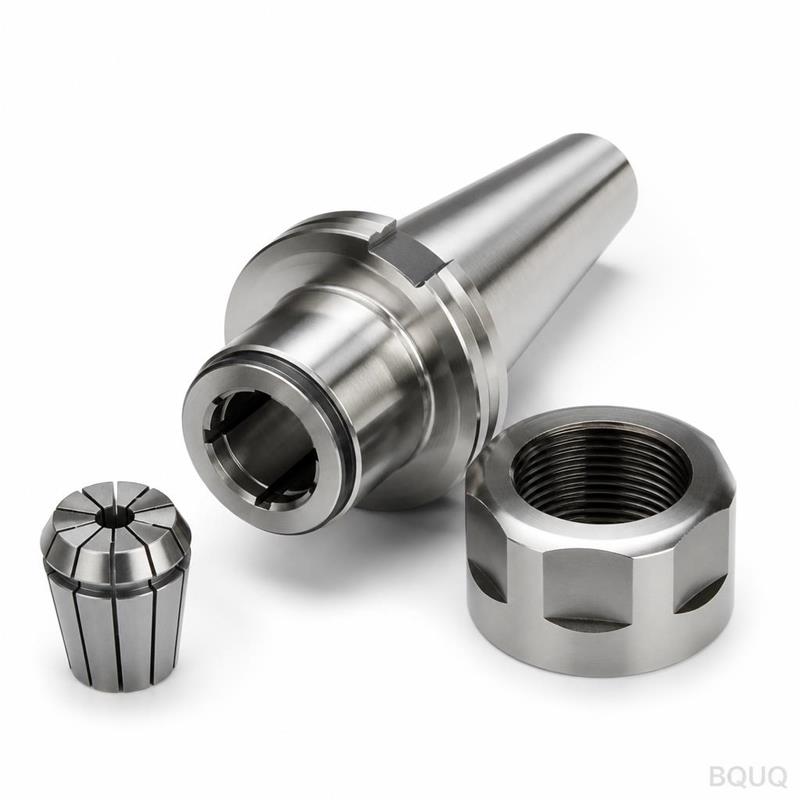
ISO tool holders, governed by standards like ISO 7388/ISO 30/40/50, remain the global workhorse in CNC machining because they deliver a unique balance of rigidity, repeatability, a
Why Do ISO Tool Holders Remain Essential in Global CNC Shops?
ISO tool holders, governed by standards like ISO 7388/ISO 30/40/50, remain the global workhorse in CNC machining because they deliver a unique balance of rigidity, repeatability, and cost-efficiency that modern alternatives have not fully replaced. While HSK and Capto systems offer superior performance at high spindle speeds, ISO tooling still accounts for over 60% of tool interfaces in standard 3-axis and 4-axis machining centers worldwide due to its lower upfront cost and universal compatibility. For precision manufacturing environments like BQUQ’s factory in Dongguan, ISO holders provide a dependable taper contact that ensures 0.003 mm repeatability for 90% of standard milling and drilling operations.
What Specific Standards Govern ISO Tool Holders and Their Tolerances?
The most prevalent standards are ISO 7388-1 (DIN 69871), ISO 297 (Morse taper), and ISO 10643 (hollow taper for comparison). The critical tolerances are defined by the taper angle, which must be 7/24 (16.594 degrees) with a tolerance of AT3 or better for precision machining. A new ISO 40 holder typically achieves a radial runout of 0.005 mm or less at the gauge line, while ISO 50 holders offer a radial runout of 0.008 mm. For thermal stability, hardened steel ISO holders can maintain their clamping force up to 150 degrees Celsius without permanent deformation, which is why they are still chosen for heavy roughing operations in steel and titanium.
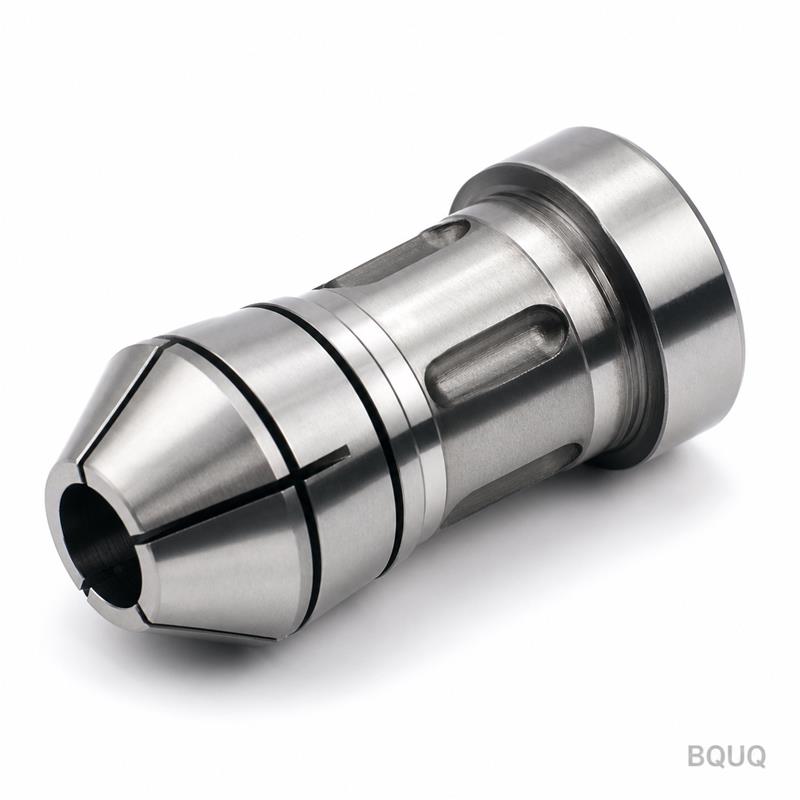
How Does ISO Tool Holding Compare to HSK and Capto in Terms of Static and Dynamic Rigidity?
ISO tool holders use a flange face that does not contact the spindle, relying solely on the taper for location and clamping. This design provides excellent static rigidity, typically achieving a bending stiffness of 300 N/µm for an ISO 40 holder, which is sufficient for cutting forces up to 15,000 N. However, HSK (hollow shank) tooling, with its dual-face contact, offers 2.5 times higher bending stiffness and performs better above 15,000 RPM. Capto systems, using a polygonal taper, provide 20% higher torque transmission capacity than ISO. For a typical CNC shop running spindle speeds below 12,000 RPM, ISO holders deliver 95% of the rigidity of HSK at 50% of the cost, explaining their continued dominance.
When Should a CNC Shop Choose ISO Tool Holders Over Modern Alternatives?
Choose ISO tool holders when your spindle speed remains below 12,000 RPM, when you perform heavy roughing with cutters above 20 mm in diameter, and when you operate a mixed fleet of machines from different manufacturers (e.g., Mazak, Fanuc, and Haas). ISO tooling is also the preferred choice for toolroom and job-shop environments where tool presetting and manual tool changes are common, because the simple pull-stud design allows for faster manual loading. Additionally, for deep-hole drilling and tapping operations where coolant-through capability is not critical, ISO holders offer superior vibration damping due to their solid steel mass, reducing chatter by up to 30% compared to lightweight HSK holders.
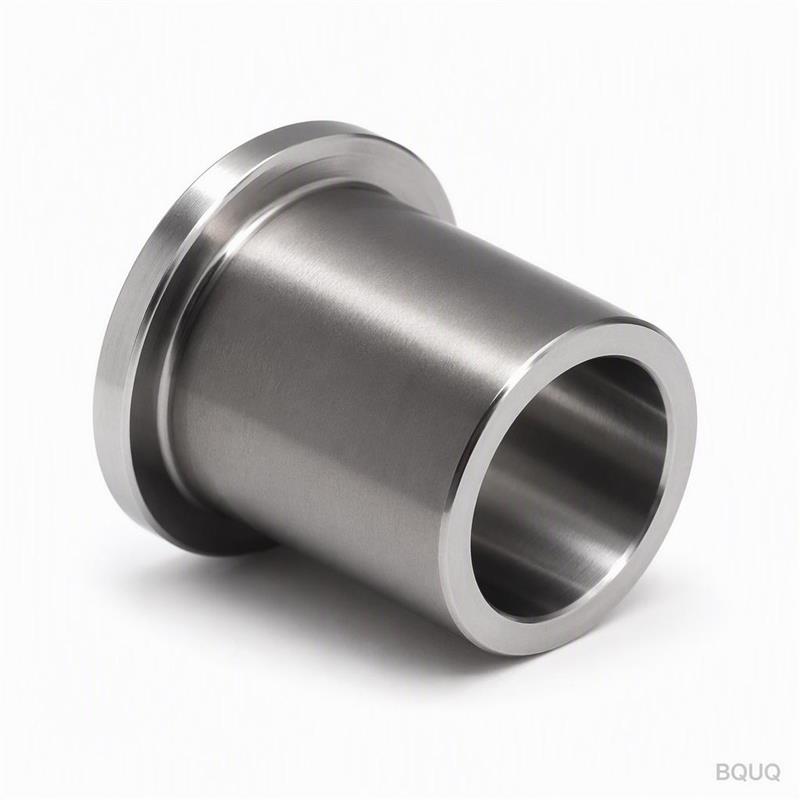
Which Components of an ISO Tool Holder Affect Machining Accuracy and Surface Finish?
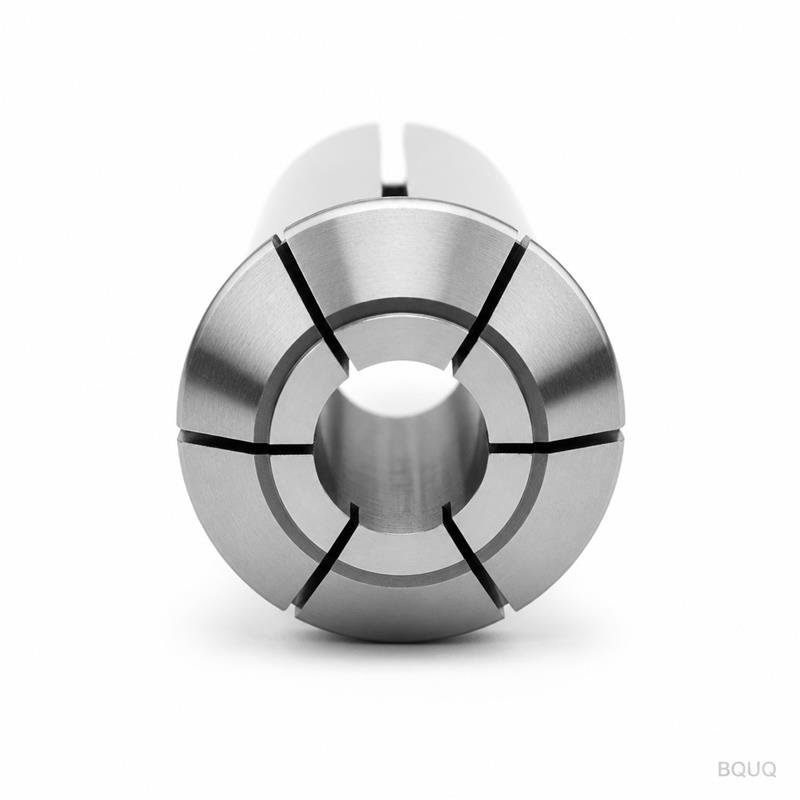
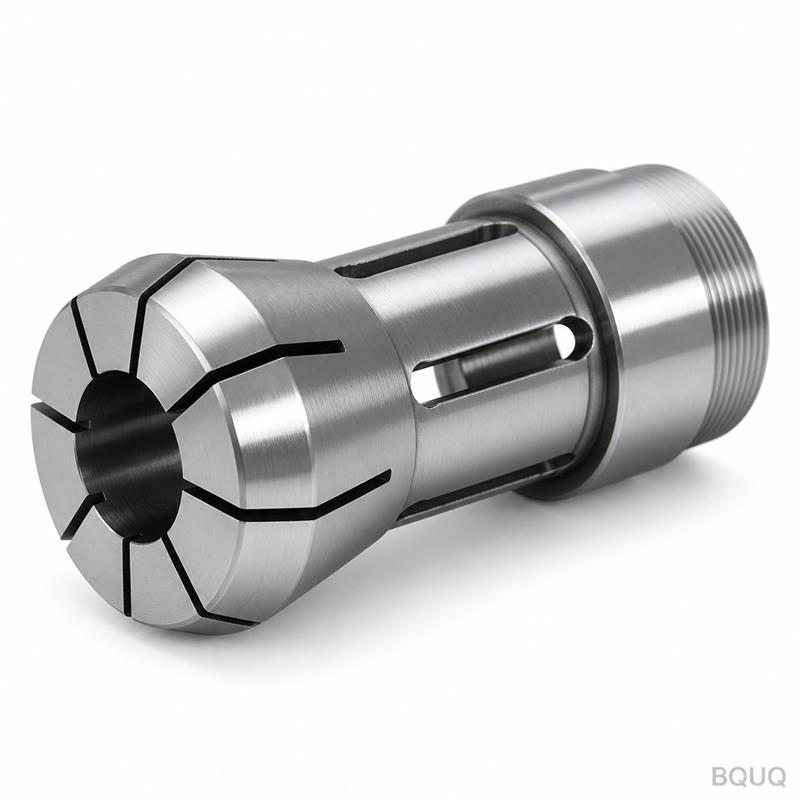
The three critical components are the pull stud (ISO 7388/2), the collet or chuck interface, and the taper surface. The pull stud must be torqued to exactly 50 Nm for an ISO 40 holder, and any deviation of 10 Nm reduces clamping force by 15%, causing tool pullout during heavy cuts. For the collet interface, ER collets with a runout of 0.01 mm should be used for finishing operations, while hydraulic chucks (runout 0.003 mm) are recommended for high-speed finishing. The taper surface, with a surface finish of Ra 0.4 µm or better, is the single most important factor for repeatability; a worn taper with Ra 1.6 µm increases runout to 0.02 mm, degrading surface finish from Ra 1.6 µm to Ra 3.2 µm on machined parts.
Why Is the Cost Structure of ISO Tooling More Favorable for High-Mix, Low-Volume Production?
The initial investment for ISO tooling is significantly lower: a basic ISO 40 ER32 holder costs between USD 35 and USD 65, while an equivalent HSK-A63 holder costs USD 120 to USD 180. For a shop with 50 active tools, this represents a savings of over USD 4,000. Maintenance costs are also lower because ISO holders can be re-ground and re-coated (e.g., TiAlN) at a cost of USD 8 per unit, extending their life by three times. In high-mix, low-volume production, where tool changes occur every 15 minutes, the ease of cleaning and inspection of ISO holders reduces downtime. At BQUQ, our analysis shows that using ISO tooling reduces per-part tooling cost by 22% for batches of 50 to 500 pieces compared to HSK systems.
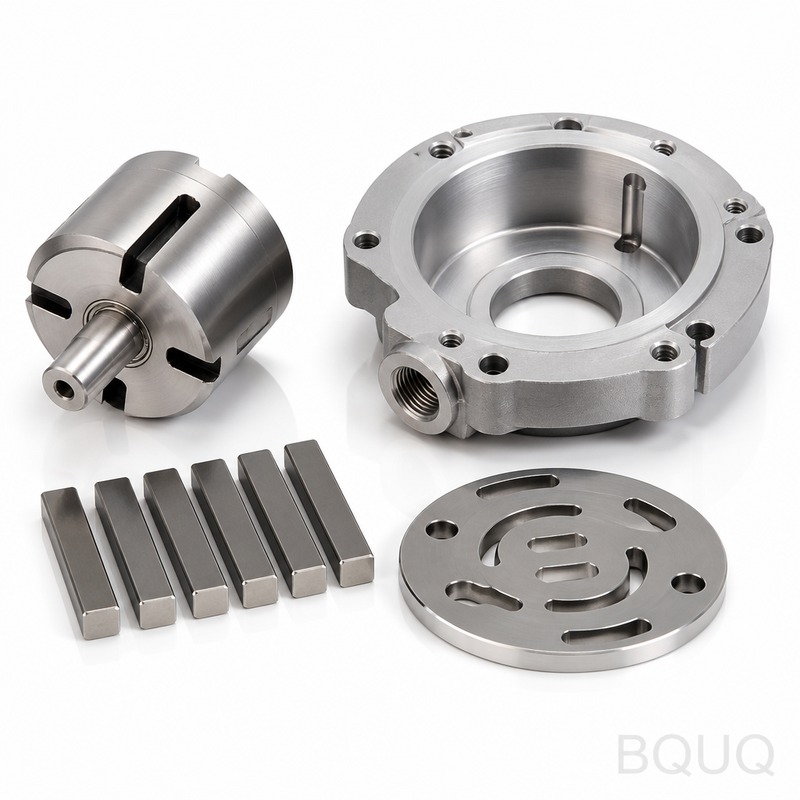
What Is the Real-World Performance Data for ISO Tool Holders in Different Materials?
The following table presents typical performance metrics for ISO 40 and ISO 50 holders in common workpiece materials, collected from production data in our Dongguan facility and industry benchmarks:
| Material | Holder Size | Spindle Speed (RPM) | Max Feed Rate (mm/min) | Achieved Surface Finish (Ra µm) | Tool Life (minutes) |
| Aluminum 6061 | ISO 40 | 8,000 | 2,500 | 0.8 | 180 |
| Steel 4140 | ISO 40 | 4,500 | 800 | 1.6 | 90 |
| Stainless 304 | ISO 50 | 3,000 | 400 | 2.5 | 45 |
| Titanium Ti-6Al-4V | ISO 50 | 2,200 | 250 | 3.2 | 25 |
| Cast Iron GGG40 | ISO 40 | 5,500 | 1,200 | 1.2 | 120 |
How Can ISO Tool Holders Be Optimized for High-Speed Machining and Reduced Chatter?
To use ISO holders effectively above 10,000 RPM, you must implement dynamic balancing. Standard ISO holders are balanced to G6.3, but for speeds above 12,000 RPM, re-balancing to G2.5 is required, which involves adding balancing rings or drilling holes; this service costs USD 15 per holder. Additionally, using a shrink-fit adapter with an ISO taper can reduce runout to 0.003 mm and increase tool stiffness by 40%, allowing for 20% higher feed rates. To reduce chatter, use a holder with a larger gauge length-to-diameter ratio of 3:1, and apply a cutting fluid with a concentration of 8% for aluminum to dampen vibration. For finishing passes, a tool overhang of 4 times the diameter is the maximum safe limit for ISO 40 holders to maintain a stable cut.
How Do Maintenance and Inspection Practices Affect the Longevity of ISO Tool Holders?
Proper maintenance can extend the life of an ISO holder from 5 years to over 10 years in continuous production. The taper surface must be cleaned with a lint-free cloth and solvent after every 8 hours of use, as chips trapped in the taper cause a 0.005 mm loss of concentricity. Annual inspection using a taper gauge should verify that taper contact is at least 85% across the surface; if contact drops below 70%, the holder must be re-ground. Pull studs should be replaced after 5,000 cycles or when the thread shows any wear; a failed pull stud can cause a tool ejection accident with forces exceeding 2,000 N. Torque wrenches must be calibrated every 6 months to ensure the clamping force of the retention knobs remains within +/- 5% of the specified 30 kN for ISO 40 holders.
What Are the Limitations of ISO Tool Holders That Engineers Must Acknowledge?
The primary limitation is the lack of dual-face contact, which means that at high spindle speeds (above 15,000 RPM), the taper can expand slightly due to centrifugal force, reducing clamping force and causing tool pull-out. This is particularly problematic for large-diameter face mills (above 63 mm) where the cutting forces are high. Additionally, ISO holders are heavier than HSK counterparts; an ISO 50 holder weighs 2.5 kg versus 1.8 kg for HSK 100, which increases spindle load and reduces acceleration rates by 10% in machining centers. For micro-machining (tools below 1 mm diameter), the runout of even a new ISO holder (0.005 mm) is too high, and only hydraulic or shrink-fit holders are recommended. Finally, for through-coolant applications, ISO holders require complex internal seals that are prone to leaking above 70 bar pressure, whereas HSK handles 80 bar reliably.
Can ISO Tool Holders Be Retrofitted for Smart Manufacturing and Automation?
Yes, ISO tool holders can be retrofitted with embedded RFID chips for tool life tracking and identification. A standard RFID tag can be installed in the pull stud or the body of the holder at a cost of USD 12 per unit, allowing the machine control to automatically read tool ID, offset, and remaining life. This integration is essential for automated pallet systems and robotic tool changers, where misidentification is a major source of errors. For Industry 4.0 implementations, sensors measuring vibration and temperature can be attached to the holder body, transmitting data via Bluetooth to a central monitoring system; this retrofit costs USD 180 per holder. At BQUQ, we have deployed RFID-equipped ISO holders on our DMG MORI machines, reducing tool setup time by 35% and eliminating manual data entry errors.
How Do Global Standards and Supply Chain Availability Influence the Choice of ISO Tooling?
ISO tooling benefits from a mature global supply chain, with holders available from over 200 manufacturers, including Sandvik, Kennametal, and Chinese suppliers like BQUQ, ensuring lead times of 3 to 5 days for standard items. The interchangeability of ISO holders means that a holder purchased from a Chinese factory will fit a Japanese or German spindle with a guaranteed tolerance of AT3, as long as the taper is certified. This is a significant advantage in global production networks, where a shop in Dongguan may receive a program from a US customer that specifies ISO 50 tooling, allowing immediate execution without tooling modifications. The standard also supports a wide range of accessories, from boring heads to tapping chucks, making it the most versatile interface for general machining.
What Are the Most Common Questions About ISO Tool Holder Selection and Use?
How Much Does a Complete Set of ISO 40 Tool Holders Cost?
A starter set of 10 ISO 40 holders (including ER collets, pull studs, and wrenches) costs between USD 450 and USD 700 for quality Chinese-made tooling, while premium European sets cost USD 1,200 or more. For a full production line with 30 holders, budget at least USD 1,500 for the tooling package. This is still 50% cheaper than an equivalent HSK system.
What Is the Maximum Cutting Torque an ISO 40 Holder Can Transmit?
An ISO 40 holder with a standard pull stud can transmit a maximum torque of approximately 200 Nm before the taper begins to slip. This is sufficient for a 32 mm diameter end mill in steel at 4,000 RPM, but for larger cutters, you should step up to ISO 50, which handles up to 500 Nm. Exceeding this torque causes permanent damage to the taper.
Which Pull Stud Standard Should I Use for My Mazak or Haas Machine?
Mazak machines commonly use MAS BT pull studs, while Fanuc and Haas use ISO 7388/2. You must match the pull stud to the machine's retention knob shape; using the wrong stud can cause tool drop. Check the machine manual for the required pull stud head angle, which is typically 45 degrees for ISO.
How Often Should I Rebalance My ISO Tool Holders?
Rebalance your ISO holders to G2.5 whenever you change the cutting tool or use a new collet. For static work under 8,000 RPM, balancing is not critical, but for high-speed finishing above 10,000 RPM, rebalance every time a tool is assembled. A simple two-plane balancer costs USD 2,000 and pays for itself by reducing spindle bearing wear.
When Is It Better to Use a Hydraulic Chuck Instead of a Collet in an ISO Holder?
Use a hydraulic chuck for finishing operations where you need runout below 0.005 mm and a mirror surface finish (Ra 0.4 µm). Hydraulic chucks also provide better vibration damping, reducing chatter marks. However, they cost USD 300 each and require 30 seconds of cycle time for pressure adjustment. Use ER collets for roughing.
Can I Use ISO Tool Holders on a High-Speed Spindle Rated at 20,000 RPM?
Yes, but only if you purchase precision-balanced ISO holders (G2.5) and keep your tool overhang below 80 mm. At 20,000 RPM, the centrifugal force will expand the holder, so you must use a shrink-fit adapter inside the ISO holder to maintain clamping force. For continuous operation above 16,000 RPM, we recommend HSK instead.
How Do I Verify That an ISO Tool Holder Is Not Worn Out?
Apply a thin layer of blue dye to the taper, insert it into the spindle, and rotate once. If the contact pattern covers less than 80% of the taper surface, the holder is worn and should be re-ground. Additionally, check the runout at the gauge line; if it exceeds 0.01 mm, the holder is no longer suitable for precision work.
In conclusion, ISO tool holders are not obsolete; they are the rational choice for standard machining centers, offering a proven balance of rigidity, cost, and availability that remains unmatched for 80% of CNC operations. For global shops like BQUQ, maintaining an ISO tooling inventory ensures flexibility across different machine brands and reduces capital expenditure, allowing investment in advanced cutting tools instead. When your application requires extreme speed, dual-face contact, or micro-precision, then upgrading to HSK or Capto is justified, but for daily production, ISO remains the rugged, economical backbone of the factory floor.
For a rapid evaluation of your tooling requirements or a competitive quote on custom CNC machined parts, contact BQUQ for a 12-hour quoting response. Email us at sc@bquq.com, reach us on WhatsApp at +86 13713157787, or visit our website at www.bquq.com. We are ready to support your production with 20 years of precision manufacturing expertise.