Planning Lead Times With Chinese Suppliers
Short answer: Plan Chinese supplier lead times as four separate clocks — quoting, tooling/sampling, production, and logistics — then add a buffer sized to the risk of each. Quoting is the fastest step: BQUQ returns quotes in 12 working hours. For simple CNC parts (no new tooling), typical production is 7–12 working days; stamped parts with new dies run 20–35 days including die build and first-article approval; custom springs typically 10–18 days. Sea freight from Dongguan adds 25–40 days to the US or EU, air 5–10 days. Total door-to-door for a first stamped order is therefore commonly 55–85 days, not the 30 days many buyers assume.
Why Chinese lead times feel longer than the number on the quote
Most lead-time disappointments in China sourcing are not caused by slow factories. They are caused by buyers planning against a single number — "30 days" — when the actual timeline is a chain of dependent steps, each with its own queue.
A supplier quotes production time. The buyer hears total time. Between those two points sit die design reviews, material procurement, first-article inspection, surface finishing, and a freight booking that may only sail twice a week.
The fix is to stop treating lead time as one value and start treating it as a schedule you build together with your supplier before the PO is issued. That schedule should name every milestone, who owns it, and what happens if it slips.
The four clocks you are actually managing
| Clock | Typical duration | Who controls it | Main risk |
|---|---|---|---|
| Quoting / DFM | 12 working hours to 3 days | Supplier engineering | Incomplete drawings, unclear tolerances |
| Tooling & sampling | 12–25 days (new die), 3–7 days (CNC first article) | Supplier toolroom + your approvals | Design changes after die cut |
| Production | 7–12 days (CNC), 10–18 days (springs), 8–15 days (stamping after die exists) | Supplier production planning | Material arrival, finishing queue |
| Logistics | Air 5–10 days, sea 25–40 days, plus 3–7 days customs each end | Freight forwarder | Port congestion, documentation errors |
Notice that only one of those four clocks is genuinely manufacturing. The rest is coordination — which means the rest is where you have the most leverage.
What lead times should you realistically expect from a Dongguan factory?
Dongguan is one of the densest manufacturing clusters in the world, which compresses lead times in ways inland regions cannot match. Raw aluminum, stainless strip, spring wire, and hardware are usually available within the same industrial belt, often same-day or next-day.
Here are indicative ranges based on typical orders at a factory running CNC machining, metal stamping, springs, and heat sinks under one roof. Treat them as planning figures, not contractual promises — your specific geometry, tolerance, and finish will move them.
| Process | Sample / first article | Mass production | Notes |
|---|---|---|---|
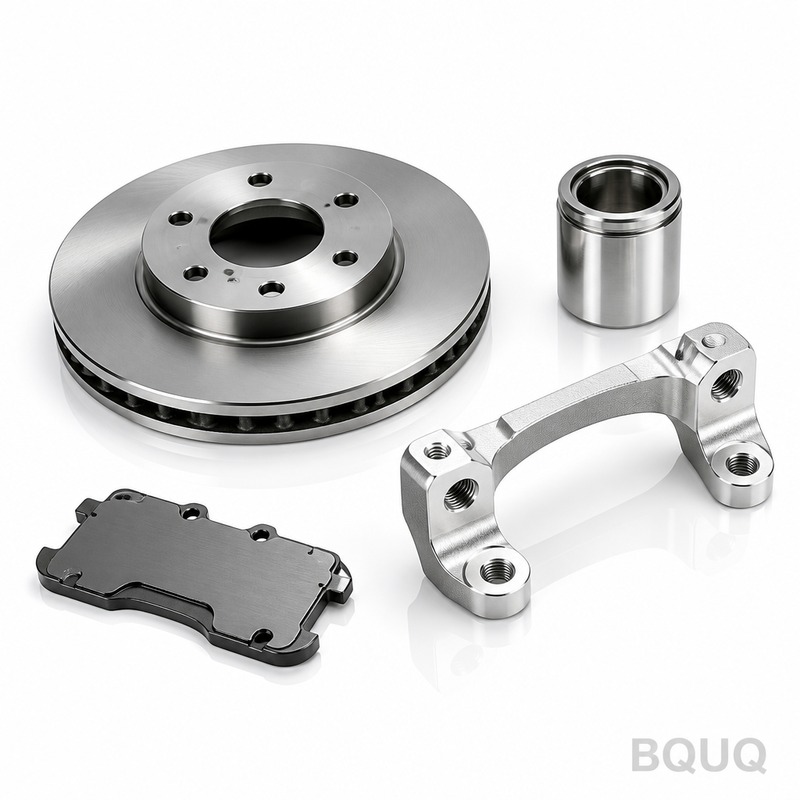
| CNC machining (±0.005 mm) | 3–7 days | 7–12 days | Faster if material is in stock; slower for 5-axis or tight surface finish |
| Metal stamping — new die | 15–25 days (die build + T1) | 8–15 days | Add 3–7 days for first-article approval and any die adjustment |
| Metal stamping — existing die | 2–4 days | 5–10 days | Die transfer from another supplier can add 5–10 days of validation |
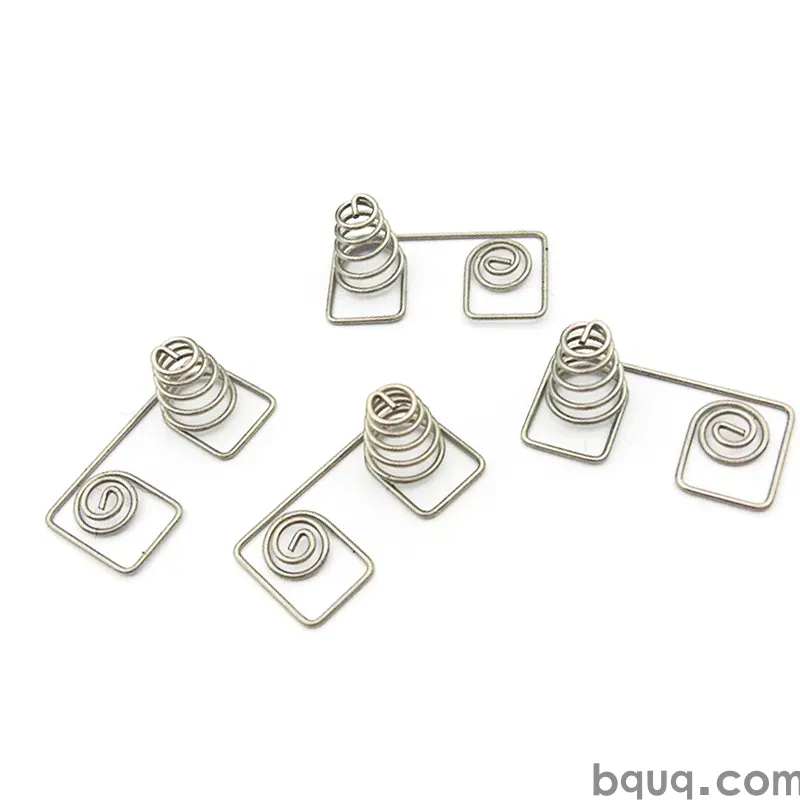
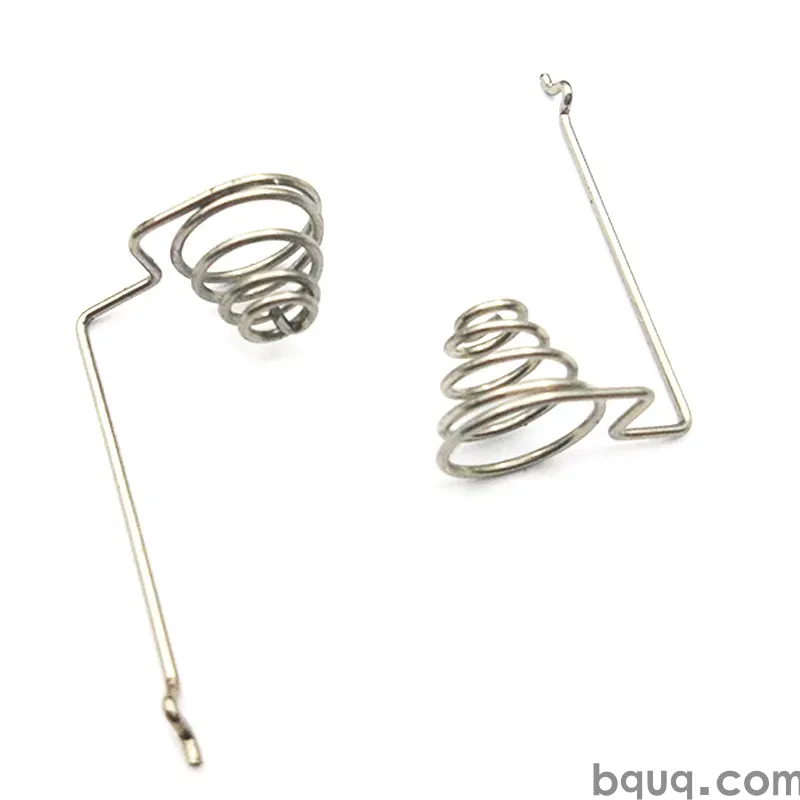
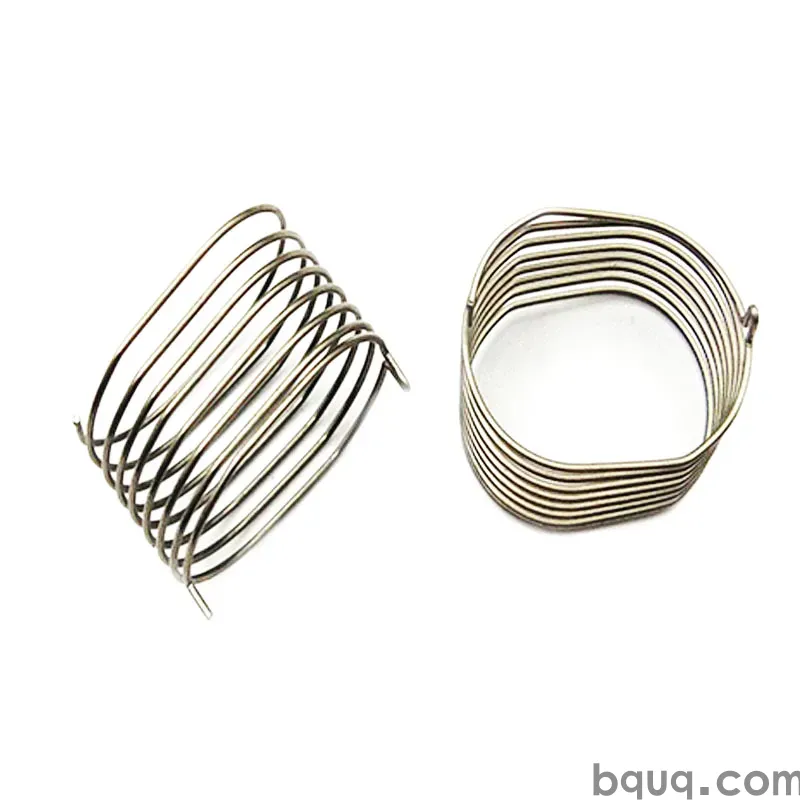
| Custom springs (compression, extension, torsion) | 5–10 days | 10–18 days | Depends on wire diameter availability and heat treatment |
| Heat sinks (extruded or skived) | 5–10 days | 10–20 days | Extrusion die lead time dominates for new profiles |
| Surface finishing (anodize, zinc, passivation) | 2–5 days | 3–7 days | Often the hidden bottleneck; book it with production, not after |
The single most common planning error is treating finishing as a same-week add-on. Anodizing lines and plating lines run batch schedules. If your parts finish production on a Friday and the anodizer's next batch for your color is the following Thursday, you have just added a week without anyone making a mistake.
How do you build a lead-time buffer that is not just padding?
Buffers should be proportional to uncertainty, not applied as a flat percentage. A repeat order on an existing die with a known supplier needs almost no buffer. A first order with new tooling, a new finish, and a new forwarder needs a lot.
A practical method is to score each of the four clocks on a simple 1–3 risk scale and add days accordingly.
A simple buffer model
| Risk factor | Low (1) | Medium (2) | High (3) |
|---|---|---|---|
| Tooling | Existing die / no tooling | Minor die modification | Brand-new die, complex form |
| Approval | You approve FAI in 24 h | 2–3 day internal review | Multiple stakeholders, spec review |
| Material | Standard stock grade | Non-standard alloy or thickness | Imported or mill-order material |
| Finishing | None or in-house | Common finish, local vendor | Specialty finish, tight cosmetic spec |
| Logistics | Air, established forwarder | Sea, established forwarder | Sea, new forwarder, peak season |
Add roughly 3 days of buffer per point scored above 1, capped at a sensible ceiling. A low-risk repeat order might carry 0–3 days of buffer. A high-risk first article with new tooling, a specialty finish, and peak-season sea freight can justify 15–20 days.
This is more honest than a blanket "add 30%." It also gives you something to discuss with your supplier: you can ask them to confirm or challenge each risk score, which surfaces problems while they are still cheap to fix.
Where do Chinese supplier lead times actually slip?
Slippage is predictable once you know the usual suspects. In practice, the same five causes account for most late shipments.
1. Drawings that are not manufacturing-ready
A 2D PDF with a missing tolerance block, an undefined thread depth, or a datum that no one can measure will bounce between engineering and the customer for days. This is free to fix before quoting and expensive to fix after. A structured DFM feedback loop — where the supplier returns marked-up drawings with questions inside the quote — removes most of this delay.
2. First-article approval sitting on the buyer's desk
Factories frequently lose more days waiting for customer approval than they do building the part. Agree in advance who signs off, what evidence is required (dimensional report, material cert, cosmetic samples), and how many days you have. If your internal approval takes a week, put that week in the plan.
3. Material substitutions discovered late
If the specified alloy is not in the local market, the supplier either waits for mill delivery or proposes a substitute. Both cost time. Ask at quoting stage: "Is this exact grade and temper in stock in Dongguan, and if not, what is the lead time?"
4. Finishing and heat treatment queues
Outsourced processes run on their own batch cycles. The best defense is to book them at the same time as production, and to confirm the finishing vendor's next available slot before the PO is released.
5. Freight and documentation
Missing or inconsistent documents — invoice value, HS code, packing list description — can hold a container for days. Chinese New Year is its own category: factories typically close for 2–4 weeks, and the weeks before and after are congested. Any order that lands in that window needs an explicit written schedule.
What should be written into the PO to protect the schedule?
A purchase order is a commercial document, but it can also be a scheduling document. Adding a short schedule annex costs nothing and prevents most disputes.
Include:
- Milestone dates, not just a ship date: die start, T1 sample date, FAI submission, production start, finishing completion, packing ready, ship date.
- Approval turnaround commitments from your side, so the supplier can plan around them.
- Sample and FAI requirements — dimensions checked, report format, whether a full layout inspection is needed.
- Change control: any drawing change after die cut triggers a written cost and time impact before work continues.
- Communication cadence: a fixed weekly update with photos or a short video, plus immediate notice of any milestone at risk. A predictable rhythm beats urgent emails.
Weekly cadence beats crisis management
Orders rarely fail suddenly. They drift. A supplier who sends a two-line update every week — "die roughing complete, EDM starts Tuesday, on track for T1 on the 18th" — gives you three weeks of warning if something slips. A supplier who goes quiet for a month gives you none.
How do you shorten lead times without paying for overtime?
There are legitimate structural ways to compress a Chinese supply chain schedule. Most of them are decisions made at design and sourcing stage, not at the factory floor.
- Design for existing tooling where possible. Reusing a die, a spring wire diameter, or an extrusion profile removes the longest clock entirely.
- Keep tolerances honest. Specifying ±0.005 mm where ±0.05 mm functions fine adds inspection time and rejects without adding value.
- Consolidate processes under one roof. When CNC machining, stamping, springs, and heat sinks run in one factory, you remove inter-supplier shipping and the finger-pointing that comes with it.
- Split the order. Ship a partial batch by air to start assembly while the balance travels by sea.
- Pre-approve finishes and colors so no cosmetic debate happens after production.
- Place repeat orders on a rolling forecast so material can be reserved before the PO arrives.
None of these require paying a premium. They require planning earlier.
Frequently Asked Questions
Q: How long does a Chinese supplier take to quote?
A: At BQUQ, quotes are returned within 12 working hours for complete RFQs with drawings, material, quantity, and finish specified. Incomplete packages take longer because engineering has to ask questions first. If you need a fast number, send a 2D drawing with tolerances, a 3D step file, annual volume, and target finish in one message.
Q: Is 30 days realistic for a first stamped order from China?
A: Usually not, if a new die is required. Die design and build typically take 15–25 days, first-article approval adds 3–7 days, production runs 8–15 days, and sea freight adds 25–40 days. A realistic door-to-door plan for a first stamped order is 55–85 days. Repeat orders on an existing die are far faster.
Q: How much buffer should I add to a China lead time?
A: Size the buffer to risk, not to a flat percentage. Score tooling, approval, material, finishing, and logistics from 1 to 3, and add roughly 3 days per point above 1. A repeat order on an existing die may need 0–3 days; a new die with a specialty finish and peak-season sea freight can justify 15–20 days.
Q: Do Chinese factories shut down for Chinese New Year?
A: Yes. Most factories close for 2–4 weeks around Chinese New Year, and the weeks immediately before and after are congested as everyone rushes to ship. Any order scheduled to finish in that window needs a written plan agreed months ahead, including who is on call and when production restarts.
Q: Can lead time be reduced without paying more?
A: Often yes. Reusing existing tooling, relaxing unnecessary tolerances, consolidating processes in one factory, pre-approving finishes, splitting shipments between air and sea, and giving rolling forecasts all reduce elapsed time without premium pricing. The savings come from planning earlier rather than paying for expediting.
Related Resources
- About BQUQ and our Dongguan production footprint — /about/
- CNC machining services with ±0.005 mm capability — /cnc-machining/
- Custom metal stamping and die build — /custom-metal-stamping/
- Compression, extension, and torsion springs — /compression-springs/
- Industry trends in China sourcing — /industry-dynamics/
- Full technical article library — /bquq-blog/
- Frequently asked sourcing and manufacturing questions — /faq/
- Contact the engineering team for a 12-hour quote — /contact/
Authored by the BQUQ Engineering Team. BQUQ (Dongguan) runs CNC machining (±0.005 mm), metal stamping, custom springs, and heat sink production in one ISO9001 factory. Source-direct from Dongguan, China — quote in 12 hours: sc@bquq.com | WhatsApp +86 13713157787 | www.bquq.com