10 Key Questions to Ask Before Ordering CNC Turned Parts
1. What materials do you offer for CNC turning?
We provide a wide range of materials for CNC turned parts, including aluminum (6061, 7075), steel (1018, 4140, stainless 304/316), brass, copper, titanium, and various engineering plastics like Delrin, Nylon, and PEEK. Each material offers distinct properties such as strength, corrosion resistance, or weight savings. Our team can help you select the optimal material based on your application, mechanical requirements, and budget.
For high-volume orders, we also offer material certifications and traceability to ensure consistency. If your design requires a specific grade or exotic alloy, we can source it. Always discuss material availability and any special requirements during the quoting phase to avoid delays.
2. What tolerances can you achieve?
Our CNC lathes are capable of holding tight tolerances down to ±0.0005 inches (0.013 mm) for most diameters and features. For critical dimensions, we can achieve ±0.0002 inches (0.005 mm) with careful process control. Tolerance capability depends on part geometry, material, and quantity. We recommend providing a tolerance stack-up analysis during design to balance functionality and cost.
During production, we use in-process inspection with micrometers and air gauges, and final inspection with CMM equipment. We can also generate inspection reports per your requirements. Remember that tighter tolerances increase machining time and cost, so only specify them where necessary.
3. Do you provide design for manufacturability (DFM) feedback?
Yes, we offer free DFM analysis for every CNC turned parts project. Our engineers review your CAD model or drawing to identify potential issues such as undercuts, sharp internal corners, or thin walls that could break during machining. We suggest modifications to reduce cycle time, improve surface finish, or consolidate multiple operations.
Common recommendations include adding chamfers on internal threads, reducing depth-to-diameter ratios, and specifying standard drill sizes. By optimizing the design upfront, we help you avoid costly rework and achieve faster delivery. Submit your design early in the process for best results.
4. What is your typical lead time?
Standard lead time for CNC turned parts is typically 2–3 weeks for quantities up to 1,000 pieces. For larger volumes or complex parts, it may extend to 4–6 weeks. We offer expedited services at an additional cost, with lead times as short as 5–10 business days for simple geometries and common materials.
Lead time includes material sourcing, programming, setup, machining, and quality inspection. To minimize delays, provide complete and approved documentation, and avoid last-minute design changes. We also offer blanket orders with scheduled releases for ongoing production needs.
5. How do you handle surface finishing?
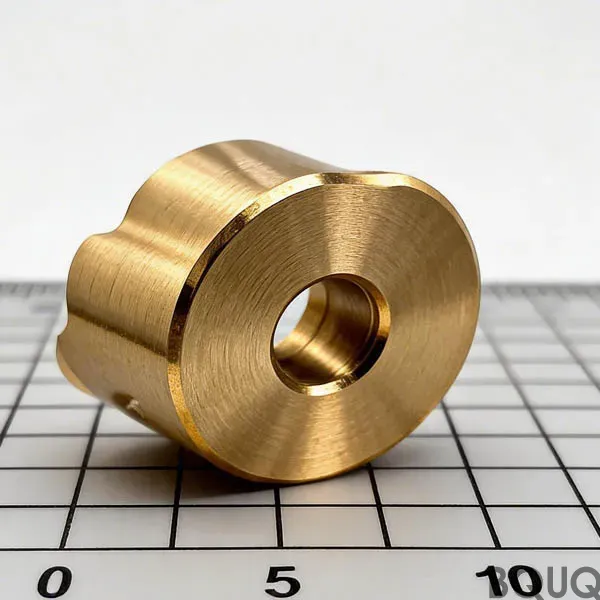
We provide a variety of surface finishes for CNC turned parts, including as-machined (with a typical 32–63 Ra microinch finish), bead blasting, anodizing (Type II and III), powder coating, electropolishing, and passivation. The choice depends on aesthetics, corrosion resistance, wear protection, or functional requirements like reducing friction.
Some finishes, like anodizing or plating, may require additional lead time and have specific thickness tolerances. We always recommend including a surface finish specification on your drawing. For tight dimensional requirements, we can machine to near-net shape and then apply final finishing as a secondary operation.
6. What are your minimum order quantities (MOQ)?
We have no strict MOQ for CNC turned parts; we accept both prototypes and high-volume production. For low quantities (1–100 pieces), pricing is higher due to setup and programming time. As volume increases, per-unit cost drops significantly. We offer competitive pricing for runs from 100 to 100,000+ pieces.
For prototyping, we recommend using our 3D printing or manual lathe services to validate the design before committing to CNC production. This approach saves money and time for initial iterations. For production orders, we can also set up inventory and scheduled deliveries.
7. Can you handle complex geometries?
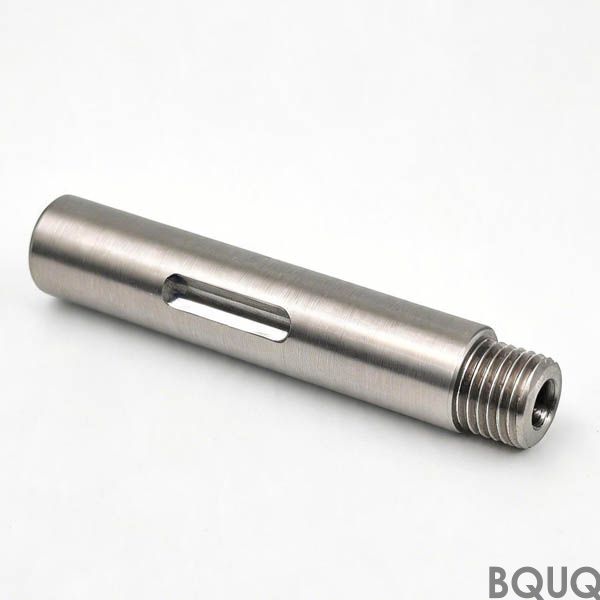
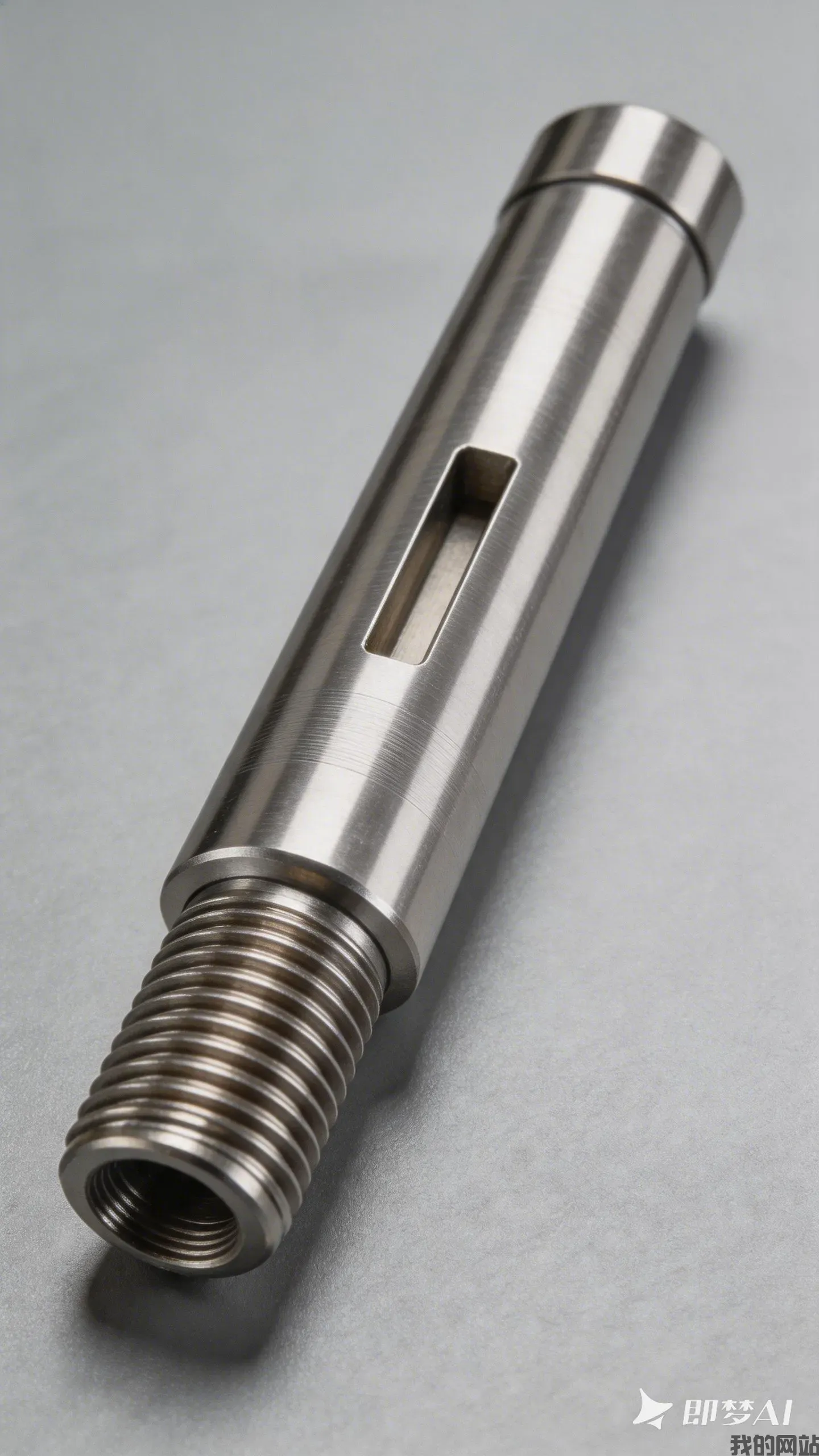
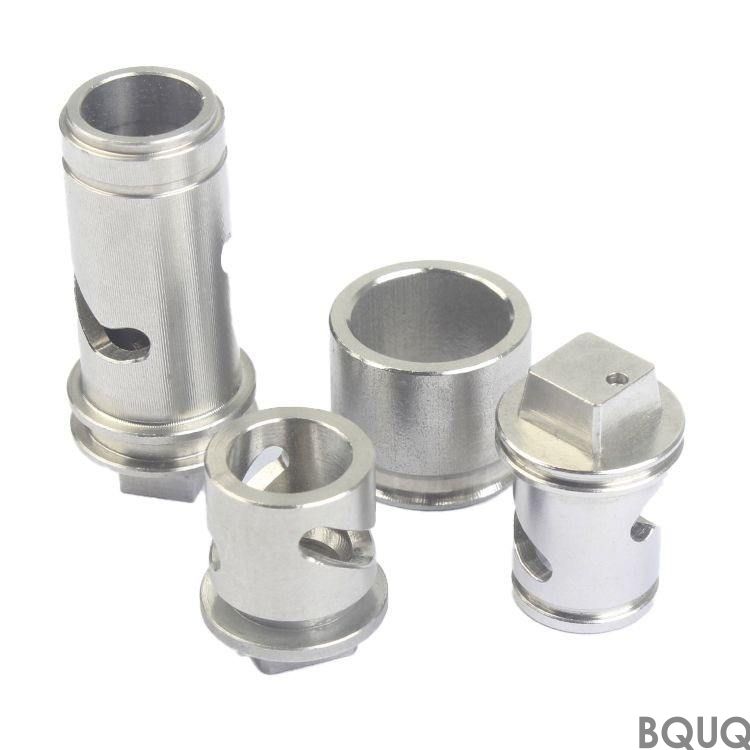
Our multi-axis CNC lathes (including Swiss-type and live tooling capabilities) can machine complex features such as hexagonal profiles, cross-drilled holes, slotted ends, threads (internal/external), and eccentric diameters. With sub-spindle and Y-axis options, we can complete most parts in a single setup, reducing handling errors and improving concentricity.
If your part requires milling, drilling, or tapping at various angles, our machines can perform these operations simultaneously with turning. However, extremely complex shapes may require 5-axis milling as a secondary operation. We will advise the most efficient method during DFM review.
8. How do you ensure quality control?
Our quality control process begins with incoming material inspection and continues through each manufacturing stage. We follow ISO 9001:2015 procedures, with documented work instructions and in-process checks. Operators inspect critical dimensions using calibrated gauges, and a final inspection report (including CMM data if required) accompanies every shipment.
For high-volume or critical parts, we implement statistical process control (SPC) with control charts. We also offer First Article Inspection (FAI) per AS9102 for aerospace or medical applications. Defect rates are typically below 0.5%. We stand behind our work with a 100% satisfaction guarantee.
9. What certifications do you have?
We are ISO 9001:2015 certified, ensuring consistent quality management across all processes. For specialized industries, we can comply with IATF 16949 for automotive, or AS9100D for aerospace upon request. Our facility is also RoHS and REACH compliant for material restrictions.
We can provide certificates of conformance (CoC) for each order, and material certifications if required. If your project needs specific regulatory approvals (e.g., FDA for medical devices), we work with certified partners to meet those standards. Always inquire about certification needs early.
10. How do you handle shipping and packaging?
We use protective packaging such as poly bags, bubble wrap, foam inserts, and custom corrugated boxes to prevent damage during transit. For sensitive surfaces, we apply anti-rust oil or VCI paper. Each part is individually handled and packed according to your specification (bulk, individual, or kit packaging).
We ship worldwide via FedEx, DHL, UPS, or truck freight. Shipping costs are calculated based on weight, volume, and destination. We can also arrange logistics for JIT delivery. For domestic orders, we offer free ground shipping on orders over $500. Tracked shipments ensure you know the status at all times.
Frequently Asked Questions
What materials do you offer for CNC turning?
We offer aluminum (6061, 7075), steel (1018, 4140, stainless 304/316), brass, copper, titanium, and engineering plastics like Delrin, Nylon, and PEEK. Material certifications and traceability are available for high-volume orders. We can source specific grades or exotic alloys if needed, and recommend discussing availability during quoting to avoid delays.
What tolerances can you achieve?
Our CNC lathes hold tolerances down to ±0.0005 inches (0.013 mm) for most features, and ±0.0002 inches (0.005 mm) for critical dimensions with careful process control. Capability depends on geometry, material, and quantity. We use in-process inspection with micrometers and air gauges, plus final CMM inspection, and can generate reports per your requirements.
Do you provide design for manufacturability (DFM) feedback?
Yes, we offer free DFM analysis for every CNC turned parts project. Our engineers review your CAD model or drawing to identify issues like undercuts, sharp internal corners, or thin walls, and suggest modifications to reduce cycle time, improve surface finish, or consolidate operations. Common recommendations include adding chamfers on internal threads and specifying standard drill sizes.
What is your typical lead time?
Standard lead time is 2–3 weeks for quantities up to 1,000 pieces, extending to 4–6 weeks for larger volumes or complex parts. Expedited services are available at additional cost, with lead times as short as 5–10 business days for simple geometries and common materials. Lead time includes material sourcing, programming, setup, machining, and quality inspection.