Application of Edge Computing in CNC Machining Real-time Monitoring
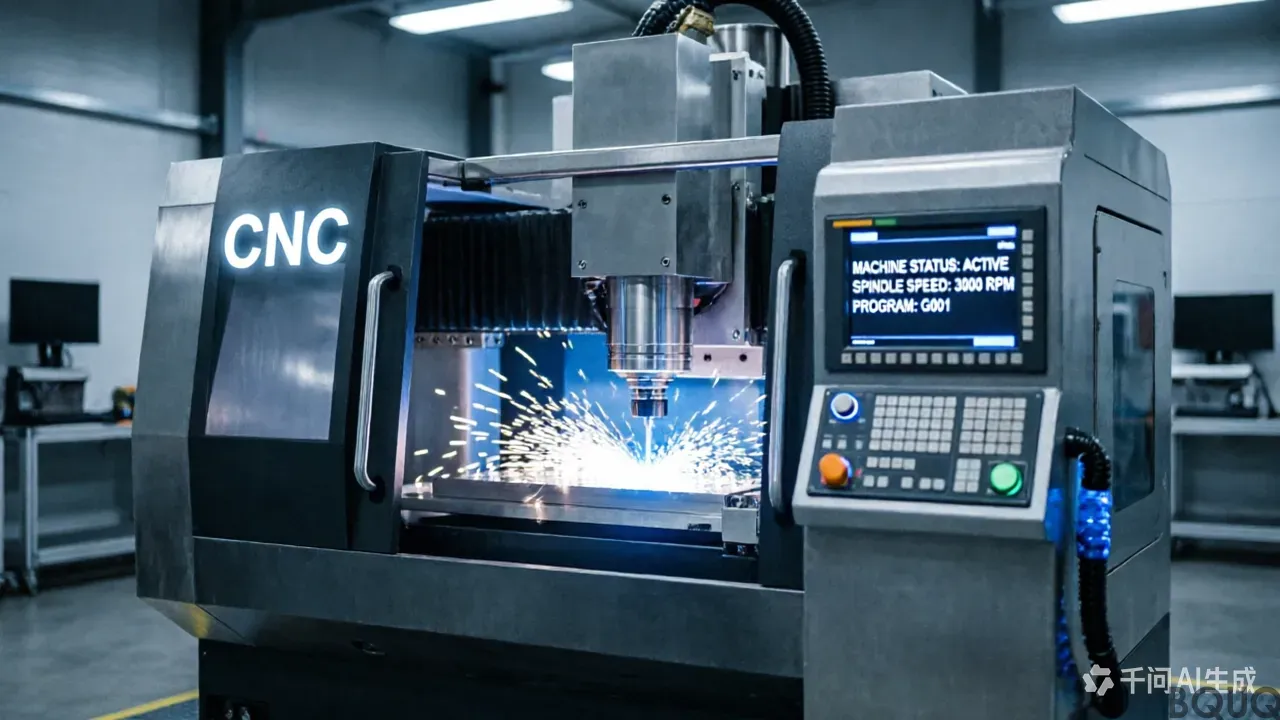
The traditional way of CNC data collection is to upload all the data to the cloud for analysis, which has latency and bandwidth problems. In 2026, edge computing is widely used in real-time monitoring of CNC machining. The edge computing gateway is deployed next to the machine tool to collect data such as spindle load, vibration, temperature, power consumption and tool position in real time and analyze it locally. When an abnormality is detected (such as tool chipping, flutter, overload), the edge device can immediately trigger an alarm or automatically adjust the feed rate without waiting for the cloud to respond. Practical applications show that edge computing can reduce the abnormal response time from several seconds to milliseconds, thus avoiding part scrapping and machine damage. In addition, edge computing can also train simple models locally to realize the prediction of the remaining life of the tool. For multi-variety and small batch machining, edge computing can quickly identify the machining characteristics of different parts and retrieve corresponding process parameters. In 2026, mainstream CNC control systems (e.g. Fanuc, Siemens, Heidelhain) will provide edge computing interfaces, and third-party service providers can develop customized monitoring applications based on these interfaces.
BQUQ is a professional CNC production expert, please send us the drawings, and our company will quote you within 12 hours.
Frequently Asked Questions
How does edge computing improve CNC machining response times compared to cloud-based monitoring?
Edge computing reduces abnormal response time from several seconds to milliseconds by analyzing data locally at the machine tool, enabling immediate alarms or feed rate adjustments without cloud latency.
What types of data can edge computing collect from CNC machines in real time?
Edge computing gateways collect spindle load, vibration, temperature, power consumption, and tool position data in real time, allowing local analysis to detect issues like tool chipping, flutter, or overload.
Can edge computing predict tool life or handle small-batch production?
Yes, edge computing trains simple models locally to predict remaining tool life, and for multi-variety, small-batch machining, it quickly identifies part characteristics and retrieves corresponding process parameters.
Which CNC control systems support edge computing interfaces in 2026?
Mainstream systems like Fanuc, Siemens, and Heidenhain provide edge computing interfaces, allowing third-party providers to develop customized monitoring applications.