Benefits of High-Speed Stamping Press for Mass Production
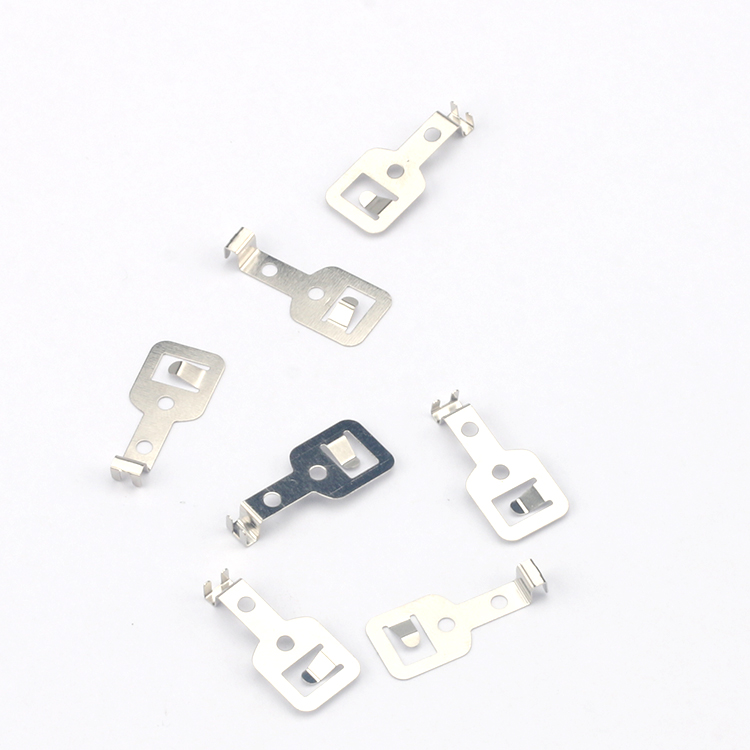
Introduction to High-Speed Stamping Presses
In the competitive world of metal stamping, efficiency and precision are paramount. High-speed stamping presses have revolutionized mass production by delivering rapid cycle times without sacrificing accuracy. These advanced machines are capable of producing thousands of parts per minute, making them indispensable for high-volume manufacturing. This guide explores the key benefits of high-speed stamping presses and how they can enhance your production line.
Unmatched Production Speed
The most obvious advantage of high-speed stamping presses is their incredible speed. Unlike conventional presses that operate at lower strokes per minute (SPM), high-speed models can achieve SPM rates exceeding 1,000. For example, a typical mechanical press might run at 100–200 SPM, while a high-speed press can reach 1,000–3,000 SPM. This dramatic increase translates to significantly higher output, reducing lead times and enabling manufacturers to meet tight deadlines.
Practical Tip: When selecting a press, consider the part complexity and material thickness. Thinner materials and simpler geometries can tolerate higher speeds, while thicker or complex parts may require slightly reduced speeds to maintain quality.
Exceptional Precision and Consistency
High-speed stamping presses are engineered for precision. Advances in servo-driven technology and rigid frame construction ensure that each stroke delivers consistent force and alignment. This results in parts with tight tolerances (±0.01 mm or better) and minimal variation across batches. For industries like electronics and automotive, where component fit is critical, this consistency reduces scrap and rework.
| Parameter | Conventional Press | High-Speed Press |
|---|---|---|
| SPM Range | 100–400 | 400–3,000 |
| Tolerance | ±0.05 mm | ±0.01 mm |
| Repeatability | ±0.02 mm | ±0.005 mm |
How Precision Is Maintained at High Speeds
Key features include dynamic balancing, precision guides, and advanced control systems. Servo-driven presses allow real-time adjustments to stroke position and force, compensating for material variations. Additionally, integrated sensors monitor tooling wear, enabling proactive maintenance to prevent drift.
Cost-Effectiveness in Mass Production
Despite higher initial investment, high-speed stamping presses offer excellent return on investment (ROI) through reduced per-part costs. The combination of faster cycle times and lower scrap rates directly lowers manufacturing costs. For example, a press running at 1,000 SPM can produce as many parts in one hour as a 200 SPM press produces in five hours, saving labor, energy, and overhead.
Reduced Tooling Wear
Unexpectedly, high-speed presses can actually extend tool life when properly operated. The consistent motion and reduced impact forces (due to optimal timing) minimize wear. Furthermore, modern lubrication systems ensure even distribution, preventing hot spots that cause premature tool failure.
Enhanced Automation and Integration
High-speed stamping presses are designed for seamless integration with automated feeding systems, coil handling equipment, and downstream assembly lines. Features like quick die change systems allow for rapid product changeovers, minimizing downtime. Many presses are compatible with Industry 4.0 standards, enabling real-time monitoring and data collection for predictive maintenance.
- Automated coil feeds: Reduce manual handling and ensure consistent material alignment.
- Die protection sensors: Detect misfeeds or jams in milliseconds, preventing costly damage.
- Robotic part removal: Enable unmanned operation for extended periods.
Applications in Diverse Industries
High-speed stamping is ideal for components that require high volume and tight tolerances. Common applications include:
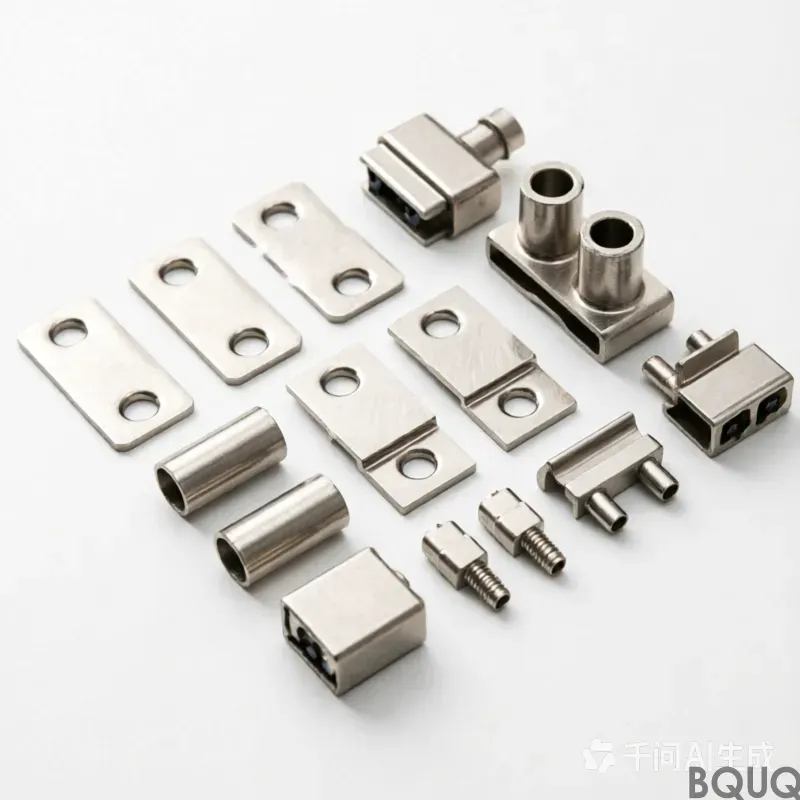
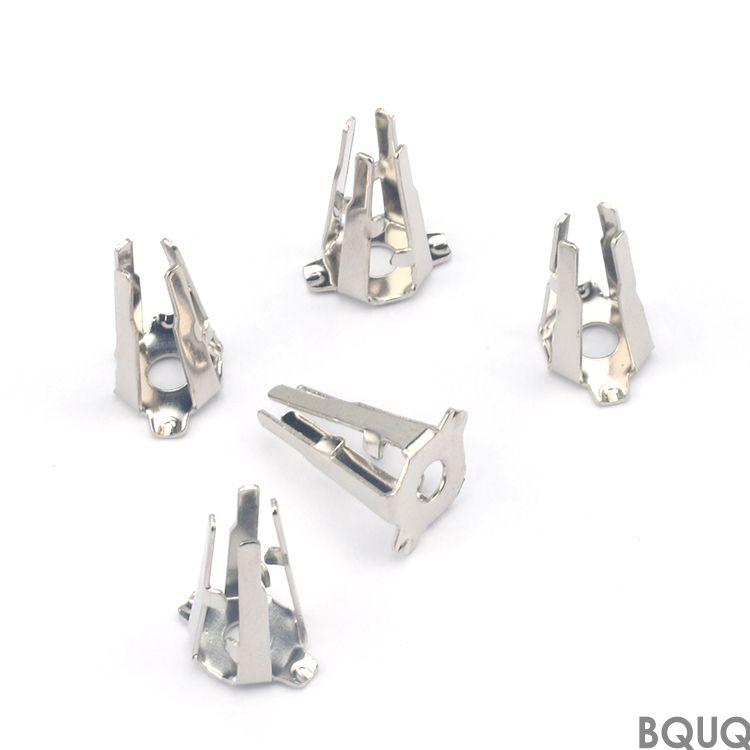
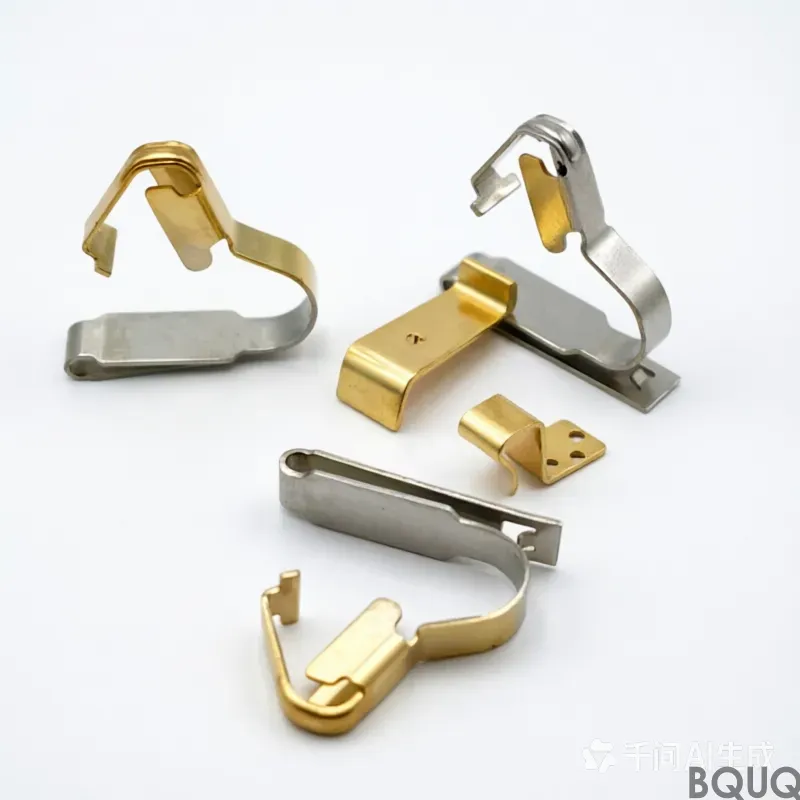
- Electronics: connectors, terminals, shields, and lead frames.
- Automotive: brackets, clips, small structural parts.
- Medical: surgical instruments, implant components.
- Consumer goods: battery contacts, springs, and fasteners.
Practical Tips for Implementing High-Speed Stamping
To maximize the benefits of a high-speed press, consider the following:
- Material Selection: Use materials with consistent thickness and properties. Soft or brittle materials may require reduced speeds.
- Tooling Design: Invest in high-quality, precision-ground tooling. Use carbide or coated materials to withstand high speeds.
- Maintenance Schedule: Follow rigorous maintenance routines, especially for slide bearings and lubrication systems. High speeds exacerbate wear if neglected.
- Operator Training: Ensure staff are trained on safety procedures and troubleshooting for high-speed machinery.
Conclusion
High-speed stamping presses offer a compelling mix of speed, precision, and cost-efficiency that is essential for mass production. By investing in this technology, manufacturers can significantly boost output while maintaining quality. Whether you are producing electronic connectors or automotive components, a high-speed press can give you a competitive edge. Evaluate your production needs and talk to industry experts to determine the best press configuration for your operation.
Frequently Asked Questions
What is the maximum speed of a high-speed stamping press compared to a conventional press?
High-speed stamping presses can achieve 1,000–3,000 strokes per minute (SPM), while conventional mechanical presses typically run at 100–200 SPM. This allows high-speed models to produce thousands of parts per minute, significantly reducing lead times for high-volume manufacturing.
What tolerances can high-speed stamping presses achieve?
High-speed presses maintain tight tolerances of ±0.01 mm or better, with repeatability of ±0.005 mm. In contrast, conventional presses offer ±0.05 mm tolerance and ±0.02 mm repeatability. This precision is critical for electronics and automotive components where fit is essential.
How do high-speed presses maintain precision at high speeds?
Precision is maintained through dynamic balancing, precision guides, and advanced servo-driven control systems. Servo technology allows real-time adjustments to stroke position and force, compensating for material variations. Integrated sensors monitor tooling wear, enabling proactive maintenance to prevent drift and ensure consistent output.
Are high-speed stamping presses cost-effective despite higher initial investment?
Yes, they offer excellent ROI through reduced per-part costs. Faster cycle times and lower scrap rates directly lower manufacturing costs. For instance, a press at 1,000 SPM can produce as many parts in one hour as a 200 SPM press produces in five hours, cutting labor and overhead expenses.