7 Benefits of CNC Machining Custom Steel Springs for Heavy Machinery
When it comes to heavy machinery, the reliability of every component is critical. Springs, in particular, must withstand extreme loads, fatigue, and harsh environments. CNC machining offers unparalleled precision and consistency for custom steel springs. Below, we explore seven key benefits of using CNC machining for custom steel springs in heavy machinery applications.
1. Superior Precision and Consistency
CNC machining eliminates the variability inherent in manual processes. Each custom steel spring is produced with exact tolerances, often within ±0.001 inches. This precision ensures that springs fit perfectly into assemblies and behave predictably under load. For heavy machinery, even minor deviations can lead to premature failure or safety hazards.
Consistency across production runs is another advantage. Whether you need 50 or 50,000 units, every spring will perform identically. This repeatability is impossible with manual methods and is crucial for large-scale equipment manufacturers who rely on uniform parts for reliable assembly and performance.
2. Enhanced Material Utilization
CNC machines can be programmed to optimize the cutting path, minimizing scrap and reducing material costs. For expensive alloy steels used in heavy machinery springs, this efficiency directly impacts your bottom line. The ability to nest multiple parts on a single bar or sheet further improves yield.
Moreover, CNC processes allow for the use of high-strength materials that are difficult to machine manually, such as 17-7 PH stainless steel or Inconel. These materials offer superior fatigue resistance and corrosion protection, extending the service life of springs in demanding environments like mining, construction, and agricultural equipment.
3. Complex Geometries Made Possible
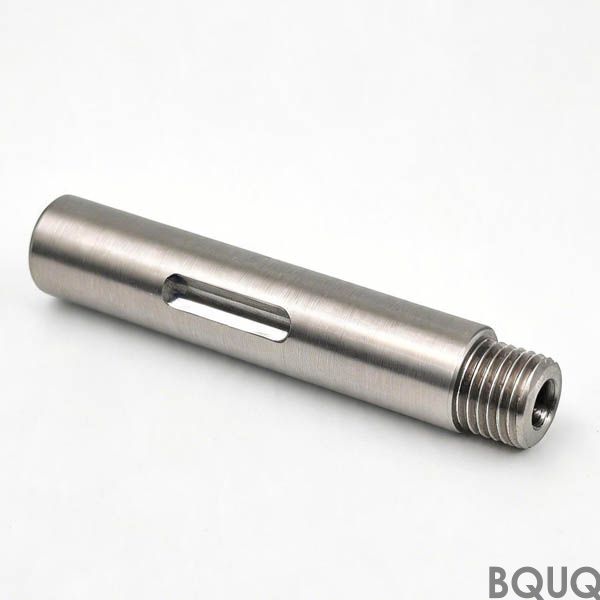
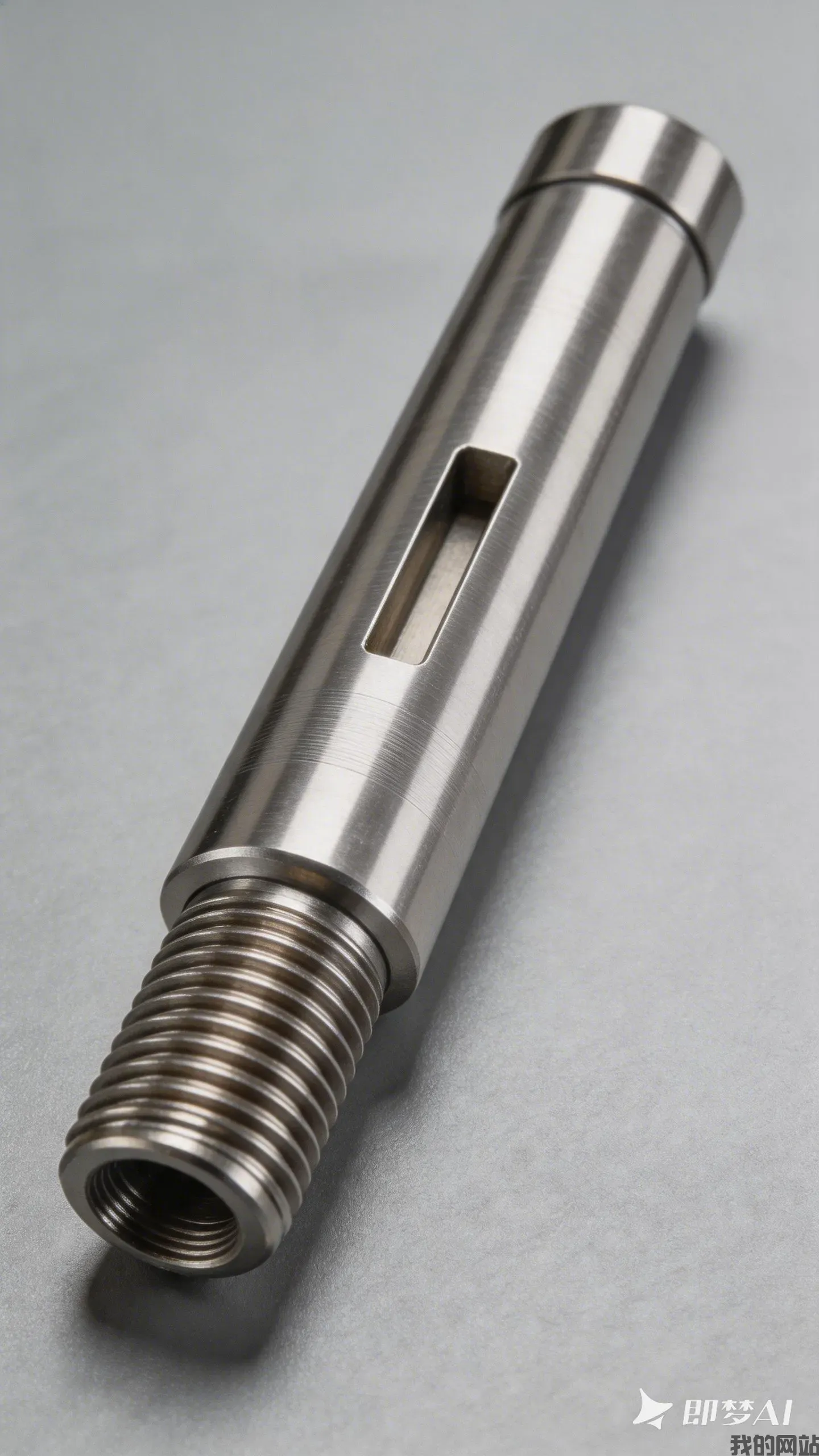
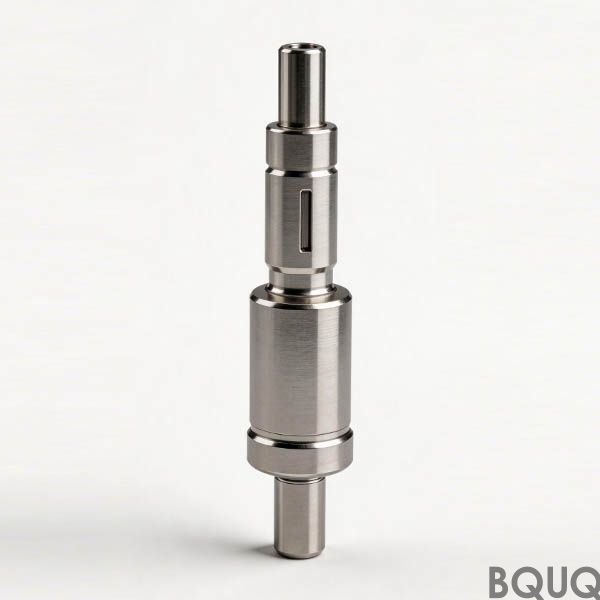
Heavy machinery often requires springs with non-standard shapes, variable coil spacing, or integrated attachment features. CNC lathes and milling machines can create intricate geometries that are impossible with traditional coiling methods. Examples include springs with offset loops, stepped diameters, or internal threads.
This design flexibility allows engineers to optimize spring performance for specific loading conditions. A custom spring with tailored stress distribution can reduce weight without sacrificing strength—a critical advantage in mobile equipment where every pound counts.
4. Tight Tolerances for Demanding Applications
In heavy machinery, springs must often operate within closely controlled deflection ranges. CNC machining achieves tolerances that meet ISO 2768-fine or even tighter standards. This precision ensures that spring rates are consistent, so equipment behaves predictably under variable loads.
For example, in hydraulic valve assemblies, a spring’s exact force at a given compression is vital for proper function. CNC-machined springs maintain this force within ±2% of specification, reducing the need for recalibration and improving overall system reliability.
5. Improved Surface Finish and Fatigue Life
The surface finish of a spring directly affects its fatigue life. Machined surfaces have a smooth, consistent texture that reduces stress concentrations. In contrast, hot-coiled or cold-formed springs often have surface imperfections that can initiate cracks under cyclic loading.
CNC machining can also incorporate secondary operations like polishing or coating application. For instance, after machining, springs can be shot-peened to induce compressive residual stresses on the surface, further enhancing fatigue resistance. This combination of smooth finish and post-processing extends service life even in high-cycle applications such as press brakes or vibratory feeders.
6. Fast Prototyping and Short Lead Times
When developing new heavy machinery, time-to-market is critical. CNC machining allows rapid prototyping of custom steel springs without the need for expensive tooling. Engineers can test multiple design iterations in days, not weeks. Once the design is finalized, production can scale quickly because the same CNC program runs on multiple machines.
Additionally, many CNC shops offer just-in-time manufacturing, reducing inventory carrying costs. For replacement parts or limited production runs, this agility is invaluable. You can order exactly what you need, when you need it, without minimum batch constraints.
7. End-to-End Quality Assurance
CNC machining is inherently repeatable, but rigorous quality control takes it a step further. Modern CNC centers integrate in-process measurement systems that verify dimensions in real time. Final inspections may include tensile testing, hardness checks, and metallurgical analysis to confirm material properties.
For heavy machinery applications, certification to standards like ASTM A125 or SAE J157 is often required. CNC machining facilities can provide full material traceability and compliance documentation, giving OEMs and maintenance teams confidence in the component’s integrity. This traceability is especially important in safety-critical systems such as crane brakes or mining hoists.
In conclusion, CNC machining custom steel springs offers measurable advantages in precision, material efficiency, design flexibility, and quality assurance. For heavy machinery manufacturers seeking to improve performance and reduce downtime, CNC-machined springs are a smart investment.
Frequently Asked Questions
What precision can I expect from CNC-machined custom steel springs for heavy machinery?
CNC machining achieves exact tolerances, often within ±0.001 inches, and can meet ISO 2768-fine standards or tighter. This ensures springs fit perfectly and behave predictably under load, with consistent spring rates for reliable performance in demanding applications.
Can CNC machining handle high-strength materials like Inconel or 17-7 PH stainless steel for springs?
Yes, CNC processes allow for the use of high-strength materials that are difficult to machine manually, such as 17-7 PH stainless steel or Inconel. These materials offer superior fatigue resistance and corrosion protection, extending spring service life in harsh environments like mining and construction.
What complex spring geometries can CNC machining produce that traditional methods cannot?
CNC lathes and milling machines can create intricate geometries impossible with traditional coiling, including offset loops, stepped diameters, internal threads, variable coil spacing, and integrated attachment features. This design flexibility optimizes stress distribution and reduces weight without sacrificing strength.
How does CNC machining ensure consistency across large production runs of springs?
CNC machining eliminates manual variability, ensuring every spring performs identically whether you need 50 or 50,000 units. This repeatability is crucial for large-scale equipment manufacturers requiring uniform parts for reliable assembly and predictable performance under variable loads.