CNC Precision Turned Parts for Medical Devices: Requirements Guide
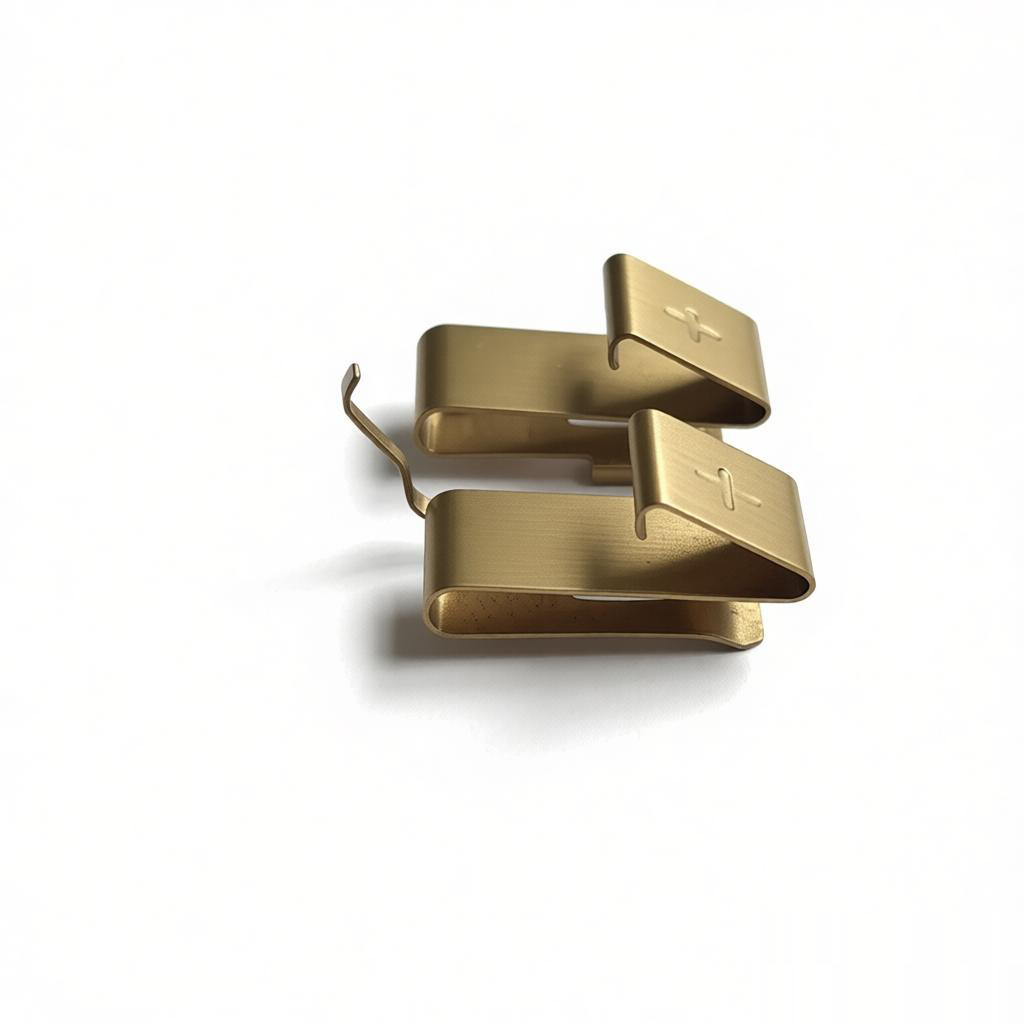
Introduction: The Critical Role of CNC Precision Turned Parts in Medical Devices
Medical devices demand the highest levels of precision, reliability, and biocompatibility. CNC precision turned parts are at the heart of many life-saving and diagnostic instruments, from surgical tools to implantable components. This guide explores the stringent requirements that manufacturers must meet to produce these critical parts. Whether you are a medical device engineer or a procurement specialist, understanding these standards is essential for ensuring patient safety and device performance.
Key Material Requirements for Medical CNC Turned Parts
The choice of material is paramount. Medical-grade metals must exhibit biocompatibility, corrosion resistance, and mechanical strength. Common materials include:
Stainless Steel (304, 316L): Excellent corrosion resistance and strength, ideal for surgical instruments and implants.
Titanium (Grade 5 Ti-6Al-4V): Lightweight, high strength, and biocompatible – perfect for orthopedic implants and dental components.
Cobalt-Chrome Alloys: Superior wear resistance and biocompatibility, used in joint replacements and dental restorations.
Nitinol: Shape memory alloy for stents and guidewires.
All materials must comply with ISO 10993 and ASTM standards, ensuring no toxic leachables or adverse reactions.
Precision Tolerances and Surface Finish Requirements
Medical devices often require tolerances as tight as ±0.001 inches (±0.025 mm). Surface finish is equally critical to reduce friction and prevent bacterial adhesion. Typical requirements include:
Ra (Roughness Average): 0.2 – 0.8 µm for implantable parts.
Edge break: 0.005 inches max to avoid tissue damage.
Burr-free: No sharp edges or metallic debris.
Advanced CNC lathes with live tooling and high-frequency spindles achieve these specifications. In-process inspection using optical comparators and CMMs ensures compliance.
Cleanliness and Sterilization Compatibility
Parts must be free of contaminants such as oils, coolants, and chips. Cleaning processes often involve ultrasonic baths in deionized water and medical-grade detergents. Additionally, parts must withstand sterilization methods without degradation:
| Sterilization Method | Temperature/Pressure | Material Compatibility |
|---|---|---|
| Autoclaving (Steam) | 121-134°C, 15-30 psi | Stainless steel, titanium, PEEK |
| Gamma Radiation | N/A | Many metals, some polymers may brittle |
| EtO (Ethylene Oxide) | 30-60°C, low vacuum | Sensitive to moisture; must be validated |
Manufacturers must provide validation documentation for cleaning and sterilization processes.
Documentation and Traceability
Medical device regulations (FDA 21 CFR Part 820, ISO 13485) require full traceability. Each batch must include:
Material certificates with melt number and composition
In-process and final inspection reports
Serialization or lot numbers for individual parts
Design history file (DHF) and device master record (DMR) updates
Digitized quality management systems (QMS) streamline this documentation, enabling rapid audits.
Common Challenges in CNC Turning for Medical Parts
1. Tool Wear and Surface Integrity
Hard materials like titanium accelerate tool wear. Using PCD or ceramic inserts, along with optimized coolant delivery, maintains surface integrity.
2. Micro-Burr Formation
Micro-burrs on internal diameters can cause assembly issues. Vibratory deburring or thermal energy methods remove them without damaging precision.
3. Thin-Walled Parts
Delicate components (e.g., hypotubes) require careful clamping and multiple passes to avoid deformation.
Quality Assurance and Testing Protocols
Rigorous testing ensures part functionality:
Dimensional inspection: Coordinate measuring machines (CMMs) with 0.5 µm accuracy.
Surface roughness measurement: Profilometers per ISO 4287.
Microstructure analysis: SEM/EDX for material integrity.
Functional testing: Torque, pull-out, and fatigue testing per device specifications.
Statistical process control (SPC) charts monitor trends, preventing deviations.
Selecting the Right CNC Precision Turned Parts Manufacturer
When choosing a partner, evaluate these criteria:
Certifications: ISO 13485, AS9100 (for aerospace medical), FDA registration.
Experience: Proven track record with similar medical components.
Technology: Swiss-type lathes, multi-axis machines, in-house cleaning and sterilization.
Communication: Clear DFM feedback and lead time adherence.
Requesting a pilot run before full-scale production can mitigate risks.
Conclusion: Partnering for Precision and Safety
CNC precision turned parts for medical devices require a holistic approach encompassing material science, metrology, cleanliness, and regulatory compliance. By understanding these requirements, medical device manufacturers can choose suppliers that deliver consistently high-quality components. As implantable and surgical technologies advance, collaboration between engineers and machinists will drive innovation. Contact us today to discuss your next medical device project.
Frequently Asked Questions
What tolerances can you achieve for medical CNC turned parts?
We achieve tolerances as tight as ±0.001 inches (±0.025 mm) for medical devices. Surface finish requirements range from Ra 0.2 to 0.8 µm for implantable parts, with edge breaks of 0.005 inches max and burr-free surfaces. Advanced CNC lathes with live tooling and in-process inspection using CMMs ensure these specifications are met.
Which materials do you recommend for implantable medical components?
For implantable components, we recommend Grade 5 Titanium (Ti-6Al-4V) for orthopedic and dental parts due to its biocompatibility and strength, or Cobalt-Chrome alloys for joint replacements requiring superior wear resistance. Stainless steel 316L suits surgical instruments. All materials comply with ISO 10993 and ASTM standards to prevent toxic leachables.
How do you ensure parts are clean and compatible with sterilization?
Parts undergo ultrasonic cleaning in deionized water with medical-grade detergents to remove oils, coolants, and chips. We verify compatibility with sterilization methods including autoclaving at 121-134°C and 15-30 psi, and gamma radiation. Stainless steel, titanium, and PEEK withstand these processes without degradation, ensuring patient safety.
What surface finish do you provide for implantable parts to prevent bacterial adhesion?
For implantable parts, we provide surface finishes with Ra (Roughness Average) between 0.2 and 0.8 µm. This smooth finish reduces friction and prevents bacterial adhesion. We also ensure burr-free edges with a maximum edge break of 0.005 inches to avoid tissue damage, verified through optical comparators and CMM inspection.