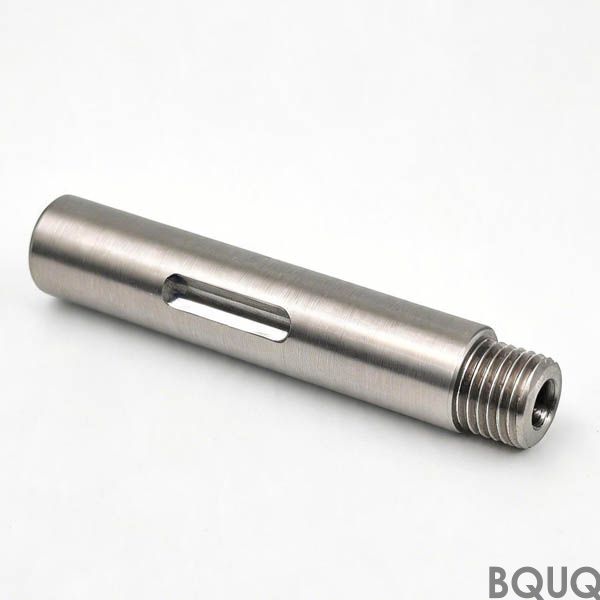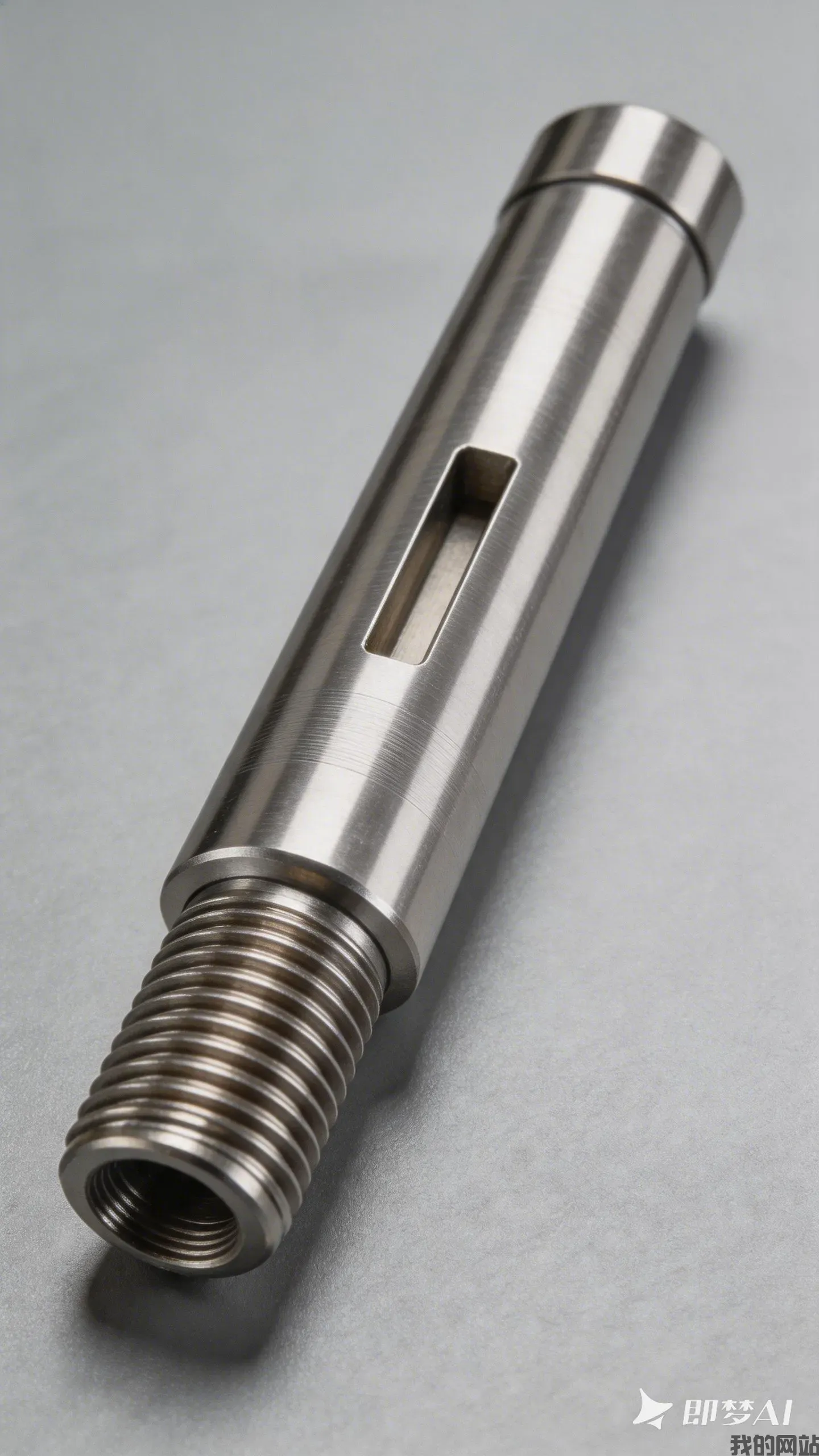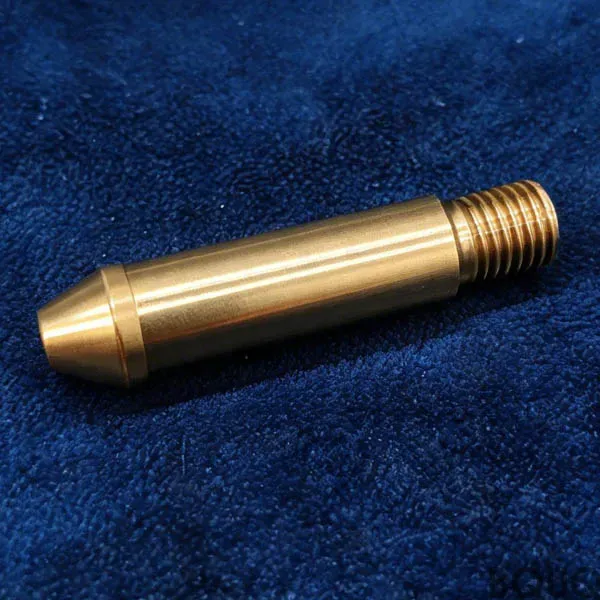
CNC Turned Parts for Consumer Electronics: Design Guide
CNC turned parts are essential components in consumer electronics, from smartphone connectors to camera lens barrels. This guide provides a comprehensive overview of designing CNC turned parts for consumer electronics, covering material selection, design for manufacturability, tolerances, surface finishes, cost optimization, prototyping, and quality control. By following these best practices, you can ensure high-precision, cost-effective parts that meet the demanding requirements of modern devices.
Material Selection for CNC Turned Parts in Consumer Electronics
Choosing the right material is critical for performance, durability, and cost. Common materials include aluminum, brass, stainless steel, and engineering plastics. Each has unique properties suited to different applications.
| Material | Key Properties | Typical Applications |
|---|---|---|
| Aluminum 6061 | Lightweight, good machinability, corrosion-resistant | Heat sinks, housings, brackets |
| Brass C360 | Excellent machinability, electrical conductivity, aesthetic appearance | Connectors, terminals, decorative parts |
| Stainless Steel 303 | High strength, corrosion resistance, good machinability | Fasteners, shafts, medical device components |
| POM (Delrin) | Low friction, high stiffness, good dimensional stability | Gears, bushings, insulators |
Practical Tips for Material Selection
Consider operating environment (temperature, humidity, exposure to chemicals).
Balance machinability with end-use requirements—easier-to-machine materials reduce cost.
For high-volume production, aluminum and brass are often cost-effective.
When weight is critical, aluminum or magnesium alloys are preferred.
Design for Manufacturability (DFM) Principles
DFM ensures that parts are easy and cost-effective to produce on CNC lathes. Key principles include:
Avoid sharp internal corners: Use radii to reduce stress concentrations and tool wear.
Minimize deep holes: Deep holes require specialized tooling and increase cycle time. Limit depth-to-diameter ratio to 4:1 when possible.
Uniform wall thickness: Variations cause warping and dimensional inconsistencies.
Simplify features: Every additional feature (grooves, threads, flats) adds machining steps. Only include what is necessary.
Design for standard tool sizes: Use common drill bit diameters and thread pitches to avoid custom tooling.
Tolerances and Precision Requirements
Consumer electronics often require tight tolerances (e.g., ±0.01 mm) for proper assembly and function. However, tighter tolerances increase cost. Specify only critical dimensions with tight tolerances and leave others with standard tolerances (e.g., ±0.1 mm). Common tolerance classes per ISO 2768 (fine, medium, coarse) can be applied. For example, a shaft diameter that mates with a bearing might need a tolerance of ±0.005 mm, while a non-functional outer diameter can be ±0.1 mm.
Practical Tips for Tolerancing
Indicate critical features with explicit tolerance values on the drawing.
Use geometric dimensioning and tolerancing (GD&T) for functional requirements like concentricity and parallelism.
Consult with your CNC manufacturer early to establish achievable tolerances for your design.
Surface Finishes and Plating Options
The surface finish affects aesthetics, corrosion resistance, and wear. Common options for consumer electronics include:
As-machined: Cost-effective, suitable for internal parts.
Anodizing (Type II or III): Hard, corrosion-resistant coating for aluminum; available in various colors.
Electroless nickel plating: Uniform coating, excellent wear and corrosion resistance, commonly used on brass and steel.
Zinc plating: Low-cost corrosion protection for steel parts.
Passivation: For stainless steel, removes free iron to enhance corrosion resistance.
Finish selection should consider mating surfaces and electrical conductivity. For example, anodizing is non-conductive, so it is not suitable for grounding contacts.
Cost Optimization Strategies
To reduce manufacturing costs without sacrificing quality:
Minimize complexity: Reduce the number of features, especially those requiring secondary operations (e.g., cross drilling, milling).
Optimize batch size: Larger batches lower per-part cost due to setup amortization.
Use standard stock sizes: Design parts to fit standard bar stock diameters to reduce material waste.
Reduce material waste: Consider near-net shape designs to minimize turning operations.
Combine parts: If multiple components can be machined as one piece, assembly cost and tolerance stack-up are reduced.
Prototyping and Production Scale-Up
Prototyping is essential to validate design and fit. Use rapid prototyping methods (e.g., 3D printing or low-volume CNC) initially, then iterate. For production scale-up, ensure that the design is optimized for high-speed machining. Consider the following:
Use prototype feedback to adjust tolerances and features.
Plan for tooling: Specialized fixtures and custom tooling can improve consistency at scale.
Work with a manufacturer that offers both prototyping and production to streamline the transition.
Quality Control and Inspection
Precision parts require rigorous inspection. Common methods include:
Coordinate Measuring Machine (CMM): For 3D dimensional verification.
Optical Comparators: For thread forms and complex profiles.
Surface Roughness Testers: To ensure finish meets specifications.
Statistical Process Control (SPC): Monitor production in real-time for deviations.
Request a Certificate of Conformance (CoC) or full inspection report for critical parts.
Conclusion: Partnering with a Reliable CNC Manufacturer
Designing CNC turned parts for consumer electronics requires a balance of functionality, manufacturability, and cost. By applying the principles in this guide and collaborating closely with an experienced CNC machining partner like ours (specializing in metal stamping, CNC lathe parts, heat sinks, springs, and more), you can bring high-quality products to market efficiently. Contact us today to discuss your project and get a free design review.
Frequently Asked Questions
What materials are commonly used for CNC turned parts in consumer electronics?
Common materials include Aluminum 6061, Brass C360, Stainless Steel 303, and POM (Delrin). Aluminum is lightweight and corrosion-resistant, brass offers excellent machinability and conductivity, stainless steel provides high strength, and POM has low friction and high stiffness.
What are the key design for manufacturability (DFM) principles for CNC turned parts?
Key DFM principles include avoiding sharp internal corners, minimizing deep holes with a depth-to-diameter ratio of 4:1 or less, maintaining uniform wall thickness, simplifying features to reduce machining steps, and designing for standard tool sizes to avoid custom tooling.
What tolerance is typically required for consumer electronics CNC turned parts?
Consumer electronics often require tight tolerances, such as ±0.01 mm, for proper assembly and function. However, specifying tighter tolerances increases cost, so only critical dimensions should have tight tolerances.
How can I reduce the cost of CNC turned parts for consumer electronics?
To reduce cost, choose easily machinable materials like aluminum or brass for high-volume production, simplify part features, avoid deep holes, and specify tolerances only where critical. Following DFM principles helps minimize cycle time and tooling costs.