CNC Turned Parts for Robotics: Key Considerations Guide
Introduction to CNC Turned Parts in Robotics
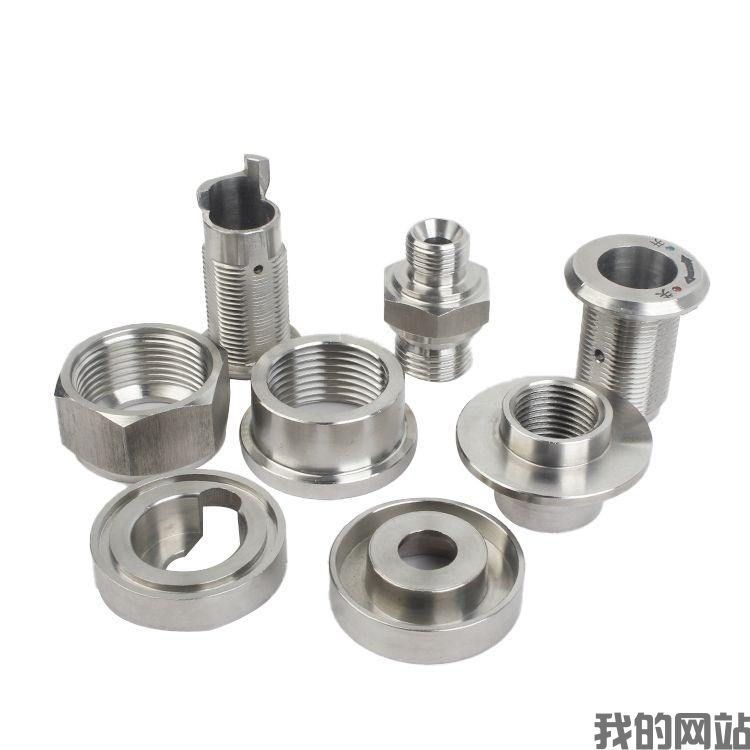
Robotics relies on precision components that can withstand repeated stress and high loads. CNC turned parts—manufactured via computer numerical control lathes—offer the tight tolerances and surface finishes required for robotic joints, actuators, sensors, and structural frames. This guide explores the critical factors engineers and procurement specialists must consider when specifying CNC turned parts for robotic applications.
Material Selection for Robotic Components
Strength-to-Weight Ratio
Robots must move quickly and efficiently, so lightweight materials like aluminum 6061 or 7075 are popular for arms and linkages. For high-stress components such as gear shafts or bearing housings, steel alloys (e.g., 4140, 12L14) provide durability. Stainless steel (303, 304) is chosen for corrosion resistance in medical or food-service robots.
Wear Resistance
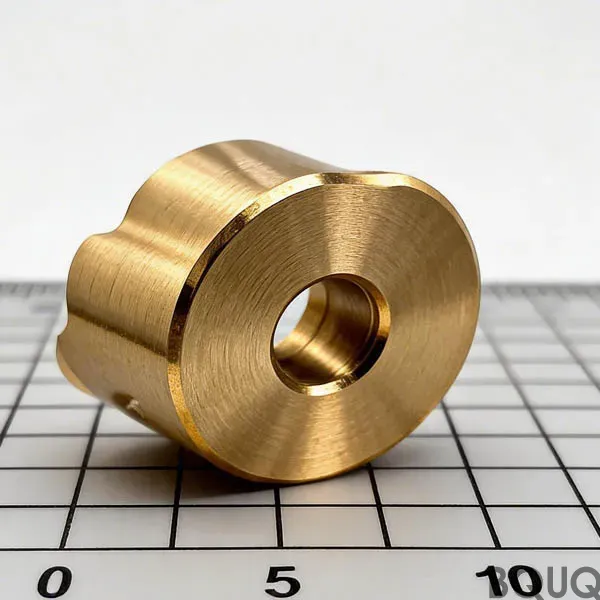
Frequent articulation requires materials with good tribological properties. Brass and bronze are sometimes used for bushings, while hardened steels (through case hardening or nitriding) extend the life of precision pins and spindles.
Thermal Stability
CNC turned parts in high-speed robots generate heat. Invar or low-thermal-expansion alloys may be needed for critical dimensions that must stay stable across temperature changes.
Tolerances and Precision Requirements
Typical Tolerances for Robotic Parts
Most robotic joints demand tolerances of ±0.01 mm or tighter. CNC lathes can achieve ±0.005 mm with careful tooling and compensation. It's essential to specify GD&T (geometric dimensioning and tolerancing) for features like concentricity, roundness, and perpendicularity.
Surface Finish
Smooth surfaces (Ra 0.4–0.8 μm) reduce friction on sliding parts. For sealing surfaces or high-speed spindles, Ra 0.2 μm or better may be required. Polishing or fine turning passes can achieve these finishes.
Design for Manufacturability (DFM) for CNC Turning
Reducing Complexity
Robotic parts often have complex features that can be simplified for turning. Avoid deep internal cavities, sharp internal corners, and undercuts unless absolutely necessary. Use standard tool sizes and radii to minimize custom tooling costs.
Minimizing Setup Changes
Design parts to be completed in one turning operation if possible. Incorporate features like flats or slots that can be done on the same machine with a live tool (C-axis milling). This reduces cycle time and improves accuracy.
Heat Treatment and Surface Coatings
Many CNC turned parts for robotics require hardness above HRC 40 for wear resistance. Heat treatment (annealing, quenching, tempering) should be specified on the drawing. Additionally, coatings like black oxide, electroless nickel, or hard chrome anodizing can improve corrosion resistance and reduce friction.
Testing and Quality Assurance
Inspection Methods
First article inspection (FAI) using CMM or optical comparators ensures the part meets tolerance stack-ups. For high-volume production, statistical process control (SPC) monitors key dimensions. Robotic parts may require 100% inspection of critical features like bore diameters or thread positions.
Material Certifications
For aerospace or medical robots, traceability is mandatory. Request mill test reports and ensure compliance with standards like ASTM, AMS, or ISO.
Cost Optimization Strategies
| Factor | Impact on Cost | Tips to Reduce Cost |
|---|---|---|
| Material | Up to 40% of total cost | Use standard bar stock sizes; avoid exotics unless necessary. |
| Tolerance | Tighter tolerance = higher cost | Use generous tolerances on non-critical surfaces. |
| Quantity | Setup amortization | Order batch sizes of 500+ to lower per-unit cost. |
| Secondary Operations | Threading, knurling, cross-drilling | Combine operations with live tooling to avoid second setups. |
Case Study: CNC Turned Shaft for a Collaborative Robot Arm
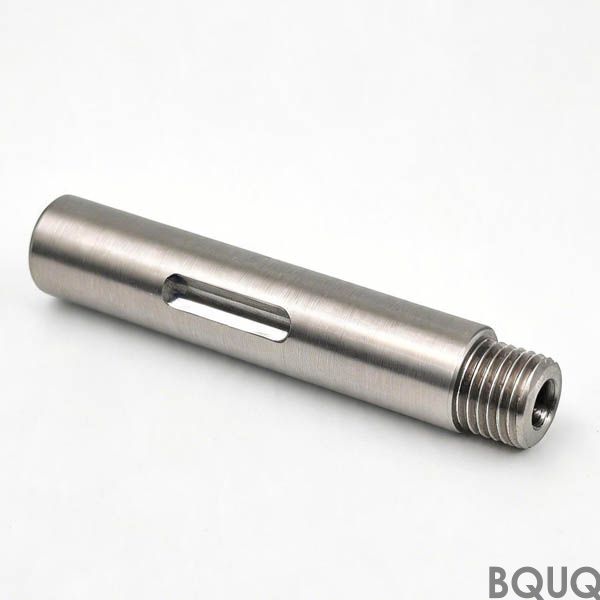
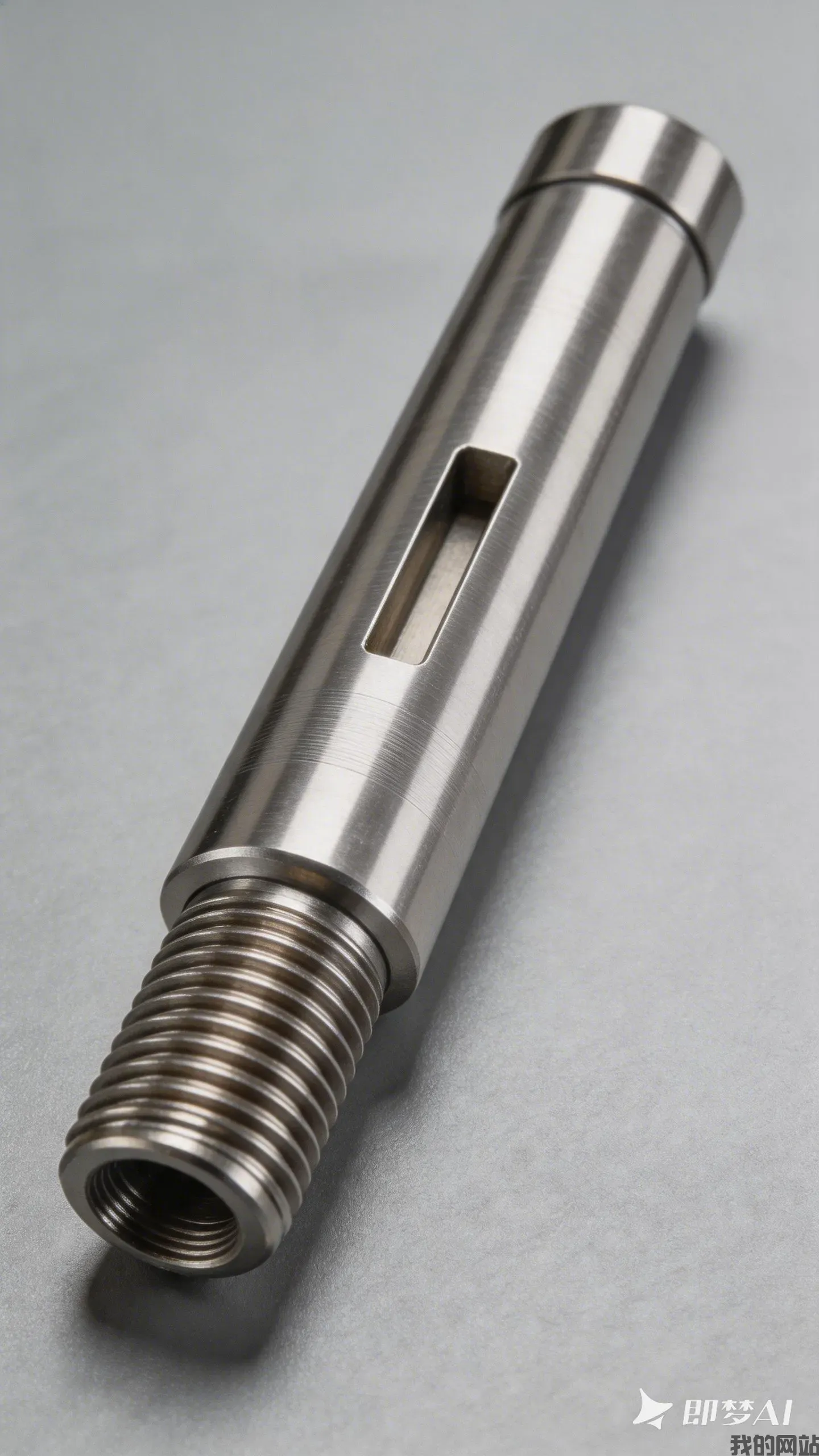
A leading cobot manufacturer needed a shoulder joint shaft with a diameter of 25 mm ±0.005 mm, a 6 mm cross-hole, and a knurled gripping surface. By selecting 17-4 PH stainless steel (precipitation hardened) and using a multi-axis CNC Swiss-type lathe, we achieved all features in one operation, reducing cycle time by 30%. The shaft passed 10 million fatigue cycles without failure.
Selecting the Right CNC Machining Partner
Look for a supplier with experience in robotics, in-house heat treatment, and advanced inspection capabilities. Certifications like ISO 9001 or AS9100 are indicators of quality. Request samples and visit the facility if possible.
Conclusion
CNC turned parts are the backbone of modern robotics. By carefully considering materials, tolerances, design for manufacturability, and quality assurance, you can ensure reliable performance and long service life. Partner with a trusted manufacturer that understands the unique demands of the robotics industry.
Frequently Asked Questions
What tolerances can CNC turned parts achieve for robotic joints?
Most robotic joints demand tolerances of ±0.01 mm or tighter. CNC lathes can achieve ±0.005 mm with careful tooling and compensation. It's essential to specify GD&T for features like concentricity, roundness, and perpendicularity.
Which materials are recommended for lightweight robotic arms?
Lightweight materials like aluminum 6061 or 7075 are popular for arms and linkages to ensure quick, efficient movement. For high-stress components such as gear shafts or bearing housings, steel alloys like 4140 or 12L14 provide durability, while stainless steel 303 or 304 is chosen for corrosion resistance.
What surface finish is required for sliding or sealing parts in robotics?
Smooth surfaces with Ra 0.4–0.8 μm reduce friction on sliding parts. For sealing surfaces or high-speed spindles, Ra 0.2 μm or better may be required, achievable through polishing or fine turning passes.
How can I reduce costs when designing CNC turned parts for robots?
Simplify complex features by avoiding deep internal cavities, sharp internal corners, and undercuts unless necessary. Use standard tool sizes and radii to minimize custom tooling costs, and design parts to be completed in one turning operation using live tools for features like flats or slots, reducing cycle time and improving accuracy.