CNC vs Swiss Machining for Small Parts: Which Is Better?
Introduction
When it comes to manufacturing small, precise metal parts, two machining processes often dominate the conversation: CNC machining and Swiss machining. Both are capable of producing high-quality components, but they differ in approach, efficiency, and cost. Understanding these differences is crucial for selecting the right method for your project. In this article, we compare CNC and Swiss machining for small parts, examining their features, advantages, and limitations, and provide a clear recommendation to help you make an informed decision.
What Is CNC Machining?
CNC (Computer Numerical Control) machining is a subtractive manufacturing process where pre-programmed computer software dictates the movement of tools and machinery. It can be used with various machines, including mills, lathes, and routers. For small parts, CNC milling and turning are common. The workpiece is held in a chuck or vise, and cutting tools remove material to create the desired shape. CNC machining is versatile and suitable for a wide range of geometries and materials.
What Is Swiss Machining?
Swiss machining, also known as Swiss-style turning, is a specialized form of CNC turning. It was originally developed for watchmaking and excels at producing long, slender, and intricate small parts. In Swiss machining, the bar stock is fed through a guide bushing, and the cutting tools work close to the bushing, providing excellent support and precision. This allows for tight tolerances and complex features in a single operation.
Comparison Table: CNC vs Swiss Machining for Small Parts
| Feature | CNC Machining | Swiss Machining |
|---|---|---|
| Part Geometry | Versatile; handles complex shapes, but less ideal for very long, slender parts. | Best for long, slender, and intricate parts with multiple diameters and features. |
| Tolerances | Typical tolerances ±0.005" (0.13mm); can achieve tighter with additional operations. | Inherently tight; typical tolerances ±0.001" (0.025mm) or better. |
| Speed (Cycle Time) | Faster for simple parts; multiple setups may be needed for complex geometries. | Slower per revolution, but often completes complex parts in one pass, reducing overall time. |
| Setup & Changeover | Relatively quick for simple jobs; complex parts may require multiple setups. | More complex setup due to guide bushing and tool synchronization; better for high-volume runs. |
| Cost per Part (Low Volume) | Lower due to simpler tooling and faster setup. | Higher due to specialized machines and setup time. |
| Cost per Part (High Volume) | Becomes competitive but may have more waste from multiple setups. | Lower per part due to efficiency and minimal secondary operations. |
| Secondary Operations | Often required (e.g., deburring, milling, drilling) adding time and cost. | Many features completed in one operation; minimal secondary work. |
| Material Utilization | Moderate; some waste from setup and clamping. | High; bar feeding minimizes waste, and guide bushing reduces scrap. |
| Machine Cost | Lower initial investment; standard CNC mills/lathes are widely available. | Higher investment; Swiss machines are specialized and more expensive. |
| Skill Requirement | Standard programming and operation skills. | Specialized programming for synchronized tool movements; higher skill required. |
Detailed Analysis
Precision and Tolerances
For small parts requiring extremely tight tolerances (e.g., ±0.001" or less), Swiss machining has a distinct advantage. The guide bushing supports the workpiece near the cutting area, reducing deflection and vibration. CNC machining can achieve tight tolerances but may require more careful setup and multiple passes, increasing cycle time.
Complexity and Geometry
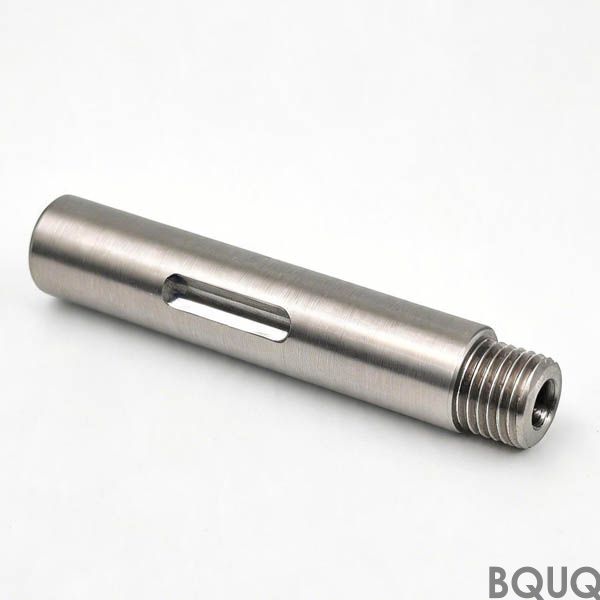
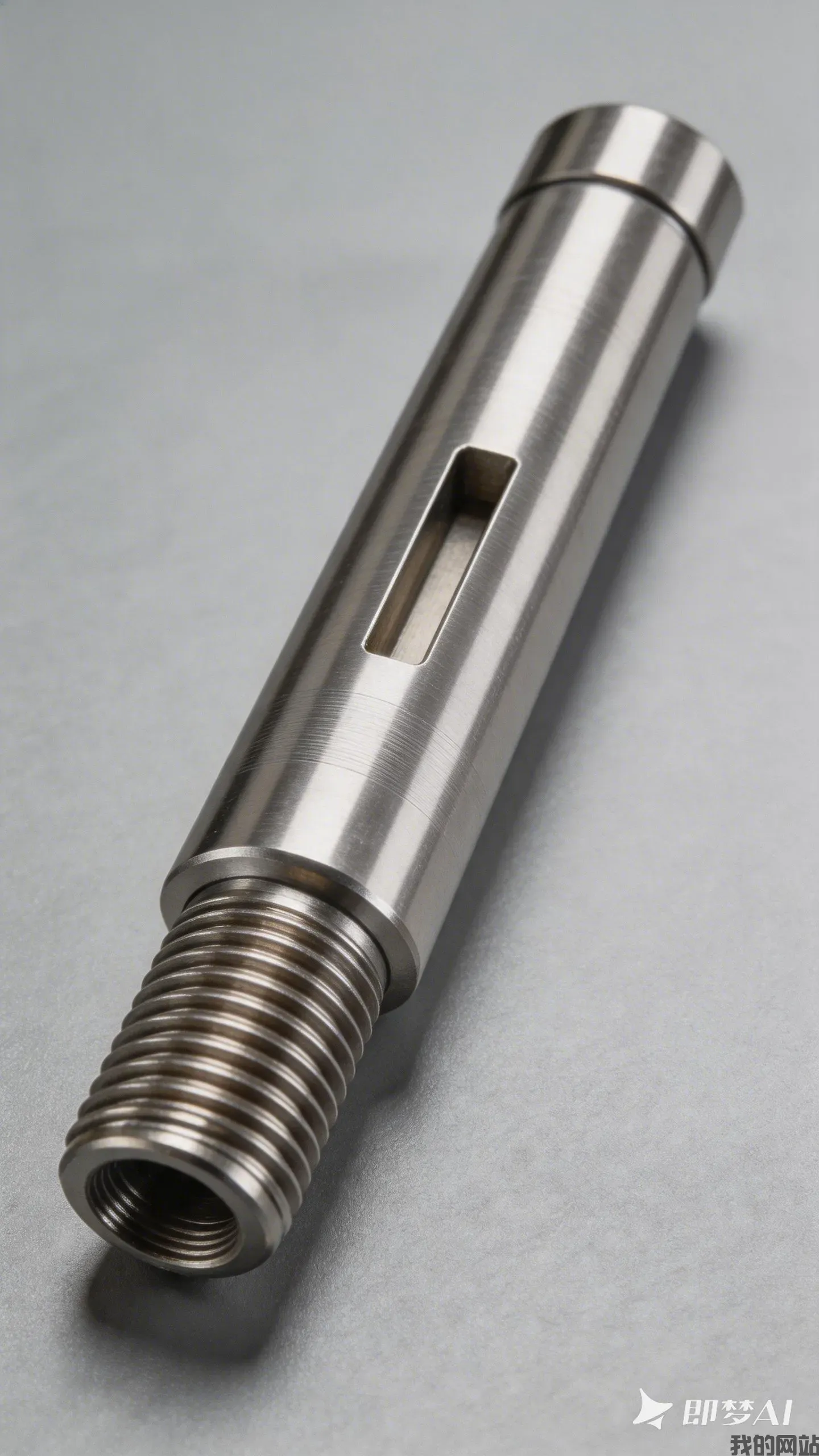
Swiss machining excels at producing long, slender parts with multiple diameters, threads, and cross-drilled holes in a single operation. CNC machining is more flexible for parts with non-rotational features (like flats or slots) but may need secondary operations for such features. If your small part is essentially a shaft with various features, Swiss is often better. For boxy or irregular shapes, CNC is preferred.
Production Volume
For low-volume production (e.g., prototypes or small batches), CNC machining generally offers lower cost per part due to simpler tooling and faster setup. For high-volume production, Swiss machining becomes more cost-effective because it can produce complex parts in one cycle, reducing labor and handling. The breakeven point typically occurs at a few thousand parts, but varies.
Material Considerations
Both processes work with metals like aluminum, steel, brass, and titanium. Swiss machining is particularly good with free-machining materials and long, thin parts that would deflect in a standard CNC lathe. For very hard or abrasive materials, Swiss machines may have tool wear issues due to the continuous cutting action near the bushing.
Which Is Better? A Recommendation
The choice between CNC and Swiss machining depends on your part's geometry, tolerance requirements, volume, and budget. Here are our recommendations:
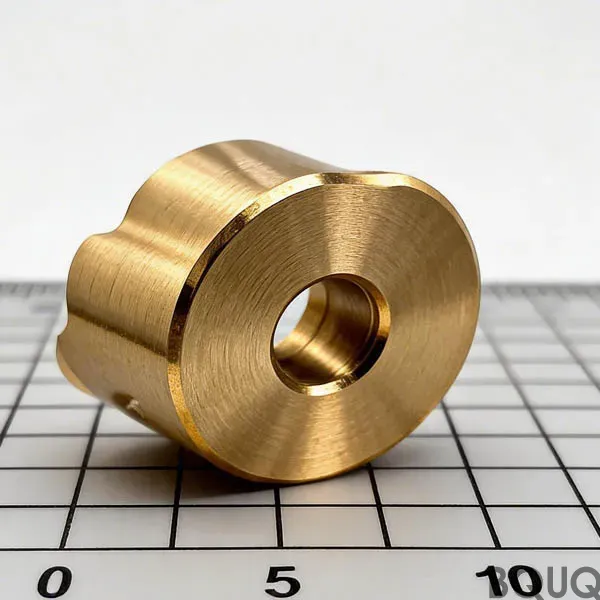
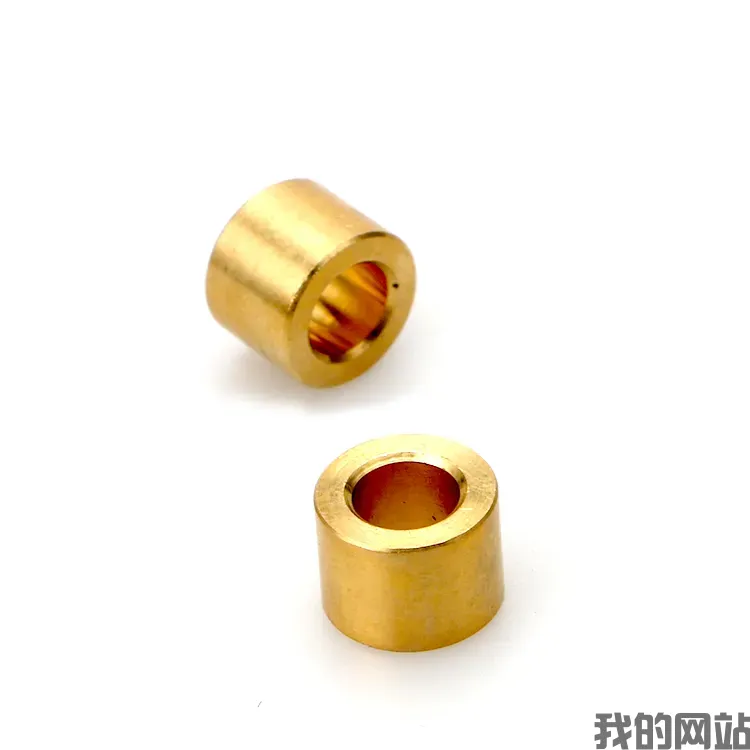
Choose CNC machining if: Your parts are relatively short (length-to-diameter ratio less than 4:1), have complex non-rotational features, or you need low-volume production with quick turnaround. CNC is also better for parts requiring multiple setups or where machine availability is a concern.
Choose Swiss machining if: Your parts are long and slender (length-to-diameter ratio > 4:1), require very tight tolerances (below ±0.003"), or have intricate features like cross holes, slots, and threads that can be completed in one operation. Swiss is ideal for high-volume production where efficiency matters.
For many small parts, Swiss machining offers superior precision and efficiency, but it comes at a higher initial cost. If your project involves thousands of identical parts with demanding specifications, Swiss is likely the better investment. For prototypes or small quantities, CNC provides flexibility and lower upfront expenses.
Conclusion
Both CNC and Swiss machining are powerful methods for producing small metal parts. The right choice hinges on your specific requirements. By evaluating part geometry, tolerance needs, volume, and cost constraints, you can select the process that delivers the best balance of quality and value. At our company, we specialize in both technologies and can guide you to the optimal solution. Contact us today for a quote or consultation.
Frequently Asked Questions
What are the typical tolerances for CNC machining and Swiss machining of small parts?
CNC machining typically holds tolerances of ±0.005" (0.13mm), and can achieve tighter with additional operations. Swiss machining offers inherently tighter tolerances, typically ±0.001" (0.025mm) or better, making it more precise for small parts.
Which machining process is better for long, slender parts?
Swiss machining is best for long, slender, and intricate parts with multiple diameters and features, as it uses a guide bushing for support. CNC machining is versatile for complex shapes but is less ideal for very long, slender parts.
How do CNC and Swiss machining compare in cost for low-volume and high-volume production?
For low volume, CNC machining has lower cost per part due to simpler tooling and faster setup. For high volume, Swiss machining has lower cost per part due to efficiency and minimal secondary operations, while CNC becomes competitive but may have more waste from multiple setups.
What is the main difference in setup complexity between CNC and Swiss machining?
CNC machining has relatively quick setup for simple jobs, but complex parts may require multiple setups. Swiss machining has more complex setup due to the guide bushing and tool synchronization, but it is better for high-volume runs and often completes complex parts in one pass.