CNC Precision Lathe Parts Cost Per Unit Breakdown
1. Material Costs: The Foundation of Pricing
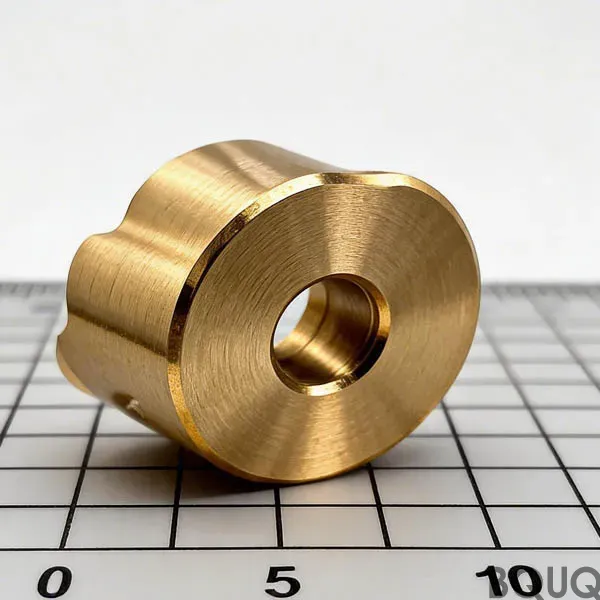
The material chosen for CNC precision lathe parts is often the single largest cost component. Common materials include aluminum (6061, 7075), steel (1018, 4140), stainless steel (303, 304), brass, and various plastics. Each material has a different raw stock price per pound or per foot, and the cost is multiplied by the scrap rate—the percentage of material removed during machining. For example, aluminum is relatively inexpensive and easy to machine, while titanium or Inconel can be 10-20x more costly and slow down machining speeds. When requesting a quote, always specify the exact material grade and any certifications (e.g., aerospace or medical) that may add surcharges.
Additionally, the form of the raw material affects price. Bar stock, tubing, or custom extrusions have different costs. Minimum order quantities from suppliers can also impact unit price for small runs. A good rule: material typically accounts for 15-30% of the total part cost, but for high-value alloys it can exceed 50%.
2. Machining Time: How Complexity Drives Cost
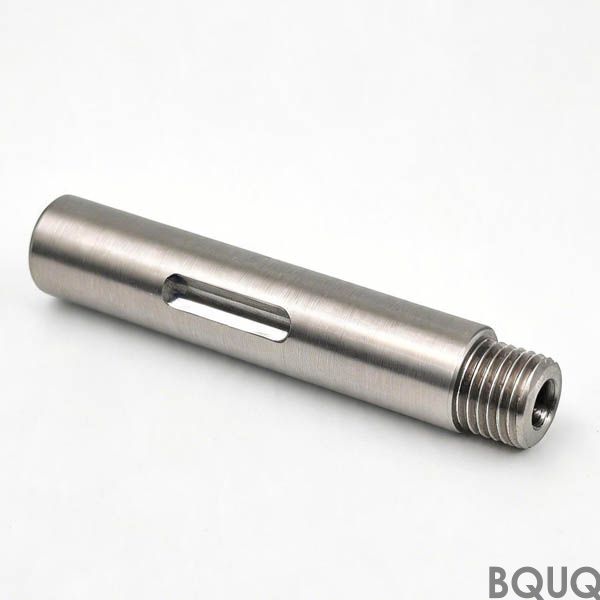
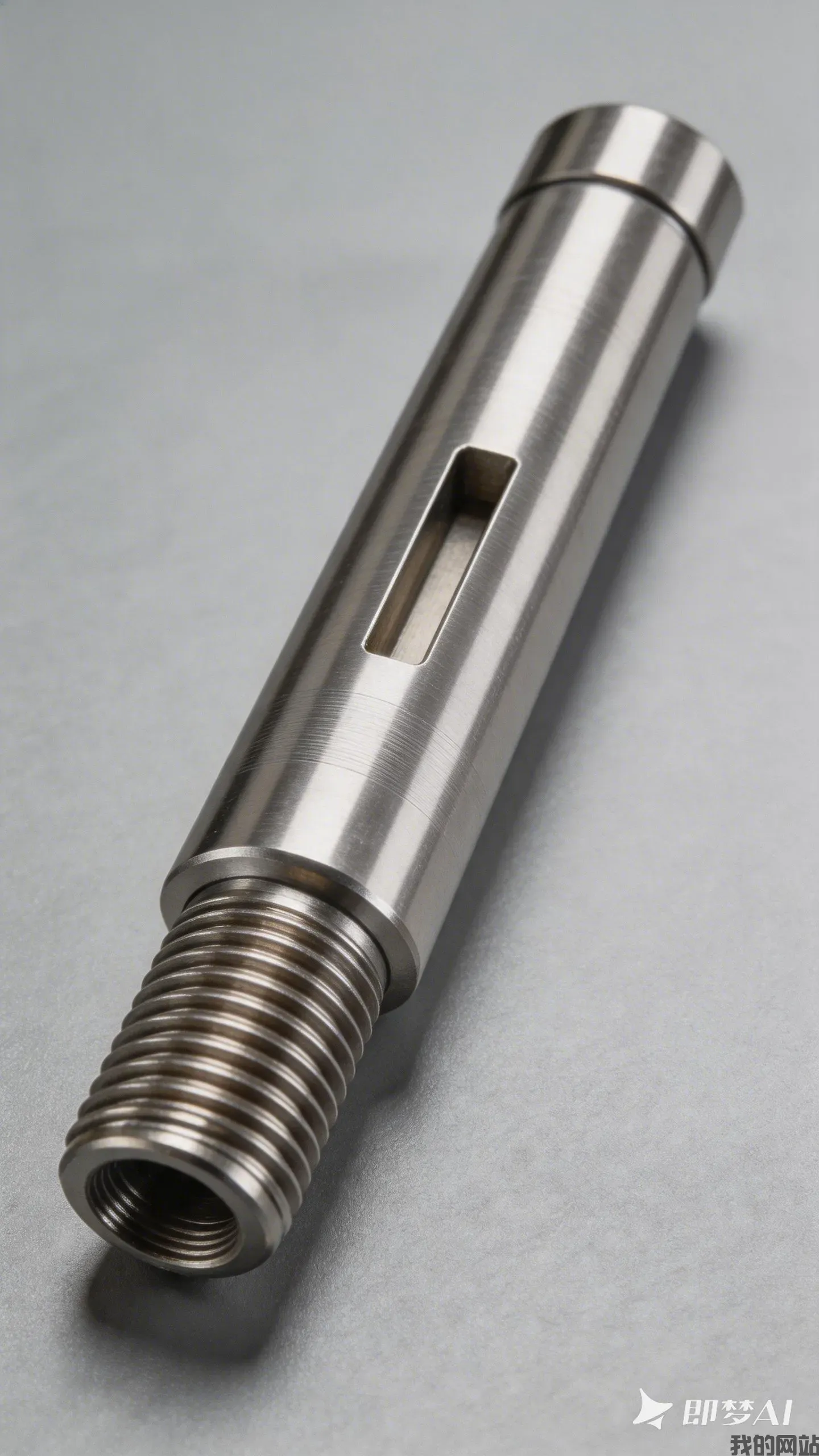
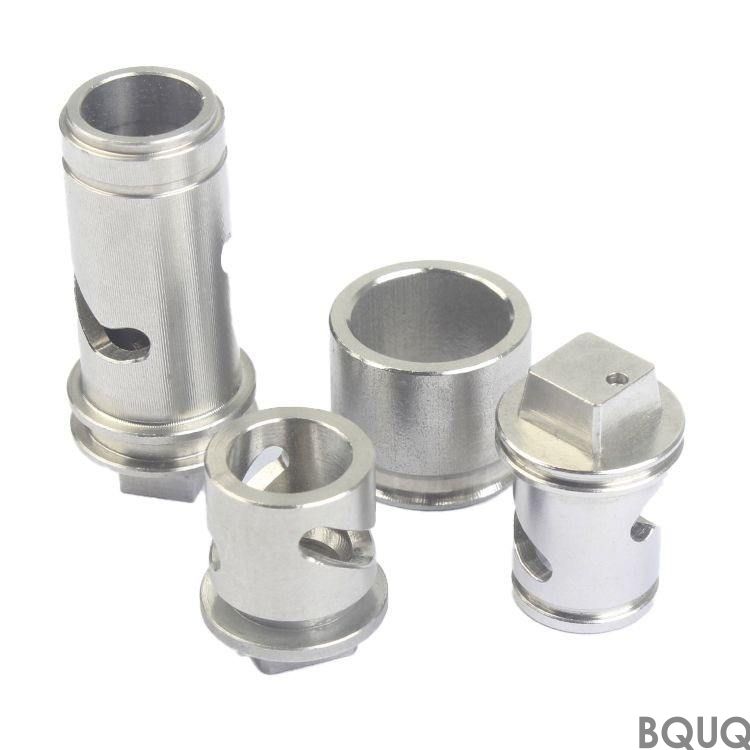
Machining time is the hours the CNC lathe spends cutting the part. This is calculated by dividing the total number of operations by the feed rate and spindle speed. Complex parts with multiple features (threads, grooves, tapers, cross-drilled holes) require more tool changes and slower speeds, increasing cycle time. A simple bushing might take 2 minutes, whereas a multi-diameter shaft with tight tolerances could take 20 minutes or more. Shops typically charge an hourly machine rate ($50–$150 per hour) based on machine type, capability, and overhead. The faster the cycle, the lower the per-unit cost.
To minimize machining time, designers can use standard tolerances, avoid unnecessary secondary operations, and specify radii that match standard tool sizes. Working with your CNC shop early in the design phase can identify cost-saving opportunities without sacrificing function.
3. Tooling and Setup Fees: One-Time vs. Recurring
Every new part requires setup time to program the CNC lathe, select tools, and verify first-piece quality. Setup fees can range from $50 to $500+ depending on complexity. Additionally, specialized tooling like custom form tools, boring bars, or thread mills may be needed. These non-recurring engineering (NRE) costs are quoted upfront and amortized over the order quantity. For small runs (e.g., 10 parts), the tooling cost per part is high; for large runs (e.g., 1000 parts), it becomes negligible.
Some shops offer reduced or free setup if you commit to a production volume. Also, using standard tooling (e.g., common drill sizes) can lower NRE. Always ask for a breakdown of setup vs. recurring costs in your quote.
4. Tolerance and Quality Standards: Precision Pays
Tighter tolerances require slower machining, more frequent inspections, and sometimes multiple passes. A standard tolerance of ±0.005 inches is cheap and easy. Moving to ±0.001 inches might double the machining time. Ultra-precise tolerances of ±0.0002 inches may require specialized machines, temperature-controlled environments, and CMM inspection, significantly raising per-unit cost. Similarly, quality standards like ISO 9001, AS9100, or medical certifications add overhead for documentation and traceability.
When specifying tolerances, only tighten what is functionally necessary. Over-specifying can increase cost by 50-200% without adding value. Use geometric dimensioning and tolerancing (GD&T) to define critical features precisely, and leave generous tolerances on non-critical surfaces.
5. Quantity and Volume Discounts: Economy of Scale
CNC lathe parts have a high fixed cost (setup, programming) and a lower variable cost per part. Therefore, the unit price drops as quantity increases. Typical breakpoints: 1-10, 10-50, 50-200, 200-1000, 1000+. For example, a part that costs $50 each at quantity 10 might be $10 each at 500. This is due to amortized setup, more efficient tool paths, and volume material discounts. However, after a certain point, marginal savings diminish due to tool wear and handling.
To optimize, estimate your annual usage and order in larger batches. Some shops offer tiered pricing, so ask for quotes at multiple quantities. If cash flow is an issue, consider a blanket order with scheduled releases to lock in lower per-unit pricing.
6. Post-Processing and Finishing: Adding Value
Many CNC parts require secondary operations: deburring, heat treating, plating, anodizing, painting, or assembly. These add cost and lead time. For example, black oxide coating adds $0.10-0.50 per part, while hard anodizing can be $1-5 each. Secondary ops are often quoted separately or as part of a turnkey price. If a finish is only cosmetic, consider leaving it as-machined to save money.
Additionally, packaging and shipping can affect unit cost, especially for heavy or fragile parts. Standard packaging (cardboard boxes) is cheap, but custom foam or ESD bags add expense. When comparing quotes, ensure you are comparing apples-to-apples in terms of included post-processing.
7. Supplier Overhead and Location: Hidden Factors
CNC shops have different overhead structures: rent, labor rates, machine maintenance, insurance, and profit margin. A shop in a low-cost region may charge $50/hr, while one in a high-cost area might charge $150/hr. However, low-cost doesn't always mean low total cost—consider quality, reliability, and communication. Also, some shops specialize in certain materials or tolerances, and their expertise can reduce waste and rework.
Ask about shop certifications, lead times, and how they handle rush orders. A slightly higher per-unit cost from a reliable supplier can be cheaper in the long run if it reduces scrap or delays. Always get at least three quotes and review the line items to understand where the costs lie.
Frequently Asked Questions
What materials are commonly used for CNC precision lathe parts and how do they affect cost?
Common materials include aluminum (6061, 7075), steel (1018, 4140), stainless steel (303, 304), brass, and plastics. Material cost is based on raw stock price and scrap rate. Aluminum is inexpensive, while titanium or Inconel can be 10-20x more costly and slow machining. Material typically accounts for 15-30% of total part cost, but can exceed 50% for high-value alloys.
How is machining time calculated and what factors increase it?
Machining time is calculated by dividing total operations by feed rate and spindle speed. Complex parts with threads, grooves, tapers, or cross-drilled holes require more tool changes and slower speeds. A simple bushing might take 2 minutes, while a multi-diameter shaft with tight tolerances could take 20+ minutes. Shops charge $50-$150 per hour based on machine type and capability.
What are setup fees and tooling costs, and how do they impact small vs. large orders?
Setup fees range from $50 to $500+ per new part, covering programming, tool selection, and first-piece verification. Specialized tooling like custom form tools or thread mills adds non-recurring engineering (NRE) costs. For 10 parts, tooling cost per part is high; for 1000 parts, it becomes negligible. Some shops reduce or waive setup fees with committed production volumes.
How do tolerance requirements affect pricing and lead time?
Tighter tolerances require slower machining, more inspections, and sometimes multiple passes. Standard tolerances are more cost-effective, while precision tolerances (e.g., ±0.005mm) increase cycle time and quality control effort. Using standard tolerances and radii matching standard tool sizes can reduce costs without sacrificing function. Always specify exact material grade and certifications to avoid surcharges.