Custom Metal Parts Sourcing Guide: How to Buy CNC Parts from China Safely in 2025
Custom Metal Parts Sourcing Guide: How to Buy CNC Parts from China Safely
China remains the world’s largest CNC machining exporter, shipping over USD 30 billion in precision metal parts annually. For engineers and procurement managers, the appeal is clear: labor costs are 60-70% lower than in the US or Germany, and the supply chain ecosystem is unmatched. However, the risk of quality failures, IP leakage, and hidden fees is real. This guide provides a data-driven framework for sourcing CNC parts from China without compromising on tolerance, surface finish, or delivery schedules.
1. Pre-Sourcing: Define Your Part with Manufacturing in Mind
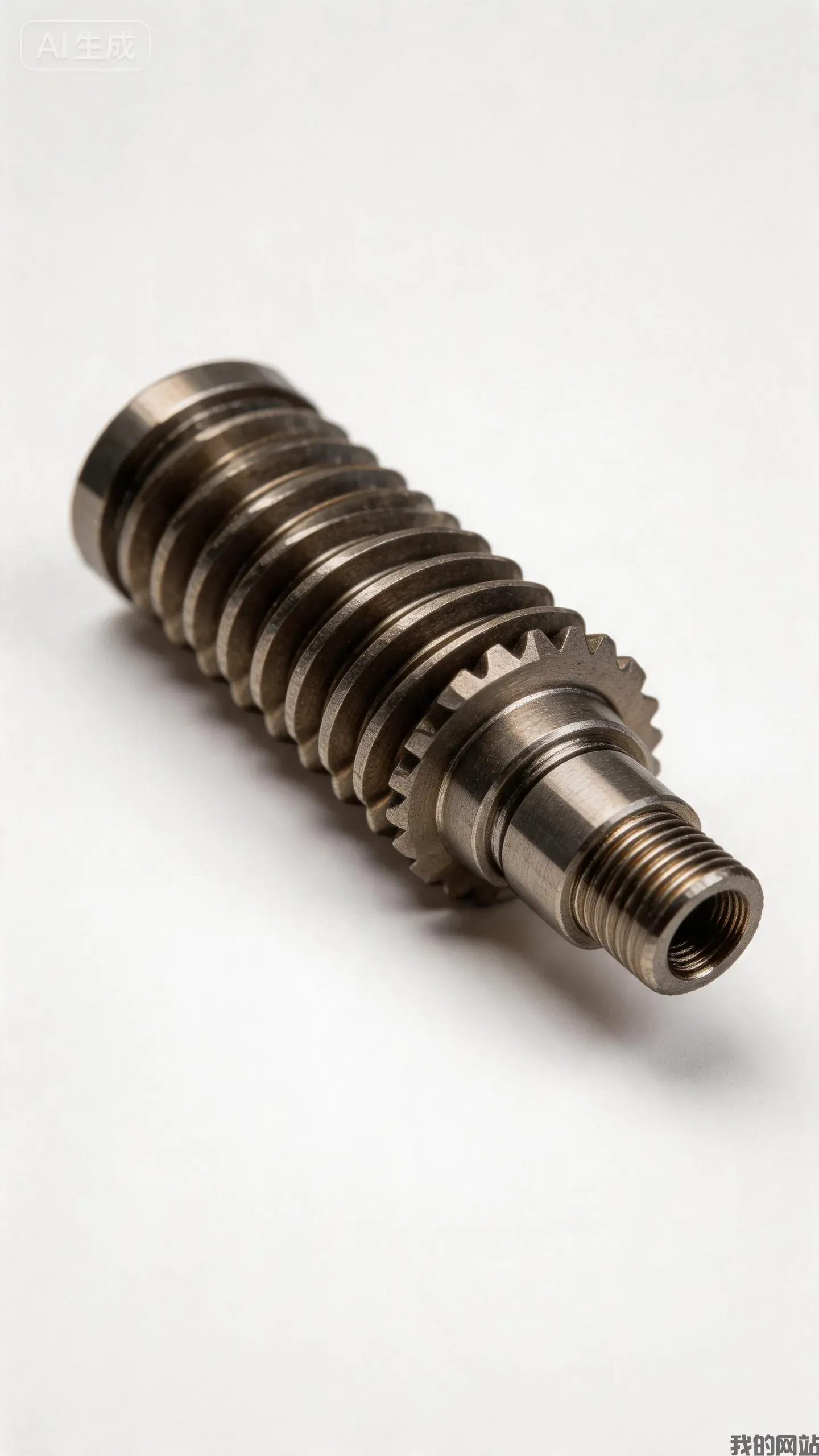
Before contacting any supplier, your technical drawing is the single most important document. Chinese machine shops receive hundreds of RFQs daily; ambiguous prints lead to costly back-and-forth. Follow these rules to avoid rejection or price inflation:
- **Tolerance specification:** Do not specify tighter tolerances than needed. A standard CNC milling tolerance of +/- 0.05 mm costs roughly 15-20% less than +/- 0.01 mm. For mating surfaces, use +/- 0.02 mm; for cosmetic holes, +/- 0.1 mm is often sufficient. - **Surface finish:** Ra 3.2 µm (125 µin) is standard and free. Ra 1.6 µm adds 5-8% cost; Ra 0.8 µm adds 12-15%. Mirror polishing (Ra 0.2 µm) can double the price per part. - **Material callouts:** Use international grades (e.g., 6061-T6 aluminum, 304 stainless steel, C36000 brass). Avoid proprietary names. If you need ASTM B211 for aluminum, state it explicitly on the drawing. - **GD&T basics:** Include at least datums, flatness, and true position. A drawing without GD&T is treated as "best effort" by most shops.
**Pro tip:** Provide a 3D STEP file plus a 2D PDF with critical dimensions. Factories use the 3D model for CAM programming and the 2D drawing for inspection. Missing either will delay quoting by 24-48 hours.
2. Vetting Suppliers: Beyond Alibaba Listings
Not all Chinese CNC shops are equal. In Dongguan and Shenzhen alone, there are over 10,000 registered machining workshops, but only an estimated 800 have ISO 9001:2015 certification and in-house QC labs. Use this three-tier screening process:
| Screening Level | Criteria | Weight (%) | ---------------- | --------- | ------------ | 1. Documentation | ISO 9001, ISO 14001, IATF 16949 (if automotive), export license | 30 | 2. Technical capability | Number of CNC machines (3-axis, 4-axis, 5-axis), max part size, material range | 40 | 3. Communication & transparency | Response time < 24 hours, willingness to share inspection reports, video factory tour | 30 |
|---|
Ask for a **sample part** that mimics your geometry, not a generic "certificate." A reliable factory will machine a test piece in 3-5 days for a nominal fee (USD 50-200) and refund it against your first order. Avoid suppliers who refuse to provide a material certificate (EN 10204 3.1) or who cannot name the exact CNC controller (Fanuc, Siemens, Mitsubishi) on their machines.
3. The Quotation Process: Understanding Price Breakdown
A typical CNC part price from China includes: material cost (30-40%), machining time (40-50%), surface treatment (5-10%), and overhead/profit (10-15%). Here is a real example for a 6061-T6 aluminum bracket, 100 mm x 80 mm x 10 mm, with 6 drilled holes and one milled pocket:
| Cost Component | China Factory (USD) | US Factory (USD) | ---------------- | --------------------- | ------------------ | Material (per kg) | 3.50 | 6.80 | Machining time (per hour) | 18.00 | 85.00 | Setup & programming (one-time) | 45.00 | 180.00 | Surface finish (clear anodize) | 2.10 per part | 5.50 per part | **Total per unit (100 pcs)** | **9.80** | **24.30** |
|---|
The price gap narrows for high-complexity, low-volume parts. For 10 pieces of a 5-axis aerospace bracket, the ratio is closer to 1.5x, not 2.5x. Always request a breakdown by material, machining, and finishing. If a quote is 30% lower than the average, ask about tooling wear, inspection frequency, and whether the price includes deburring.
4. Quality Control: In-Process and Pre-Shipment Inspection
Safeguard your parts with a clear QC plan. The International Standard is ISO 2859-1 (AQL). For CNC parts, use **AQL 1.0 for critical dimensions** and **AQL 2.5 for visual defects**. Do not rely on the factory’s own inspection only.
- **First Article Inspection (FAI):** Require a full FAI report (per AS9102) for the first batch. This takes 2-4 days and costs USD 100-300, but it catches 95% of programming errors. - **In-process checking:** Ask for photos or video of the part on the CMM (coordinate measuring machine) at 20-50% of production. For tolerances below +/- 0.02 mm, insist on a CMM report with measurement points mapped to your drawing. - **Third-party inspection:** For orders above USD 5,000, hire a local inspection agency (e.g., SGS, Bureau Veritas) to visit the factory. Cost is typically USD 200-400 per day. This is non-negotiable for medical or automotive parts.
**Temperature matters:** CNC machining in unheated factories in winter (January in Dongguan can drop to 5°C) can cause thermal expansion errors of up to 0.01 mm per 100 mm. Ensure the factory controls the shop floor to 20°C +/- 2°C during final machining of critical dimensions.
5. Logistics and Incoterms: Avoiding Hidden Costs
The most common mistake is choosing EXW (Ex Works) without understanding freight and customs. For CNC parts, the most efficient Incoterm is **FOB Shenzhen** – the supplier handles export clearance and delivers to the port. Your freight forwarder then manages sea or air.
- **Sea freight:** 20kg of parts from Shenzhen to Los Angeles costs about USD 80-120 (LCL) with 20-25 days transit. - **Air freight:** USD 6-10 per kg with 5-7 days transit. For urgent prototypes, DHL/FedEx costs USD 15-25 per kg but includes door-to-door customs clearance.
Do not forget **import duties**. The US Section 301 tariffs on Chinese-origin metal parts currently range from 25% to 50% depending on HTS code. Work with your forwarder to classify correctly. Many buyers reduce duty burden by specifying "parts for machinery" (HTS 8479) instead of generic "metal articles" – but only if this is legally accurate.
6. Payment Terms, IP Protection, and Long-Term Partnership
Never pay 100% upfront. The industry standard is **30% deposit, 70% before shipment** (or after inspection). For new suppliers, use a Letter of Credit (LC) if the order exceeds USD 50,000. For smaller orders, PayPal or TT with a 10-20% buffer for quality claims.
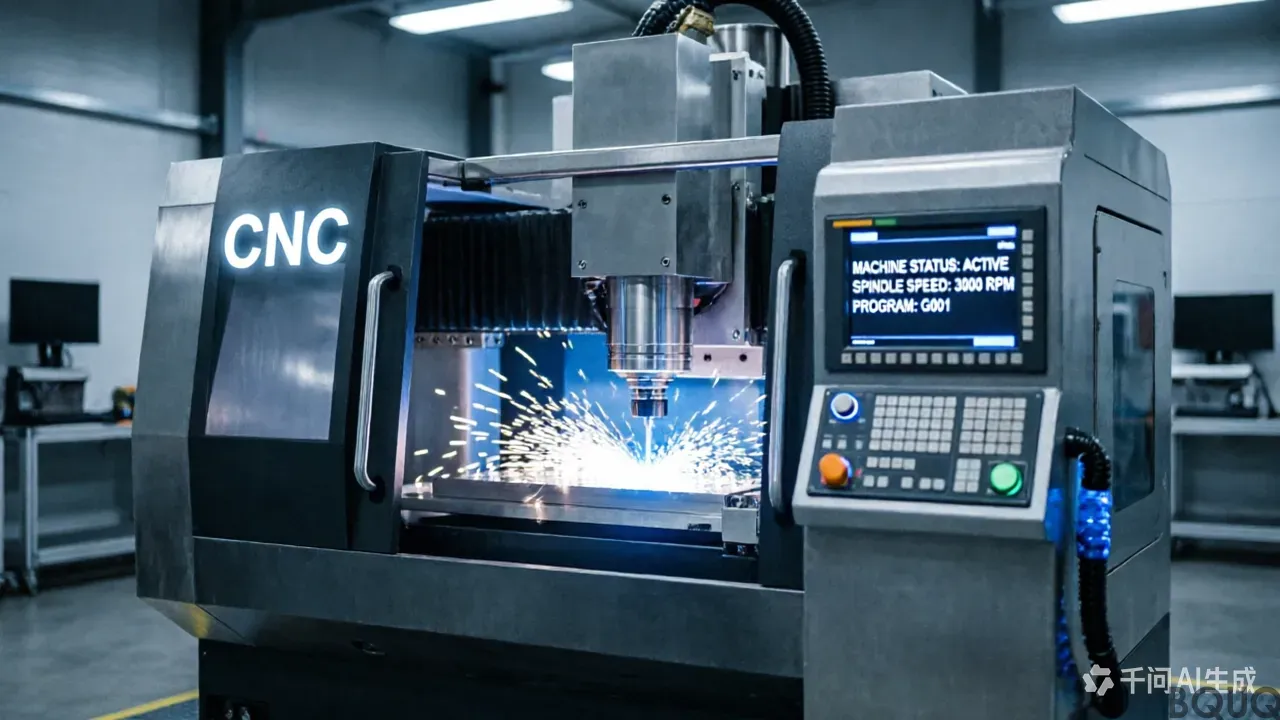
- **IP protection:** Have the supplier sign a Non-Disclosure Agreement (NDA) before sending files. Do not send the full 3D model; send a neutral STEP file with critical surfaces removed. Many Dongguan shops have dedicated "IP-protected" production lines for overseas clients. - **Repeat orders:** Factories prioritize clients who pay on time and give clear forecasts. If you order monthly, negotiate a 5-8% volume discount after 12 months. A stable relationship also means your parts are stored in their warehouse, reducing lead time from 4 weeks to 1 week.
FAQ-Style Tips From a Dongguan Factory Manager (20 Years Experience)
**Q: How do I know if a factory is actually machining my parts in-house?** A: Ask for a live video call to the shop floor. If they hesitate, it is likely a trading company. In Dongguan, trading companies mark up 20-40% without adding value.
**Q: What is the minimum order quantity (MOQ) for CNC parts?** A: For simple parts, MOQ is 1 piece for prototyping. For production, most factories prefer 50-100 pieces to justify setup. If your volume is 10 pieces, expect a setup charge of USD 50-150.
**Q: How do I handle a defective batch?** A: Document with photos and keep 3 defective samples. Under your contract, the factory must rework or remanufacture within 10 working days. Do not negotiate a discount for accepting defects – it sets a bad precedent.
**Q: Can I specify a specific CNC machine brand?** A: Yes. For high-tolerance parts, request "Mazak or DMG MORI only." Factories with these machines charge 10-15% more, but the process capability is 30% higher (Cpk > 1.67 vs 1.33).
Conclusion
Buying CNC parts from China is not a gamble if you treat it as an engineering exercise, not a bargain hunt. Define tolerances realistically, vet suppliers with a documented checklist, demand FAI and CMM reports, and use FOB terms to control logistics. The cost advantage remains significant – often 50-60% less than domestic machining – but only when you manage quality and communication deliberately.
At BQUQ, we have machined over 20 million parts in the past two decades from our 5,000-square-meter facility in Dongguan. We specialize in CNC milling, turning, metal stamping, springs, and heat sinks with tolerances down to +/- 0.005 mm on request. Our engineers respond to RFQs within 12 hours, including a full DFM (Design for Manufacturing) review at no cost. Whether you need a single prototype or a 50,000-piece production run, we are ready to help you source safely. Contact us at sc@bquq.com, WhatsApp +86 13713157787, or visit www.bquq.com for your next project.
Frequently Asked Questions
What tolerance should I specify on my CNC part drawing to keep costs down?
Specify the loosest tolerance that still meets your functional requirements. A standard CNC milling tolerance of +/- 0.05 mm costs roughly 15-20% less than +/- 0.01 mm. Use +/- 0.02 mm for mating surfaces and +/- 0.1 mm for cosmetic holes to avoid unnecessary price inflation.
How do surface finish requirements affect the price of CNC parts?
Ra 3.2 µm is standard and free. Ra 1.6 µm adds 5-8% cost, Ra 0.8 µm adds 12-15%, and mirror polishing (Ra 0.2 µm) can double the price per part. Choose the roughest finish that works for your application to save money.
What documents should I provide to get an accurate quote from a Chinese CNC supplier?
Provide both a 3D STEP file and a 2D PDF with critical dimensions. Factories use the 3D model for CAM programming and the 2D drawing for inspection. Missing either will delay quoting by 24-48 hours. Also include GD&T callouts like datums, flatness, and true position.
How can I verify a Chinese CNC machining supplier is reliable?
Use a three-tier screening: check documentation (ISO 9001, ISO 14001, IATF 16949), technical capability (number of CNC machines, max part size, material range), and communication (response time under 24 hours, willingness to share inspection reports). Ask for a sample part mimicking your geometry, machined in 3-5 days for USD 50-200, and require a material certificate (EN 10204 3.1).