How Is Robotics Industry Growth Driving Precision Manufacturing Demand?
The robotics industry is fundamentally reshaping precision manufacturing by demanding tighter tolerances, more complex geometries, and faster production cycles than ever before. Specifically, the global industrial robotics market, projected to reach USD 71.72 billion by 2028, is forcing CNC machining and metal stamping suppliers to achieve tolerances of ±0.005 mm and cycle time reductions of up to 30%. This demand stems from the need for high-precision components in robotic arms, end-effectors, and sensor housings, directly increasing the volume and complexity of orders for factories like BQUQ in Dongguan.
What Specific Tolerances Are Required for Robotics Components?
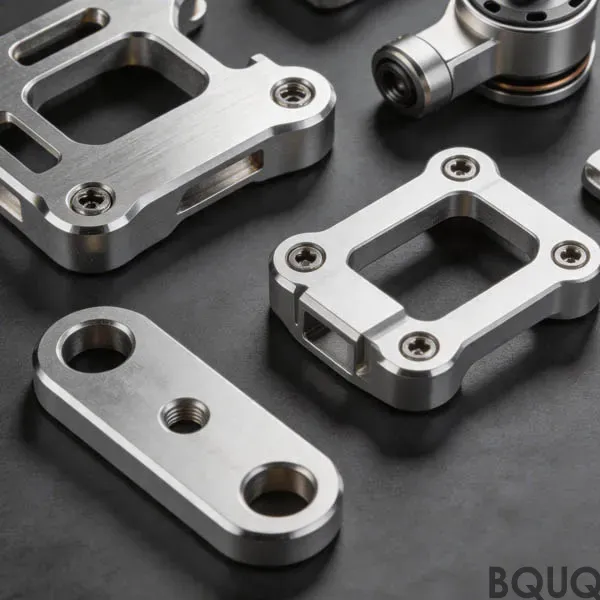
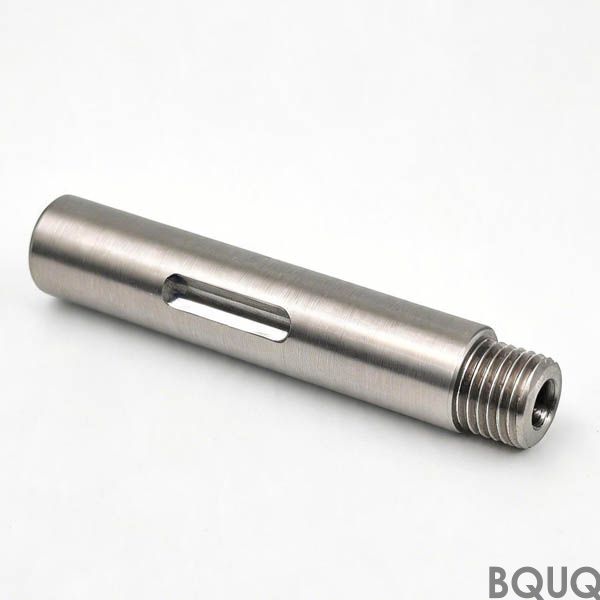
Robotics components require significantly tighter tolerances than standard industrial parts due to the need for repeatable motion and minimal backlash. For critical mating surfaces in servo motor housings and gearboxes, CNC machining must hold tolerances of ±0.005 mm to ±0.01 mm, while metal stamped parts for structural frames typically require ±0.02 mm to ±0.05 mm. In comparison, standard automotive stamping often allows ±0.1 mm, making robotics parts 5 to 20 times more precise. Achieving these figures requires 4-axis and 5-axis CNC centers with thermal compensation, as well as progressive dies with precision-ground inserts for stamping.
How Does Robotics Growth Change Material Selection in Manufacturing?
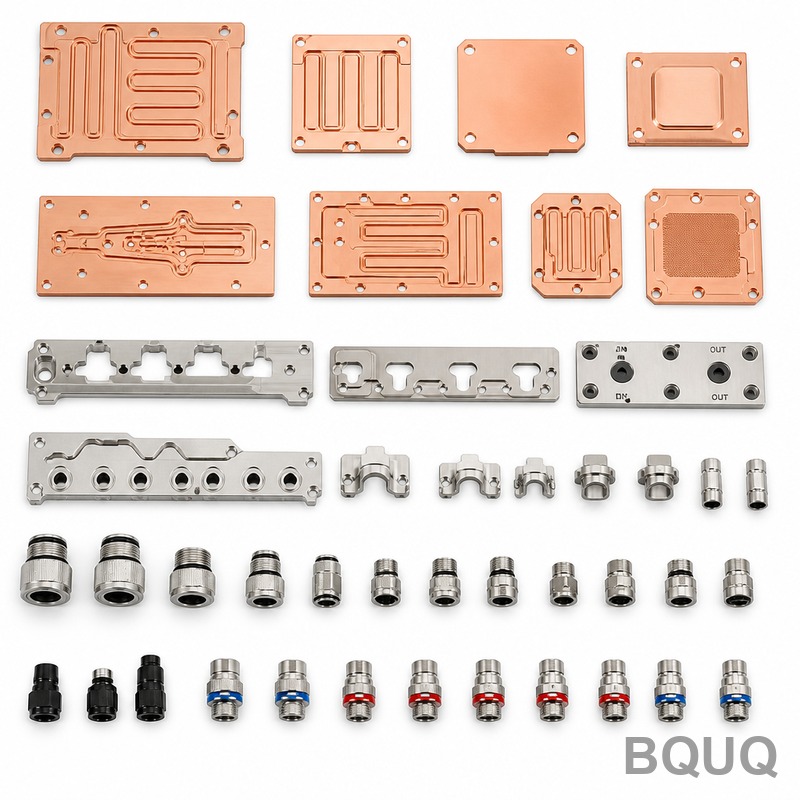
The rise of collaborative robots (cobots) and lightweight automation has shifted material demand toward aluminum alloys (6061-T6, 7075-T6) and high-strength stainless steels (17-4 PH), which offer high strength-to-weight ratios. For heat sinks in robotic servo drives, copper and aluminum 6063 are specified due to thermal conductivity requirements of 200-235 W/m·K, with forced-air cooling fins requiring thicknesses down to 0.8 mm. Additionally, the need for non-magnetic and corrosion-resistant materials in cleanroom robots has increased the use of titanium (Grade 5) and specialized polymers, though metals still account for 78% of robotic structural components by weight.
Why Is Lead Time Reduction Critical for Robotic System Integrators?
Robotic system integrators face compressed product development cycles, often requiring prototype parts in 3-5 days and production parts in 10-15 days, to match electronics and software iteration speeds. This pressure has forced precision manufacturers to adopt digital quoting and real-time production tracking, reducing traditional 15-day lead times to 7 days for CNC machining. For example, a robotic gripper housing that previously took 14 days to machine can now be delivered in 5 days using automated 5-axis cells with in-process probing. Factories that cannot offer 24/7 production or rapid tooling changes lose contracts to competitors with faster turnaround.
What Is the Cost Impact of Robotics-Grade Precision on Per-Part Pricing?
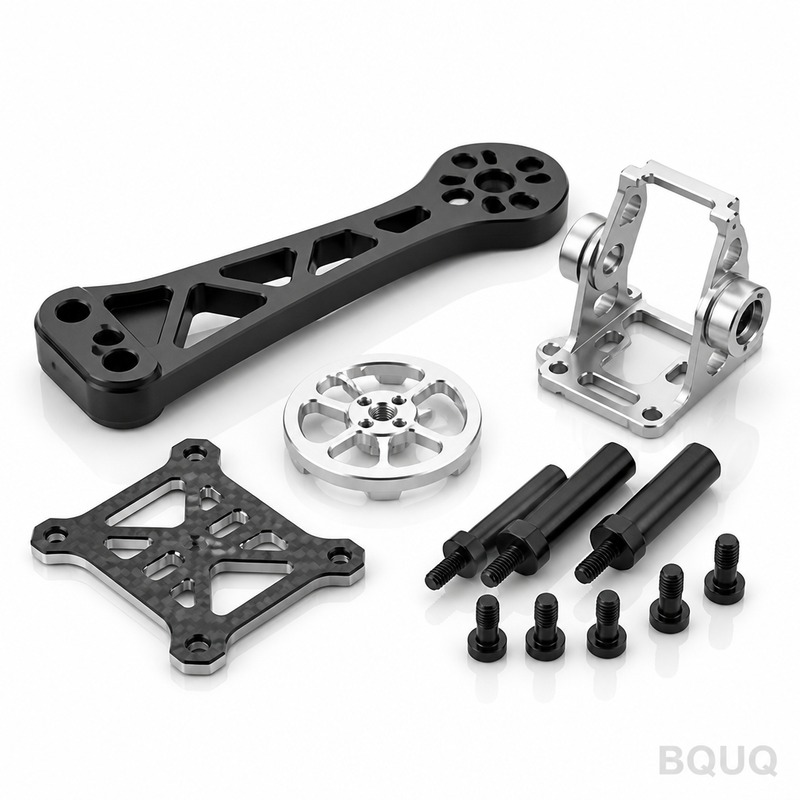
Robotics-grade precision increases per-part cost by 15-40% compared to standard machining due to extended cycle times, specialized tooling, and increased inspection requirements. A typical CNC-machined aluminum robot arm segment (200 mm length) costs USD 35-60 per unit at ±0.01 mm tolerance, versus USD 22-35 at ±0.05 mm, with setup costs ranging from USD 150-400 per run. For metal stamping, a precision progressive die for a robot chassis bracket (0.5 mm thickness) costs USD 8,000-12,000, amortized over 50,000 parts, adding USD 0.16-0.24 per part in tooling cost. However, volume orders above 1,000 units typically reduce machining costs by 20%, making precision affordable for mid-size automation firms.
Which Manufacturing Processes See the Highest Demand Growth from Robotics?
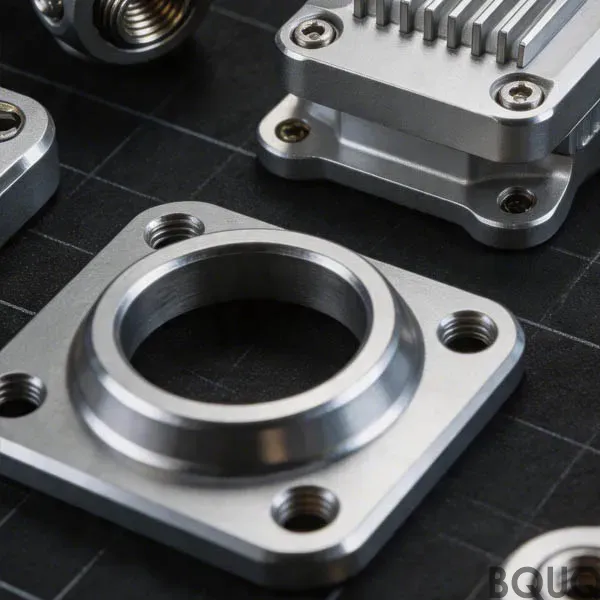
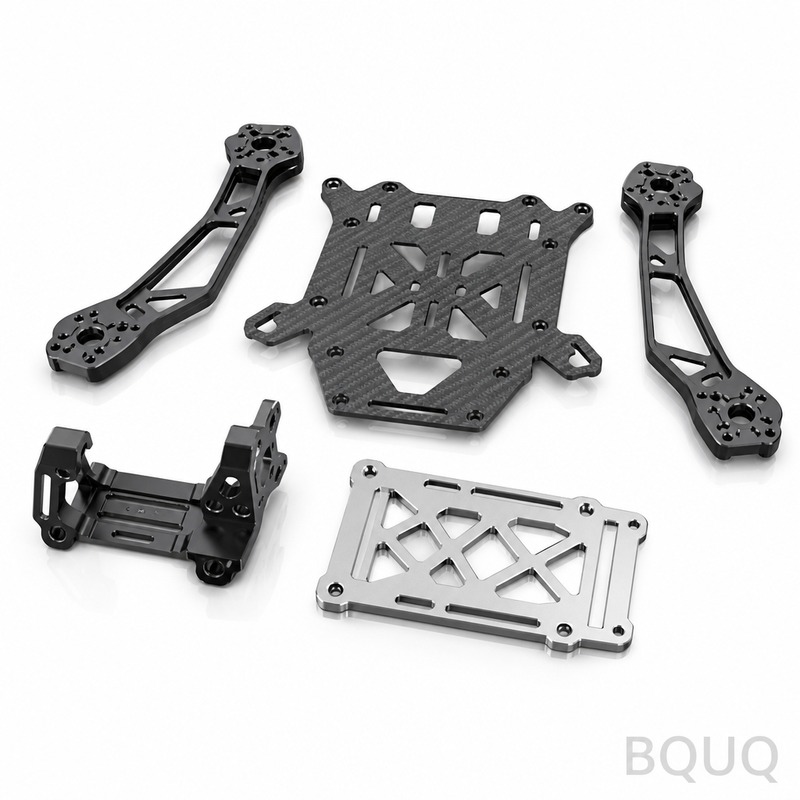
CNC milling and turning see the highest growth, accounting for 55% of robotics component manufacturing, followed by metal stamping at 25% and heat sink fabrication at 15%. Specifically, 5-axis CNC machining is increasingly required for complex curved surfaces in robotic joint housings and camera gimbal frames, with orders rising 35% year-over-year in 2024. Metal stamping is demanded for high-volume, flat-pattern parts like encoder discs and mounting plates, where tolerances of ±0.03 mm are achieved with precision blanking. Heat sink demand for robotic power electronics is growing at 18% annually, driven by the need to dissipate 200-500 W per servo drive unit.
How Does Robotics Demand Influence Quality Inspection and Metrology?
The precision required by robotics forces manufacturers to move from manual sampling to 100% inspection using CMM (Coordinate Measuring Machine) and optical scanners, increasing inspection time by 20-30% per batch. For critical dimensions, factory standards now require CMM verification with a measurement uncertainty of ±0.002 mm, and surface roughness (Ra) below 0.4 µm for mating surfaces. In response, BQUQ has integrated in-line laser scanning that checks every robotic part within 30 seconds, reducing the defect rate from 500 ppm to below 50 ppm. This level of metrology is non-negotiable for robotics OEMs that demand traceability data for every serialized component.
| Component Type | Typical Tolerance | Common Material | Lead Time (Days) | Cost Range (USD/Part) |
| Robot Arm Segment (CNC) | ±0.01 mm | 6061-T6 Aluminum | 5-7 | 35-60 |
| Gearbox Housing (CNC) | ±0.005 mm | 17-4 PH Stainless | 8-10 | 80-150 |
| Chassis Bracket (Stamped) | ±0.03 mm | SPCC Steel | 3-5 | 2-8 |
| Servo Drive Heat Sink (Extruded) | ±0.05 mm | 6063-T5 Aluminum | 4-6 | 12-25 |
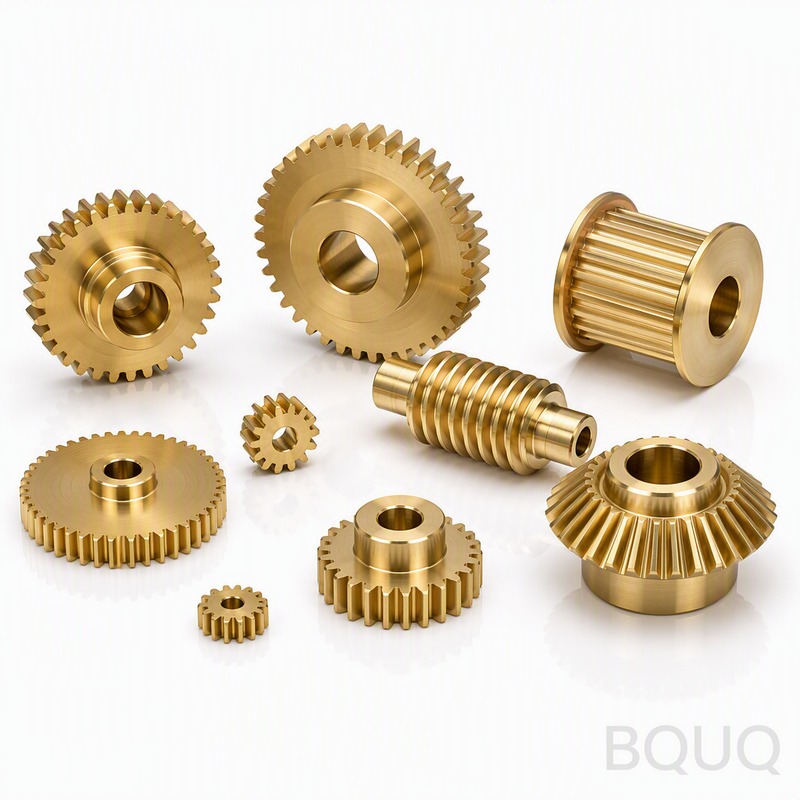
| Encoder Disc (Precision Blanking) | ±0.02 mm | Brass C3600 | 2-4 | 1-5 |
Can Precision Manufacturers Keep Up with Robotics Scalability Demands?
Yes, but only with flexible automation and modular tooling, as robotics companies scale from 100 units to 10,000 units per year. This scalability requires machine shops to adopt palletized CNC systems with 24-hour lights-out operation, increasing machine utilization from 60% to 85%. For stamping, quick-change die systems reduce changeover time from 45 minutes to under 10 minutes, enabling small-batch production of 500-2,000 pieces economically. Without these investments, suppliers will face capacity bottlenecks, as a single robot model may require 150-200 unique machined parts, each needing separate setup and qualification.
FAQ
How Much More Expensive Is Robotics-Grade Precision vs. Standard Machining?
Robotics-grade parts cost 15-40% more than standard machining due to tighter tolerances (±0.005 mm vs. ±0.1 mm), more inspection time, and higher-grade tooling. For a typical bracket, this means USD 8-12 per unit instead of USD 5-7, but the cost is justified by reduced assembly failures and longer robotic lifespan.
What Is the Minimum Order Quantity for Precision Robotic Parts?
For CNC machining, the minimum order quantity is often 10-50 pieces due to setup costs of USD 150-400 per run, while metal stamping requires 1,000-5,000 pieces to amortize die costs of USD 8,000-12,000. However, many suppliers offer rapid prototyping at 1-5 pieces with a 3-5x higher unit price to support R&D.
Which Certifications Are Required for Robotics Component Suppliers?
Automotive-grade IATF 16949 and ISO 9001:2015 are mandatory for most robotics OEMs, with ISO 13485 needed for medical robots. Additionally, suppliers must provide material certifications (EN 10204 3.1) and dimensional reports with CMM data for every batch, ensuring full traceability.
How Do Heat Sinks Specifically Need to Adapt for Robotics?
Robotic heat sinks must handle higher power densities, often 50-100 W/cm², requiring copper baseplates or vapor chambers rather than standard aluminum fins. The operating temperature range is typically -20°C to 85°C, demanding materials with thermal expansion coefficients below 20 ppm/°C to prevent solder joint fatigue.
Can Metal Stamping Achieve the Complexity Required for Robotic Joints?
Yes, but only with progressive dies that combine blanking, coining, and bending in a single stroke, achieving complexity up to 15 bends per part. For example, a robotic finger joint can be stamped to ±0.02 mm flatness, then finished with a secondary CNC operation to add precision holes.
What Is the Typical Tooling Lead Time for Robotics Stamping Dies?
Precision progressive dies for robotics parts take 4-6 weeks to design and build, with trial runs requiring an additional 1-2 weeks. In contrast, CNC machining tools (fixtures and cutters) can be ready in 3-5 days, making machining the preferred choice for early-stage robotic development.
Which File Formats Are Best for Quoting Robotic Parts?
STEP files (.step) and IGES (.igs) are preferred for 3D geometry, while 2D drawings in PDF or DXF format are needed for tolerance and surface finish specifications. Providing a detailed Bill of Materials with material grade and heat treatment requirements speeds up the quoting process by 50%.
Precision manufacturing is not just a supplier to the robotics industry; it is the enabler of robotic performance, repeatability, and cost reduction at scale. To remain competitive, robotics companies must partner with manufacturers that offer combined CNC machining, stamping, and heat sink capabilities under one roof, ensuring consistent quality and shorter supply chains. For your next robotics project, we at BQUQ provide free DFM feedback and rapid quoting to validate your designs before production. Contact us for a 12-hour quote at sc@bquq.com or WhatsApp +86 13713157787, and visit www.bquq.com to review our 20-year track record in precision manufacturing.