
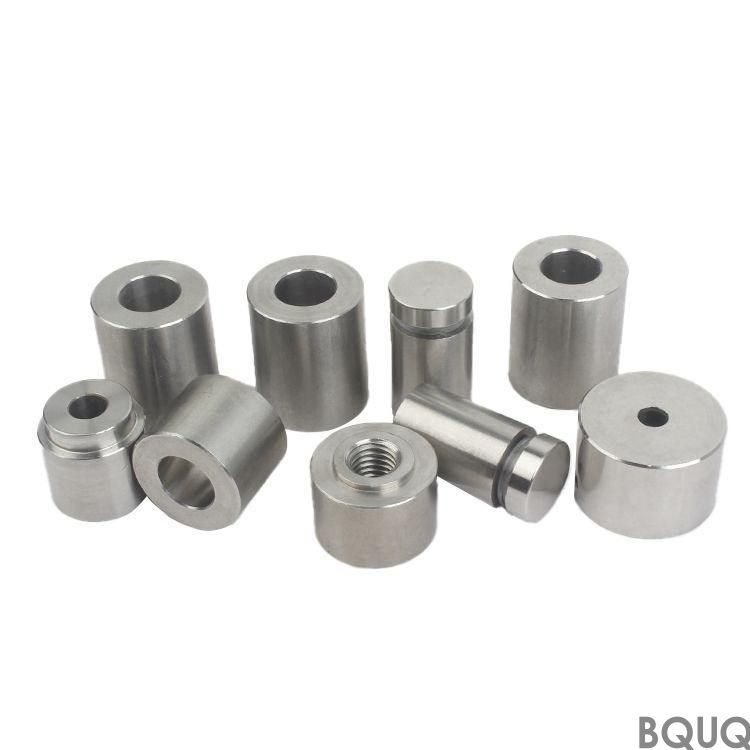
How to Choose Materials for CNC Turned Parts: A Guide
Jul 03,2026

How to Choose Materials for CNC Turned Parts: A Guide

Introduction

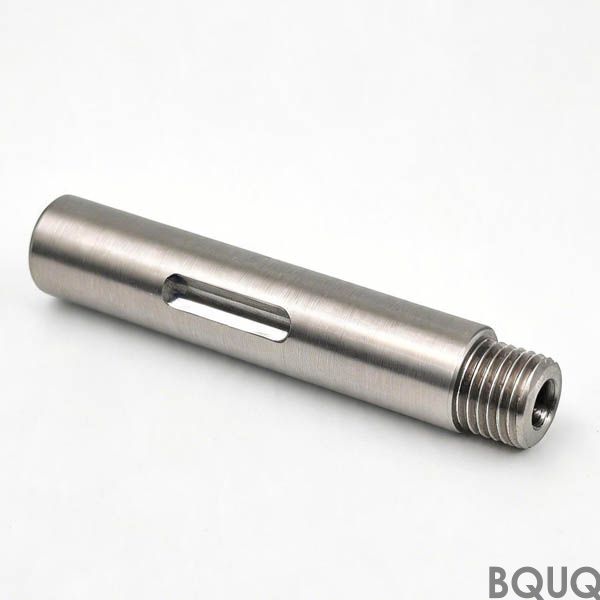
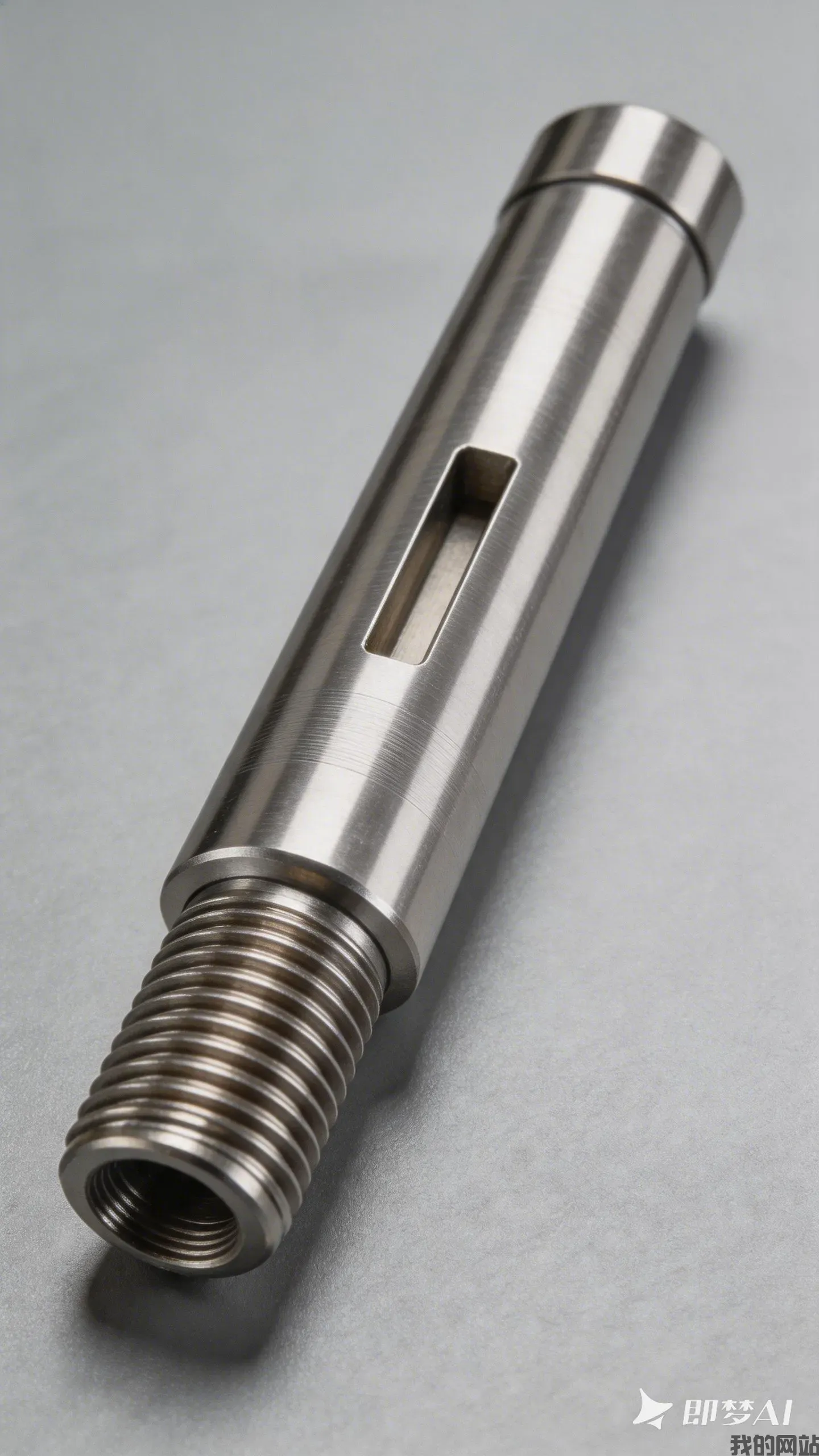
Selecting the right material for CNC turned parts is critical to achieving optimal performance, durability, and cost-efficiency. With a wide range of metals, plastics, and composites available, the choice depends on factors such as mechanical properties, environmental conditions, and manufacturing requirements. This guide provides a comprehensive overview of material selection for CNC turned parts, helping you make informed decisions for your projects.

Understanding Material Properties

Before diving into specific materials, it’s essential to understand key properties that influence machinability and part performance:

  • Strength: Tensile and yield strength determine load-bearing capacity.

  • Hardness: Affects wear resistance and tool wear during machining.

  • Ductility: Ability to deform without fracture, important for forming processes.

  • Corrosion Resistance: Resistance to chemical attack, crucial for harsh environments.

  • Thermal Conductivity: Affects heat dissipation in high-temperature applications.

  • Machinability: Ease of cutting, influencing cycle times and surface finish.

Balancing these properties with cost and availability is key to successful material selection.

Common Materials for CNC Turned Parts

Metals

Metals are the most common choice for CNC turned parts due to their strength and durability. Here’s a breakdown of popular options:

MaterialKey PropertiesApplicationsMachinability
Aluminum (e.g., 6061, 7075)Lightweight, good strength-to-weight ratio, excellent corrosion resistanceAerospace, automotive, electronicsExcellent
Steel (e.g., 1018, 4140, stainless 304/316)High strength, hardenability, cost-effective (1018); corrosion resistant (stainless)Mechanical components, valves, medical devicesGood to fair (stainless harder)
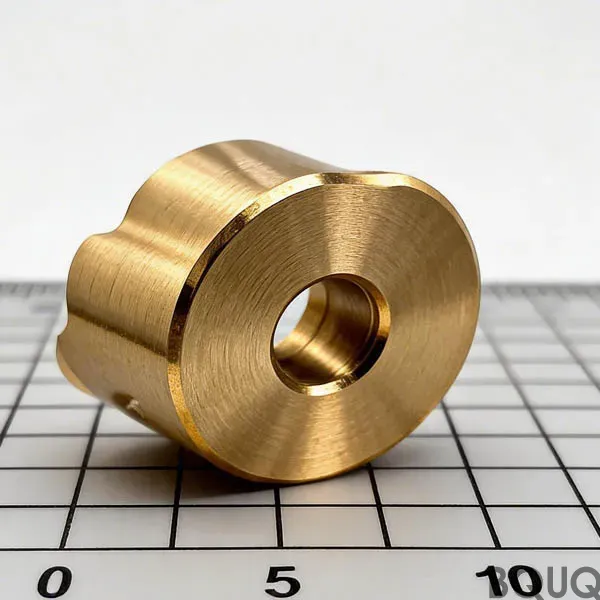
Brass (e.g., C360)Excellent machinability, good corrosion resistance, aesthetic appearanceFittings, connectors, decorative partsExcellent
Titanium (Grade 2, 5)High strength-to-weight, excellent corrosion resistance, biocompatibleAerospace, medical implantsFair (requires specialized tooling)
CopperExcellent thermal/electrical conductivity, ductileHeat sinks, electrical componentsGood

Plastics

Plastics offer lightweight, corrosion resistance, and lower cost. Common choices include:

  • Nylon: Tough, wear-resistant, good for bushings and gears.

  • Acetal (Delrin): Low friction, high stiffness, excellent dimensional stability.

  • PTFE (Teflon): Low friction, chemical resistance, high temperature tolerance.

  • Polycarbonate: Impact-resistant, transparent, used for lenses and enclosures.

Other Materials

Specialty materials like ceramics, composites, and exotic alloys are used for extreme conditions but require advanced machining techniques.

Factors to Consider When Choosing Materials

When selecting a material for CNC turned parts, evaluate the following:

  • Application Requirements: Load, temperature, exposure to chemicals or moisture.

  • Production Volume: High volumes may justify tooling for harder materials; low volumes favor ease of machining.

  • Cost: Balance material cost with machining time. For example, brass is cheaper to machine than stainless steel despite similar raw material costs.

  • Surface Finish: Some materials (aluminum, brass) achieve better finishes without secondary operations.

  • Dimensional Tolerances: Stability of material during and after machining. Plastics may expand/contract more than metals.

  • Machinability: Softer materials like aluminum and brass reduce tool wear and cycle times.

Practical Tips for Material Selection

  1. Consult with your CNC shop early: Experienced machinists can recommend alternatives that optimize cost and quality.

  2. Consider stock availability: Common diameters and shapes reduce lead times.

  3. Test prototypes: Verify properties under real-world conditions before full production.

  4. Account for post-processing: Some materials require heat treatment or plating, adding cost.

  5. Balance performance and budget: For non-critical parts, choose cost-effective materials like carbon steel over stainless.

Conclusion

Choosing the right material for CNC turned parts is a multifaceted decision that impacts part performance, manufacturing efficiency, and overall cost. By understanding material properties, evaluating application requirements, and collaborating with your machining partner, you can select materials that deliver optimal results. Whether you need lightweight aluminum for aerospace components or corrosion-resistant stainless steel for medical devices, this guide provides a solid foundation for informed material selection.

At [Your Company Name], we specialize in CNC precision turning of a wide range of materials. Contact us to discuss your project and get expert advice on material selection.

Frequently Asked Questions

What are the most common materials used for CNC turned parts?

Common metals include aluminum (6061, 7075), steel (1018, 4140, stainless 304/316), brass (C360), titanium (Grade 2, 5), and copper. Plastics like nylon and acetal (Delrin) are also used. Each offers different properties, such as aluminum's lightweight and corrosion resistance, or brass's excellent machinability.

How do I choose between aluminum and stainless steel for my CNC turned parts?

Aluminum (e.g., 6061, 7075) is lightweight with excellent corrosion resistance and machinability, ideal for aerospace, automotive, and electronics. Stainless steel (304/316) offers high strength and corrosion resistance but has fair machinability, making it better for mechanical components, valves, and medical devices where durability is key.

What material is best for high-temperature or electrical applications?

Copper is the top choice for high-temperature and electrical applications due to its excellent thermal and electrical conductivity, plus ductility. It's commonly used for heat sinks and electrical components. For high-temperature mechanical parts, consider materials with good thermal conductivity, but copper stands out for heat dissipation.

Why is brass considered easy to machine for CNC turned parts?

Brass, such as C360, has excellent machinability, which means it cuts easily, reducing cycle times and improving surface finish. It also offers good corrosion resistance and an aesthetic appearance, making it ideal for fittings, connectors, and decorative parts. This combination of ease and quality makes brass a cost-effective choice.
Contact Us Quote
Get A Quote
We use cookie to improve your online experience. By continuing to browse this website, you agree to our use of cookie.

Cookies

Please read our Terms and Conditions and this Policy before accessing or using our Services. If you cannot agree with this Policy or the Terms and Conditions, please do not access or use our Services. If you are located in a jurisdiction outside the European Economic Area, by using our Services, you accept the Terms and Conditions and accept our privacy practices described in this Policy.
We may modify this Policy at any time, without prior notice, and changes may apply to any Personal Information we already hold about you, as well as any new Personal Information collected after the Policy is modified. If we make changes, we will notify you by revising the date at the top of this Policy. We will provide you with advanced notice if we make any material changes to how we collect, use or disclose your Personal Information that impact your rights under this Policy. If you are located in a jurisdiction other than the European Economic Area, the United Kingdom or Switzerland (collectively “European Countries”), your continued access or use of our Services after receiving the notice of changes, constitutes your acknowledgement that you accept the updated Policy. In addition, we may provide you with real time disclosures or additional information about the Personal Information handling practices of specific parts of our Services. Such notices may supplement this Policy or provide you with additional choices about how we process your Personal Information.


Cookies

Cookies are small text files stored on your device when you access most Websites on the internet or open certain emails. Among other things, Cookies allow a Website to recognize your device and remember if you've been to the Website before. Examples of information collected by Cookies include your browser type and the address of the Website from which you arrived at our Website as well as IP address and clickstream behavior (that is the pages you view and the links you click).We use the term cookie to refer to Cookies and technologies that perform a similar function to Cookies (e.g., tags, pixels, web beacons, etc.). Cookies can be read by the originating Website on each subsequent visit and by any other Website that recognizes the cookie. The Website uses Cookies in order to make the Website easier to use, to support a better user experience, including the provision of information and functionality to you, as well as to provide us with information about how the Website is used so that we can make sure it is as up to date, relevant, and error free as we can. Cookies on the Website We use Cookies to personalize your experience when you visit the Site, uniquely identify your computer for security purposes, and enable us and our third-party service providers to serve ads on our behalf across the internet.

We classify Cookies in the following categories:
 ●  Strictly Necessary Cookies
 ●  Performance Cookies
 ●  Functional Cookies
 ●  Targeting Cookies


Cookie List
A cookie is a small piece of data (text file) that a website – when visited by a user – asks your browser to store on your device in order to remember information about you, such as your language preference or login information. Those cookies are set by us and called first-party cookies. We also use third-party cookies – which are cookies from a domain different than the domain of the website you are visiting – for our advertising and marketing efforts. More specifically, we use cookies and other tracking technologies for the following purposes:

Strictly Necessary Cookies
These cookies are necessary for the website to function and cannot be switched off in our systems. They are usually only set in response to actions made by you which amount to a request for services, such as setting your privacy preferences, logging in or filling in forms. You can set your browser to block or alert you about these cookies, but some parts of the site will not then work. These cookies do not store any personally identifiable information.

Functional Cookies
These cookies enable the website to provide enhanced functionality and personalisation. They may be set by us or by third party providers whose services we have added to our pages. If you do not allow these cookies then some or all of these services may not function properly.

Performance Cookies
These cookies allow us to count visits and traffic sources so we can measure and improve the performance of our site. They help us to know which pages are the most and least popular and see how visitors move around the site. All information these cookies collect is aggregated and therefore anonymous. If you do not allow these cookies we will not know when you have visited our site, and will not be able to monitor its performance.

Targeting Cookies
These cookies may be set through our site by our advertising partners. They may be used by those companies to build a profile of your interests and show you relevant adverts on other sites. They do not store directly personal information, but are based on uniquely identifying your browser and internet device. If you do not allow these cookies, you will experience less targeted advertising.

How To Turn Off Cookies
You can choose to restrict or block Cookies through your browser settings at any time. Please note that certain Cookies may be set as soon as you visit the Website, but you can remove them using your browser settings. However, please be aware that restricting or blocking Cookies set on the Website may impact the functionality or performance of the Website or prevent you from using certain services provided through the Website. It will also affect our ability to update the Website to cater for user preferences and improve performance. Cookies within Mobile Applications

We only use Strictly Necessary Cookies on our mobile applications. These Cookies are critical to the functionality of our applications, so if you block or delete these Cookies you may not be able to use the application. These Cookies are not shared with any other application on your mobile device. We never use the Cookies from the mobile application to store personal information about you.

If you have questions or concerns regarding any information in this Privacy Policy, please contact us by email at . You can also contact us via our customer service at our Site.