IATF 16949 Certification Benefits for Metal Stamping Suppliers
What is IATF 16949 Certification?
IATF 16949 is an international quality management standard developed by the International Automotive Task Force (IATF). It harmonizes existing automotive quality standards and establishes a robust framework for defect prevention, waste reduction, and continuous improvement. For metal stamping suppliers, this certification is the gold standard for entering the automotive supply chain. It goes beyond ISO 9001 by adding stringent automotive-specific requirements, such as product safety, traceability, and error-proofing.
Why IATF 16949 Matters for Metal Stamping Suppliers
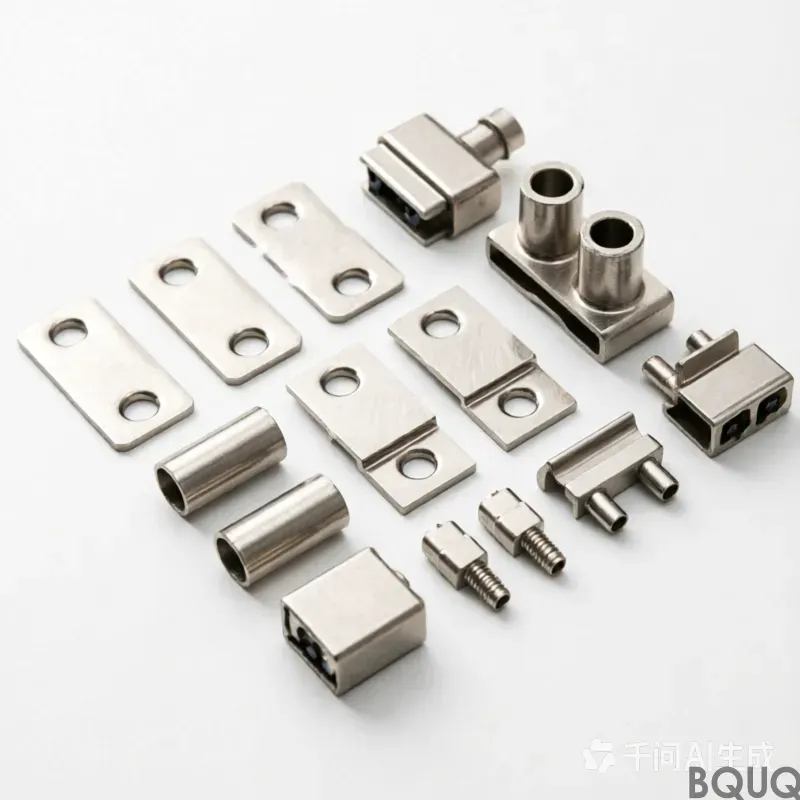
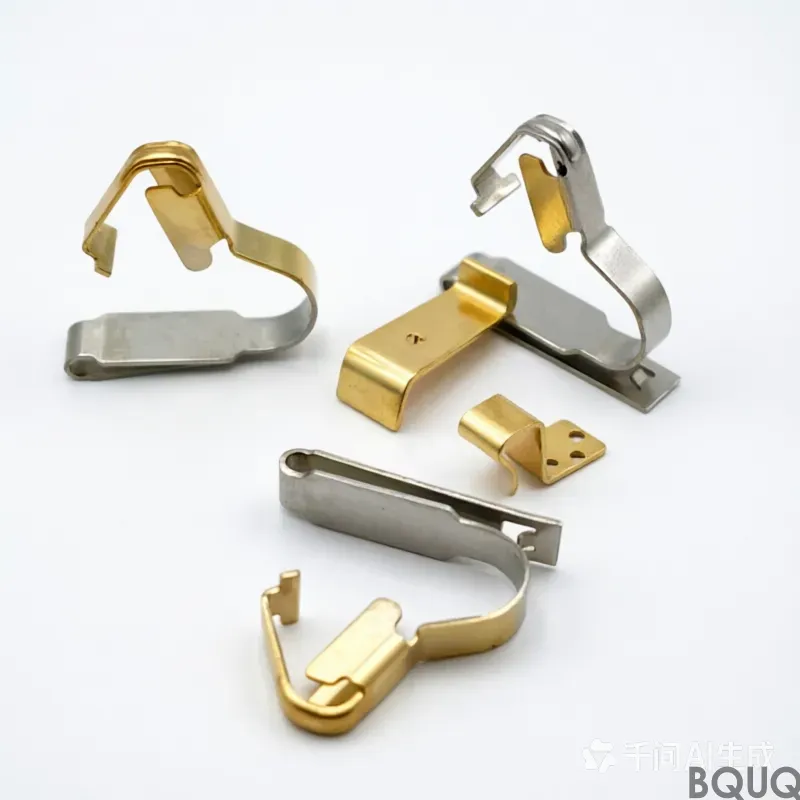
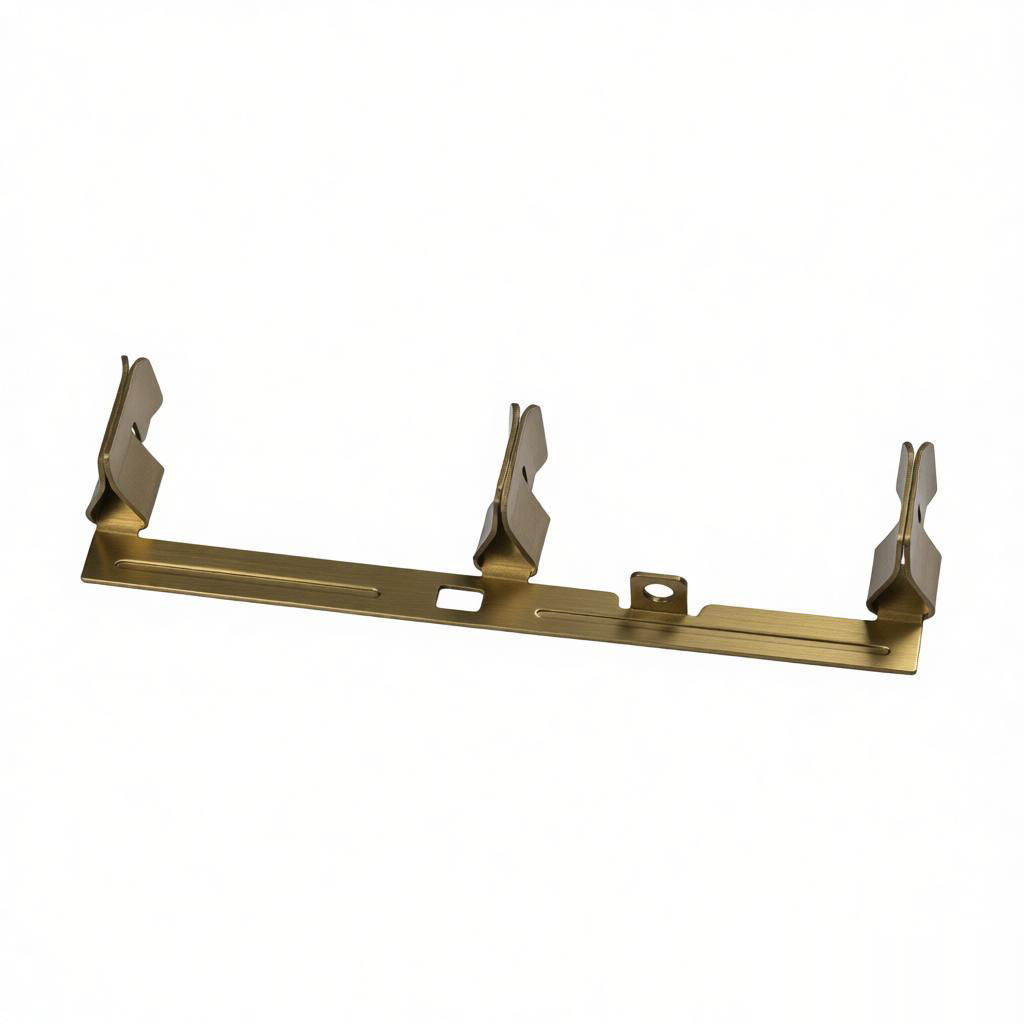
Metal stamping suppliers play a critical role in the automotive industry, producing components like brackets, chassis parts, and heat sinks. Without IATF 16949, suppliers risk being excluded from major automotive contracts. Here's why certification matters:
Customer Requirement: Most automotive OEMs and Tier 1 suppliers mandate IATF 16949. It is often a contractual prerequisite.
Quality Consistency: The standard ensures consistent production processes, minimizing variation and defects—vital for safety-critical stamped parts.
Global Recognition: IATF 16949 is recognized worldwide, facilitating export opportunities and cross-border collaborations.
Risk Management: The standard emphasizes risk-based thinking, helping suppliers identify and mitigate potential failures in stamping dies, material selection, and production controls.
Continuous Improvement: It drives a culture of ongoing enhancement, reducing scrap rates and optimizing tool life.
Key Benefits of IATF 16949 for Metal Stamping
Implementing IATF 16949 delivers tangible operational and commercial advantages:
Reduced Defects: Statistical process control and capability studies ensure stamped parts meet tight tolerances, lowering rework and warranty costs.
Enhanced Supplier Credibility: Certification signals reliability, opening doors to premium automotive and non-automotive markets (e.g., aerospace, medical).
Improved Efficiency: Standardized documentation, preventive maintenance, and layered process audits streamline operations.
Employee Engagement: Clear procedures and accountability foster a quality-first mindset among press operators and technicians.
Regulatory Compliance: Aligns with legal and customer-specific requirements (CSRs), preventing costly delays.
Practical Tips for Achieving IATF 16949 Certification
Earning certification requires commitment. Follow these steps for a smooth implementation:
Conduct a Gap Analysis: Compare current processes with IATF 16949 clauses. Identify missing elements like product safety management or contingency plans.
Engage Top Management: Leadership must actively support the initiative, allocating resources for training and system upgrades.
Train Your Team: Provide IATF-specific training to quality engineers, production supervisors, and internal auditors. Focus on core tools (APQP, FMEA, MSA, SPC, PPAP).
Strengthen Supplier Management: Extend quality requirements to raw material and tooling suppliers. Ensure they also meet IATF or equivalent standards.
Implement Layered Process Audits (LPA): Conduct weekly audits of stamping lines, checking die maintenance, material handling, and operator adherence.
Prepare for Certification Audit: Choose an accredited certification body. Conduct pre-assessment audits to address non-conformities.
IATF 16949 vs ISO 9001: A Comparison
| Aspect | ISO 9001 | IATF 16949 |
|---|---|---|
| Scope | General quality management | Automotive-specific + QMS |
| Risk Management | Basic risk-based thinking | Mandatory FMEA, control plans |
| Product Safety | Not required | Explicit product safety process |
| Traceability | General identification | Full lot traceability for safety parts |
| PPAP | Not mandated | Mandatory for new parts |
| Audit Frequency | Every 3 years | Annual surveillance audits |
For metal stamping suppliers, the additional rigor of IATF 16949 is essential for producing reliable, high-volume components.
Common Challenges and Solutions
Challenge: High cost of certification and documentation overhead.
Solution: Leverage digital quality management systems (QMS) to automate records and reduce administrative burden.Challenge: Resistance to change from shop floor employees.
Solution: Involve operators in FMEA creation and process improvement teams. Highlight how IATF 16949 reduces their daily frustrations like defective dies.Challenge: Maintaining certification after initial audit.
Solution: Establish a quality culture committee that meets monthly to review KPIs, customer complaints, and audit findings.Challenge: Handling customer-specific requirements (CSRs) from multiple OEMs.
Solution: Create a CSR matrix and integrate them into your control plans and work instructions.
Conclusion
IATF 16949 certification is no longer optional for metal stamping suppliers aiming to succeed in the automotive industry. It transforms quality management from a compliance burden into a strategic advantage—reducing defects, building trust, and unlocking global opportunities. By investing in certification, stamping suppliers demonstrate a commitment to excellence that resonates with customers and stakeholders alike. Start your journey today: evaluate your current processes, train your team, and partner with an accredited body to achieve IATF 16949. The effort will pay dividends in quality, efficiency, and market access.
Frequently Asked Questions
Why is IATF 16949 certification required for metal stamping suppliers?
Most automotive OEMs and Tier 1 suppliers mandate IATF 16949 as a contractual prerequisite. Without it, suppliers risk exclusion from major automotive contracts. The standard ensures consistent production processes, minimizing variation and defects, which is vital for safety-critical stamped parts like brackets and chassis components.
What specific benefits does IATF 16949 provide for metal stamping quality?
IATF 16949 reduces defects through statistical process control and capability studies, ensuring stamped parts meet tight tolerances and lowering rework and warranty costs. It also emphasizes risk-based thinking to mitigate failures in stamping dies and material selection, and drives continuous improvement to reduce scrap rates and optimize tool life.
How does IATF 16949 certification help with global market access?
IATF 16949 is recognized worldwide, facilitating export opportunities and cross-border collaborations. Certification signals reliability, opening doors to premium automotive and non-automotive markets such as aerospace and medical. It also aligns with legal and customer-specific requirements, preventing costly delays in international projects.
What operational improvements can a metal stamping supplier expect from IATF 16949?
Suppliers can expect improved efficiency through standardized documentation, preventive maintenance, and layered process audits. The standard fosters employee engagement with clear procedures and accountability, promoting a quality-first mindset among press operators and technicians. These improvements streamline operations and enhance overall production consistency.