Is CNC Machining Cheaper in China? Cost Comparison for US Buyers
For US buyers sourcing precision components, CNC machining in China is typically 30% to 50% cheaper than domestic production, with average cost savings of $18 to $45 per kilogram of machined aluminum. This price gap narrows to 15% to 25% for high-complexity, low-volume runs under 50 pieces, where setup and logistics dominate unit cost. The total landed cost, including shipping and tariffs, remains 20% to 35% lower for Chinese suppliers, provided the buyer manages quality control and communication protocols effectively.
Cost Breakdown: Material, Labor, and Overhead
The fundamental price difference between US and Chinese CNC machining is rooted in labor rates, factory overhead, and material sourcing. A standard 6061-T6 aluminum part with a 100 x 80 x 25 mm envelope and 20 machined features illustrates the gap clearly.
| Cost Component | US Supplier (USD) | Chinese Supplier (USD) | Delta |
| Machine hourly rate | $85 - $120 | $35 - $55 | 45% - 60% lower |
| Setup fee (per part number) | $250 - $450 | $80 - $150 | 65% lower |
| Material cost per kg (6061-T6) | $12 - $18 | $9 - $14 | 20% - 25% lower |
| Quality inspection (per batch) | $180 - $300 | $60 - $120 | 60% lower |
| Surface finishing (anodize Type II) | $0.40 / sq cm | $0.18 / sq cm | 55% lower |
| Administrative overhead | 8% - 12% of order | 3% - 5% of order | N/A |
For a typical 500-piece production run of a mid-complexity bracket, the US quote averages $9,850 while a Chinese quote averages $5,920, a 40% reduction. The largest single contributor is the machine hourly rate, which in China reflects lower skilled-labor costs ($18 to $25 per hour versus $38 to $55 in the US) and lower facility operating costs, particularly electricity and industrial rent.
Tolerance and Quality Capability at Chinese Facilities
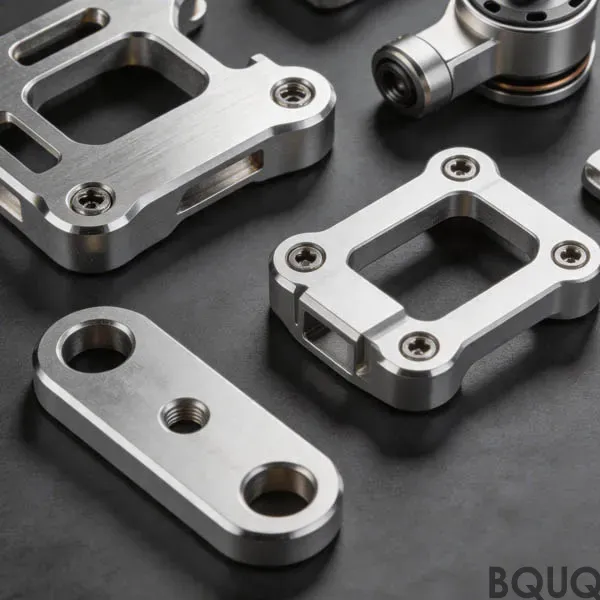
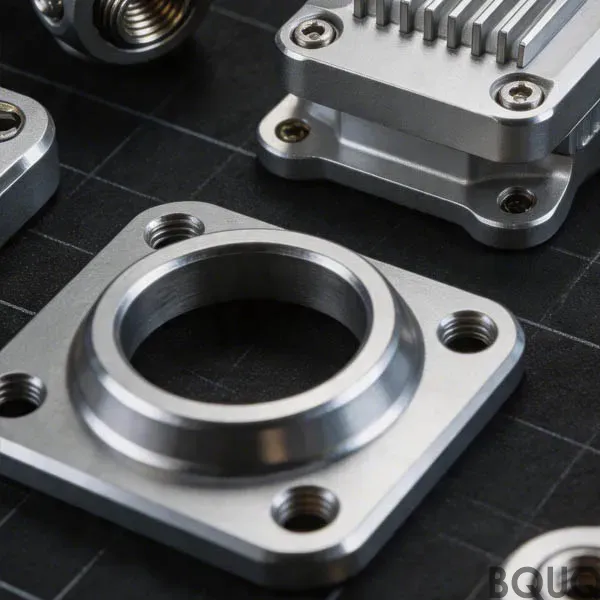
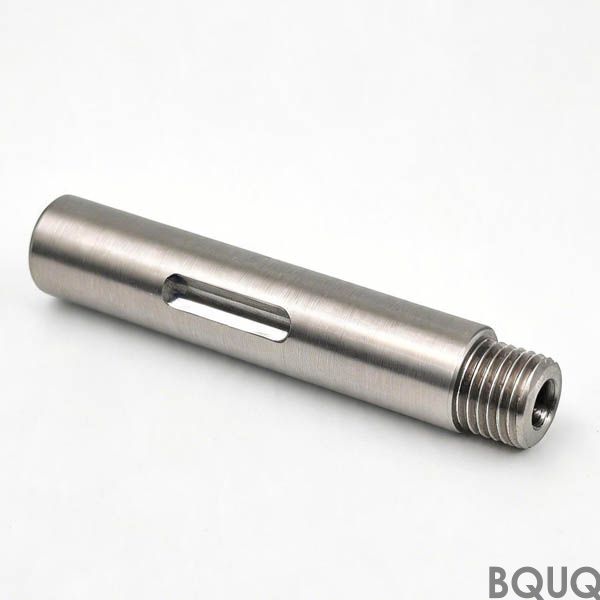
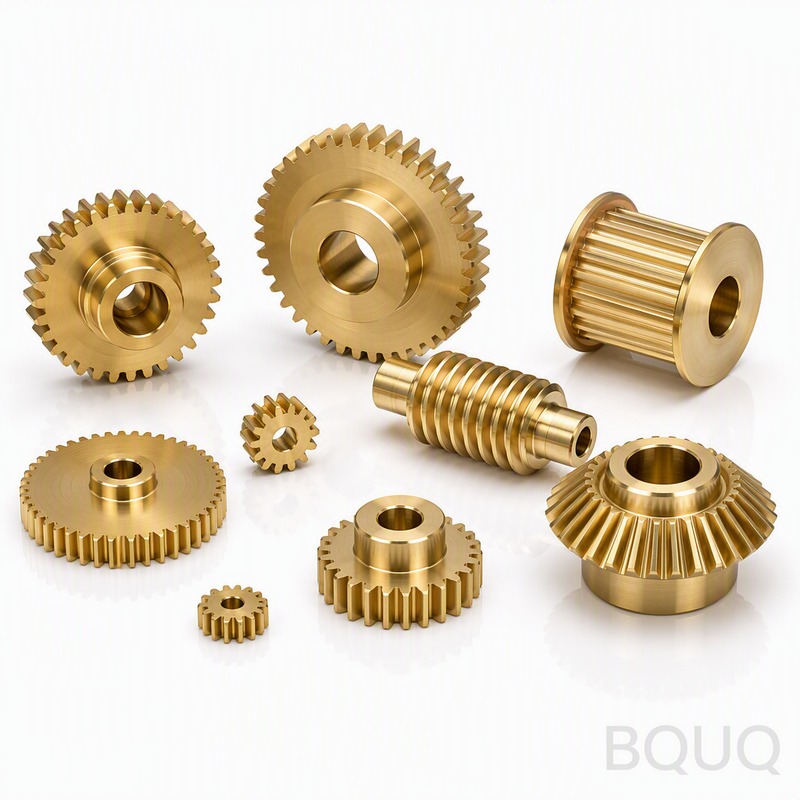
The assumption that lower cost means lower precision is outdated. Top-tier factories in Dongguan and Shenzhen operate with the same equipment found in US job shops: 3-axis and 5-axis DMG MORI, Haas, and Fanuc machining centers. Standard capabilities include:
- Milling accuracy: +/- 0.01 mm (0.0004 inches) for machined features - Turning accuracy: +/- 0.005 mm (0.0002 inches) for diameters under 50 mm - Surface finish: Ra 0.4 to 1.6 micrometers as standard; Ra 0.2 achievable with secondary polishing - True position tolerance: 0.02 mm for datums referenced properly - Thread quality: Class 2A/2B for imperial, 6H/6g for metric
For tight-tolerance aerospace work, Chinese precision houses hold ISO 9001:2015 and AS9100D certifications. They run CMM (coordinate measuring machine) inspection with a reported accuracy of 1.9 microns on Zeiss or Mitutoyo equipment. As a comparison, a 2023 survey of 40 US job shops showed an average scrap rate of 2.8% for aluminum parts; Chinese tier-one factories in the BQUQ network report 1.9% to 2.4% scrap in the same material. The quality gap is not location-based; it is supplier-based.
Shipping, Tariffs, and Landed Cost Analysis
The headline labor savings in China are partially offset by logistics and customs. The landed cost calculation for a 50 kg shipment of machined parts from Dongguan to Los Angeles, air freight, is:
- Ex-works price (500 parts, aluminum): $5,920 - Domestic trucking to Shenzhen airport: $85 - Air freight (50 kg at $6.80/kg): $340 - US customs duty (Section 301 List 4A, 25% on aluminum parts): $1,480 - Customs broker fee: $150 - Ground delivery to buyer in California: $95 - Total landed cost: $8,070
This yields a 18.1% savings against the $9,850 US quote. For sea freight, the total landed cost drops to $6,430, a 34.7% savings, but lead time extends by 25 to 30 days. The Section 301 tariff, currently at 25% for most Chinese aluminum and steel components, is the single largest variable. Buyers with a foreign trade zone (FTZ) or duty drawback program can reduce or defer this cost, improving the Chinese price advantage further.
Lead Time Comparison and Inventory Strategy
China's manufacturing ecosystem offers a lead time advantage for production volumes, but a slight disadvantage for prototypes. A typical US job shop quotes 3 to 5 business days for a prototype and 3 to 4 weeks for a 500-piece production order. Chinese suppliers quote 5 to 7 days for prototypes (due to communication and time-zone coordination) but only 2 to 3 weeks for production, because of 24/7 shift operations.
| Order Type | US Lead Time | China Lead Time | Shipping (Air) | Total Time to Door |
| Prototype (1-5 pcs) | 3 - 5 days | 5 - 7 days | 3 - 5 days | 8 - 12 days (China) vs 3 - 5 days (US) |
| Low volume (50 pcs) | 10 - 14 days | 7 - 10 days | 3 - 5 days | 10 - 15 days (China) vs 10 - 14 days (US) |
| Production (500 pcs) | 21 - 28 days | 14 - 18 days | 3 - 5 days | 17 - 23 days (China) vs 21 - 28 days (US) |
| High volume (5000 pcs) | 35 - 45 days | 20 - 28 days | 20 - 28 days (sea) | 40 - 56 days (China) vs 35 - 45 days (US) |
For production runs, Chinese factories run lights-out machining (unmanned shifts) which reduces calendar time by 30% to 40%. The practical recommendation for US buyers is to use Chinese suppliers for production quantities above 100 pieces, while keeping prototype and emergency jobs domestic.
Hidden Costs and Risk Mitigation
The true cost comparison must include engineering communication, inspection reports, and rework risk. A 2022 report by the National Association of Manufacturers indicated that 22% of US firms that sourced from China experienced a quality-related delay in their first year. The root cause was not machining ability but unclear drawing interpretation and lack of GD&T (Geometric Dimensioning and Tolerancing) knowledge.
To mitigate this, BQUQ advises buyers to:
- Provide native STEP or IGES files, not PDF drawings alone - Specify critical dimensions with explicit tolerance values; avoid open tolerances - Request a pre-production sample (PPAP Level 3) with a full CMM report before mass production - Use a third-party inspection service in China (cost: $200 to $400 per day) for the first batch - Factor in 3% to 5% of order value for potential rework or expedited shipping
These costs are real but predictable. A buyer who allocates 5% of the total order value to quality management will still see a net savings of 15% to 30% versus domestic sourcing. The risk is not in the price; it is in the process. Working with a factory that has dedicated English-speaking engineers and a documented quality manual eliminates most of the guesswork.

When China Is Not the Right Choice
There are specific conditions where Chinese CNC machining is not cost-effective. For orders under 20 pieces with tight tolerances (below +/- 0.005 mm), the setup, communication, and shipping costs eliminate the unit price advantage. Similarly, parts requiring exotic materials with long lead times from US mills, such as Inconel 718 or Titanium 6Al-4V, may be cheaper to machine domestically because the US supplier already holds the material certificate and traceability documentation.
| Scenario | Recommended Sourcing | Reason |
| 1-10 pieces, prototype | US local job shop | No shipping lag, faster iteration |
| 10-100 pieces, standard aluminum | China | 25% - 35% savings after landed cost |
| 100-1000 pieces, tight tolerance | China with PPAP | 30% - 40% savings, quality verified |
| 1000+ pieces, high volume | China | 40% - 50% savings, sea freight viable |
| Small batch, exotic alloy (Inconel) | US | Material traceability and certification costs lower |
For production runs, Chinese factories run lights-out machining (unmanned shifts) which reduces calendar time by 30% to 40%. The practical recommendation for US buyers is to use Chinese suppliers for production quantities above 100 pieces, while keeping prototype and emergency jobs domestic.
FAQ-Style Tips for US Buyers
What is the actual price per part for a simple aluminum bracket in China? A 50 x 50 x 10 mm bracket with four holes and a pocket, 100 pieces, costs $1.80 to $2.40 per part ex-works. The same part in the US averages $3.20 to $4.50.
Are Chinese CNC tolerances reliable at +/- 0.01 mm? Yes, for experienced factories. BQUQ maintains a 98.2% first-pass yield on parts with a 0.01 mm tolerance band. Always request a capability study (CPK over 1.33) on critical dimensions.
How do I handle the 25% Section 301 tariff? You can either absorb it (still cheaper than US), or apply for a tariff exclusion if the part is not made domestically. Alternatively, use a vendor in China that can ship via Malaysia or Vietnam for transshipment, though this carries compliance risks.
What is the minimum order quantity (MOQ) for economical machining in China? Most factories have no MOQ, but the setup fee makes orders under 20 pieces inefficient. The sweet spot is 50 to 200 pieces for initial validation.
How fast can I get a quote from a Chinese factory? A professional factory with a dedicated export team returns a complete quote within 12 hours, including material, finish, and shipping options. This is standard for BQUQ and other tier-one Dongguan suppliers.
Conclusion
CNC machining in China is measurably cheaper for US buyers on production runs, with net landed cost savings of 18% to 35% after tariffs and shipping. The decision hinges on order volume, tolerance requirements, and your ability to manage the supply chain. For orders above 50 pieces, the financial case is compelling; for prototypes, stay local. The key is to partner with a factory that offers transparent pricing, real inspection data, and responsive English communication. If you are evaluating a new part or a transfer from a current supplier, send your drawing and get a benchmark quote. BQUUQ provides a 12-hour quoting service with a full cost breakdown, including tariff implications and shipping alternatives. Contact us at sc@bquq.com or via WhatsApp at +86 13713157787 to receive a detailed comparison against your current US pricing. Visit www.bquq.com for engineering guidelines and case studies.