Metal Stamping & CNC Turning Combined Services Benefits
In the competitive world of metal manufacturing, precision and efficiency are paramount. Combining metal stamping and CNC turning services offers a comprehensive solution that leverages the strengths of both processes. This integrated approach not only streamlines production but also enhances product quality, reduces costs, and accelerates time-to-market. Below, we explore the top benefits of opting for combined metal stamping and CNC turning services.
1. Enhanced Precision and Consistency
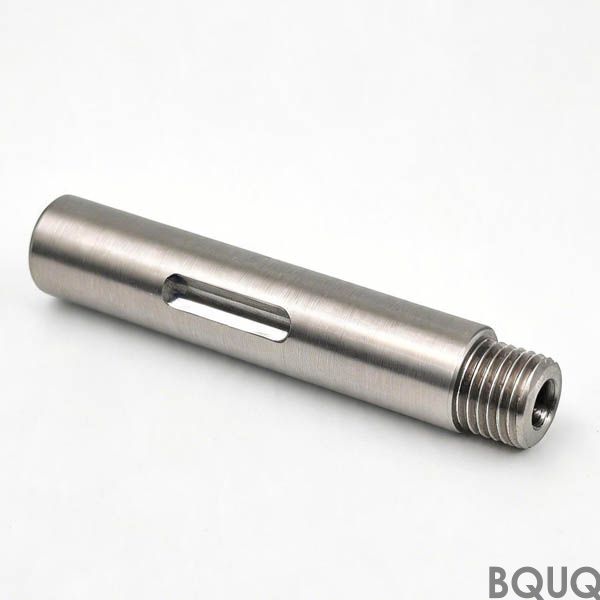
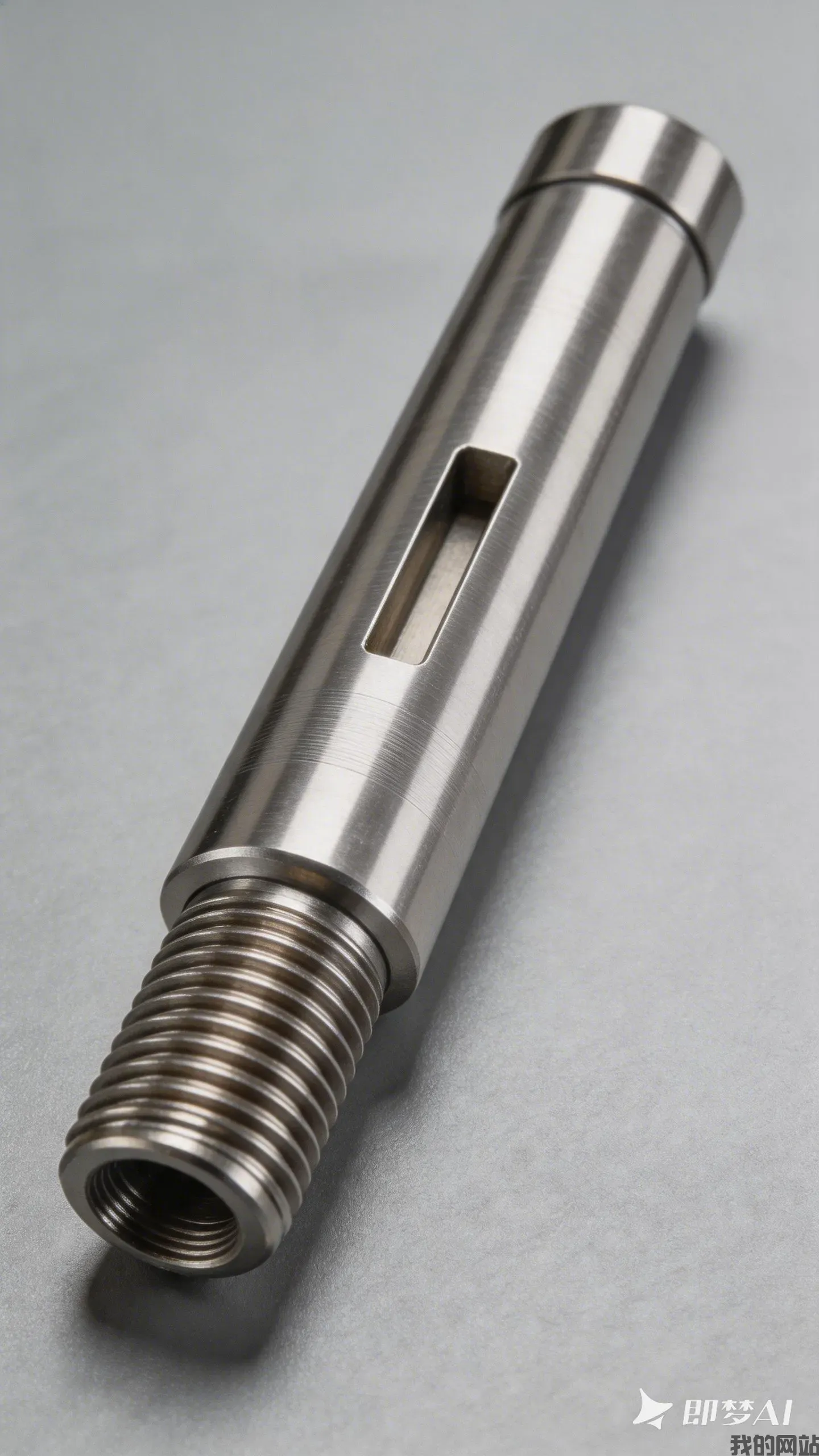
Metal stamping excels at producing high volumes of parts with tight tolerances, while CNC turning offers exceptional accuracy for complex geometries. When these two processes are combined, manufacturers can achieve parts that meet exact specifications consistently. For example, a component might be stamped to form its basic shape, then CNC turned to add threads or precise diameters. This dual approach reduces errors and ensures that every part adheres to stringent quality standards.
Moreover, the integration of CAD/CAM technologies allows for seamless data transfer between stamping and turning operations. This reduces the risk of dimensional variations that can occur when parts are produced in separate facilities. The result is a product with superior fit and finish, essential for industries like automotive, aerospace, and electronics.
2. Reduced Lead Times and Faster Production
By offering both services under one roof, manufacturers eliminate the need to outsource to multiple vendors. This consolidation significantly cuts down on transportation and communication delays. For instance, a stamped part that requires CNC turning can be processed immediately without waiting for external scheduling. This streamlined workflow shortens overall production cycles, allowing companies to bring products to market faster.
Additionally, combined services enable just-in-time manufacturing, where parts are produced precisely when needed. This reduces inventory holding costs and minimizes the risk of obsolescence. With faster turnaround times, businesses can respond quickly to market demands and customer orders, gaining a competitive edge.
3. Cost-Effective Manufacturing
Combining services leads to significant cost savings. First, it eliminates the overhead of managing multiple suppliers, including order processing, shipping, and quality inspections. Second, volume discounts on raw materials and tooling can be negotiated when purchasing for both processes from the same source. Third, reduced scrap rates due to better process control lower material costs.
Furthermore, the ability to produce complex parts in a single setup reduces secondary operations and manual handling. This minimizes labor costs and decreases the chance of damage during transfer. Overall, the total cost per part is often lower, making combined services an attractive option for both prototyping and mass production.
4. Versatility in Material and Design
The combination of stamping and CNC turning allows for a wide range of materials and designs. Stamping can handle various sheet metals, including steel, aluminum, and copper, while CNC turning can work with both ferrous and non-ferrous metals. This flexibility means that designers can choose the best material for each component without being limited by process constraints.
Moreover, complex geometries that are difficult or impossible to achieve with stamping alone become feasible with CNC turning. For example, a stamped bracket can have CNC-machined mounting holes and threads. This synergy expands design possibilities, leading to more innovative and functional products. Engineers can optimize part strength, weight, and aesthetics without compromising manufacturability.
5. Increased Durability and Strength
Metal stamping often work-hardens materials, increasing their strength in the stamped areas. CNC turning, on the other hand, can achieve precise surface finishes and remove stress raisers. When combined, parts benefit from both the structural integrity imparted by stamping and the fine surface quality from turning. This results in components that can withstand higher loads and fatigue cycles.
Additionally, the ability to perform secondary operations like deburring and heat treatment within the same facility ensures that parts meet rigorous durability requirements. For applications such as automotive suspension components or industrial fasteners, the combined approach yields parts with extended service life and consistent performance under stress.
6. Streamlined Supply Chain and Single-Sourcing
Using a single provider for both stamping and CNC turning simplifies supply chain management. Companies deal with one point of contact for quoting, production, and quality assurance. This reduces administrative burden and enhances communication. Moreover, single-sourcing often leads to better accountability and faster problem resolution.
For example, if a design change is needed, the manufacturer can quickly adjust both stamping dies and CNC programs without coordinating between separate vendors. This agility is crucial for industries with rapid iteration cycles, such as consumer electronics. The streamlined supply chain also reduces the risk of delays and inventory mismatches, ensuring a smoother production flow.
7. Quality Assurance and Advanced Finishing
Integrated services often come with comprehensive quality control systems. Manufacturers can perform in-process inspections at each stage, from stamped blanks to finished turned parts. This allows for early detection of defects and immediate corrective actions. Many combined service providers also offer advanced finishing options like plating, powder coating, or anodizing, all coordinated under one roof.
With a single responsible party, the entire production chain is subject to consistent quality standards. Certifications such as ISO 9001 are more easily maintained. Customers benefit from a single warranty and simpler auditing. Ultimately, the combined service leads to higher confidence in the final product's quality and reliability.
In conclusion, combining metal stamping and CNC turning services offers numerous benefits, including improved precision, faster production, cost savings, design versatility, enhanced durability, simplified supply chains, and superior quality. For manufacturers seeking to optimize their metal parts production, this integrated approach is a powerful strategy. Contact us today to learn how our combined services can elevate your next project.
Frequently Asked Questions
How does combining metal stamping and CNC turning improve part precision?
Combining these processes allows parts to be stamped for basic shapes and then CNC turned for features like threads or precise diameters. This dual approach reduces errors and ensures every part meets exact specifications consistently, with tight tolerances and superior fit and finish for industries like automotive, aerospace, and electronics.
What are the lead time benefits of using combined stamping and turning services?
Having both services under one roof eliminates outsourcing delays, cutting transportation and communication time. A stamped part requiring CNC turning can be processed immediately, shortening overall production cycles. This also enables just-in-time manufacturing, reducing inventory costs and allowing faster responses to market demands.
How does combining these services reduce manufacturing costs?
Combining services cuts overhead from managing multiple suppliers, including order processing, shipping, and inspections. Volume discounts on raw materials and tooling can be negotiated, and reduced scrap rates lower material costs. Producing complex parts in a single setup minimizes labor and secondary operations, lowering total cost per part.
What role does CAD/CAM technology play in the combined process?
Integration of CAD/CAM technologies allows seamless data transfer between stamping and turning operations. This reduces the risk of dimensional variations that can occur when parts are made in separate facilities, ensuring consistent quality and dimensional accuracy across all produced parts.