Metal Stamping DFM: 7 Rules for Cost-Effective Design
Design for Manufacturability (DFM) is critical in metal stamping to reduce costs, improve quality, and speed up production. By following these 7 rules, you can optimize your metal stamping designs for cost-effective manufacturing.
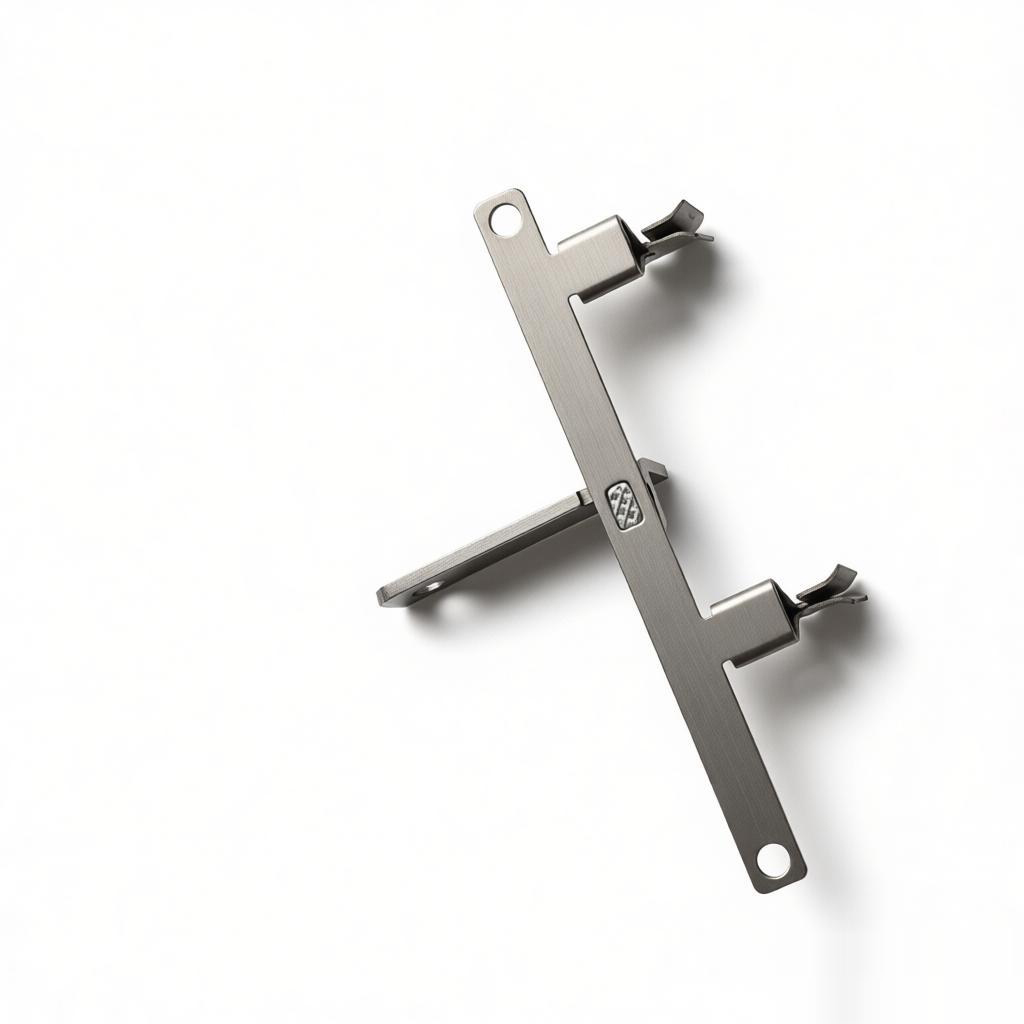
Rule 1: Avoid Sharp Corners
Sharp corners in metal stamping designs create stress concentrations that can lead to cracking during forming. They also accelerate tool wear and increase the risk of die breakage. To avoid these issues, always incorporate radii on internal and external corners. A good rule of thumb is to use a radius of at least 0.5 times the material thickness. Larger radii further improve formability and extend tool life, reducing overall production costs.
Rule 2: Maintain Uniform Wall Thickness
Variations in wall thickness cause uneven material flow during stamping, leading to warping, thinning, or cracking. Design parts with consistent wall thickness throughout. If thickness changes are unavoidable, use gradual transitions instead of sudden steps. This rule also applies to features like flanges and ribs—avoid abrupt changes that can cause defects. Uniform thickness simplifies tool design and reduces scrap rates.
Rule 3: Minimize Hole Sizes and Distances
Small holes require small-diameter punches that are fragile and prone to breakage. For cost-effective stamping, ensure hole diameters are at least equal to the material thickness. Holes smaller than this significantly increase tooling cost and maintenance. Also maintain adequate distance between holes and from holes to part edges—typically at least twice the material thickness. This prevents distortion and tear-outs.
Rule 4: Use Standard Tolerances
Specifying tight tolerances for every feature drives up manufacturing costs due to extra inspection and slower press speeds. Reserve tight tolerances only for critical dimensions that affect part function. For non-critical features, use standard stamping tolerances (e.g., ±0.005 inches for hole locations or ±0.010 inches for formed dimensions). Standard tolerances allow faster production and reduce the need for secondary operations.
Rule 5: Design for Bend Relief
When a bend occurs near another feature, such as a hole or slot, provide relief cuts to prevent tearing. The width of the relief should be at least two times the material thickness, and the depth should extend beyond the bend radius. Additionally, internal bend radii should be no less than 0.5 times the material thickness to avoid cracking. Proper bend relief ensures clean, strong bends without extra finishing steps.
Rule 6: Avoid Undercuts and Complex Shapes
Undercuts require complex tooling like side-action cams or slides, which increase die manufacturing cost and maintenance. Similarly, shapes with deep draws or multiple levels add complexity. Whenever possible, redesign features to eliminate undercuts. If unavoidable, consult with your stamping partner to evaluate the cost trade-offs. Simplify geometry to reduce tooling cost and cycle time.
Rule 7: Consider Material Selection
Material choice has a huge impact on cost and manufacturability. Standard carbon steels (e.g., SPCC, DC01) are most cost-effective and widely available. If corrosion resistance is needed, consider galvanized steel over stainless steel to save costs. Avoid exotic alloys unless absolutely required. Also consider material thickness—thicker gauge increases material cost and required press tonnage. Optimize material selection early in design to balance performance and budget.
By implementing these DFM rules, you can significantly reduce manufacturing costs and lead times while ensuring high-quality metal stamping parts. Partner with an experienced stamping manufacturer early in the design phase to validate your design and maximize savings.
Frequently Asked Questions
What is the minimum recommended radius for internal and external corners in metal stamping designs?
The minimum recommended radius is at least 0.5 times the material thickness. Larger radii improve formability and extend tool life, reducing production costs by avoiding stress concentrations and die breakage.
What standard tolerances should I use for non-critical features to keep costs down?
For non-critical features, use standard stamping tolerances like ±0.005 inches for hole locations or ±0.010 inches for formed dimensions. This allows faster production and reduces the need for secondary operations, lowering overall costs.
How small can a hole be in a stamped part without increasing tooling costs?
Hole diameters should be at least equal to the material thickness. Smaller holes require fragile punches that increase tooling cost and maintenance. Also maintain a distance of at least twice the material thickness between holes and from holes to edges to prevent distortion.
What is the required width and depth for bend relief cuts?
The width of the relief should be at least two times the material thickness, and the depth should extend beyond the bend radius. Internal bend radii should be no less than 0.5 times the material thickness to avoid cracking.