Metal Stamping vs CNC Machining for Prototypes: Pros & Cons
Introduction
When developing a new metal product, prototyping is a critical step to validate design, fit, and function. Two of the most common manufacturing methods for metal prototypes are metal stamping and CNC machining. Each offers distinct advantages and trade-offs depending on the project requirements. This article compares both processes across multiple factors, helping you make an informed decision for your prototype phase.
What is Metal Stamping?
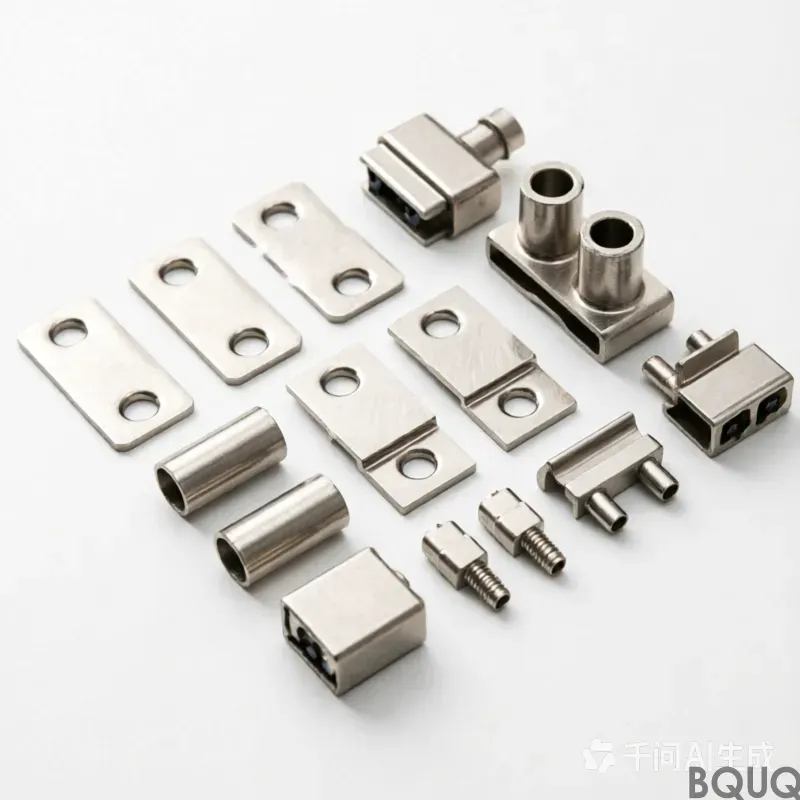
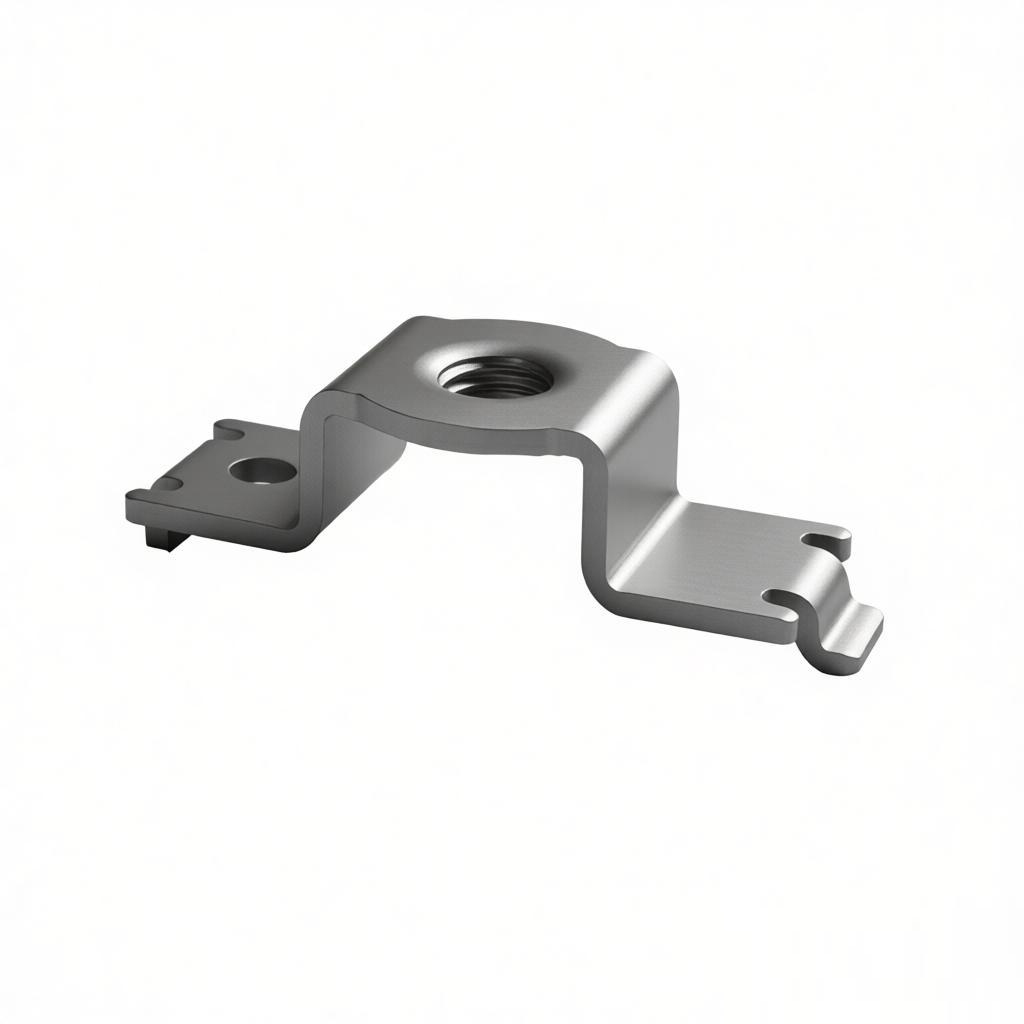
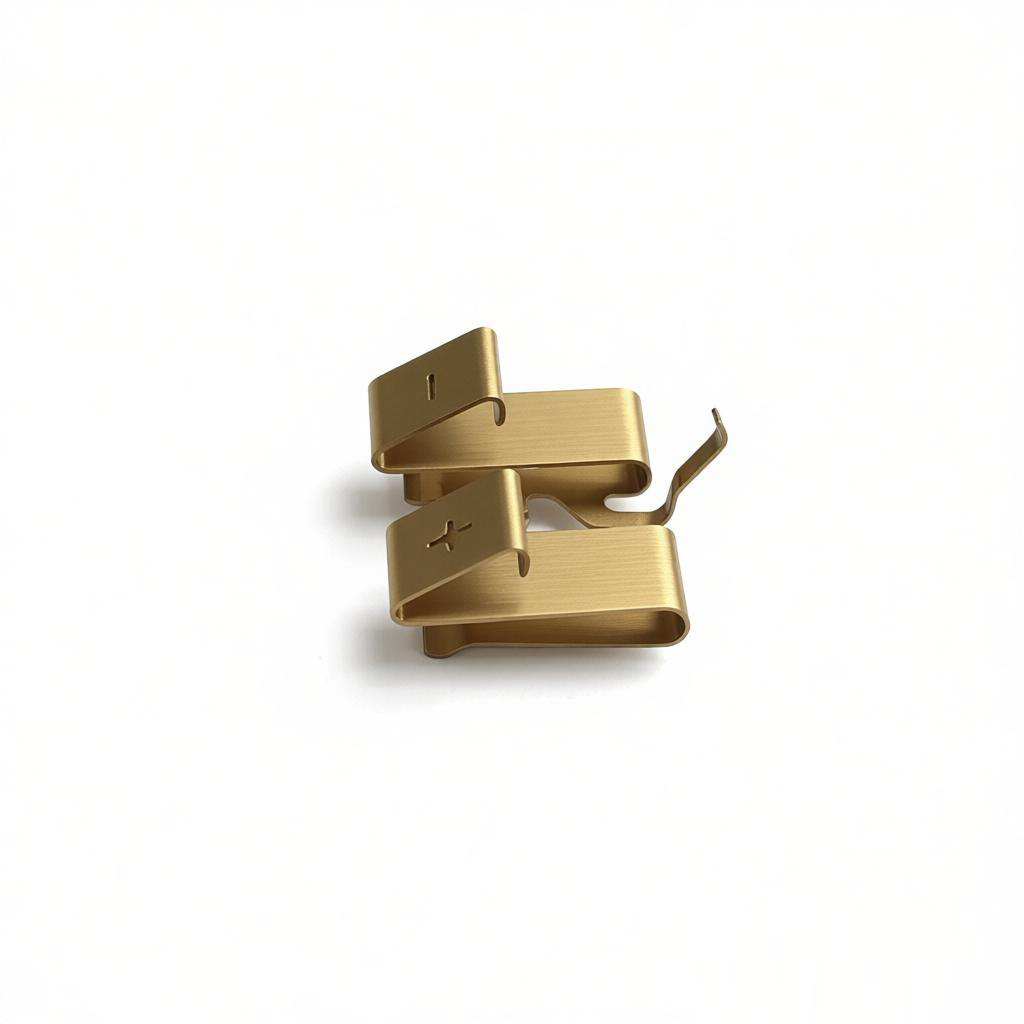
Metal stamping uses dies and presses to shape flat metal sheets into desired forms. It is a high-speed process ideal for large-volume production, but can also be used for prototyping with soft tooling (e.g., 3D-printed or aluminum dies). Typical operations include blanking, bending, coining, and embossing.
Pros of Metal Stamping for Prototypes
High speed once tooling is ready: Rapid cycle times make it efficient for multiple iterations.
Consistent repeatability: Parts are identical within tight tolerances.
Low unit cost at volume: Even for prototypes, per‑part cost drops with quantity.
Material versatility: Works with steel, aluminum, copper, brass, and many alloys.
Cons of Metal Stamping for Prototypes
High initial tooling cost: Die design and fabrication can be expensive and time‑consuming.
Long lead time for dies: Soft tooling still takes days to weeks.
Limited design complexity: Deep draws, undercuts, or intricate internal features are difficult.
Minimum bend radii and thickness constraints: Not suitable for very thick or brittle materials.
What is CNC Machining?
CNC (Computer Numerical Control) machining is a subtractive process that removes material from a solid block using rotating cutting tools. It includes milling, turning, drilling, and threading. CNC can produce highly complex geometries directly from CAD models.
Pros of CNC Machining for Prototypes
No tooling required: Parts are machined directly from bar stock or billet, reducing upfront cost and lead time.
Extreme precision: Tolerances as tight as ±0.005 mm are achievable.
Design flexibility: Complex shapes, threads, pockets, and undercuts are easy.
Rapid turnaround: Simple parts can be ready in hours.
Material variety: Works with metals, plastics, composites, and more.
Cons of CNC Machining for Prototypes
Higher per‑part cost: Especially for complex or large parts due to machining time and waste.
Slower cycle time: Each part is machined individually.
Less efficient for large volumes: Not economical for production runs.
Geometric limitations: Some internal features require specialized tools (e.g., long drills).
Head‑to‑Head Comparison Table
| Feature | Metal Stamping (Prototype) | CNC Machining (Prototype) |
|---|---|---|
| Initial cost | High (tooling) | Low (no tooling) |
| Lead time to first part | Days‑weeks (tool making) | Hours‑days |
| Per‑part cost (low qty) | Moderate to high | High |
| Per‑part cost (medium qty) | Low | High |
| Design complexity allowed | Limited (simple shapes) | Very high |
| Typical tolerances | ±0.1–0.2 mm (soft tools) | ±0.005–0.05 mm |
| Surface finish | Good (can be improved with secondary ops) | Excellent (as‑machined) |
| Material utilization | High (nesting, minimal waste) | Lower (chip waste) |
| Suitability for design changes | Difficult (tool modifications) | Easy (update CAM) |
| Ideal prototype quantity | 50+ parts | 1–50 parts |
When to Choose Metal Stamping for Prototypes
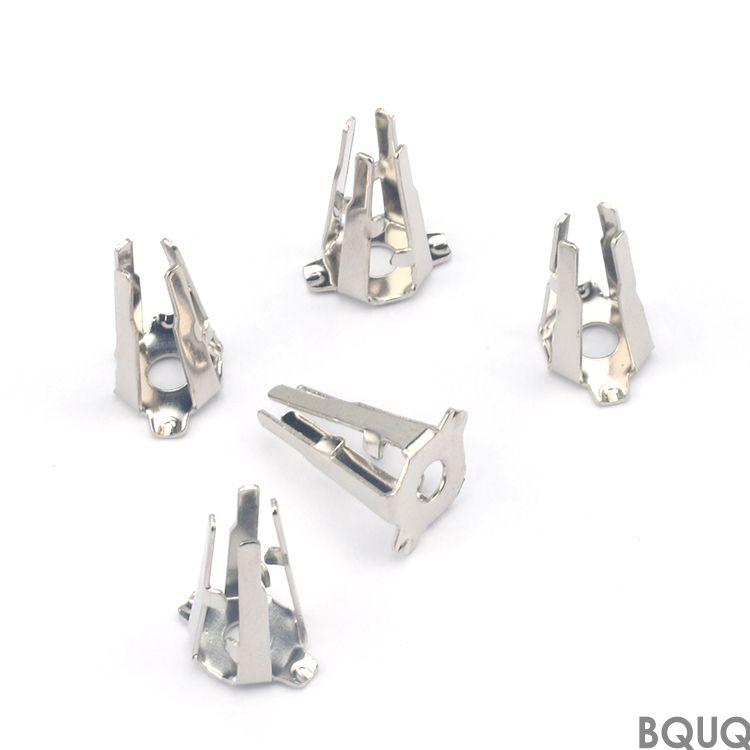
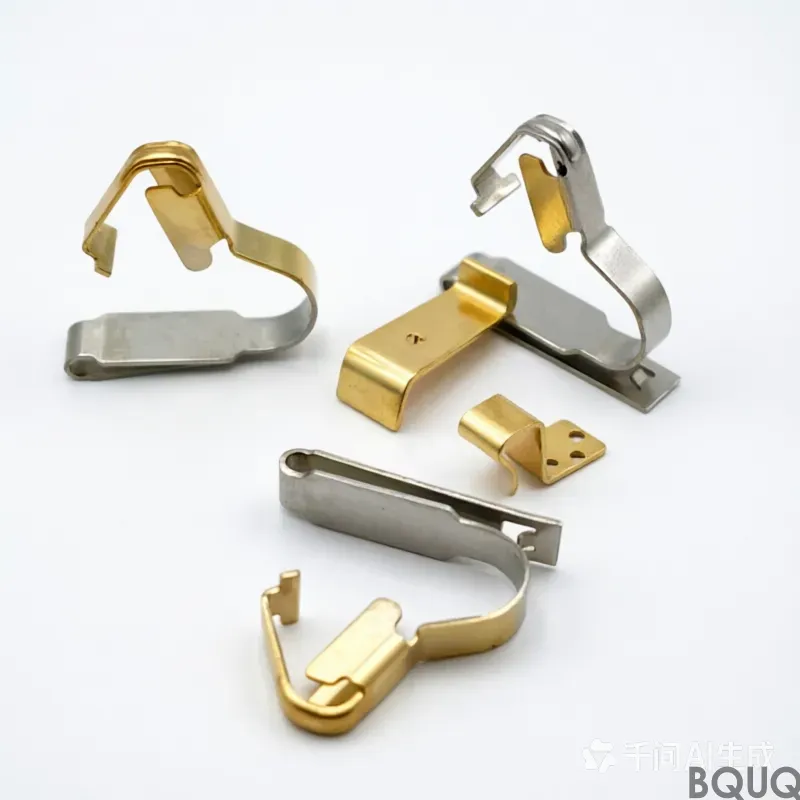
Metal stamping is preferable when you need a moderate quantity of prototypes (e.g., 100–500 pieces) for functional testing or market sampling, and the part geometry is relatively simple—such as flat brackets, clips, or simple enclosures. It also makes sense if the final production run will be stamped, as prototyping with soft tooling validates the die design and material behavior early.
When to Choose CNC Machining for Prototypes
CNC machining is ideal when you require very high precision, complex features, or extremely low quantities (1–10 parts). It is also the go‑to method when design iterations are expected, because changes can be implemented with a simple software update. If your part has deep cavities, threads, or tight internal corners, CNC is likely the best choice.
Recommendation
For most prototype projects, we recommend starting with CNC machining for the first few iterations, then transitioning to metal stamping with soft tooling once the design is frozen and you need a larger batch for validation or pre‑production. This hybrid approach minimizes upfront risk while preparing for cost‑efficient volume manufacturing. Always consult with an experienced manufacturing partner to evaluate your specific geometry, material, and timeline.
Conclusion
Both metal stamping and CNC machining have their place in prototype development. By understanding their strengths and limitations, you can select the process that best aligns with your project’s budget, timeline, and technical requirements. Whether you need high‑precision one‑offs or low‑cost batches, our team at [Your Company Name] is ready to support your prototyping needs with expert guidance and state‑of‑the‑art equipment.
Frequently Asked Questions
What are the main differences between metal stamping and CNC machining for prototypes?
Metal stamping uses dies and presses to shape flat sheets, offering high speed and repeatability but requiring expensive tooling. CNC machining removes material from a solid block, providing extreme precision up to ±0.005 mm, design flexibility, and no tooling cost. Stamping suits large volumes, while CNC is better for complex geometries and rapid turnaround.
Which process is faster for getting a prototype part?
CNC machining is generally faster for prototypes because it requires no tooling—simple parts can be ready in hours. Metal stamping needs die design and fabrication, which takes days to weeks even with soft tooling. However, once stamping tooling is ready, its cycle times are rapid for multiple iterations.
Can metal stamping handle complex designs like undercuts or deep draws?
No, metal stamping has limited design complexity. Deep draws, undercuts, and intricate internal features are difficult or impossible with stamping. CNC machining is better suited for these, as it can easily produce complex shapes, threads, pockets, and undercuts directly from CAD models.
What precision can I expect from CNC machining for prototype parts?
CNC machining achieves tolerances as tight as ±0.005 mm, making it highly precise for prototypes. This level of accuracy is ideal for validating fit and function. Metal stamping also offers tight tolerances and consistent repeatability, but CNC provides greater flexibility for complex geometries without tooling constraints.