Precision Shrapnel Stamping for Connectors: Complete Guide
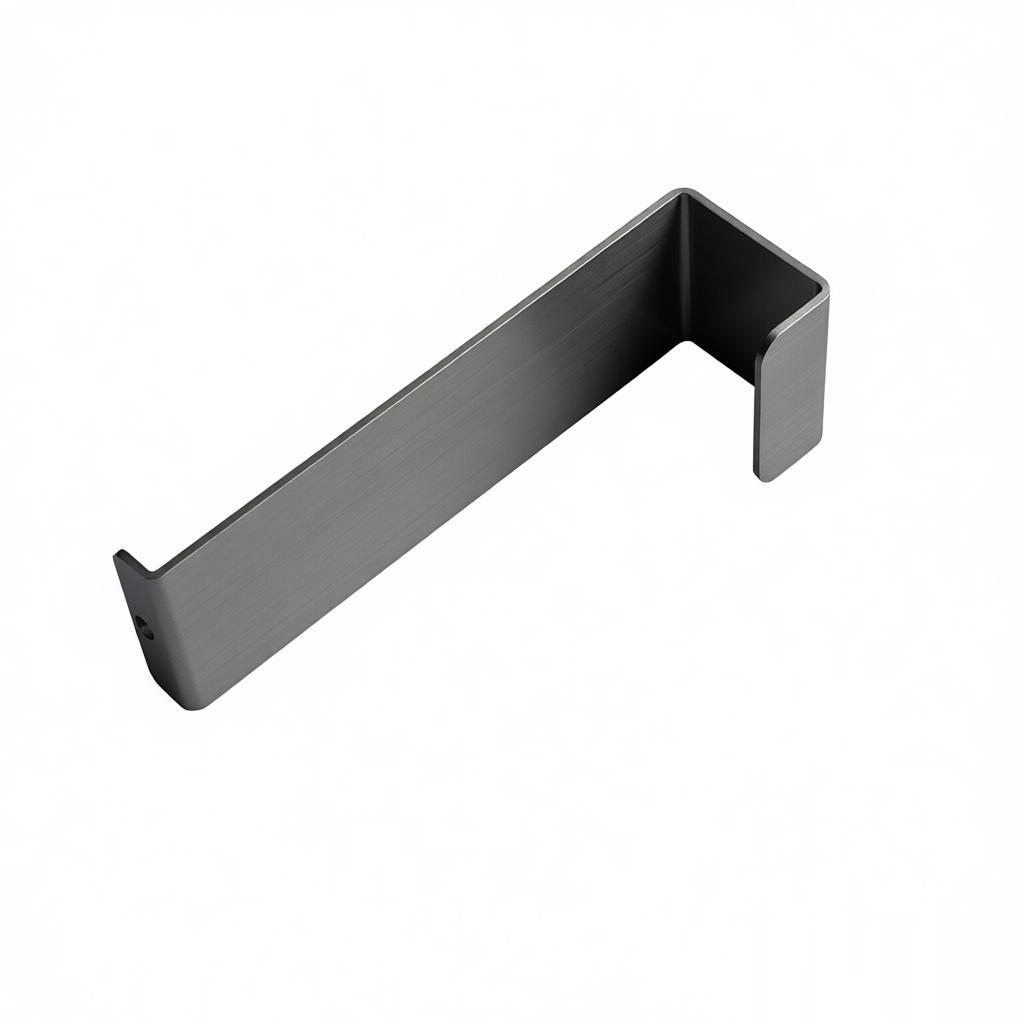
Introduction to Precision Shrapnel Stamping for Connectors
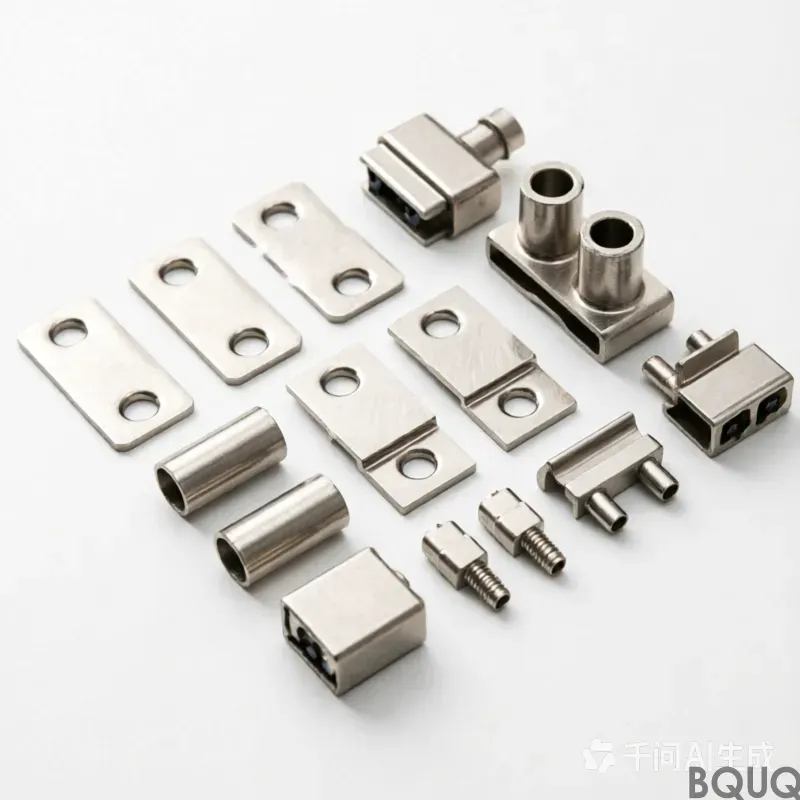
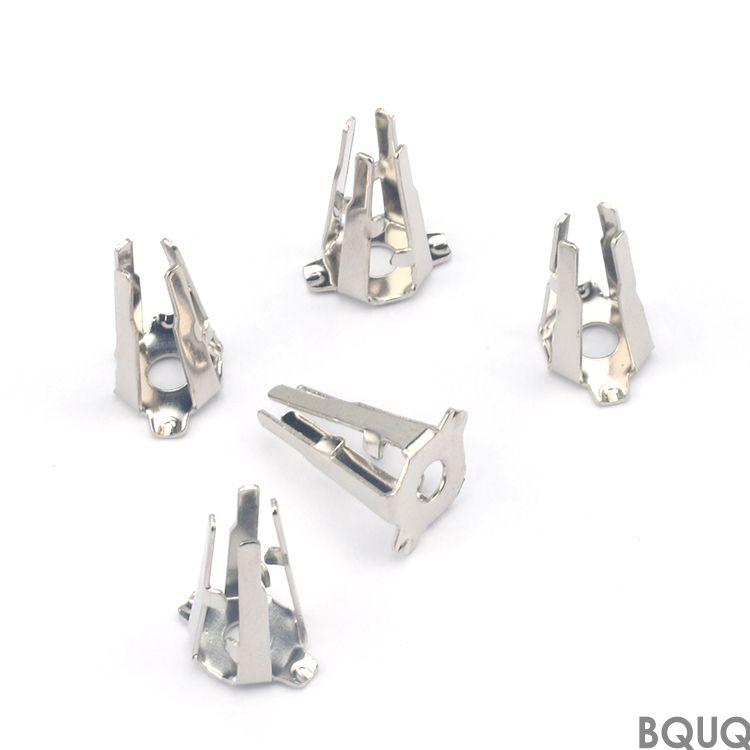
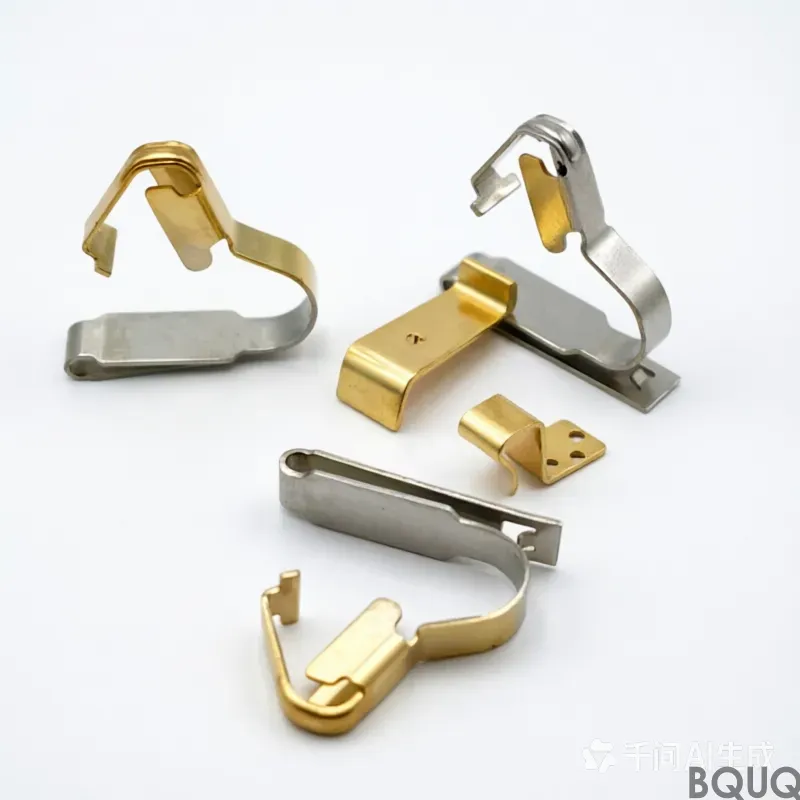
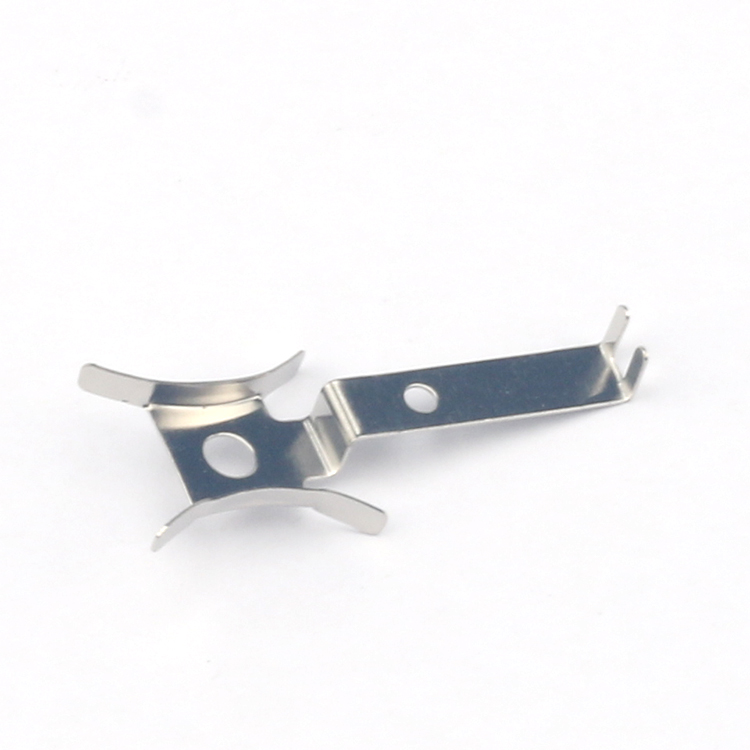
Precision shrapnel stamping is a critical process in the manufacture of connectors used across industries such as automotive, aerospace, electronics, and telecommunications. Shrapnel, also known as contact springs or leaf springs, are thin metal components that provide electrical continuity and mechanical retention in connectors. This guide delves into the nuances of producing high-quality precision shrapnel through stamping, covering material selection, tooling design, process parameters, quality control, and practical tips.
Understanding Shrapnel in Connectors
Shrapnel are flexible metal strips that exert a spring force against a mating contact, ensuring a reliable electrical connection. They are commonly found in USB ports, SIM card holders, battery connectors, and automotive harnesses. Key characteristics include high elasticity, low contact resistance, and excellent fatigue resistance. The stamping process must achieve tight tolerances (often ±0.01 mm) and burr-free edges to prevent signal loss or mechanical failure.
Common Materials for Shrapnel Stamping
Material choice directly impacts performance. Typical materials include:
Phosphor Bronze (C5191, C5210): Excellent spring properties and corrosion resistance, ideal for consumer electronics.
Beryllium Copper (C17200): High strength and conductivity, used in aerospace and high-reliability connectors.
Stainless Steel (SUS301, SUS304): Good elasticity and durability, often chosen for cost-sensitive applications.
Brass (C2680, C2600): Lower cost but inferior spring performance; used for non-critical contacts.
| Material | Yield Strength (MPa) | Conductivity (%IACS) | Typical Application |
|---|---|---|---|
| Phosphor Bronze C5191 | 450-600 | 15-20 | Audio jacks, USB connectors |
| Beryllium Copper C17200 | 1000-1400 | 20-25 | Military/aerospace connectors |
| Stainless Steel SUS301 | 800-1000 | 2-3 | Battery springs, card slots |
| Brass C2600 | 300-400 | 28-30 | Low-cost consumer goods |
The Precision Stamping Process for Shrapnel
Stamping shrapnel requires multi-step progressive dies due to the complex geometry and tight tolerances. The typical process includes the following stages:
1. Coil Feed and Straightening
Raw material in coil form is fed through a straightener to remove coil curvature. A servo feeder advances the strip precisely into the die with an accuracy of ±0.02 mm.
2. Blanking and Forming
The first stations cut the blank outline and create pilot holes for indexing. Subsequent stations form the shrapnel's bend radii, angles, and contact tips. For example, a typical connector shrapnel may have a 90° bend with a radius of 0.2 mm. Forming must account for springback, requiring overbending or coining.
3. Piercing and Trimming
Holes or slots are pierced for mounting or additional features. Trimming removes excess material to achieve the final contour.
4. Critical Forming and Coining
Coining is a restriking operation that compresses the material to flatten surfaces, improve dimensional stability, and reduce springback. This is essential for high-volume production.
5. Cut-off and Ejection
The final station cuts the shrapnel from the strip. Ejection can be pneumatic or mechanical, ensuring the part is safely removed without damage.
Tooling Design Considerations for Shrapnel Stamping
Successful shrapnel stamping relies on precision tooling. Key design aspects include:
Material Hardness: Die steels (e.g., D2, M2) with high wear resistance are used. For high-volume runs (>1 million parts), carbide inserts are recommended.
Clearance: Optimal punch-die clearance is typically 5-8% of material thickness. Too tight causes excessive burrs; too large leads to coarse edges.
Bend Allowance: Accurate bend deductions are calculated based on material thickness and bend radius. Finite element analysis (FEA) helps predict springback.
Lubrication: Thin-film lubricants reduce friction and prevent galling. Water-soluble lubricants are common for easy cleaning.
Quality Control in Precision Shrapnel Stamping
Ensuring consistent quality requires rigorous inspection at multiple stages. Critical parameters include:
| Parameter | Tolerance | Measurement Method |
|---|---|---|
| Part dimensions | ±0.01 mm | Vision system, CMM |
| Bend angle | ±1° | Optical comparator |
| Surface finish | Ra ≤ 0.4 μm | Profilometer |
| Burr height | ≤ 0.02 mm | Microscope, 30x |
| Spring force | ±5% of spec | Force gauge |
Common Defects and Solutions
Burrs: Caused by excessive clearance or worn tooling. Regrind punches/dies or adjust clearance.
Springback variation: Due to material anisotropy. Use coining or try alternative heat treatments.
Micro-cracks: From severe forming. Reduce bend radius or change to more ductile material.
Dimensional drift: Check for thermal expansion; stabilize press and die temperature.
Practical Tips for Optimizing Shrapnel Stamping
To achieve high yield and low cost, consider these industry-proven tips:
Use progressive dies with pilot holes to maintain strip alignment and reduce scrap.
Employ servo presses for precise speed and position control, especially during forming.
Implement in-line force monitoring to detect worn tooling before defects occur.
Design shrapnel with symmetrical features to minimize unbalanced forces.
Conduct a first article inspection (FAI) after any tooling change.
For high-volume orders, consider adding a deburring process (e.g., vibratory finishing) if burrs are critical.
Advanced Techniques: High-Speed Stamping and Micro-Stamping
Modern connector miniaturization demands micro-shrapnel with thicknesses below 0.1 mm. High-speed stamping presses operating at 600-1500 strokes per minute require ultra-precise dies and advanced lubrication. Micro-stamping employs etching or EDM for tooling, and often uses wire-cut components. For mass production, the emphasis is on reducing setup time through quick-die-change systems.
Conclusion
Precision shrapnel stamping for connectors is a specialized field that blends material science, tooling engineering, and process control. By understanding material properties, optimizing die design, implementing robust quality checks, and staying abreast of high-speed techniques, manufacturers can produce reliable, cost-effective components. Whether you are a design engineer or a procurement specialist, this guide serves as a foundation for achieving excellence in shrapnel stamping for connectors.
Frequently Asked Questions
What tolerances can you achieve for precision shrapnel stamping?
Our precision shrapnel stamping achieves tight tolerances of often ±0.01 mm, with servo feeder accuracy of ±0.02 mm during coil feed. This ensures burr-free edges and reliable electrical continuity for connectors in automotive, aerospace, and electronics applications.
Which materials do you recommend for high-reliability connector shrapnel?
For high-reliability connectors, we recommend Beryllium Copper C17200 with yield strength 1000-1400 MPa and conductivity 20-25% IACS, ideal for military/aerospace. Phosphor Bronze C5191 (450-600 MPa, 15-20% IACS) suits consumer electronics like USB and audio jacks, offering excellent spring properties and corrosion resistance.
What is the typical stamping process for complex shrapnel geometries?
We use multi-step progressive dies for complex shrapnel geometries. The process starts with coil feed and straightening, where a servo feeder advances the strip with ±0.02 mm accuracy, followed by blanking and subsequent stages. This ensures tight tolerances and burr-free edges for reliable spring force and electrical contact.
Can you handle cost-sensitive shrapnel applications without compromising quality?
Yes, for cost-sensitive applications, we offer Stainless Steel SUS301 (800-1000 MPa yield, 2-3% IACS) for battery springs and card slots, or Brass C2600 (300-400 MPa, 28-30% IACS) for non-critical contacts. These materials balance durability and cost while maintaining our precision stamping standards.